What Size Grow Bag for Carrots: Ultimate Guide for Perfect Growth
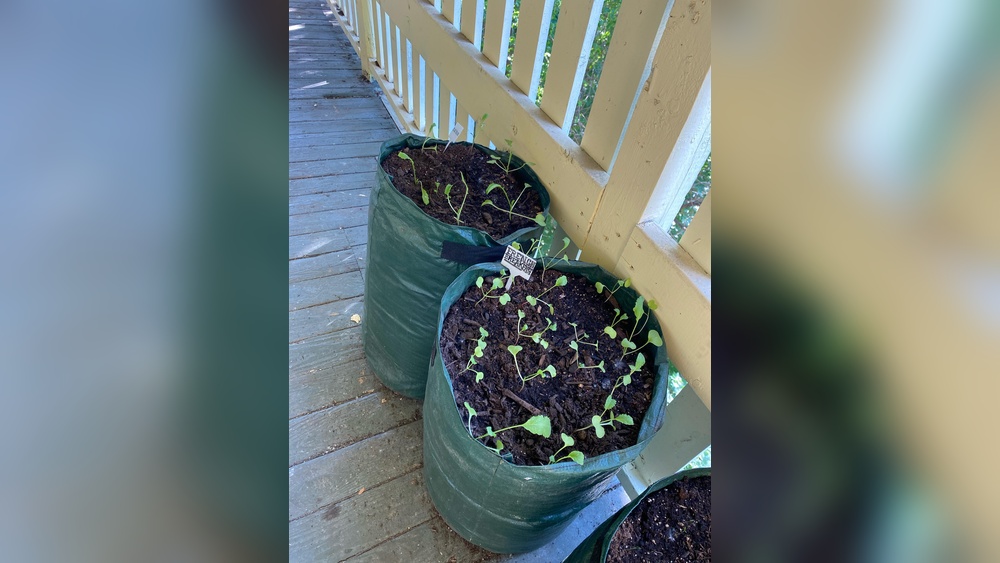
Are you ready to grow delicious, homegrown carrots but unsure about the perfect grow bag size? Choosing the right grow bag can make all the difference in getting those sweet, crunchy roots just right.
If your carrots don’t have enough space to grow deep, they might end up short or misshapen. But pick a bag that’s too big, and you might waste space or struggle with watering. In this guide, you’ll discover exactly what size grow bag you need to help your carrots thrive, whether you’re gardening on a balcony, patio, or small backyard.

Credit: growinginthegarden.com
Grow Bag Sizes For Carrots
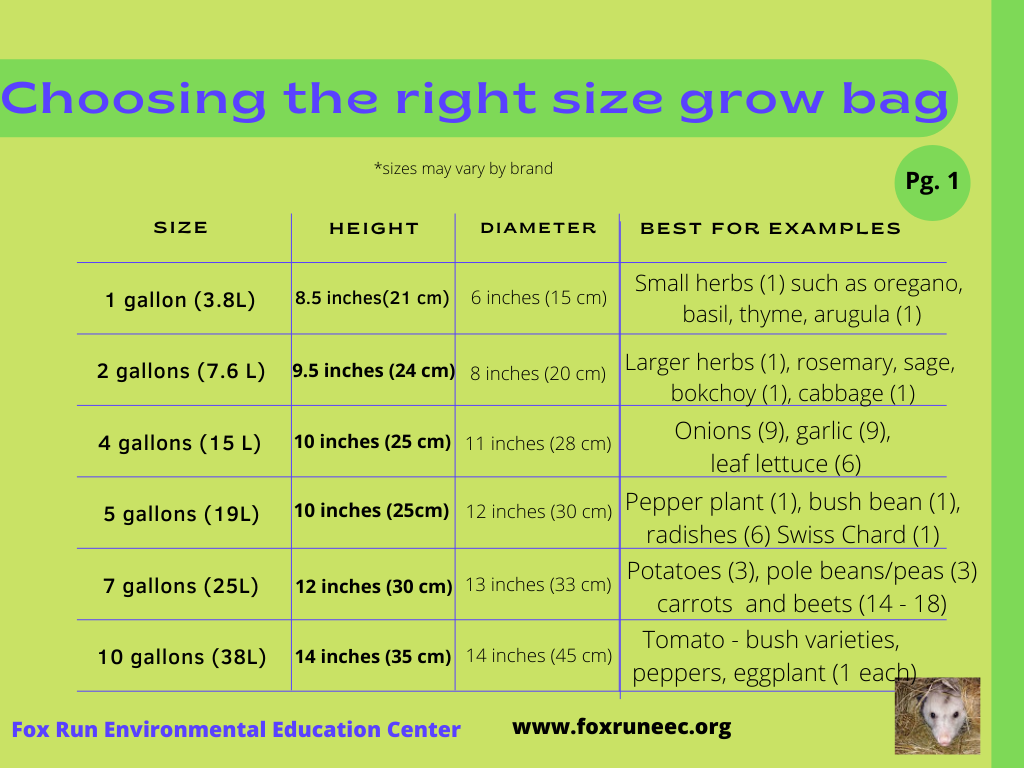
Choosing the right grow bag size for carrots helps ensure healthy growth and a good harvest. Carrots need enough space to develop their roots fully. Different bag sizes suit different carrot varieties and growing goals. Understanding bag depth and width is crucial for strong root development. Below are the key grow bag sizes for carrots and their uses.
Small Bags For Modest Harvests
Small grow bags usually hold about 3 to 5 gallons of soil. They work well for short carrot varieties or limited space. These bags allow you to grow a few carrots for fresh use. They are easy to move and store. Soil dries out faster in small bags, so watering needs attention.
Medium Bags For Longer Carrots
Medium grow bags hold around 7 to 10 gallons of soil. They offer enough depth for longer carrot varieties to grow straight and strong. These bags provide enough room for 6 to 10 carrots. Medium bags balance space and soil volume well. They support steady root growth and reduce crowding.
Deep Bags For Root Development
Deep grow bags are 12 inches or more in depth. They suit long carrot types and other root vegetables. Deep bags promote strong, healthy root systems. They prevent carrots from becoming short or forked. Using deep bags helps carrots reach their full size potential.

Credit: joegardener.com
Soil And Drainage Tips
Good soil and proper drainage are essential for growing healthy carrots in grow bags. Carrots need soil that is light and drains well. Heavy or compacted soil can stop roots from growing straight and cause rot. Below are some tips on choosing the right soil and ensuring good drainage for your carrot grow bag.
Choosing Lightweight Soil Mix
Pick a soil mix that is loose and light. A mix of peat moss, coconut coir, and compost works well. This type of soil lets carrot roots grow deep without resistance. It also holds moisture but does not become waterlogged. Avoid soil that is too rich in nitrogen. Excess nitrogen can cause forked or hairy carrots.
Ensuring Proper Drainage
Drainage is key to prevent water buildup. Make sure your grow bag has holes at the bottom. These holes allow extra water to escape. You can add a layer of small stones or coarse sand at the bottom. This helps water flow out quickly. Water carrots evenly to keep the soil moist but not soaked.
Avoiding Heavy Or Clay Soils
Heavy or clay soils are bad for carrots. They hold too much water and become hard. This makes it tough for roots to grow straight. Clay soil also causes poor air circulation around roots. Avoid using garden soil with clay in your grow bag. Stick to light, well-draining soil mixes for best results.
Planting Carrots In Grow Bags
Planting carrots in grow bags offers a great solution for small spaces and urban gardens. Grow bags provide good drainage and allow roots to expand freely. Choosing the right size and soil helps carrots grow straight and healthy. Preparing the soil and planting seeds carefully gives the best results.
Spacing Seeds Correctly
Place carrot seeds about 1 to 2 inches apart. This spacing prevents overcrowding and allows roots to grow well. Use your finger or a stick to make small holes for each seed. Avoid planting too many seeds in one spot to reduce competition for nutrients.
Covering Seeds Lightly
Cover seeds with a thin layer of soil, about ¼ inch deep. Light covering helps seeds get enough moisture and warmth to sprout. Do not bury seeds too deep, or they might not grow properly. A gentle sprinkle of soil is enough to protect seeds from birds and wind.
Maintaining Consistent Moisture
Keep the soil evenly moist but not soggy. Water the grow bag gently to avoid washing away seeds. Check moisture daily, especially during hot weather. Consistent moisture helps seeds germinate and young carrots develop strong roots. Avoid drying out the soil to prevent weak growth.
Watering And Care
Proper watering and care make carrots grow healthy in grow bags. Carrots need steady moisture to develop sweet roots. Too little water dries the soil and stunts growth. Too much water can rot the roots and cause diseases. Careful attention to watering and pest control helps your carrot plants thrive.
Keeping Soil Evenly Moist
Water carrots regularly to keep the soil moist but not wet. Check the soil surface daily. It should feel damp, not soggy or dry. Water lightly and often, especially during germination and early growth. Use a watering can or gentle hose spray to avoid washing away seeds. Mulch on top helps keep moisture in the soil longer.
Avoiding Overwatering
Grow bags drain well, but too much water still harms carrots. Overwatering causes root rot and weakens plants. Let the top inch of soil dry before watering again. Use bags with drainage holes to prevent water buildup. Water in the morning so excess moisture evaporates during the day. Watch for yellowing leaves as a sign of too much water.
Monitoring For Pests And Diseases
Check carrot leaves and soil often for pests like carrot flies and aphids. Remove any damaged leaves or insects by hand. Use natural pest repellents if needed. Keep grow bags clean and avoid overcrowding plants. Good airflow reduces disease risk. Healthy carrots resist pests and grow better in well-cared-for soil.
Harvesting Carrots From Grow Bags
Harvesting carrots from grow bags is a rewarding experience for home gardeners. Grow bags offer a controlled environment that helps produce healthy, flavorful carrots. Knowing the right time and technique to harvest ensures the best quality and taste. Proper storage after harvesting keeps carrots fresh longer.
When To Harvest
Check the seed packet for the days to maturity. Most carrots mature between 60 to 80 days. Look for bright orange roots pushing against the soil surface. Gently brush away soil to see their size. Harvest when carrots reach the desired thickness. Smaller carrots are sweeter and tender. Larger ones work well for cooking.
Harvesting Techniques
Water the grow bag a few hours before harvesting. Moist soil makes it easier to pull carrots out. Hold the carrot tops near the base and pull straight up. Avoid twisting or yanking to prevent breaking the roots. Use a small garden fork to loosen soil if needed. Handle carrots carefully to avoid bruising.
Storing Carrots Post-harvest
Remove the green tops to prevent moisture loss. Do not wash carrots before storage; brush off dirt gently. Store carrots in a cool, dark place with high humidity. A perforated plastic bag in the refrigerator works well. Check stored carrots regularly for soft spots or decay. Use damaged carrots first to reduce waste.
Benefits Of Grow Bags For Carrots
Grow bags offer many benefits for growing carrots. They create a controlled environment that helps carrots grow better. These bags make gardening easier, especially in small spaces. Carrots grow straight and healthy in grow bags because the soil stays loose and well-drained. They also allow gardeners to move plants as needed. Using grow bags can improve carrot quality and yield.
Space Efficiency
Grow bags save space in small gardens and balconies. They allow growing carrots in places without soil. You can arrange several bags close together. This method suits urban gardeners with limited outdoor areas. Vertical stacking or placing on shelves maximizes space use. Grow bags make it possible to grow carrots anywhere.
Improved Soil Conditions
Soil in grow bags drains well and stays loose. Carrots need soft soil to grow straight and long. Grow bags prevent soil compaction and waterlogging. You can control soil mix and nutrients easily. This control reduces pests and diseases. Overall, grow bags create ideal soil for healthy carrot growth.
Portability And Flexibility
Grow bags are light and easy to move. You can change their position for better sunlight. Moving bags protects carrots from harsh weather. This flexibility helps extend the growing season. You can store bags indoors during cold months. Portability gives gardeners more control over the growing process.
Common Challenges And Solutions
Growing carrots in grow bags offers great flexibility but comes with challenges. These challenges affect root shape, soil health, and plant growth. Understanding common problems and their solutions helps grow healthy carrots.
Preventing Root Deformities
Carrots need deep, loose soil to grow straight and long. Shallow grow bags cause roots to bend or fork. Use bags at least 12 inches deep. Avoid compacted soil by mixing sand or perlite. Thin seedlings to reduce crowding. Crowded roots twist and deform. Check soil moisture often. Dry soil makes roots tough and stunted.
Managing Soil Nutrients
Carrots prefer soil low in nitrogen but rich in potassium and phosphorus. Too much nitrogen causes leafy tops and poor root growth. Use balanced organic fertilizer before planting. Add compost to improve soil texture and nutrients. Avoid fresh manure, which is too strong. Test soil pH; carrots grow best in 6.0 to 6.8. Replenish nutrients by rotating crops or adding slow-release fertilizer during growth.
Dealing With Weather Variations
Carrots grow best in cool weather but can struggle in heat or frost. Protect grow bags from strong sun by placing them in partial shade. Water regularly to keep soil moist but not soggy. During hot days, mulch grow bags to keep roots cool. In cold weather, move bags indoors or cover with cloth. Sudden temperature changes can slow growth or cause cracking.
Credit: www.foxrunenvironmentaleducationcenter.org
Conclusion
Choosing the right grow bag size helps carrots grow healthy and strong. Aim for a bag at least 12 inches deep for long carrots. Wider bags let you plant more seeds and get a better harvest. Use light, well-draining soil and keep it moist for best results.
Remember, proper spacing in the bag avoids crowding and ensures good root development. Happy gardening with your perfect grow bag!