What Size Grow Bag for Zucchini: Ultimate Guide for Perfect Growth
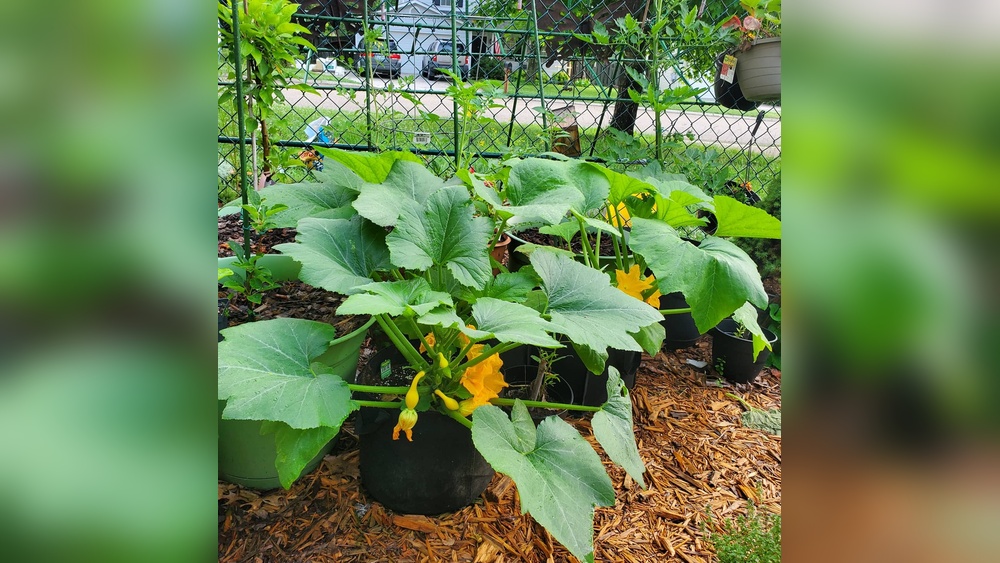
Are you ready to grow delicious zucchini right at home but unsure about the perfect grow bag size? Choosing the right grow bag can make all the difference in how healthy and productive your zucchini plants will be.
If your bag is too small, your plant might struggle; too large, and you could waste space and resources. You’ll discover the ideal grow bag size that gives your zucchini plenty of room to thrive, helping you enjoy a bountiful harvest with ease.
Choosing Grow Bag Size
Choosing the right grow bag size is key for healthy zucchini plants. Zucchini needs enough space for roots and leaves to develop well. Too small a bag limits growth and fruit production. The size also affects watering and nutrient needs. Proper sizing helps plants thrive and yields better harvests.
Understanding the ideal volume and dimensions helps pick the perfect grow bag. Avoid overcrowding to keep plants strong and disease-free. This section explains the best practices for selecting grow bag size for zucchini.
Ideal Volume For One Plant
A single zucchini plant needs about 5 gallons (19 liters) of soil. This volume supports its large root system. Enough soil means better nutrient and water retention. Plants in smaller bags may struggle and produce fewer fruits.
Effects Of Overcrowding
Planting multiple zucchini in one grow bag causes overcrowding. Roots compete for nutrients and water. Leaves become crowded, reducing airflow. This leads to stress and higher disease risk. Overcrowded plants usually yield less fruit and have weaker growth.
Recommended Dimensions
A grow bag around 12 to 15 inches deep and 16 inches wide suits one zucchini plant. Depth allows roots to grow downward freely. Width gives space for spreading roots and leaves. Choose bags with these dimensions for best results.
Soil And Drainage
Zucchini plants need the right soil and drainage to grow strong and healthy in grow bags. Good soil gives the plant nutrients and holds moisture. Drainage stops water from sitting too long, which can hurt roots. Both soil and drainage affect how well your zucchini will produce fruit.
Best Soil Mix For Zucchini
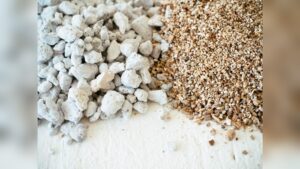
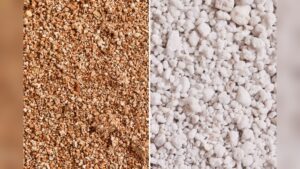
Use a light, fluffy soil mix for zucchini plants. A mix of compost, peat moss, and perlite works well. Compost adds nutrients for growth. Peat moss helps keep the soil moist but not wet. Perlite improves air flow and drainage. Avoid heavy or clay soils that hold too much water.
Make sure the soil is loose. This lets roots spread out easily. Roots need space to grow deep and wide. Healthy roots mean bigger zucchini fruits. Add some slow-release fertilizer to feed the plant over time.
Ensuring Proper Drainage
Drainage is key to prevent root rot and disease. Choose grow bags with many holes or slits at the bottom. These let excess water escape quickly. Check that the grow bag is not sitting in a tray full of water.
Place the grow bag on bricks or a stand to improve drainage. Water your zucchini evenly but do not flood the soil. Let the top inch of soil dry out between watering. Good drainage keeps roots healthy and zucchini growing strong.
Planting Techniques
Planting zucchini in grow bags requires simple but careful techniques. Proper planting ensures strong growth and good fruit production. Using the right method helps the plant thrive in limited space. Focus on seed choice, depth, and spacing for best results.
Seed Vs. Seedling
Starting zucchini from seeds is cost-effective and easy. Seeds sprout directly in the grow bag soil. This method lets roots grow undisturbed. Seedlings save time by giving plants a head start. Transplant seedlings once they have 2-3 leaves. Handle seedlings gently to avoid root damage. Choose healthy seedlings for better growth.
Planting Depth And Spacing
Plant seeds or seedlings about 1 inch deep. This depth protects seeds and allows quick sprouting. Space one zucchini plant per grow bag. A 5 to 10-gallon grow bag suits one plant well. Give roots plenty of room to spread. Crowding leads to weak plants and fewer zucchinis. Keep soil moist but not waterlogged for best growth.

Credit: www.reddit.com
Watering And Moisture
Maintaining proper watering and moisture levels is essential for growing healthy zucchini in grow bags. Zucchini plants need consistent moisture to thrive but dislike soggy soil. Managing water correctly helps avoid common problems like root rot or dry, stressed plants. Understanding how often to water and how to keep the soil moist can boost your zucchini’s growth and yield.
Watering Frequency
Zucchini plants in grow bags need regular watering. Water deeply to reach the entire root system. Usually, watering every one to two days works well, but hot weather may require daily watering. Check the soil surface; if it feels dry, it is time to water. Avoid letting the soil dry out completely between watering sessions. Consistent moisture helps zucchini grow strong and produce more fruit.
Mulching Benefits
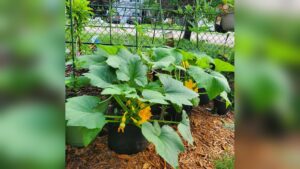
Mulching helps keep the soil moist longer by reducing evaporation. Apply a layer of organic mulch like straw, leaves, or grass clippings on top of the soil. Mulch also keeps the soil temperature stable and prevents weeds from growing. This means less water loss and fewer watering sessions. Mulching supports a healthy root environment and can improve your zucchini harvest.
Sunlight And Location
Zucchini plants need the right sunlight and location to grow well in grow bags. Choosing a good spot helps the plant produce healthy fruit. Sunlight is a key factor for zucchini growth. The location affects how much sun the plant receives each day. Both affect the size of the grow bag you should use.
Optimal Sunlight Hours
Zucchini plants thrive with at least six to eight hours of sunlight daily. Full sun helps the plant develop strong stems and large leaves. Without enough light, zucchini grows slowly and produces fewer fruits. Morning sun is best as it dries dew and reduces disease risk. Avoid shady spots that limit sunlight. A sunny location ensures your zucchini plant stays healthy and productive.
Placing Grow Bags Outdoors
Place grow bags in a spot with good air circulation and full sun. Avoid areas near tall trees or buildings that block light. The soil in grow bags warms faster in sunny locations, which helps roots grow. Move grow bags if shadows cover them during key sunlight hours. Secure the bags to prevent tipping in windy areas. Outdoor placement with ample sun boosts zucchini growth and fruit yield.
Nutrient Management
Nutrient management plays a key role in growing healthy zucchini in grow bags. Zucchini plants need a steady supply of nutrients to support their rapid growth and fruit production. Proper feeding ensures strong roots, lush leaves, and plentiful harvests. Managing nutrients well keeps plants from becoming weak or stressed.
Choosing the right fertilizer and following a feeding schedule helps maintain soil fertility. Nutrients in grow bags can wash away quickly with watering. Regular feeding replaces lost nutrients and supports continuous growth. Understanding fertilizer types and how often to feed zucchini will boost your success.
Fertilizer Types
Use balanced fertilizers with equal nitrogen, phosphorus, and potassium. These support leaf growth, root strength, and fruit development. Organic options like compost or fish emulsion improve soil health slowly. Synthetic fertilizers work fast but need careful use to avoid burning roots. Slow-release fertilizers feed plants steadily over time. Adding micronutrients like magnesium and calcium helps prevent common deficiencies.
Feeding Schedule
Feed zucchini every two weeks during the growing season. Start with a light dose after seedlings emerge. Increase feeding as plants develop flowers and fruit. Avoid overfeeding, which can cause leaf growth but fewer fruits. Water plants well before and after feeding to help nutrient absorption. Adjust feeding based on plant health and leaf color. Regular feeding keeps plants vibrant and productive in grow bags.
Supporting Growth
Zucchini plants need strong support to thrive in grow bags. Their large leaves and heavy fruit can weigh down the plant. Proper care helps prevent damage and encourages healthy growth.
Providing support also improves air circulation around the plant. This reduces the risk of diseases and keeps the plant healthy. It makes harvesting easier too.
Managing Large Leaves
Zucchini leaves can grow very large and spread wide. They may block sunlight from reaching lower parts of the plant. Regularly trim older or damaged leaves to improve light exposure. This helps the plant focus energy on fruit production.
Keep the area around the plant clear of fallen leaves. This prevents pests and diseases from settling near the plant. Use clean, sharp scissors for trimming to avoid harming the plant.
Using Stakes Or Trellises
Stakes and trellises keep zucchini plants upright. They support heavy branches and prevent fruit from touching the ground. This reduces rot and pest problems.
Place stakes early to avoid root damage later. Tie stems gently with soft ties to avoid cutting into them. Trellises save space by training the plant to grow vertically. This method works well in small gardens or patios.

Credit: www.youtube.com
Pest And Disease Control
Pest and disease control is crucial for healthy zucchini plants in grow bags. Pests and diseases can quickly damage the leaves, stems, and fruits. They reduce the yield and weaken the plant. Understanding common pests and taking preventive measures helps keep zucchini plants strong and productive.
Common Pests
Aphids often attack zucchini leaves, causing curling and yellowing. Squash bugs suck sap, leading to wilting and dead spots. Cucumber beetles chew holes in leaves and spread diseases. Spider mites create tiny webs and cause leaf discoloration. Whiteflies feed on plant juices and weaken growth.
Preventive Measures
Use insecticidal soap or neem oil to control pests naturally. Keep the grow bag area clean and free from debris. Remove damaged or infected leaves immediately. Water plants at the base to avoid wetting leaves. Rotate crops yearly to reduce pest buildup. Inspect plants regularly for early pest signs. Introducing beneficial insects like ladybugs can help control aphids.
Harvesting Tips
Harvesting zucchini from grow bags requires attention to timing and technique. Proper harvesting helps keep the plant healthy and encourages more fruit production. This section shares simple tips to get the best results from your zucchini plants.
Knowing when and how to pick zucchini can increase your yield and improve fruit quality. Follow these guidelines to enjoy fresh, tasty zucchini all season long.
When To Harvest
Check zucchini daily once flowers fall off. Pick fruits when they are 6 to 8 inches long. Smaller zucchini taste better and have tender skin. Avoid letting fruit grow too large or it becomes tough. Use a sharp knife or scissors to cut the stem cleanly.
Maximizing Yield
Harvest regularly to encourage new fruit growth. Remove any damaged or yellowing leaves. Keep soil moist but not soggy. Fertilize every two weeks with balanced fertilizer. Place grow bags in a sunny spot for best results. Prune excessive leaves to improve airflow and reduce disease risk.
Troubleshooting Growth Issues
Troubleshooting growth issues is crucial for healthy zucchini plants in grow bags. Zucchini may show signs of stress due to space limits, watering mistakes, or nutrient problems. Early detection helps save the plant and improves fruit yield.
Identifying Stress Signs
Leaves turning yellow or brown often signal stress. Wilting or drooping leaves indicate water problems. Small or no flowers suggest nutrient deficiencies. Slow growth points to root crowding. Check for pests like aphids or spider mites. Look under leaves and at stems for insects or damage.
Corrective Actions
Water zucchini deeply but less often to keep soil moist, not soggy. Use a grow bag of at least 10 gallons for one plant to allow roots room. Add balanced fertilizer to correct nutrient lack. Remove damaged leaves to prevent disease spread. Treat pests with mild insect soap or neem oil. Repot if roots become too crowded or soil quality drops.

Credit: www.youtube.com
Conclusion
Choosing the right grow bag size helps zucchini thrive and produce well. A grow bag of at least 5 gallons works best for one plant. This size gives roots plenty of space to grow strong and healthy. Avoid crowding multiple plants in one bag to prevent stress and diseases.
Water the plant regularly to keep soil moist but not soggy. With proper care and the right grow bag, you can enjoy fresh zucchini from your garden. Simple steps lead to a successful harvest.