What Size Grow Bag for Squash: Ultimate Guide for Perfect Growth

Are you ready to grow delicious squash right in your own space but unsure about the perfect grow bag size? Choosing the right grow bag is the first step to a healthy, productive squash plant.
Too small, and your squash might struggle to grow; too big, and you could waste space and resources. This guide will help you find the ideal grow bag size that fits your squash variety and growing conditions, so you get the best harvest possible.

Credit: www.youtube.com
Choosing Grow Bag Sizes
Choosing the right grow bag size is key to growing healthy squash plants. Squash needs enough space for roots to spread. This affects the plant’s growth and fruit production. Picking the right size helps keep the soil moist and roots healthy. It also makes it easier to move the bags if needed. Consider the type of squash and space available before buying.
Small Vs Large Bags
Small grow bags hold less soil and dry out faster. They suit small squash varieties or short growing seasons. Large bags hold more soil and keep moisture longer. They give roots plenty of room to grow strong. Large bags work well for bigger squash plants that need more space. Using a too-small bag can stunt growth and reduce yield. Choose a bag size that matches the plant’s needs.
Recommended Sizes For Squash Varieties
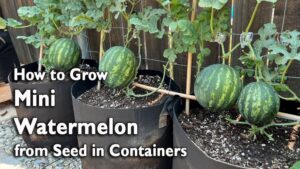
For summer squash, use grow bags of 10 to 15 gallons. These bags give enough room for roots and good drainage. For larger types like butternut or spaghetti squash, pick bags 20 gallons or larger. These sizes support bigger root systems and larger fruits. Always check the specific variety’s growth habit. Adjust bag size to fit the plant’s final size and space available.

Credit: www.reddit.com
Squash Types And Space Needs
Squash plants vary in size and growing habits. Choosing the right grow bag size depends on the squash type. Each type needs space for roots and vines to grow well. Understanding these needs helps in picking the best grow bag.
Squash plants need enough soil volume to support healthy growth. Smaller squash types require less space, while larger ones need more room. Proper space helps avoid root crowding and improves yield.
Summer Squash Requirements
Summer squash plants are usually smaller and bushy. They grow quickly and produce fruit throughout the season. A grow bag of 10 to 15 gallons is enough for one summer squash plant. This size provides space for roots to spread and access nutrients. Keep the grow bag in a sunny spot and water regularly for best results.
Winter Squash Requirements
Winter squash plants are larger and vine more extensively. They need more space for roots and sprawling vines. Use a grow bag of at least 20 gallons for one winter squash plant. This size supports strong root growth and fruit development. Provide a trellis or support to keep vines off the ground. Proper spacing helps prevent diseases and improves airflow around the plant.
Soil And Drainage Considerations
Choosing the right soil and drainage setup is essential for growing healthy squash in grow bags. Squash plants need soil that holds moisture but drains well. Poor drainage can cause water to pool, leading to root rot and other problems. The soil mix should provide enough nutrients and stay loose to allow roots to grow freely. Proper drainage helps prevent overwatering and keeps the roots oxygenated. These factors impact squash growth and yield significantly.
Best Soil Mix For Grow Bags
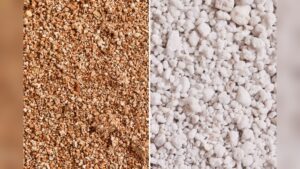
Use a soil mix rich in organic matter for squash grow bags. A good mix includes compost, peat moss, and coconut coir. These materials retain moisture and improve soil texture. Add some perlite or vermiculite to increase aeration and drainage. Avoid heavy clay soils that stay wet too long. The soil should be light and fluffy, allowing roots to spread easily. Fertilize the mix with balanced slow-release fertilizer to feed the plants over time.
Ensuring Proper Drainage
Drainage holes at the bottom of the grow bag are crucial. They let excess water escape and prevent waterlogging. Check that the grow bag material allows air flow to the roots. Place the grow bag on a raised surface to help water drain freely. Avoid letting water sit under the bag for long periods. Use a layer of small stones or coarse sand at the bottom if needed. These steps keep squash roots healthy and support strong plant growth.
Planting Techniques In Grow Bags
Planting squash in grow bags requires special care. The right techniques help plants grow strong and healthy. Using grow bags allows better control over soil and watering. It also reduces pests and diseases. Follow these simple planting steps to get good results with your squash.
Seed Starting Tips
Choose quality seeds for better growth. Fill your grow bag with loose, well-draining soil. Plant seeds about 1 inch deep. Water gently but thoroughly after planting. Keep the soil moist but not soggy. Place the grow bag where it gets 6 to 8 hours of sunlight. Maintain a warm temperature for faster germination. Thin seedlings if they crowd each other. This helps strong plants develop.
Transplanting Seedlings
Prepare a larger grow bag with fresh soil. Water seedlings well before transplanting. Make a hole in the new grow bag soil. Gently lift seedlings without damaging roots. Place each seedling in its new hole. Cover roots with soil and press lightly. Water the plants right after transplanting. Keep them in a shaded spot for a few days. This reduces transplant shock and helps them settle.
Watering And Fertilizing
Proper watering and fertilizing play a key role in growing squash in grow bags. These plants need steady moisture and nutrients to thrive. Grow bags dry out faster than garden soil, so careful care is important. Understanding how often to water and which fertilizers to choose helps your squash produce healthy fruits and leaves.
Watering Frequency
Squash plants need regular watering to keep the soil moist. Water the grow bag deeply at least once a day during hot weather. Early morning is the best time to water. Check the top inch of soil. If it feels dry, it is time to water again. Avoid letting the soil dry out completely. Overwatering can cause root rot, so ensure the grow bag drains well.
Choosing Fertilizers
Squash benefits from balanced fertilizers with nitrogen, phosphorus, and potassium. Use a slow-release fertilizer at planting time. Feed the plant every two weeks with a liquid fertilizer high in potassium to support fruit growth. Organic options like compost tea or fish emulsion work well. Avoid excess nitrogen, which can cause too many leaves and fewer fruits.

Credit: www.reddit.com
Supporting Squash Growth
Supporting squash growth is key for a healthy harvest. Squash plants need space and structure to thrive. Using the right supports helps keep the plants strong and productive.
Proper support also saves space in your garden or grow bag. It prevents squash vines from sprawling too much. This reduces disease risk and makes harvesting easier.
Using Trellises And Supports
Trellises give squash vines a place to climb. This keeps fruits off the ground and cleaner. Vertical growth improves air circulation around the plant. It also helps sunlight reach all parts of the squash.
Choose a sturdy trellis that fits your grow bag size. Attach vines gently using soft ties. Check the ties often to avoid damage as the plant grows. Supports reduce stress on the plant and encourage bigger fruits.
Managing Vine Spread
Squash vines can spread widely if left unchecked. Manage their growth by pruning excess leaves and runners. This directs energy to fruit production instead of excess foliage.
Trim vines that grow outside the grow bag area. This keeps the plant tidy and prevents crowding. Regular pruning also reduces pest hiding spots. Controlled vine spread helps maintain plant health and fruit quality.
Troubleshooting Common Issues
Grow bags provide a flexible way to grow squash at home. Yet, growers face common problems that can affect plant health and yield. Understanding these issues helps maintain strong plants and fruitful harvests. Troubleshooting early keeps your squash thriving and your grow bag effective.
Pest Control In Grow Bags
Pests like aphids and squash bugs can attack squash leaves and stems. Monitor plants daily for small insects or eggs. Use insecticidal soap or neem oil spray to control pests safely. Avoid harsh chemicals that can harm beneficial insects. Remove damaged leaves to reduce pest hiding spots. Keep the area around grow bags clean to prevent infestations.
Preventing Root Problems
Roots need space and good air flow to grow well in grow bags. Overwatering causes root rot and weak plants. Water only when the soil surface feels dry. Choose a grow bag size with at least 10-15 gallons capacity for squash. This size supports root expansion and nutrient uptake. Use well-draining soil to avoid water buildup. Lift the grow bag occasionally to check root health.
Maximizing Yield In Containers
Growing squash in containers can be very rewarding. Maximizing yield means giving your plants the best conditions. A good grow bag size supports healthy roots and strong plants. Proper care helps squash produce more fruits in limited space.
Optimizing Light Exposure
Squash needs full sun to grow well. Place your grow bag where it gets at least six hours of sunlight daily. Rotate the bag occasionally to ensure all sides get light. Avoid shaded spots that reduce growth and fruiting. Bright light helps plants stay healthy and produce larger squash.
Pruning For Better Growth
Pruning squash plants improves air flow and light reach. Remove yellow or damaged leaves regularly. Trim excess vines to focus energy on fruit production. Cutting back helps plants avoid crowding and disease. Pruning encourages bigger, healthier squash in your container garden.
Conclusion
Choosing the right grow bag size helps squash plants thrive well. A grow bag with at least 10 to 15 gallons holds enough soil for roots. This space allows squash to grow healthy and produce plenty of fruit. Remember to water regularly and provide good sunlight.
Using the correct grow bag size makes growing squash easier and more rewarding. Happy gardening!