Which Plants Like Self Watering Pots: Top Easy-Care Choices
Are you tired of constantly checking if your plants need water? Self-watering pots can be a game-changer, making plant care easier and more reliable.
But here’s the catch: not all plants enjoy living in these pots. If you want your greenery to thrive without the hassle of daily watering, you need to know which plants truly love self-watering pots—and which ones don’t. You’ll discover the best plants that flourish with consistent moisture, helping you create a lush, healthy indoor garden with less stress.
Ready to find out if your favorite plants are a perfect match for self-watering pots? Keep reading!

Credit: www.youtube.com
Benefits Of Self-watering Pots
Self-watering pots offer many advantages for plant lovers. These pots help maintain the right moisture level for plants. They work well for those who want healthy plants with less effort. Using these pots can improve plant growth and reduce daily care tasks.
Consistent Moisture Supply
Self-watering pots provide a steady supply of water to plants. The water reservoir releases moisture slowly. This prevents plants from drying out quickly. Consistent moisture helps plants grow stronger and stay healthy. It is especially useful for plants that need regular watering.
Reduced Watering Frequency
These pots reduce how often you need to water plants. The water reservoir stores enough water for several days. This means fewer trips to the garden or windowsill. It saves time and effort, making plant care easier. Perfect for busy people or frequent travelers.
Healthier Root Systems
Self-watering pots encourage roots to grow deeper. Roots reach down to find water in the reservoir. This prevents root rot by keeping roots out of standing water. Healthy roots absorb nutrients better, improving overall plant health. Strong roots support bigger, greener plants.
Best Plants For Self-watering Pots
Self-watering pots keep soil moist by providing water from the bottom. They suit plants that like consistent moisture without waterlogging. Choosing the right plants makes care easier and helps them thrive. Here are some of the best plants for self-watering pots.
Golden Pothos
Golden Pothos adapts well to self-watering pots. It enjoys moist soil but does not like to sit in water. This plant grows fast and brightens indoor spaces. It needs little attention and thrives with steady water supply.
Peace Lily
Peace Lily loves consistent moisture. Self-watering pots help keep its soil damp without overwatering. It blooms beautiful white flowers and filters indoor air. This plant prefers indirect light and regular watering.
Spider Plant
Spider Plant grows well in self-watering pots. It likes moist soil but can tolerate brief drying. It produces long green leaves with white stripes. This plant is easy to care for and purifies the air.
Basil And Mint
Basil and Mint thrive in self-watering containers. These herbs need regular moisture for fresh leaves. Self-watering pots provide steady hydration that encourages healthy growth. They do best in bright, indirect sunlight.
Cherry Tomatoes And Leafy Greens
Cherry Tomatoes and Leafy Greens enjoy constant moisture. Self-watering pots keep soil evenly damp for better yield. These plants need good light and warmth to produce fruit and leaves. They suit kitchen gardens or patios.
African Violet
African Violet prefers moist but not soggy soil. Self-watering pots supply water from below, avoiding leaf wetness. This plant produces colorful blooms and stays compact. It thrives in moderate light and steady moisture.
Boston Fern
Boston Fern loves high humidity and moist soil. Self-watering pots keep its roots hydrated without waterlogging. This fern adds lush greenery and soft texture indoors. It prefers indirect light and regular watering.
Moisture-loving Tropical Plants
Moisture-loving tropical plants thrive in environments where water is consistently available. These plants enjoy damp soil and high humidity, making self-watering pots an excellent choice. Self-watering pots keep the soil evenly moist, preventing drying out and stress. Tropical plants often struggle with irregular watering, so these pots help maintain steady moisture levels. They also reduce the risk of overwatering, which can cause root rot. This balance supports healthy growth and vibrant leaves.
Ideal Soil Conditions
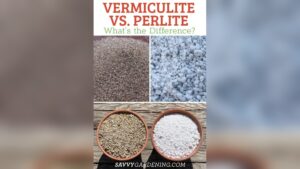
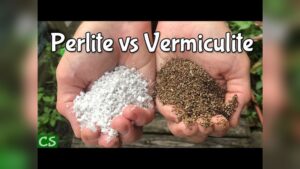
Tropical plants need soil that holds moisture well but drains excess water. A mix of peat moss, coco coir, and perlite works best. Peat moss retains water and nutrients, while perlite improves drainage and airflow. This mix prevents waterlogging and root rot. The soil should be light and airy to allow roots to breathe. Regular checks ensure the soil stays moist but not soggy. Self-watering pots supply water from the bottom, keeping the soil consistently damp.
Popular Tropical Varieties
Several tropical plants flourish in self-watering pots due to their moisture needs. The Peace Lily (Spathiphyllum) loves constant moisture and bright, indirect light. Boston Fern (Nephrolepis exaltata) thrives with steady humidity and moist soil. The Calathea family prefers even moisture and shaded spots. Anthuriums enjoy damp soil and warm temperatures. These plants show lush, green leaves and vibrant blooms when watered well. Self-watering pots simplify care for these tropical favorites.
Vegetables Suited For Self-watering Pots
Self-watering pots help keep soil moist for longer periods. This makes them ideal for many vegetables that need steady water. These pots reduce the risk of overwatering and under-watering. Vegetables that like consistent moisture thrive in these containers. They grow well and produce healthy fruits and leaves.
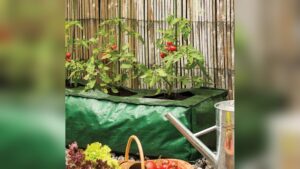
Cherry Tomatoes
Cherry tomatoes love steady moisture. Self-watering pots provide water from the bottom up. This keeps roots hydrated without waterlogging. These pots help reduce leaf diseases caused by wet foliage. Cherry tomatoes grow juicy and flavorful with even watering. They also need good sunlight and support to climb.
Leafy Greens
Leafy greens like spinach, lettuce, and kale grow fast. They need constant moisture to stay tender and fresh. Self-watering pots keep the soil damp, which helps leaves stay crisp. These greens do not tolerate dry soil well. Growing them in self-watering pots cuts down watering chores. It also helps prevent bolting in warm weather.
Herbs That Thrive
Many herbs enjoy self-watering pots, especially basil, mint, and parsley. These herbs need regular moisture but not soggy soil. Self-watering pots provide just the right amount of water. This boosts herb growth and flavor. Herbs in these pots stay lush longer and require less care. They are perfect for kitchens or small patios.
Plants To Avoid In Self-watering Pots
Self-watering pots keep soil moist for a long time. Some plants do not like constant wet roots. These plants can suffer from root rot or other problems. Avoid putting such plants in self-watering pots to keep them healthy. Below are some common plants that do not suit self-watering pots.
Cacti And Succulents
Cacti and succulents need dry soil between waterings. They store water in their leaves and stems. Too much water causes root rot quickly. Self-watering pots keep soil wet too long. This is harmful for these plants. They grow better in pots that dry out fast.
Lavender And Drought-tolerant Herbs
Lavender and some herbs like rosemary prefer dry soil. These plants do not like wet roots. Constant moisture makes their roots weak and prone to rot. Self-watering pots hold water at the bottom. This keeps soil damp too long for these herbs. Use well-draining pots instead.
Snake Plants And Zz Plants
Snake plants and ZZ plants prefer drier soil conditions. They are tough but dislike soggy roots. Self-watering pots keep soil moist for too long. This can cause yellowing leaves and root problems. These plants do best in regular pots with good drainage.
Orchids And Air Plants
Orchids and air plants need airflow around their roots. They grow in airy, well-draining mediums. Self-watering pots keep roots wet and reduce airflow. This can cause root rot and fungal issues. Use special orchid pots or hang air plants instead.
Hoya And Similar Varieties
Hoya plants prefer soil that dries out between waterings. They do not like constant wet roots. Self-watering pots keep soil moist for a long time. This can harm Hoyas and cause root rot. Use pots with drainage holes and water only when soil feels dry.

Credit: www.reddit.com
Plants That May Struggle
Self-watering pots provide a steady water supply from the bottom. This system suits many plants well. Still, some plants may struggle with constant moisture levels. These plants have specific watering needs or root systems that do not adapt easily to self-watering pots. Understanding which plants may face challenges helps you avoid common growing problems.
Ferns With Specific Moisture Needs
Ferns often prefer moist but well-drained soil. Some fern types need air around their roots. Constant wet soil in self-watering pots can cause root rot. Boston ferns may tolerate these pots better than others. However, delicate ferns like maidenhair need drier periods to thrive. Overly wet conditions stress these ferns and slow growth. Watch moisture levels closely if you try ferns in self-watering pots.
Shallow-rooted Plants
Plants with shallow roots often dislike sitting in water. Their roots can stay too wet in self-watering pots. This causes root rot and poor oxygen flow. Examples include some herbs and small flowering plants. They prefer quick-draining soil and less constant moisture. Shallow-rooted plants need careful watering and pot choice. Self-watering pots may not provide the right balance for these plants.
Tips For Using Self-watering Pots
Using self-watering pots can simplify plant care. These pots provide steady moisture to the roots. This system helps plants grow healthier with less frequent watering. To get the best results, follow some simple tips. These tips cover plant choice, soil moisture, and problem prevention.
Choosing The Right Plants
Pick plants that like consistent moisture. Tropical plants, herbs like basil and mint, and leafy greens do well. Peace lilies and spider plants also thrive in self-watering pots. Avoid plants that need dry soil. Cacti, succulents, and lavender are not good choices. They can suffer root rot if soil stays too wet.
Managing Soil Moisture
Check the soil regularly to avoid overwatering. The reservoir should provide water without flooding the roots. Use well-draining soil to keep roots healthy. Fill the water tank as needed, but do not let water sit too long. Let the topsoil dry a bit between water refills to prevent mold.
Avoiding Common Problems
Watch for signs of root rot like yellow leaves or soft stems. Clean pots and reservoirs to stop algae and bacteria growth. Avoid placing pots in direct, harsh sunlight to reduce evaporation. Use fertilizer carefully, since nutrients wash out faster in these pots. Adjust watering based on plant needs and environment changes.
Comparing Self-watering Pot Types
Self-watering pots come in different designs that affect how plants receive water. Choosing the right type helps plants grow healthy with less effort. Understanding each system’s features aids in picking the best pot for your plants.
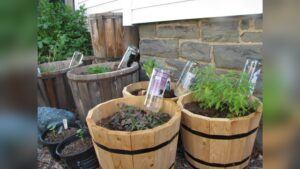
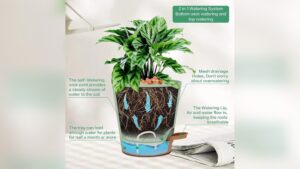
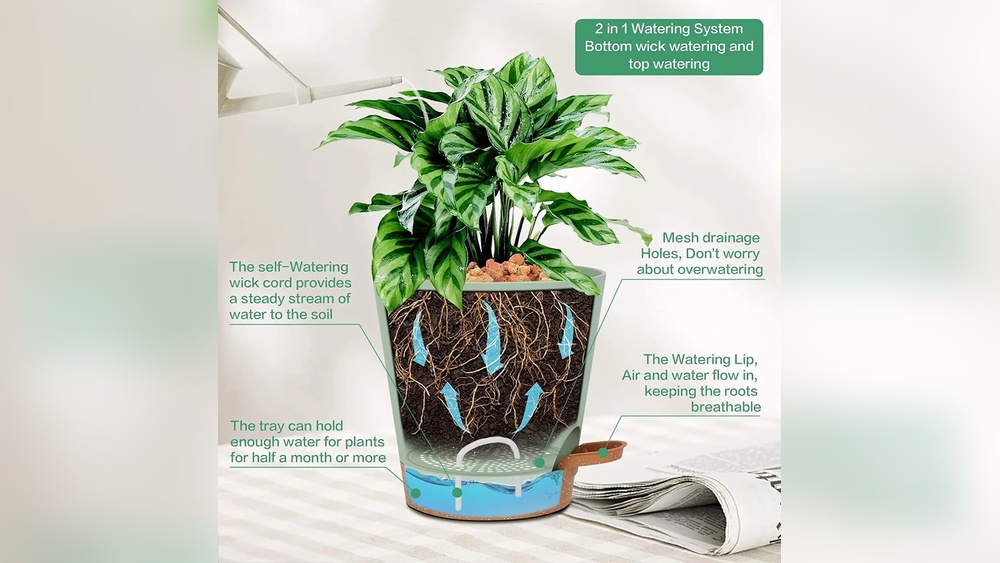
Some pots use simple methods like wicks to draw water up. Others have built-in reservoirs that store water and release it slowly. Each type suits different plant needs and care routines.
Wick Systems
Wick systems use a fabric or rope to pull water from a container below. The wick delivers moisture directly to the soil. This method provides a steady but moderate water flow.
Wick systems work well for small to medium plants. They require refilling the water container regularly. These pots are lightweight and easy to move.
Reservoir Designs
Reservoir designs have a built-in water tank at the bottom of the pot. Water rises through holes or channels to reach the roots. This system holds more water than wick pots.
Reservoir pots reduce watering frequency. They keep soil moist for longer periods. Many have indicators to show water levels for easy care.
Best Uses For Each Type
Wick systems suit plants that prefer consistent but moderate moisture. Herbs like basil or mint grow well in these pots. They also fit indoor spaces with limited light.
Reservoir designs fit moisture-loving plants needing steady hydration. Tropical plants and vegetables like tomatoes thrive here. These pots work well for busy gardeners or outdoor use.

Credit: www.livelyroot.com
Frequently Asked Questions
What Plants Are Best For Self-watering Pots?
Golden Pothos, Peace Lily, Spider Plant, Basil, Mint, Cherry Tomatoes, African Violet, and Boston Fern thrive in self-watering pots. These plants enjoy consistent moisture without waterlogging. Avoid cacti, succulents, lavender, snake plants, and orchids, as they prefer dry soil and risk root rot in such pots.
What Plants Do Not Like Self-watering Pots?
Plants that dislike self-watering pots include cacti, succulents, lavender, snake plants, ZZ plants, orchids, air plants, and hoya. These plants need dry soil and suffer from constant moisture. Avoid self-watering pots for shallow-rooted plants and those prone to root rot.
Are Self-watering Pots Good For All Plants?
Self-watering pots suit moisture-loving plants like pothos, peace lilies, and herbs. Avoid cacti, succulents, orchids, and plants needing dry soil. These pots provide consistent moisture but may cause root rot in drought-tolerant species. Choose plants that thrive in evenly damp conditions for best results.
What Are The Drawbacks Of Self-watering Pots?
Self-watering pots can cause root rot in plants needing dry soil. They may overwater shallow-rooted plants. Some plants struggle with inconsistent moisture levels. These pots require monitoring to prevent waterlogging and mold growth. Not ideal for cacti, succulents, or drought-tolerant herbs.
Conclusion
Self-watering pots suit plants that love steady moisture. Tropical plants, herbs like basil, and leafy greens grow well. Avoid plants needing dry soil, such as cacti and succulents. These pots keep soil damp, not wet. Choose plants that enjoy consistent hydration for best results.
Self-watering pots reduce watering chores and help plants thrive. Use them wisely to keep your garden healthy and happy.