Which Plants Like Bottom Watering: Top Tips for Thriving Greens
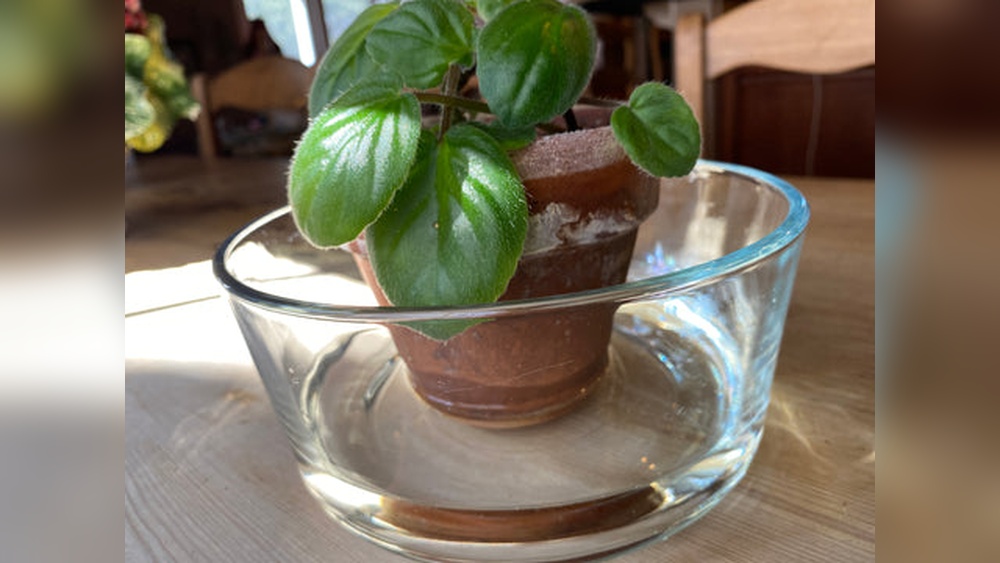
Are you tired of watering your plants only to see them struggle with soggy leaves or root rot? Bottom watering might be the game-changer your green friends need.
This method lets your plants drink from the roots up, keeping their leaves dry and reducing the risk of fungal problems. But which plants actually thrive with bottom watering? If you want to give your plants the best care and avoid common watering mistakes, keep reading.
We’ll uncover the types of plants that love bottom watering and share simple tips to help you master this technique for healthier, happier plants. Your plants will thank you!
Plants Suited For Bottom Watering
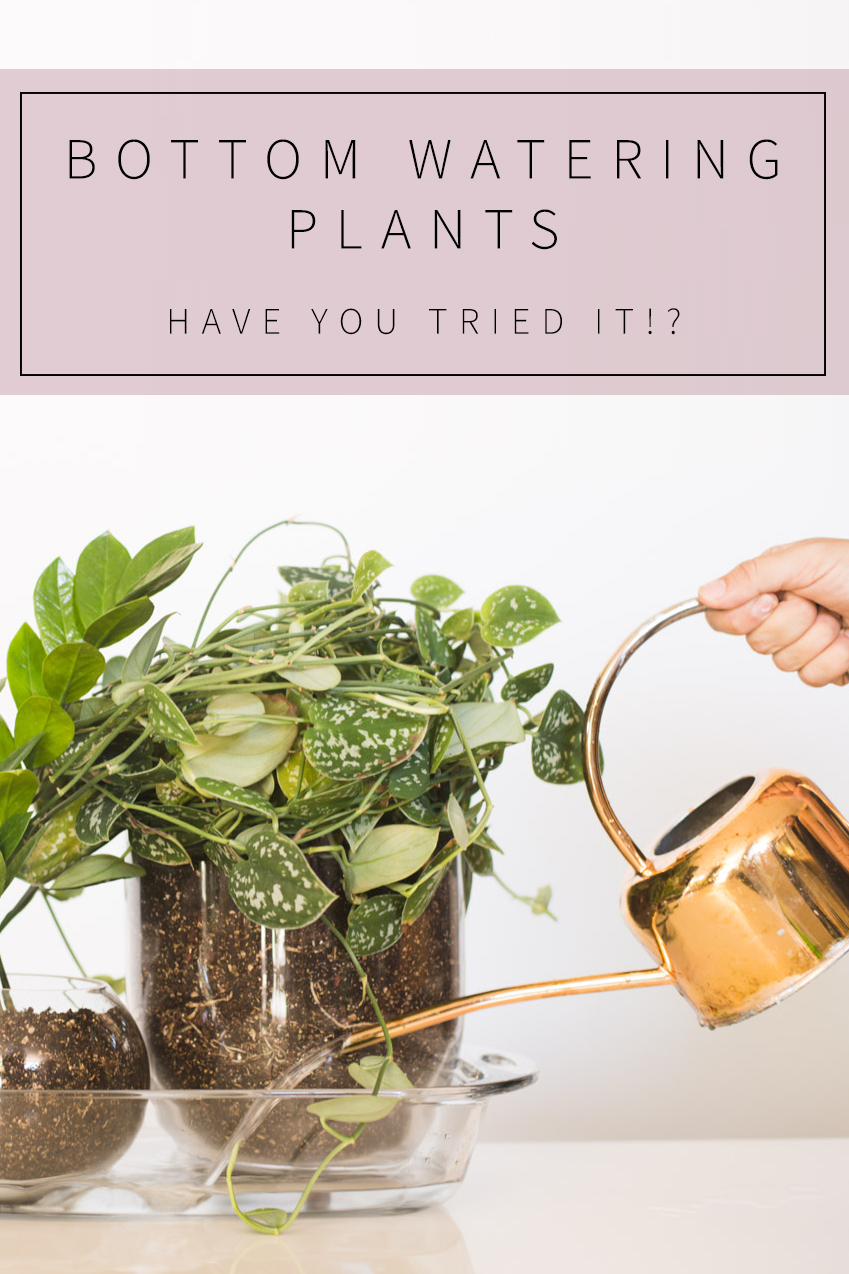
Bottom watering is a gentle and effective method for many plants. It lets water soak up through the soil from the pot’s base. This way, leaves stay dry, reducing disease risk. Some plants especially like this technique due to their watering needs or leaf structure. Understanding which plants thrive with bottom watering helps keep them healthy and vibrant.
Succulents And Root Rot Prevention
Succulents store water in their leaves and stems. Overwatering can easily cause root rot in these plants. Bottom watering helps avoid wetting the leaves, which can lead to fungus. Watering from below lets roots absorb moisture slowly. This method keeps the soil moist but not soaked. Succulents benefit by having strong roots and less risk of rot.
African Violets And Leaf Sensitivity
African violets have delicate leaves that can spot easily. Water on their leaves can cause brown marks or rot. Bottom watering keeps the leaves dry and healthy. The plant draws water up as it needs. This method prevents water damage and promotes blooming. It is a perfect choice for these sensitive plants.
Other Ideal Plant Types
Many other plants enjoy bottom watering too. Herbs like basil and mint absorb water well from the base. Some ferns and peace lilies prefer soil that stays evenly moist. Plants with hairy or fuzzy leaves also avoid leaf damage this way. Bottom watering suits plants sensitive to water on their leaves or roots.
Credit: vintagerevivals.com
Plants That Prefer Top Watering
Some plants do not respond well to bottom watering. These plants prefer water applied directly to the soil surface. Top watering helps avoid issues like root rot and fungal growth on delicate roots or leaves.
Top watering also suits plants with specific root structures and leaf types. Water reaches shallow roots effectively and keeps sensitive leaves dry. Understanding which plants prefer top watering helps maintain their health and growth.
Shallow-rooted Plants
Shallow-rooted plants need water near the surface. Their roots do not grow deep into the soil. Watering from the top ensures moisture reaches all roots. Begonias and sedums are common examples. They absorb water quickly from the upper soil layers. Bottom watering may leave their roots dry and stressed. Top watering also prevents water from pooling at the base.
Epiphytes Like Ferns And Orchids
Epiphytes grow on other plants or objects, not in soil. Ferns and orchids have roots adapted to absorb moisture from air. These roots can rot if kept too wet. Top watering mimics natural rain and dew. It wets roots and leaves without over-saturating soil. Spraying or pouring water over epiphytes works best. This method keeps roots healthy and prevents fungal problems.
How To Bottom Water Correctly
Bottom watering is a gentle and effective way to hydrate plants. It allows water to soak up from the pot’s base, encouraging roots to grow deeper. Doing it correctly ensures plants get enough moisture without risk of overwatering. Follow these simple steps to water your plants from the bottom the right way.
Duration For Soaking Pots
Fill a shallow tray with water. Place the pot in the tray so the bottom is submerged. Let it soak for 10 to 30 minutes. The exact time depends on pot size and soil type. Stop soaking once the soil surface looks moist. Avoid leaving pots in water too long to prevent root problems.
Frequency Of Watering
Check soil moisture before watering again. Most plants need bottom watering once a week. Some may require less or more based on climate and plant type. Let the topsoil dry slightly between waterings. Overwatering can harm roots even with bottom watering. Adjust frequency to keep soil evenly moist.
Drainage Importance
Good drainage is essential for bottom watering. Make sure pots have drainage holes at the bottom. Excess water must escape to avoid waterlogging. Use well-draining soil to help water flow freely. Without proper drainage, roots can sit in water and rot. Always empty any leftover water from trays after watering.
Risks Of Overwatering
Overwatering poses serious risks to plants, even with bottom watering. Excess water can harm roots and stunt growth. Understanding these dangers helps keep plants healthy and thriving.
Soaking Too Long
Leaving pots in water for a long time causes soil saturation. Roots stay wet and begin to rot. Oxygen cannot reach root cells. This leads to weak, unhealthy plants.
Watering Too Frequently
Watering too often keeps soil constantly wet. Roots do not get a chance to breathe. This creates a breeding ground for harmful fungi. Plants become stressed and may die.
Poor Drainage Effects
Pots without good drainage trap water inside. Excess moisture builds up around roots. This encourages root rot and fungal infections. Always use containers with proper drainage holes.
Preventing Overwatering Issues
Overwatering is a common problem for many gardeners using bottom watering. Even though this method helps avoid wetting leaves, it can still cause root issues if done improperly. Preventing water buildup and ensuring the soil dries out enough are key steps to keep plants healthy. Proper care helps roots get air and prevents rot.
Draining Excess Water
After bottom watering, remove the plant from the water tray. Let excess water drain completely. Standing water can drown roots and cause rot. Use pots with drainage holes to allow water to escape easily. Good drainage protects roots and keeps soil balanced.
Checking Soil Moisture Levels
Check soil moisture before watering again. Stick your finger about an inch deep into the soil. If it feels dry, the plant needs water. If it is still moist, wait a few days. Avoid watering on a fixed schedule. Let the soil guide you.
Understanding Plant Water Needs
Different plants need different amounts of water. Succulents and cacti like less water. Tropical plants often need more. Learn each plant’s needs for best results. Adjust watering frequency based on the season and indoor climate.
Periodic Flushing For Soil Health
Flush the soil once in a while to remove salt buildup. Use clean water to flush excess minerals from fertilizers. This keeps soil fresh and healthy. Flushing prevents blocked roots and nutrient imbalances that harm plants.
Credit: www.reddit.com
Tools And Techniques For Bottom Watering
Bottom watering is a gentle and effective way to hydrate plants. It delivers water directly to the roots, avoiding wet leaves and reducing the risk of fungal diseases. Using the right tools and techniques makes bottom watering easier and more efficient.
This section covers simple tools and methods to help you water plants from below. Learn how to use saucers, choose the best pots, and keep roots healthy for thriving plants.
Using Saucers And Trays
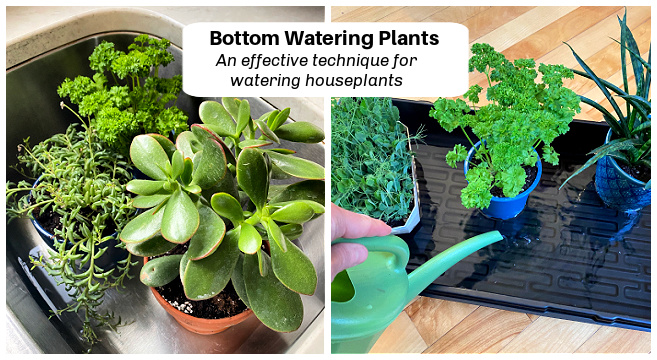
Saucers and trays hold water beneath the pot. Place your plant’s pot in the saucer or tray filled with water. The soil soaks up moisture through drainage holes.
Check water level regularly to prevent overwatering. Remove excess water after 15 to 30 minutes to keep roots healthy. These tools work well for small to medium pots and make watering less messy.
Best Pot Types For Bottom Watering
Pots with drainage holes are essential for bottom watering. Terracotta and unglazed ceramic pots are ideal. They absorb excess moisture and allow air flow.
Plastic pots also work but may retain more water. Avoid pots without drainage holes as they can cause root rot. Self-watering pots are specially designed for bottom watering and simplify the process.
Tips For Maintaining Healthy Roots
Use fresh water to avoid salt buildup in soil. Water plants only when the top inch of soil feels dry. Avoid leaving pots sitting in water for too long.
Inspect roots occasionally. Healthy roots look white and firm. Remove dead or mushy roots to prevent disease. Bottom watering encourages strong roots and reduces leaf damage.
Credit: savvygardening.com
Frequently Asked Questions
What Plants Do Well With Bottom Watering?
Succulents, African violets, and plants prone to root rot thrive with bottom watering. It prevents leaf damage and encourages healthy roots.
How Long Do You Leave Plants In Water When Bottom Watering?
Leave plants in water for 10 to 30 minutes during bottom watering. Remove once the soil surface feels moist.
Which Plants Don’t Like Bottom Watering?
Shallow-rooted plants like begonias and sedums dislike bottom watering. Epiphytes such as ferns and orchids also prefer top watering instead.
Can You Overwater Plants By Bottom Watering?
Yes, you can overwater plants by bottom watering if you leave pots too long in water or water too often. Ensure proper drainage and let soil dry between waterings to prevent root rot.
Conclusion
Plants that like bottom watering thrive with less risk of root rot. Succulents and African Violets benefit most from this gentle method. Bottom watering keeps leaves dry and helps roots grow strong. Avoid overwatering by letting soil dry between sessions.
Not all plants prefer this; shallow-rooted types may need top watering. Use bottom watering wisely to keep your plants healthy and happy. Simple care goes a long way in gardening success.