Which is Better Perlite Or Vermiculite: Ultimate Growing Medium Showdown
Are you trying to choose between perlite and vermiculite for your garden or plants? It can be confusing because both look similar and promise to improve your soil.
But which one is actually better for your needs? Understanding the difference can make a big impact on how well your plants grow. You’ll discover the key benefits and uses of perlite and vermiculite, so you can make the best choice and help your plants thrive like never before.
:max_bytes(150000):strip_icc()/SPR-vermiculite-vs-perlite-6455754-hero-1a2d3e14e0584fbaa4a990ebef1d494b.jpg)
Credit: www.thespruce.com
Perlite Basics
Perlite is a popular material in gardening. It helps improve soil and plant growth. Understanding perlite basics is key to using it well.
Its unique qualities make it a favorite for many gardeners. Let’s explore what perlite is, its properties, and how it helps plants thrive.
What Is Perlite
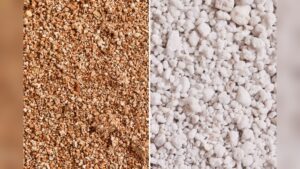
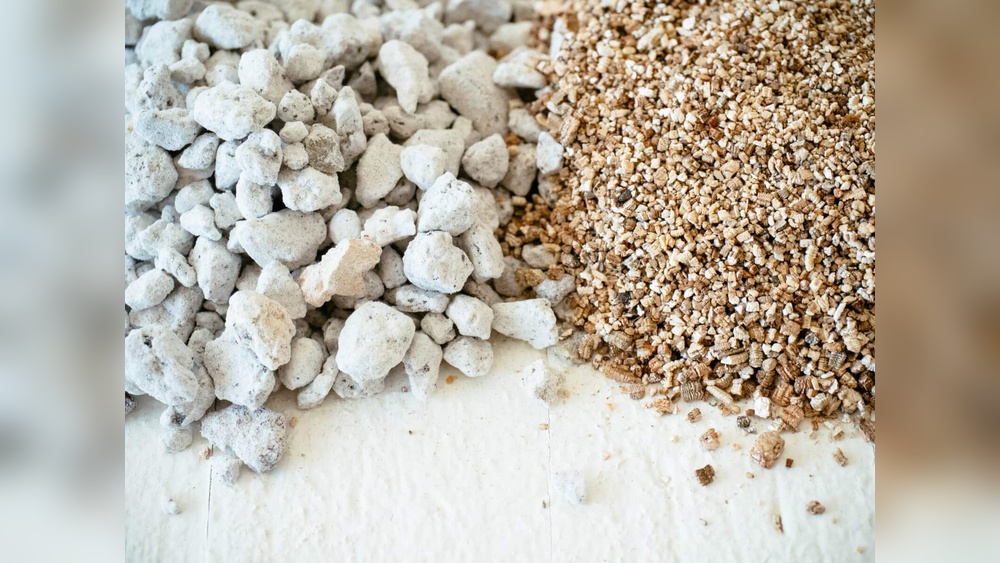
Perlite is a natural volcanic glass. It expands when heated to a high temperature. This process creates small, lightweight white particles. These particles look like tiny white beads. They are porous and absorb water well. Perlite is sterile and free from harmful organisms. This makes it safe for gardening use.
Properties And Benefits
Perlite holds water and air at the same time. This helps plant roots get oxygen and moisture. It improves soil drainage and prevents waterlogging. Perlite is lightweight and easy to mix with soil. It does not break down or decay over time. This means it lasts long in the soil. Perlite also keeps soil loose and airy. It helps roots grow strong and healthy.
Common Uses In Gardening
Gardeners use perlite to improve potting mixes. It helps seeds sprout by keeping soil light. Perlite is great for container plants and hanging baskets. It prevents soil from becoming too compact. It is also used in hydroponic systems. Perlite supports roots while keeping water balanced. Many use it to improve soil aeration in gardens. It works well for indoor and outdoor plants.

Credit: www.youtube.com
Vermiculite Essentials
Understanding vermiculite is key to choosing the right soil additive. It helps plants grow by improving soil quality and water retention. This section breaks down the basics of vermiculite and what makes it useful.
What Is Vermiculite
Vermiculite is a natural mineral that expands when heated. It looks like small, shiny flakes. These flakes hold water and air, helping soil stay moist and loose.
Key Characteristics
Vermiculite absorbs water well and holds nutrients. It keeps soil light and airy, allowing roots to breathe. It also helps with temperature control in the soil. This makes it a good choice for many plants.
Typical Applications
Gardeners mix vermiculite into potting soil for better moisture retention. It helps seedlings grow strong by keeping soil soft. Vermiculite also works in seed starting and transplanting. Some use it in hydroponics and as insulation in construction.
Water Retention Comparison
Water retention plays a key role in choosing between perlite and vermiculite. Both materials help soil hold moisture, but they do it differently. Understanding their water retention abilities can help plants grow better. Let’s explore how each one handles water and affects plant health.
How Perlite Holds Water
Perlite is a lightweight volcanic glass. It has many tiny holes that trap air. It holds some water but mostly keeps soil airy. This helps roots get oxygen easily. Perlite drains water fast, so it does not stay wet long. It works well for plants needing good drainage.
Vermiculite’s Moisture Capacity
Vermiculite is a mineral that expands when heated. It can absorb and hold a lot of water. This makes soil moist for longer times. Vermiculite also holds nutrients well. It releases water slowly to plant roots. It suits plants that like steady moisture.
Impact On Plant Growth
Perlite helps prevent root rot by improving drainage. Plants grow strong roots with good air flow. Vermiculite keeps soil wet, which helps seeds sprout faster. It supports plants that need constant water. Choosing between them depends on plant type and watering habits.
Aeration And Drainage
Aeration and drainage are key for healthy plant growth. They help roots get oxygen and avoid water buildup. Good soil structure lets air move freely. It also lets extra water drain well. Perlite and vermiculite both change soil texture. Each affects air and water differently. Understanding these differences helps pick the best option for your plants.
Perlite’s Role In Soil Aeration
Perlite is a lightweight, porous material. It creates many air pockets in the soil. These pockets improve oxygen flow to roots. This makes soil less dense and compacted. Roots can grow easily with more air space. Perlite helps soil stay loose and airy. It is great for plants that need well-aerated soil.
Vermiculite’s Effect On Drainage
Vermiculite absorbs and holds water well. It releases moisture slowly to plant roots. This helps keep soil moist but not soggy. Vermiculite improves soil texture by making it soft. It does not drain water as fast as perlite. It suits plants that like steady moisture. It prevents soil from drying out too quickly.
Which Supports Roots Better
Perlite supports roots by improving air and drainage. It prevents water from pooling around roots. This reduces root rot risk. Vermiculite supports roots by holding moisture close. It feeds roots with steady water supply. Choose perlite for plants that hate wet feet. Choose vermiculite for plants that need more water.
Nutrient Retention And Release
Nutrient retention and release are key factors in choosing the right soil amendment. They affect how well plants get the nutrients they need. Some materials hold nutrients tightly, while others release them quickly. This section compares perlite and vermiculite in these roles.
Perlite’s Nutrient Interaction
Perlite is a volcanic glass that expands when heated. It has a very porous structure but does not hold nutrients well. It mostly helps with soil aeration and drainage. Nutrients tend to wash away faster in perlite. Plants need regular feeding when grown in perlite-based mixes. Perlite supports healthy root growth by preventing waterlogging.
Vermiculite As A Nutrient Carrier
Vermiculite is a mineral that expands with heat, forming layers. It holds water and nutrients better than perlite. Vermiculite slowly releases nutrients to plant roots. This helps plants get a steady supply over time. It also improves moisture retention in the soil. Vermiculite is ideal for seedlings and plants needing constant moisture.
Benefits For Different Plants
Plants with high nutrient needs benefit from vermiculite’s slow release. Seedlings and delicate plants thrive in vermiculite-rich soil. Perlite suits plants that prefer dry, well-drained roots. Succulents and cacti do well in perlite mixes. Choosing depends on plant type and watering habits.

Credit: www.youtube.com
Suitability For Various Plants
Choosing the right soil additive can help plants grow healthy and strong. Perlite and vermiculite serve different purposes in soil. Each works better for certain types of plants. Knowing which to use depends on the plant’s needs and growing conditions.
Best Plants For Perlite
Perlite helps soil drain quickly. It keeps air around plant roots. It suits plants that dislike wet feet. Succulents and cacti thrive with perlite. It also works well for orchids and herbs. These plants need good airflow and fast drainage.
Ideal Plants For Vermiculite
Vermiculite holds water and nutrients well. It suits plants needing steady moisture. Seedlings and ferns grow better with vermiculite. It supports plants like African violets and peace lilies. These plants enjoy soft, moist soil.
Choosing Based On Plant Needs
Think about how much water your plant needs. Choose perlite for plants that need dry, airy soil. Pick vermiculite for plants that need moisture and nutrients. Some gardeners mix both to balance drainage and water retention. Understanding your plant’s needs helps you decide.
Environmental Impact And Sustainability
Understanding the environmental impact and sustainability of gardening materials is important. Both perlite and vermiculite come from natural sources. Their extraction and use affect the planet in different ways. Choosing the right option means knowing these effects clearly.
Harvesting Perlite
Perlite is a volcanic glass mined from the earth. The mining process involves digging large open pits. This disturbs the land and local wildlife habitats. After mining, perlite must be heated to expand. This heating uses a lot of energy, which adds to its carbon footprint. Still, perlite is lightweight, reducing fuel use in transport. Mining sites can sometimes be restored after use. This helps reduce long-term environmental damage.
Vermiculite Mining Effects
Vermiculite is a mineral found in rock deposits. Mining it causes changes in the landscape. Dust and noise pollution affect nearby areas. Vermiculite sometimes contains asbestos, which is harmful. Strict testing is needed to ensure safety. Processing vermiculite also requires energy, adding to emissions. Some mines have been closed due to health risks. Careful regulation is essential to reduce harm. Rehabilitating mining sites helps improve the environment over time.
Eco-friendly Alternatives
Some gardeners seek more sustainable options. Coconut coir and peat moss are popular choices. Coir is a byproduct of coconut farming, making it renewable. Peat moss comes from peat bogs, but harvesting it can harm ecosystems. Using compost and recycled materials also helps the earth. These alternatives often have lower energy needs. Choosing local products reduces transport emissions. Small changes in materials can make a big difference.
Cost And Availability
Cost and availability play a big role in choosing between perlite and vermiculite. Both materials serve well in gardening and soil mixing. Yet, their prices and how easy they are to find can affect your decision. Understanding these factors helps you pick the best option for your needs and budget.
Price Comparison
Perlite tends to be cheaper than vermiculite. It is lightweight and mined in large quantities. Vermiculite costs more because it undergoes extra processing. Prices can vary by brand and package size. For small gardens, perlite usually fits the budget better.
Where To Buy
Perlite and vermiculite are widely available at garden centers. Home improvement stores often stock both. Online retailers offer a wide range and bulk options. Perlite is more common and easier to find locally. Vermiculite may require special orders in some areas.
Long-term Value
Vermiculite holds water longer, reducing watering needs. This can save money over time. Perlite improves soil aeration but dries faster. You might water plants more often with perlite. Think about your garden’s watering habits to decide which lasts longer for you.
Mixing Perlite And Vermiculite
Mixing perlite and vermiculite creates a balanced growing medium. Both materials have unique qualities that support plant health. Combining them can improve soil drainage and moisture retention. This mix suits various plants and growing conditions.
Advantages Of Combining Both
Perlite improves soil aeration and prevents waterlogging. Vermiculite holds water and nutrients well. Together, they create a medium that drains well yet stays moist. This mix helps roots get oxygen and water simultaneously. It reduces the chance of root rot and nutrient loss.
Recommended Ratios
A common ratio is 1 part perlite to 1 part vermiculite. For plants needing more drainage, use 2 parts perlite to 1 part vermiculite. For plants needing more moisture, use 1 part perlite to 2 parts vermiculite. Adjust ratios based on plant type and environment.
Applications For Mixed Mediums
This mix works well in seed starting and container gardening. It suits houseplants that need balanced moisture and air. Ideal for vegetables and herbs grown in pots. Also good for improving garden soil texture before planting.
Conclusion
Both perlite and vermiculite have clear strengths for gardening. Perlite offers excellent drainage and aeration for plants. Vermiculite holds water well and provides nutrients too. Choose perlite for plants that need dry soil. Pick vermiculite for those that like moisture.
Each works best in different garden conditions. Think about your plants’ needs before deciding. Using the right one helps plants grow healthy. Simple choices lead to better gardening results.