Which is Best Perlite Or Vermiculite: Ultimate Gardening Showdown
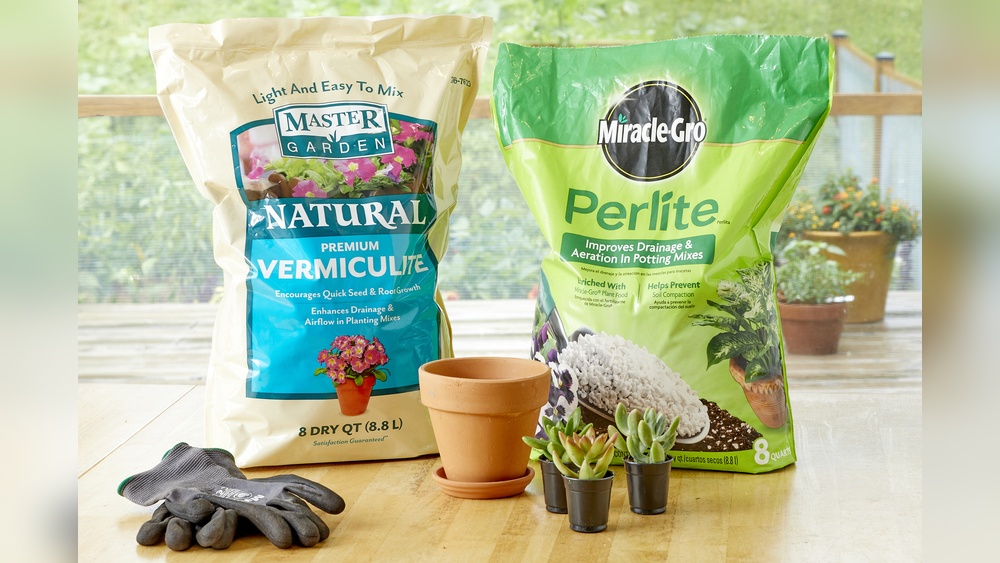
Are you trying to decide between perlite and vermiculite for your garden or indoor plants? Choosing the right soil amendment can make a big difference in how your plants grow and thrive.
But with so much information out there, it’s easy to feel overwhelmed. This article will help you understand the key differences, benefits, and best uses of both perlite and vermiculite. By the end, you’ll know exactly which one suits your gardening needs and how to get the best results for your plants.
:max_bytes(150000):strip_icc()/SPR-vermiculite-vs-perlite-6455754-hero-1a2d3e14e0584fbaa4a990ebef1d494b.jpg)
Credit: www.thespruce.com
Perlite Basics
Perlite is a popular soil additive in gardening. It helps improve soil drainage and aeration. Many gardeners choose perlite to keep plants healthy and roots strong.
This section explains the origin, physical properties, and common gardening uses of perlite.
Origin And Composition
Perlite is a natural volcanic glass. It forms when lava cools quickly. This glass contains water trapped inside.
When heated, the water turns to steam and expands. This causes perlite to puff up like popcorn. The result is a lightweight, porous material.
Physical Properties
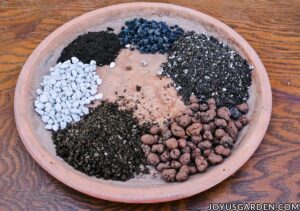
Perlite is white and very light. It has many tiny air pockets inside. These pockets help hold air and water.
Perlite does not break down easily. It stays stable in soil for a long time. It also has a neutral pH, so it does not affect soil acidity.
Common Uses In Gardening
Gardeners add perlite to soil to improve drainage. It stops soil from becoming too compact. This helps plant roots get enough oxygen.
Perlite is also used in seed starting mixes. It helps young plants grow strong. It can be mixed with compost or peat moss for best results.
Vermiculite Basics
Vermiculite is a popular material used in gardening and horticulture. It helps improve soil quality and supports plant growth. Understanding vermiculite basics can help gardeners choose the right soil amendment.
This section explains what vermiculite is, its features, and common gardening uses.
Origin And Composition
Vermiculite is a natural mineral. It forms when mica, a type of rock, heats up. The heat causes the rock to expand. This process creates tiny, lightweight flakes. These flakes have layers that trap air and water. This makes vermiculite useful for gardening.
Physical Properties
Vermiculite is light and soft. It holds water very well. It also holds air, which plants need to grow. The flakes are spongy and absorb moisture quickly. Vermiculite does not break down fast in soil. It also resists bacteria and fungus growth.
Common Uses In Gardening
Gardeners use vermiculite to improve soil drainage and moisture retention. It mixes well with soil and potting mixes. Vermiculite helps seeds sprout and young plants grow. It also reduces soil compaction. Gardeners add vermiculite to improve root health and plant growth.
Water Retention Comparison
Water retention is a key factor in choosing between perlite and vermiculite. It affects how well plants receive moisture. Understanding how each material holds water helps you decide which suits your gardening needs best.
How Perlite Holds Water
Perlite is a volcanic glass that expands when heated. It has tiny air pockets that hold some water. But perlite drains quickly, so it keeps soil light and airy. It does not soak up water like a sponge. Instead, it holds moisture on its surface. This helps roots get oxygen and prevents waterlogging. Perlite is best for plants needing good drainage and less water retention.
How Vermiculite Holds Water
Vermiculite is a mineral that expands when heated too. It has many layers that trap water inside. Vermiculite holds much more water than perlite. It acts like a sponge, slowly releasing moisture to plant roots. This makes it great for plants needing steady moisture. Vermiculite also helps keep nutrients in the soil. It is ideal for seedlings and plants that like damp soil.
Credit: www.bobvila.com
Aeration And Drainage
Aeration and drainage are key for healthy plant growth. Good aeration means air can reach plant roots easily. Proper drainage stops water from sitting too long. Both help roots breathe and avoid rot. Choosing the right soil additive improves these factors.
Perlite’s Effect On Soil Aeration
Perlite is a lightweight volcanic glass. It has tiny air pockets inside. These pockets create space in the soil. This space allows air to flow freely. Roots get more oxygen, which helps growth. Perlite also improves drainage by letting water pass quickly. It keeps soil loose and fluffy. This stops soil from becoming compacted.
Vermiculite’s Effect On Soil Aeration
Vermiculite is a mineral that expands when heated. It holds more water than perlite does. Vermiculite keeps moisture near roots longer. It also creates some air space in soil. But vermiculite does not drain water as fast. It is better for plants that need steady moisture. It improves aeration, but less than perlite. Vermiculite softens soil and reduces compaction.
Nutrient Retention
Nutrient retention is crucial for healthy plant growth. It means how well a soil or soil amendment holds nutrients that plants need. Good nutrient retention keeps food available for roots longer. This helps plants grow strong and healthy. Both perlite and vermiculite affect nutrient retention differently. Understanding their roles helps in choosing the right material for your garden.
Perlite’s Role In Nutrient Holding
Perlite is a volcanic glass that expands when heated. It creates air spaces in the soil, improving drainage. This helps prevent waterlogging but does not hold many nutrients. Perlite has a low cation exchange capacity (CEC). This means it does not store nutrients well. Instead, it allows nutrients to flow freely, making them easy for roots to access. Perlite supports nutrient movement but does not keep nutrients for long.
Vermiculite’s Role In Nutrient Holding
Vermiculite is a mineral that expands when heated. It has a high cation exchange capacity (CEC). This means it holds and releases nutrients effectively. Vermiculite can store important nutrients like potassium, calcium, and magnesium. It also holds water, which helps dissolve nutrients for plant use. Vermiculite slowly releases nutrients over time. This makes it a good choice for nutrient retention in soil mixes.
Suitability For Different Plants
Perlite and vermiculite serve different needs in gardening. Each one suits certain plant types better. Choosing the right one helps plants grow strong and healthy. Understanding their uses makes gardening easier and more successful.
Best Plants For Perlite
Perlite works well with plants that need good drainage. Succulents and cacti thrive in perlite. It keeps soil light and airy. Orchids also prefer perlite in their mix. It helps avoid root rot by draining excess water fast. Use perlite for plants that dislike wet soil.
Best Plants For Vermiculite
Vermiculite suits plants needing more moisture. Seedlings and young plants benefit from vermiculite. It holds water and nutrients well. Ferns and tropical plants enjoy this moisture-rich environment. Vermiculite helps keep soil evenly moist. Use it for plants that need gentle watering.
Environmental Impact
Choosing the right soil amendment means thinking about the environment. Perlite and vermiculite affect the planet in different ways. Understanding their environmental impact helps make a better choice for your garden and the Earth.
Sustainability Of Perlite
Perlite is a natural volcanic glass. It expands when heated to high temperatures. Mining perlite can disturb the land and local habitats. The heating process uses a lot of energy. This increases its carbon footprint. Perlite is inert and does not break down in soil. It can last many years without changing.
Recycling perlite is difficult. It cannot easily be reused in other products. Still, perlite helps reduce soil erosion and water use. This can benefit the environment by saving resources.
Sustainability Of Vermiculite
Vermiculite is a mineral that expands when heated too. Mining vermiculite also impacts land and ecosystems. It is softer to mine than perlite, which may reduce environmental damage. Vermiculite helps soil hold water and nutrients better. This can reduce the need for extra watering and fertilizers.
Vermiculite breaks down over time in soil. This means it adds some natural minerals. It is also non-toxic and safe for plants. Vermiculite can be reused in gardening and construction materials, lowering waste.
Cost And Availability
Cost and availability are key factors when choosing between perlite and vermiculite. Both materials serve similar purposes in gardening and soil improvement. Yet, their prices and how easy they are to find vary. Understanding these differences helps you pick the right one for your needs and budget.
Price Comparison
Perlite usually costs less than vermiculite. It is lightweight and easier to produce. This lowers its overall price. Vermiculite tends to be more expensive because of its mining and processing needs. Prices can change based on the bag size and brand. Small gardeners often prefer perlite for its affordability. Larger projects might find vermiculite’s cost justified by its water-holding ability.
Regional Availability
Perlite is widely available in many countries. It is mined in several regions, making supply steady. You can find it in most garden centers and stores. Vermiculite is less common and mined in fewer places. Some areas may have limited stock or higher prices. Online shopping often helps find vermiculite but may add shipping costs. Knowing your local options helps save money and time.
Mixing With Soil
Mixing perlite or vermiculite with soil improves plant growth. Both help soil hold air and water. They make soil light and easy to work with. Choosing the right one depends on the plant’s needs and soil type. Below are simple ways to use each in soil mixes.
How To Use Perlite In Soil Mixes
Perlite keeps soil loose and drains well. Mix one part perlite with two parts soil. This mix is good for plants needing good drainage. It helps prevent root rot by letting water flow freely. Use perlite in pots or garden beds. Stir it gently into the soil before planting.
How To Use Vermiculite In Soil Mixes
Vermiculite holds water and nutrients well. Mix one part vermiculite with three parts soil. This helps soil stay moist longer. It works well for seedlings and plants needing steady moisture. Add vermiculite to garden soil or containers. Mix it evenly for best results.
Credit: www.bibralakesoils.com.au
Common Mistakes To Avoid
Choosing between perlite and vermiculite can improve your gardening results. Avoid mistakes that reduce their benefits. Overusing either can harm your plants and soil. Learn what to watch for with each material.
Overusing Perlite
Perlite improves drainage and aeration. Using too much makes soil dry out quickly. Roots may not get enough water. Plants can suffer from drought stress. Balance perlite with other soil parts. Keep it under 30% of your mix. This keeps moisture and air just right.
Overusing Vermiculite
Vermiculite holds water and nutrients well. Too much can cause soil to stay too wet. Roots might rot without enough air. Plants can get sick or die. Use vermiculite sparingly for best results. Aim for less than 25% in your soil mix. This helps maintain good moisture and air flow.
Conclusion
Both perlite and vermiculite have unique benefits for plants. Perlite helps with drainage and aeration. Vermiculite holds water and nutrients well. Choose based on your plant’s needs and soil type. Use perlite for plants needing dry roots. Use vermiculite for plants that like moisture.
Mixing both can also work well. This way, you get the best of both worlds. Remember, healthy soil leads to healthy plants. Test and watch your plants grow strong and happy.