When to Stop Watering Plants: Expert Tips for Healthy Growth
Are you wondering when to stop watering your plants but aren’t sure how to tell the right time? Knowing exactly when to ease up on watering can save your garden from overwatering or drought stress.
Watering too much or too little can harm your plants, especially as the seasons change. You’ll discover clear signs and simple tips to help you decide the perfect moment to stop watering. Keep reading to make sure your plants stay healthy and strong all year round.

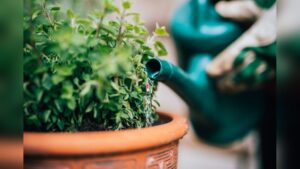
Credit: trainofthoughtcollective.com
Watering Needs By Season
Understanding watering needs by season helps keep plants healthy all year. Each season has unique weather patterns that affect how much water plants need. Adjusting watering habits can prevent overwatering or underwatering. It supports strong roots and vibrant growth.
Summer Hydration Tips
Summer heat dries soil quickly. Water plants early in the morning to reduce evaporation. Deep watering encourages roots to grow down. Avoid light, frequent watering that keeps roots shallow. Mulch helps keep soil moist and cool. Check soil moisture regularly to avoid drought stress.
Adjusting Watering In Fall
Fall brings cooler temperatures and more rain. Reduce watering frequency but keep soil slightly moist. Focus on watering new plants and evergreens to help root growth. Water until the ground freezes to prepare plants for winter. Stop watering once soil becomes hard or frozen. This prevents root damage from excess water.
Winter Watering Guidelines
Most plants need little water in winter. Dormant plants use less moisture. Water only during dry spells when the ground is not frozen. Avoid watering frozen soil as it can harm roots. Use mulch to protect roots and retain moisture. Watch for signs of dehydration in evergreens and container plants.
Signs To Stop Watering
Knowing when to stop watering plants is key to healthy growth. Overwatering can harm roots and cause diseases. Plants show clear signs when they no longer need water. Watching these signs helps save water and keeps plants strong.
Observe your plants and soil closely. Each plant type and season may change watering needs. Learn to read the signs below to decide when to pause watering.
Soil Moisture Indicators
Check soil moisture by feeling it with your fingers. Dry soil means plants need water. If soil feels damp or wet, skip watering. Waterlogged soil can suffocate roots and cause rot. Using a moisture meter can give more exact readings. Stop watering when soil stays moist for days.
Plant Dormancy Signals
Many plants enter dormancy in cooler months. Leaves may turn yellow or fall off. Growth slows or stops completely. These signs show plants need less water. Continue watering lightly until plants fully rest. Once dormant, reduce watering to prevent root damage.
Weather And Temperature Cues
Cooler weather lowers plants’ water needs. Rainfall can provide natural watering. Avoid watering after heavy rains. Frost and freezing temperatures signal to stop watering. Frozen ground cannot absorb water well. Adjust watering schedules based on weather changes.
Watering Specific Plant Types
Watering plants properly requires knowing their specific needs. Different plant types demand different watering schedules. Recognizing when to stop watering each type helps keep plants healthy and thriving. Overwatering or underwatering can harm roots and overall growth. Below are tips for watering trees, shrubs, perennials, and annual plants.
Trees And Shrubs
Trees and shrubs develop deep roots over time. Water them deeply but less often. Stop watering when the soil remains moist but not wet. In fall, reduce watering gradually as temperatures drop. Stop watering completely once the ground freezes. This prevents root damage from ice. Well-watered trees survive winter better and grow stronger in spring.
Perennials
Perennials come back year after year. Water regularly during their growing season. Stop watering when plants go dormant in late fall. Check soil moisture before watering again. Dry soil signals the need for water. Avoid watering frozen soil to prevent root rot. Proper watering helps perennials build energy for next season.
Annuals And Bold-color Plants
Annuals grow quickly and bloom brightly all season. They need consistent watering to stay vibrant. Stop watering as temperatures drop and plants die back. Remove dead annuals to keep the garden tidy. Some bold-color plants may need more water in heat. Monitor soil moisture closely to avoid stress. Proper watering keeps colors bright and leaves healthy.

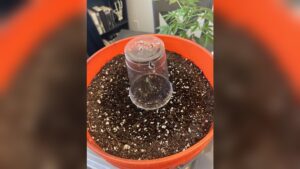
Credit: www.familyhandyman.com
Fall Watering Strategies
Fall watering strategies play a key role in preparing plants for colder months. This season focuses on strengthening roots and ensuring plants survive winter. Watering habits should adjust to cooler temperatures and changing plant needs. Proper watering now supports healthy growth and dormancy.
Supporting Root Growth
Roots grow actively during fall’s cool weather. Water helps roots reach deeper and stronger. Moist soil encourages root expansion and nutrient absorption. Keep soil evenly moist but not soggy. Avoid watering only the surface to promote deep root systems. Strong roots improve plant health in winter.
Preparing Plants For Dormancy
Plants enter dormancy as temperatures drop. Watering slows down but must continue until soil freezes. This helps plants store energy and prevent stress. Water nourishes cells and keeps them from drying out. Stop watering once the ground is hard and frozen. Proper hydration reduces winter damage risks.
Watering Frequency And Depth
Water less often in fall but increase the depth of watering. Deep watering reaches roots better than frequent shallow watering. Check soil moisture regularly to decide watering times. Water when the top 2-3 inches of soil feel dry. This balance maintains hydration without overwatering, supporting plant health before winter.
Watering Challenges In Cold Climates
Watering plants in cold climates presents unique challenges. The cold air and soil can affect how much water plants need. Overwatering or underwatering risks plant health during winter months. Understanding these challenges helps keep plants safe and healthy.
Balancing Moisture And Freezing Risk
Plants need enough moisture to survive winter dryness. Too much water can freeze, damaging roots and stems. Watering should stop before the ground freezes solid. Check soil moisture regularly to avoid overwatering. Water only when the soil feels dry below the surface.
Protecting Evergreens
Evergreens lose water through their needles even in winter. They need watering later into the season than other plants. Water them well before the first hard freeze. Avoid watering during freezing temperatures to prevent ice damage. Mulching helps retain soil moisture and protect roots.
Managing Frozen Ground
Frozen ground blocks water from reaching roots. Watering after the ground freezes wastes water and can harm plants. Stop watering once the soil is frozen. Use mulch to insulate soil and reduce freezing depth. In spring, check soil moisture and resume watering as needed.

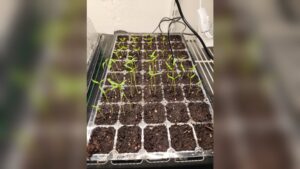
Credit: www.reddit.com
Regional Considerations
Understanding when to stop watering plants depends greatly on regional factors. Different areas have unique environments that affect plant water needs. Paying attention to these factors helps plants thrive without wasting water or causing harm.
Native Plant Adaptations
Native plants are built to survive in their local environment. They often need less water because they adapt to seasonal rainfall. These plants usually enter dormancy in dry or cold seasons, reducing water needs. Knowing native species helps determine safe watering stop times. Their natural cycles guide gardeners on water schedules that match the region.
Soil Type Impact
Soil type affects how long water stays available for plants. Sandy soils drain water quickly, requiring more frequent watering. Clay soils hold water longer, so watering can stop earlier. Loam soils balance drainage and moisture retention, giving plants steady water. Testing soil helps predict watering needs and when to stop safely.
Local Climate Effects
Climate shapes plant water requirements throughout the year. Hot, dry climates need watering later into the season. Cooler, wetter climates allow earlier watering stops. Seasonal changes like frost or rain also signal when to reduce watering. Watching weather patterns ensures plants get enough water without excess.
Practical Tips For Gardeners
Knowing when to stop watering plants is key for healthy gardening. Overwatering wastes water and harms roots. Underwatering stresses plants and slows growth. Practical tips help gardeners find the right balance. These simple methods ensure plants get enough moisture without excess.
Using Soil Moisture Tools
Soil moisture tools give quick, clear readings. Insert a moisture meter into the soil near roots. The device shows if soil is wet, moist, or dry. Water only when the meter signals dry soil. This helps avoid watering too soon or too late. These tools save time and protect plants from overwatering.
Observing Plant Health
Look closely at leaves and stems for signs. Wilting means the plant needs water. Yellowing leaves can show overwatering or poor drainage. Crisp, brown edges often mean dryness. Healthy plants have firm, green leaves. Watch daily to catch stress early. Adjust watering based on these visible clues.
Adjusting Watering Schedules
Water needs change with seasons and weather. Plants need more water in hot, dry periods. Reduce watering as temperatures drop or rain increases. Set a regular schedule but stay flexible. Check soil moisture and plant health before watering. Changing the routine helps plants thrive and saves water.
Frequently Asked Questions
What Month Do You Stop Watering Plants?
Stop watering plants when the ground freezes, usually by late October to November, depending on your climate. Keep watering during fall to support root growth and plant health before winter dormancy.
What Is The 70/30 Rule In Gardening?
The 70/30 rule in gardening means planting 70% edible plants and 30% ornamental plants for balance and beauty.
Should I Water My Plants In October?
Water plants in October if the soil feels dry a few inches deep. Prioritize new plants and evergreens. Stop watering once the ground freezes. Watering supports root growth and helps plants survive winter stresses.
Should I Water Plants In September?
Yes, water plants in September, especially if rainfall is low. Focus on deep watering to support root growth before cooler weather. Check soil moisture regularly and adjust watering frequency to prevent dryness. This helps plants stay healthy and prepare for fall dormancy.
Conclusion
Stopping watering at the right time helps plants stay healthy. Watch soil moisture to decide when to stop. Water until the ground freezes, then pause. This helps roots grow strong before winter. Well-hydrated plants survive cold and stress better. Remember, each plant may need different care.
Adjust watering based on weather and plant type. Careful watering supports your garden’s long-term success. Keep observing your plants for the best results.