When Do You Stop Watering Potato Plants: Expert Timing Tips
Are you wondering exactly when to stop watering your potato plants? It’s a common question that can make or break your potato harvest.
If you water too little, your potatoes may not grow well. But if you water too much, they can split or rot. Knowing the right moment to cut back on watering helps your potatoes develop thick skins and store better after harvest.
You’ll discover clear signs to watch for and simple steps to follow so your potato crop thrives. Keep reading to make sure you get the timing just right—and enjoy a healthy, bountiful harvest!

Credit: www.reddit.com
Signs To Stop Watering
Knowing the right time to stop watering potato plants is key for a healthy harvest. Overwatering can cause tubers to rot and reduce yield. Watch your plants carefully for natural signs that show they no longer need water. These signs mean the plant has finished growing and is storing energy in the potatoes underground.
Yellowing Leaves
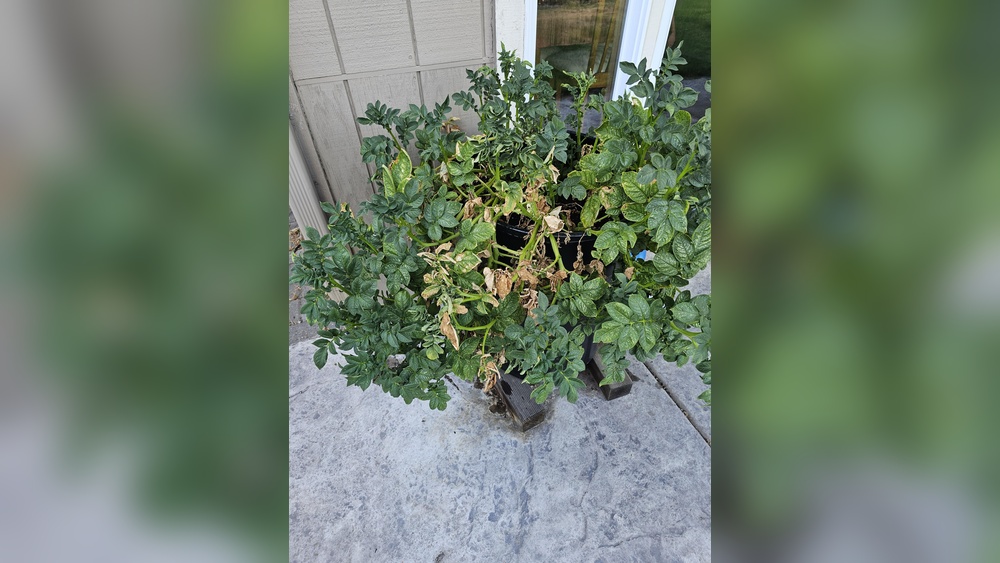
Yellow leaves signal the plant is ending its growth phase. Nutrients move from the leaves to the tubers below the soil. This color change is a clear sign to reduce watering. Keep watering after leaves turn yellow only if the soil feels very dry. Usually, stop watering when yellowing spreads across most leaves.
Foliage Dying Back
The potato plant’s foliage dies back as it matures. Stems turn brown and leaves fall off naturally. This dying back means the potatoes are ready for harvest soon. Stop watering completely once most of the foliage has died. Let the soil dry out to help the skins of the potatoes harden for better storage.

Credit: www.reddit.com
Reasons To Cease Watering
Knowing when to stop watering potato plants is crucial for a healthy harvest. Overwatering or continuing to water too late can harm the potatoes. The right timing helps potatoes develop a strong skin and prevents common problems. Understanding the reasons to stop watering guides you to better care for your crop.
Skin Thickening
Stopping water allows potato skins to harden. Thick skin protects potatoes during harvest and storage. Wet soil delays skin hardening, making potatoes more fragile. Proper skin development reduces rot and damage risks. This step is vital for longer shelf life.
Prevent Splitting
Watering too late causes potatoes to absorb excess moisture. Sudden water intake makes tubers swell and split. Splitting reduces potato quality and market value. Ending watering early keeps moisture stable inside the tuber. This practice helps produce smooth, intact potatoes.
Timing Your Last Watering
Timing your last watering for potato plants is crucial for a healthy harvest. Watering too long can cause tubers to rot. Stopping too early may limit potato size. Knowing the right moment helps your potatoes mature well and store longer.
After Flowering
Potato plants start flowering as tubers grow underground. After flowering, reduce watering gradually. The plant focuses energy on tuber development. Overwatering after flowering can cause tubers to split or rot. Watch the leaves closely for signs of change.
Before Harvest
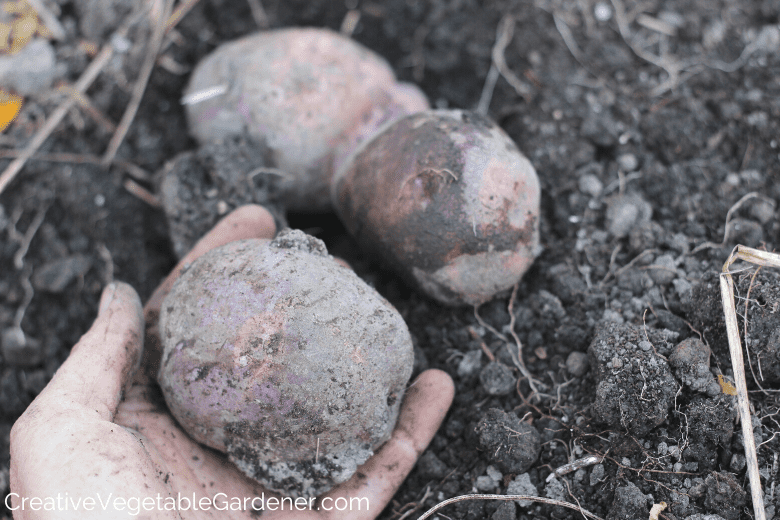
Stop watering when leaves begin to yellow and die back. This signals the plant is entering dormancy. The skin of potatoes hardens, improving storage life. Avoid watering too close to harvest to prevent damage. Let the soil dry out to prepare for digging.
Credit: www.creativevegetablegardener.com
Watering Frequency Tips
Proper watering is crucial for healthy potato plants and a good harvest. Knowing how often to water helps prevent problems like rot or drought stress. Watering frequency depends on several factors such as plant growth stage and weather conditions. Understanding these tips can keep your potato plants thriving without over or underwatering.
Avoid Overwatering
Too much water harms potato plants more than too little. Overwatering causes roots to rot and tubers to become soft. Check the soil before watering. If the top inch feels dry, it is time to water. Always water deeply but less often to encourage strong roots. Drainage is important. Use raised beds or loose soil to help excess water escape.
Adjust For Soil Type
Soil type changes how often potatoes need water. Sandy soils dry out quickly and need more frequent watering. Clay soils hold water longer and require less watering. Check soil moisture regularly by feeling it or using a moisture meter. Water early in the day to reduce evaporation. Matching watering to soil type helps potatoes grow well and saves water.
Harvesting And Curing
Harvesting and curing potatoes are important steps after growing. Proper timing and care help keep potatoes fresh and tasty. Knowing when to stop watering and how to store potatoes affects their quality. Follow these simple tips for a good harvest and long storage life.
Harvest On Dry Days
Pick potatoes on dry days to avoid damage. Wet soil can cause potatoes to rot quickly. Use a garden fork to dig carefully around the plant. Gently lift the tubers without bruising them. Let potatoes dry on the ground for a few hours. Avoid washing them before curing to keep the skin tough.
Curing For Storage
Curing helps potatoes last longer by toughening their skin. Place potatoes in a dark, cool, and well-ventilated area. Keep the temperature around 50 to 60 degrees Fahrenheit. Let potatoes cure for 1 to 2 weeks. After curing, move them to a cooler place for storage. Proper curing reduces the chance of rot and sprouting.
Common Watering Mistakes
Watering potato plants correctly is crucial for a healthy harvest. Many gardeners make simple mistakes that affect the plant’s growth. Understanding common watering errors helps prevent damage to your potatoes. Avoiding these mistakes ensures plants get the right amount of moisture at the right time.
Watering Too Late
Waiting too long to water can stress potato plants. Dry soil slows tuber growth and reduces yield. Signs like drooping leaves show plants need water immediately. Consistent moisture during growing is essential for healthy potatoes. Watering too late may also cause the skin of potatoes to become tough.
Watering Too Often
Overwatering leads to soggy soil and root problems. Too much water causes roots to rot and reduces oxygen. This weakens the plant and lowers potato quality. Waterlogged soil also invites pests and diseases. It is best to let the top soil dry slightly before watering again.
Frequently Asked Questions
How Do You Know When To Stop Watering Potatoes?
Stop watering potatoes when leaves turn yellow and stems begin to die back. This signals tubers have matured. Dry soil helps thicken skins, preventing rot and splitting during harvest.
How Do You Know When A Potato Plant Is Done Growing?
Stop watering potato plants when their leaves yellow and stems die back. This signals tubers are mature and ready for harvest.
Do Potatoes Need To Be Watered Every Day?
Potatoes do not need daily watering. Water deeply once or twice a week, keeping soil moist but not soggy. Stop watering when leaves yellow and die back to protect tubers.
How Long Can You Leave Potatoes In The Ground In The Fall?
Leave potatoes in the ground up to one month after the foliage dies back in fall. This allows skins to harden for better storage. Harvest on a dry day to prevent rot and damage. Avoid watering once leaves yellow or brown to prevent tuber splitting.
Conclusion
Stop watering potato plants once leaves turn yellow and start dying. This signals tubers have fully grown underground. Let the soil dry to help potato skins toughen. Avoid watering late to prevent tubers from splitting or rotting. Watch your plants closely for these simple signs.
This approach helps you harvest healthy, long-lasting potatoes.