What’S the Difference between Vermiculite And Perlite: Key Facts Explained
Are you trying to improve your garden or indoor plants but feel confused by all the different materials out there? You’ve probably come across vermiculite and perlite and wondered what sets them apart.
Both are popular soil additives, but using the wrong one can affect your plants’ health. You’ll discover the key differences between vermiculite and perlite, so you can choose the right one to boost your plants’ growth and keep your garden thriving.
Origins And Composition
Understanding the origins and composition of vermiculite and perlite helps clarify their differences. Both materials come from natural minerals but form through distinct processes. Their unique properties depend on how they form and what they contain.
Natural Formation Of Vermiculite
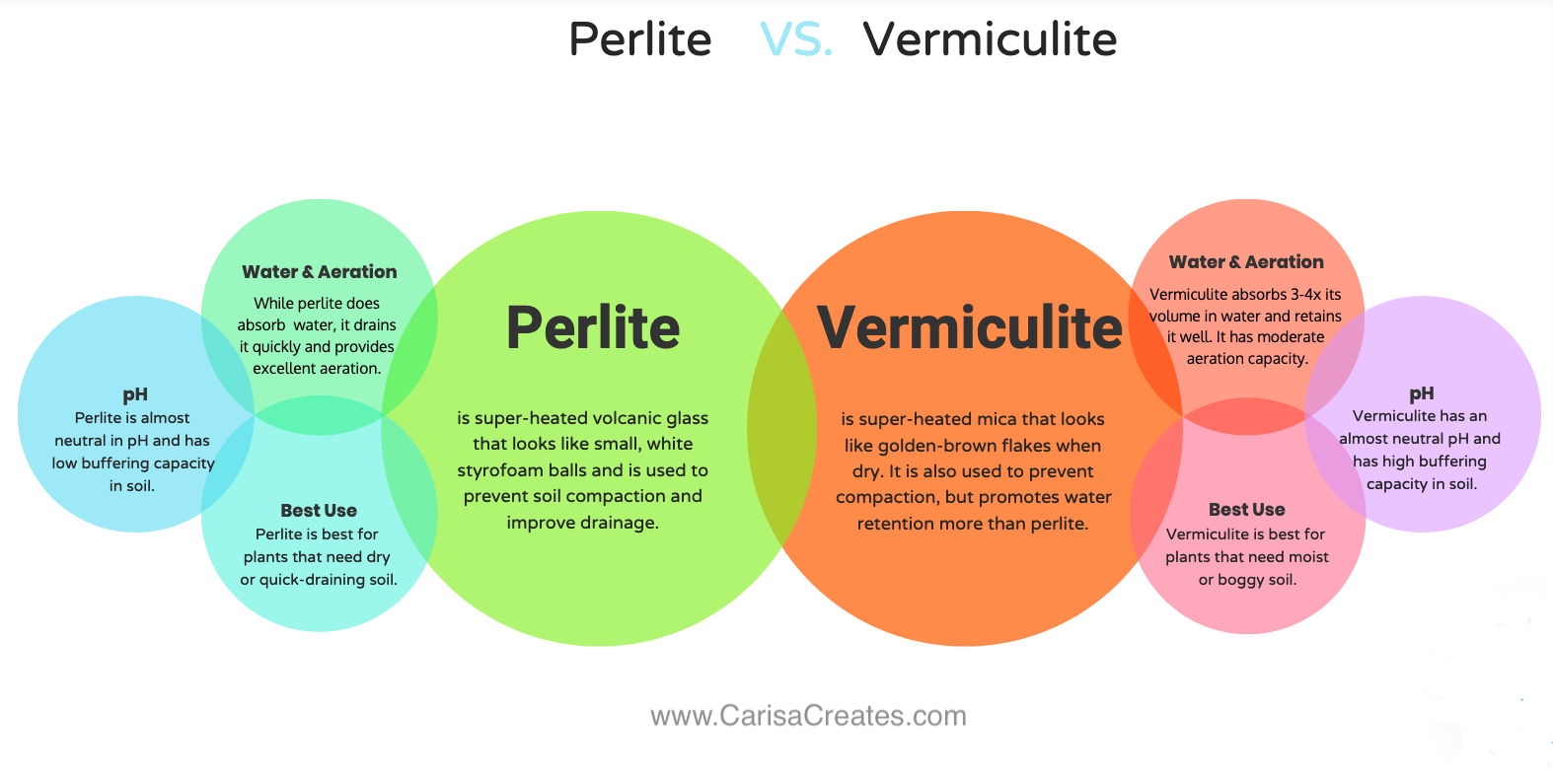
Vermiculite is a mineral that forms when mica, a type of rock, heats up naturally. This heating causes the mica to expand. The layers inside the mineral separate, creating a lightweight, spongy texture. Vermiculite contains magnesium, iron, aluminum, and silicon. Its structure allows it to hold water and air well, making it useful for plants.
How Perlite Is Produced
Perlite is volcanic glass. It forms from lava that cools quickly. To make perlite usable, the raw rock is heated to about 1600°F. This heat causes the water inside to expand, popping the rock like popcorn. The result is a white, porous material. Perlite is very light and helps improve soil drainage and aeration.

Credit: savvygardening.com
Physical Properties
Physical properties play a big role in choosing between vermiculite and perlite for gardening. These properties affect how each material works with soil and plants. Understanding their appearance, texture, and water retention helps you pick the right one for your needs.
Appearance And Texture
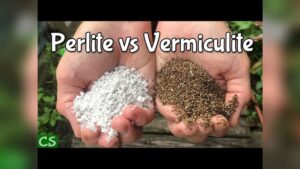
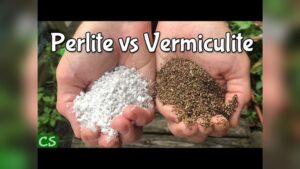
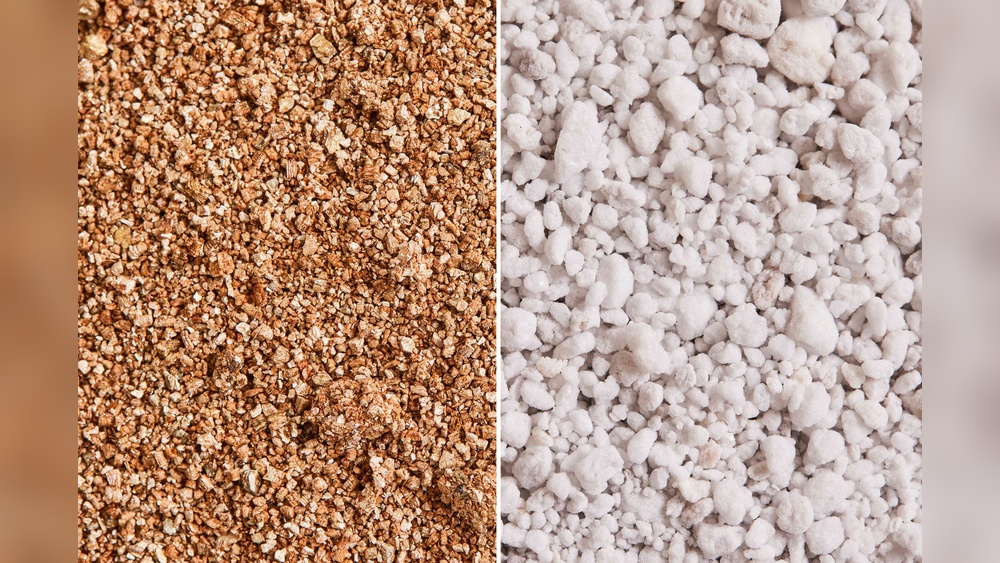
Vermiculite looks like small, shiny flakes. It is soft and feels spongy to touch. It comes in a light brown or golden color. Perlite looks like tiny white balls. It is rough and hard. Its surface is porous and looks like small bubbles. These differences help gardeners know which one fits their soil better.
Water Retention Capabilities
Vermiculite holds water very well. It absorbs moisture and keeps it close to plant roots. This helps plants during dry periods. Perlite holds less water but allows air to flow easily. It keeps soil light and prevents it from getting too wet. Both materials help soil in different ways.
Uses In Gardening
Vermiculite and perlite are popular materials in gardening. Both improve soil quality but serve different purposes. Gardeners use them to support plant health. Each has unique features that affect soil and plants in distinct ways.
Benefits For Soil Aeration
Perlite helps soil stay loose and airy. It creates tiny air pockets, allowing roots to breathe. This improves water drainage and stops soil from becoming too wet.
Vermiculite holds more water than perlite. It also loosens soil but keeps moisture longer. This helps plants get water between watering times. Vermiculite is good for soils that dry out fast.
Impact On Plant Growth
Perlite supports strong root growth by preventing soil compaction. Roots can spread easily and take in more oxygen. This leads to healthier, faster-growing plants.
Vermiculite provides minerals like magnesium and potassium. It releases these nutrients slowly to plants. This helps seedlings and young plants grow well. Vermiculite also keeps soil moist, which benefits sensitive plants.
Credit: carisacreates.com
Advantages And Limitations
Understanding the advantages and limitations of vermiculite and perlite helps in choosing the right soil amendment. Both materials improve soil but differ in how they work and where they fit best. Knowing their strengths and weaknesses guides better gardening decisions.
Vermiculite’s Strengths And Weaknesses
Vermiculite holds water well. It keeps moisture available for plant roots longer than perlite. This makes it great for plants that need steady water. It also helps soil stay loose and easy to work with.
Vermiculite contains some nutrients like magnesium and potassium. These help plants grow healthy. It also improves soil aeration but not as much as perlite.
On the downside, vermiculite can hold too much water. This may cause root rot in some plants. It is heavier than perlite, which can affect soil weight in pots. Vermiculite also breaks down faster, needing more frequent replacement.
Perlite’s Pros And Cons
Perlite is very light and airy. It improves soil drainage and prevents compaction. This helps roots get enough oxygen. It works well for plants that do not like wet feet.
Perlite does not hold nutrients or water well. It mainly helps soil structure. It lasts longer than vermiculite because it does not break down easily.
Perlite dust can irritate skin and lungs if not handled carefully. It also floats to the top of soil when watered. This can look messy and may need mixing back into soil.
Safety And Environmental Concerns
Safety and environmental concerns matter a lot when choosing between vermiculite and perlite. Both materials are common in gardening but differ in risks and impact. Understanding these differences helps you use them safely and protect nature.
Handling Precautions
Vermiculite can release dust that irritates lungs and eyes. Always wear a mask and gloves when handling it. Work in a well-ventilated area to avoid breathing in dust. Perlite also creates dust but usually less harmful. Still, wearing protective gear is a good habit. Avoid stirring up dust too much during use. Keep both materials away from children and pets. Store them in sealed containers to reduce dust spread.
Environmental Impact
Vermiculite is a natural mineral mined from the earth. Mining can disturb land and use energy. Some vermiculite sources contain asbestos, a harmful substance. Buy vermiculite from trusted suppliers who test for asbestos. Perlite is also mined but expanded by heating. This process consumes energy and emits gases. Both materials are safe in soil and do not pollute water. They are lightweight and reduce soil erosion. Using them wisely helps protect the environment.
Choosing Between Vermiculite And Perlite
Choosing between vermiculite and perlite can affect your plant’s health and growth. Both are popular soil additives but serve different purposes. Understanding their qualities helps pick the right one for your gardening needs.
Factors To Consider
Vermiculite holds water well. It keeps soil moist longer. Perlite drains water quickly and adds air to soil. It prevents soil compaction. Consider the type of plants you grow. Some like wet soil, others prefer dry. Also, think about your climate. Hot, dry areas may need vermiculite. Cooler, wetter areas might benefit from perlite. Soil type matters too. Clay soils need better drainage. Sandy soils need more water retention.
Best Applications For Each
Vermiculite suits seed starting and moisture-loving plants. It helps roots get enough water and nutrients. Use vermiculite in potting mixes for ferns and African violets. Perlite works well in cacti, succulents, and orchids. It prevents overwatering and root rot. Perlite is great for improving garden soil drainage. Mix it into heavy soil to lighten texture.

Credit: www.youtube.com
Conclusion
Vermiculite and perlite both help plants grow better. Vermiculite holds water and nutrients well. Perlite improves soil drainage and air flow. Each has a unique role in gardening. Choose vermiculite for moisture-loving plants. Pick perlite for plants needing good drainage.
Knowing their differences helps you care for plants. Use them right for healthy roots and growth. Simple choices lead to strong, happy plants.