What to Put under Grow Bags: Essential Tips for Perfect Drainage
If you’re using grow bags for your garden, you already know they’re a fantastic way to grow healthy plants in limited space. But have you ever wondered what’s best to put under those grow bags?
The right base can make a huge difference in how well your plants thrive. It affects drainage, prevents waterlogging, and keeps roots healthy. You’ll discover simple, effective materials you can place under your grow bags to boost plant growth and avoid common problems.
Choosing Drainage Materials
Choosing the right drainage material under grow bags is important. It helps water flow out, preventing root rot and soggy soil. Good drainage keeps plants healthy and promotes growth. Different materials offer unique benefits for drainage and aeration. Here are some popular options to consider for your grow bags.
Gravel And Pebbles
Gravel and pebbles create space for water to flow freely. They stop soil from blocking drainage holes. These materials are easy to find and inexpensive. They also add weight, keeping grow bags stable. Using gravel or pebbles helps prevent waterlogging and root damage.
Broken Pottery And Terracotta
Broken pottery pieces or terracotta shards work well for drainage. They form air pockets at the bottom of grow bags. These materials are often free if you reuse old pots. Terracotta is porous and helps absorb excess moisture. This keeps the soil dry and roots healthy.
Perlite And Pumice
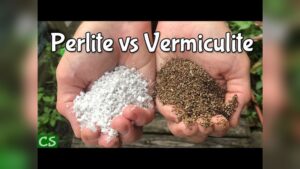
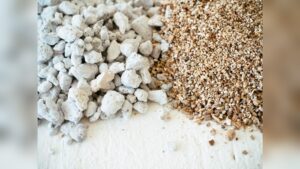
Perlite and pumice are lightweight volcanic rocks. They improve soil aeration and drainage effectively. You can mix them into soil or place a layer under grow bags. Both materials hold some moisture but drain well. They reduce soil compaction and support root growth.
Coconut Coir
Coconut coir is a natural fiber from coconut husks. It holds water while allowing excess to drain. Coir improves soil structure and aeration. It is lightweight and eco-friendly. Using coconut coir under grow bags helps maintain balanced moisture levels.
Recycled Plastic Bottles
Recycled plastic bottles provide bulk and improve drainage. Cut or crush bottles to fill grow bag bottoms. This method reduces waste and adds structure. Bottles create air spaces for water to escape. They are a good option for large grow bags.

Credit: growinginthegarden.com
Layering Techniques
Proper layering under grow bags supports healthy plant growth. It ensures good drainage and air flow. Using the right materials creates a balanced environment for roots. Simple layering techniques make a big difference in plant health and soil moisture control.
Creating Air Pockets
Air pockets prevent water from pooling at the bottom. Materials like gravel, broken pottery, or clay balls work well. These items create small spaces for air and water to move freely. This stops roots from sitting in water and rotting. Always add a few inches of these materials under the grow bag.
Using Landscape Fabric Or Coffee Filters
Place landscape fabric or coffee filters above drainage materials. They keep soil from washing down and clogging drainage holes. These layers let water pass but hold soil in place. Coffee filters are an easy and cheap option. Landscape fabric lasts longer and is reusable for many seasons.
Avoiding Soil Clogging
Soil clogging blocks water flow and harms plants. Fine soil can wash into drainage holes and cause problems. Use coarse materials like perlite mixed in the soil. Avoid fine sand at the bottom; it compacts and blocks water. Proper layering stops clogging and keeps drainage working well.
Improving Soil Drainage
Good drainage is key for healthy plants in grow bags. Water must flow well to stop roots from drowning. Poor drainage causes root rot and weak growth. Improving soil drainage helps roots get air and prevents water buildup. It also keeps soil loose and easy to work with. Below are ways to improve drainage under grow bags to keep plants thriving.
Mixing Perlite Or Coarse Sand
Mixing perlite or coarse sand into the soil improves drainage. Perlite is a lightweight, white volcanic rock that creates air pockets. Coarse sand helps water pass through soil faster. Both keep the soil from becoming heavy and soggy. Use about 10-20% perlite or sand mixed well with your potting soil. This mix drains better and gives roots space to grow strong.
Soil-less Gritty Mixes
Soil-less gritty mixes use ingredients like pine bark, perlite, and crushed granite. These materials drain very fast and keep soil airy. They do not hold too much water, reducing the risk of root rot. Gritty mixes are popular for container gardening and grow bags. They require frequent watering but give plants excellent root health. Try a blend of equal parts bark, perlite, and granite for best results.
Amending Soil For Better Aeration
Adding organic matter like compost or coconut coir improves soil aeration. These materials create tiny air pockets in the soil. They also help retain some moisture without waterlogging roots. Mix organic amendments into the soil before filling grow bags. Avoid heavy clay soils that hold water and compact easily. Better aeration means roots get oxygen and grow well. This leads to healthier, more productive plants.

Credit: joegardener.com
Common Mistakes To Avoid
Using grow bags can boost your gardening success. But placing the right material under them is key. Many gardeners make simple mistakes that hurt drainage and plant health. Avoid these common errors to keep roots happy and soil well-drained.
Overusing Drainage Materials
Adding too many stones or gravel under grow bags can trap water. This creates soggy spots where roots may rot. A thin layer is enough to help water flow out. Focus on improving soil mix instead of piling up drainage materials.
Using Fine Sand Layers
Fine sand compacts easily and blocks water flow. It holds moisture but stops drainage. This leads to waterlogged soil and weak roots. Choose coarse sand or perlite mixed into the soil. Avoid placing fine sand as a separate layer under grow bags.
Ignoring Proper Drainage Hole Placement
Drainage holes must be correctly positioned on grow bags. Holes too small or blocked stop water from exiting. Place grow bags on surfaces that allow water to flow out freely. Check holes regularly to keep them clear and effective.
Special Considerations For Grow Bags
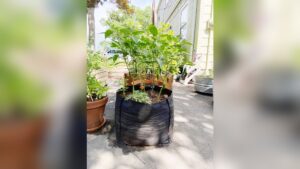
Grow bags offer great flexibility for gardening. Their fabric design helps roots breathe. Proper setup is important for healthy plants. Choosing what to put under grow bags affects drainage and plant growth.
Knowing how to manage water flow and support is key. Different setups work better indoors or outdoors. Understanding these points helps you get the best from your grow bags.
Do Grow Bags Need Drainage Holes?
Most grow bags come with built-in drainage because of their fabric. These bags let excess water escape naturally. You do not need extra holes like in plastic pots. Good drainage prevents root rot and keeps soil healthy.
Check your grow bag material to confirm drainage ability. Avoid blocking the fabric to keep water flow steady. Proper drainage means happier, stronger plants.
Using Saucers With Grow Bags
Saucers catch water that drains from grow bags. They help keep floors and surfaces dry. Use plastic or ceramic saucers sized to fit your bag’s base. Empty saucers regularly to avoid standing water.
Placing saucers under grow bags is helpful indoors. Outdoors, saucers may not be needed if drainage flows into soil. Choose saucers that are easy to clean and maintain.
Best Practices For Indoor Vs Outdoor Use
Indoors, place grow bags on trays or saucers to protect floors. Use a waterproof mat if needed for extra safety. Ensure good air circulation around the bags to reduce mold risk.
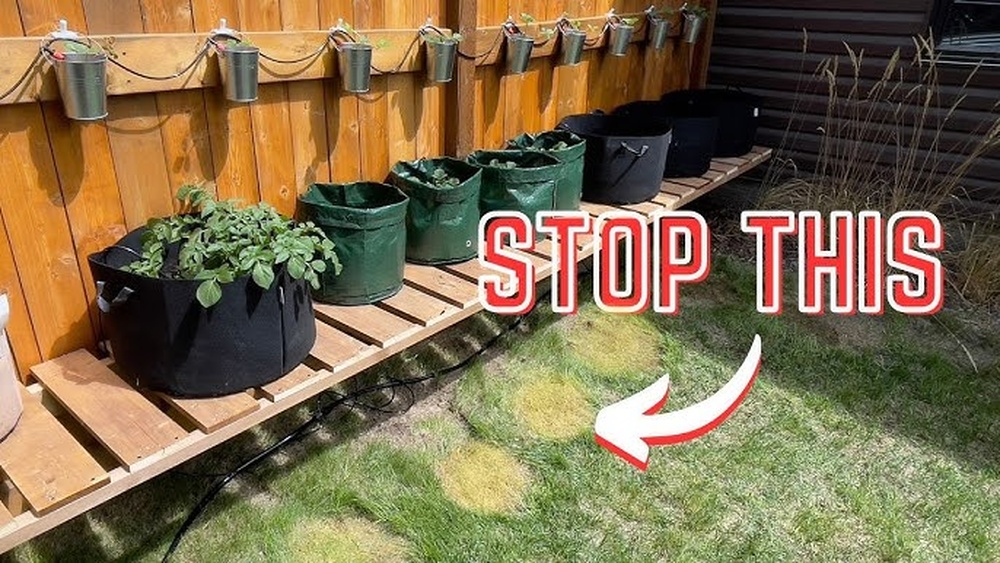
Outdoors, put grow bags on bricks, pallets, or gravel. This lifts them off the ground and improves drainage. Avoid placing bags directly on grass or soil that holds water.
Adjust watering based on location. Outdoor bags dry faster in sun and wind. Indoor bags need less frequent watering but watch for humidity levels.
Diy And Eco-friendly Tips
Creating a good base under grow bags helps plants thrive. Using DIY and eco-friendly materials saves money and reduces waste. These tips show how to use common recycled items for drainage and support. They promote sustainable gardening without harming the environment.
Recycling Materials For Drainage
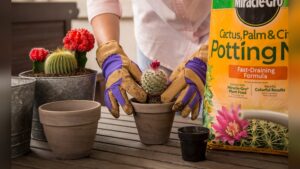
Old broken pots or terracotta pieces work well to improve drainage. They create air pockets that allow water to flow freely. Gravel, pebbles, or small rocks also help water drain and prevent soil from becoming soggy. Using these recycled materials keeps trash out of landfills.
Creating Bulk With Reused Items
Plastic bottles or containers can fill space under large grow bags. Cut them to size and place them to add volume without soil. This reduces the amount of soil needed and helps water drain faster. Reusing these items gives them a second life in your garden.
Sustainable Gardening Practices
Mixing perlite, pumice, or coconut coir into soil improves aeration and drainage. These natural materials keep roots healthy and moist but not waterlogged. Use landscape fabric or coffee filters to stop soil from blocking drainage holes. These simple steps support healthy plants and protect the planet.
Conclusion
Choosing the right material under grow bags helps plants thrive. Use gravel, broken pottery, or clay balls for good drainage. Adding perlite or coarse sand to soil also improves airflow. Avoid fine sand as it can block drainage. A layer of landscape fabric keeps soil from clogging holes.
Proper drainage prevents water buildup and root problems. Simple steps make grow bags more effective for healthy plants. Try these tips for better container gardening results.