What Size Grow Bags for Potatoes: Ultimate Guide for Big Harvests
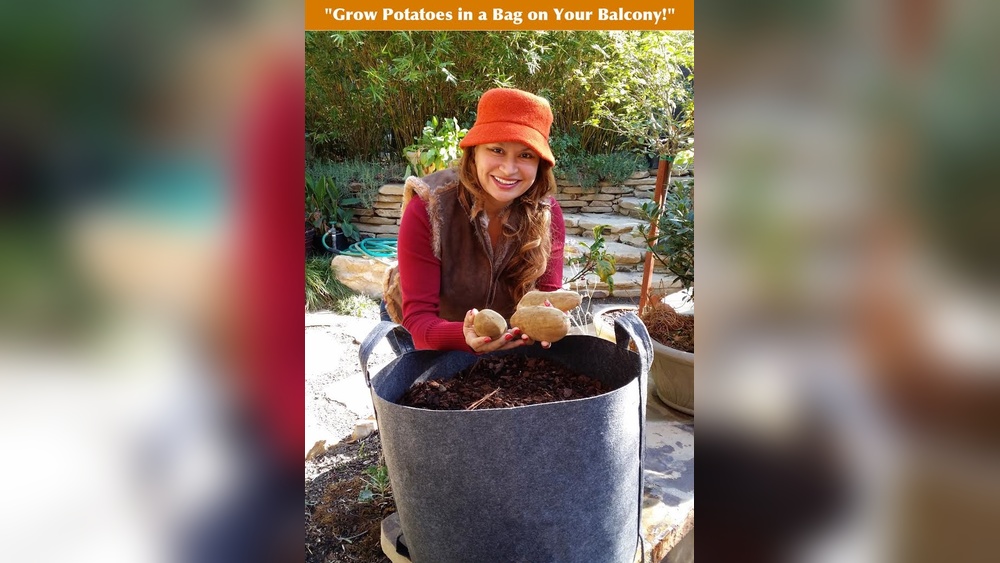
If you’re planning to grow potatoes at home, choosing the right grow bag size is one of the most important steps to ensure a healthy and bountiful harvest. You might wonder: how big should your grow bags be?
Too small, and your potatoes won’t have enough room to develop. Too large, and you could be wasting space and resources. In this guide, you’ll discover the ideal grow bag sizes for potatoes, how to pick the best one for your space, and tips to maximize your yield.
By the end, you’ll feel confident setting up your potato grow bags perfectly—so keep reading and get ready to grow your best potatoes yet!
Choosing Grow Bag Sizes
Choosing the right grow bag size is key for healthy potato plants. The bag size affects root space and tuber growth. Proper sizing helps avoid overcrowding and poor harvests. It also makes watering and feeding easier. Consider how many potatoes you want and the space you have.
Below are some guidelines for selecting grow bags based on your needs.
Minimum Bag Dimensions
At least 12 inches deep and 14 inches wide works for small potato plants. This size holds enough soil for roots and tubers. It fits well in small spaces like balconies or patios. Avoid smaller bags, as they limit growth and reduce yield.
Ideal Bag Dimensions
A grow bag about 16 inches deep and 18 inches wide is ideal. It gives potatoes more room to spread and develop. This size supports medium harvests and allows easy soil layering as the plant grows. It balances space use and plant health well.
Sizes For Larger Harvests
For bigger potato crops, choose bags 20 inches deep or more. Width should be at least 20 inches. Larger bags hold more soil and moisture, supporting many tubers. They suit gardeners with space for bigger containers and want more potatoes.
Using Smaller Bags
Smaller bags under 12 inches deep can grow potatoes, but yields are low. They work for very limited spaces or as experiments. Use fewer seed potatoes and water carefully. Expect smaller plants and fewer tubers with these bags.
Planting Tips For Grow Bags
Planting potatoes in grow bags requires some care to ensure a healthy crop. Proper planting techniques help potatoes grow strong and produce more tubers. These tips focus on spacing, depth, and avoiding overcrowding to maximize your harvest.
Correct Plant Spacing
Space seed potatoes evenly in the grow bag. Leave about 6 to 8 inches between each potato piece. This spacing allows enough room for the tubers to develop. Crowded potatoes compete for nutrients and water.
Avoiding Overcrowding
Do not fill the grow bag with too many potato pieces. Overcrowding reduces airflow and increases disease risk. Use a grow bag size that matches the number of potatoes planted. This keeps plants healthy and roots well spread.
Optimal Planting Depth
Plant seed potatoes about 4 inches deep in the soil or compost. Cover them with a few inches of soil to protect from sunlight. As the plants grow, add more soil or compost to cover stems and encourage more tuber growth.
Care And Maintenance
Proper care and maintenance of potatoes grown in grow bags ensure a healthy crop. Attention to watering, feeding, and soil conditions boosts growth and yield. Regular monitoring helps catch problems early and keeps plants strong.
Watering Strategies
Potatoes need consistent moisture but not soggy soil. Water the grow bag deeply once or twice a week. Check soil moisture by feeling the top inch of soil. Avoid letting the soil dry out completely. Use water at the base of plants to reduce leaf diseases. Mulch the surface to keep moisture steady.
Fertilizer Recommendations
Potatoes require nutrients to grow well. Use a balanced fertilizer with equal parts nitrogen, phosphorus, and potassium. Apply fertilizer every two to three weeks after plants emerge. Avoid too much nitrogen, which causes leafy growth but fewer tubers. Organic options like compost or well-rotted manure work well. Follow package instructions for amounts.
Soil Management Techniques
Choose loose, well-drained soil for grow bags. Mix compost or peat moss to improve texture and nutrients. Avoid compacted or clay-heavy soil. Add some sand if drainage is poor. Remove any weeds from the bag to reduce competition. After harvest, refresh the soil with new compost for the next planting.
Grow Bag Materials
Choosing the right material for your potato grow bags affects growth and yield. The bag’s fabric controls air flow, moisture, and root health. Different materials offer unique benefits for growing potatoes successfully.
Breathable Fabric Options
Breathable fabrics allow air to reach the roots. This prevents water buildup and root rot. Materials like felt or non-woven fabric work well. They also help keep soil temperature stable. Breathable bags support healthy root systems and better tuber growth.
Durability And Reusability
Strong materials last through several growing seasons. Look for thick fabrics that resist tearing. Reusable bags save money and reduce waste. They should hold soil weight and moisture without breaking. Durable grow bags provide reliable support for potato plants.
Light Blocking Features
Potatoes need darkness to grow tubers underground. Grow bags that block light help prevent green potatoes. Opaque fabrics are best for this purpose. Light blocking stops photosynthesis in tubers, keeping them healthy and tasty. Choose bags that keep roots in the dark.
Harvesting From Grow Bags
Harvesting potatoes from grow bags is simple and rewarding. These bags make it easy to dig out your potatoes without damaging them. Plus, they save space and keep your garden tidy. Knowing the right time and method for harvest helps protect your crop and boost yield. Follow these tips for a smooth and successful potato harvest.
When To Harvest
Harvest time depends on the potato variety and growing conditions. Look for yellowing and dying leaves as a sign. Usually, this happens 10 to 12 weeks after planting. For new potatoes, harvest earlier when plants flower. For mature potatoes, wait until the plants are fully dead. Harvesting too early means smaller tubers. Wait too long, and potatoes may rot or sprout.
How To Harvest
Stop watering a few days before harvest to dry the soil. Open the grow bag carefully by unrolling or cutting the sides. Gently reach inside and feel for the potatoes. Avoid using sharp tools that can cut tubers. Lift the potatoes out one by one. Shake off excess soil and sort out damaged or small tubers for replanting or cooking.
Maximizing Tuber Yield
Use large grow bags to give roots plenty of space. Add fresh compost or soil in layers as the plants grow. This encourages more tubers to form along buried stems. Keep the soil moist but not soggy to prevent rot. Feed plants with balanced fertilizer during growth. Avoid overcrowding seed potatoes to reduce competition. Rotate your potato crop to avoid pests and diseases.

Credit: www.amazon.com
Storing Potatoes After Harvest
After harvesting your potatoes from grow bags, proper storage is essential. Storing potatoes correctly keeps them fresh longer and prevents waste. Potatoes need the right conditions to avoid sprouting or rotting. This section covers the best ways to store your harvest safely and efficiently.
Best Storage Bag Types
Choose breathable bags for storing potatoes. Burlap and mesh bags work well. These bags allow air to circulate, reducing moisture buildup. Avoid plastic bags that trap moisture and cause rot. Paper bags also work but may tear easily. Use bags that keep potatoes dark and dry.
Storage Environment Tips
Store potatoes in a cool, dark place. Ideal temperature is between 45°F and 50°F (7°C to 10°C). Keep them away from direct sunlight to prevent greening. Avoid storing near onions, which release gases that spoil potatoes. Check your potatoes regularly to remove any that start to spoil.
Avoiding Spoilage
Do not wash potatoes before storage; moisture causes rot. Brush off dirt gently instead. Keep potatoes dry and avoid stacking them too tightly. Remove any damaged or bruised potatoes promptly. Good air circulation helps prevent mold and sprouting. Use potatoes within a few months for best quality.
Common Challenges
Growing potatoes in grow bags offers many benefits but also brings common challenges. These challenges affect plant health and yield. Understanding them helps in choosing the right size grow bag and care methods. Proper management ensures strong growth and good harvests.
Dealing With Overwatering
Overwatering is a frequent problem in grow bags. Excess water can drown potato roots. This causes rot and weak plants. Use bags with good drainage holes. Water only when the top soil feels dry. Avoid leaving water pooled at the bottom. Consistent moisture, not soggy soil, supports healthy tubers.
Preventing Pests And Diseases
Pests like aphids and diseases such as blight attack potatoes easily. Grow bags can trap moisture, increasing disease risk. Inspect plants regularly for signs of pests or mold. Use natural pest repellents or insecticidal soap. Remove damaged leaves quickly. Rotate crops in bags each season to reduce disease buildup.
Managing Space Constraints
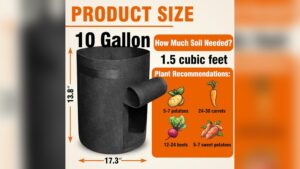
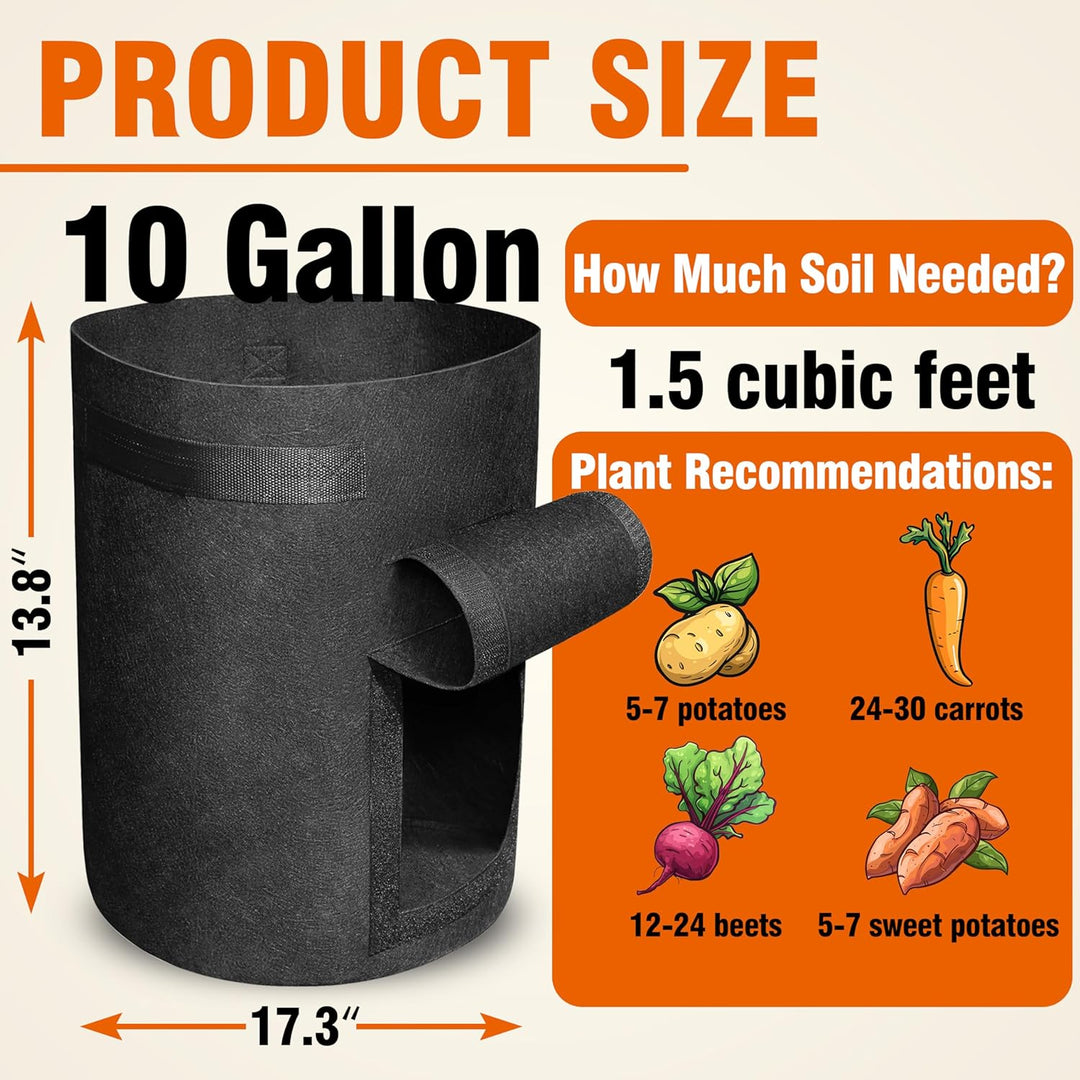
Grow bags have limited space for roots and tubers. Small bags restrict potato growth and reduce yield. Choose bags at least 10-15 gallons for one or two seed potatoes. Larger bags allow more room for tuber expansion. Avoid overcrowding by planting fewer potatoes per bag. Proper spacing improves air flow and nutrient access.
Credit: gardzenonline.com
Conclusion
Choosing the right grow bag size helps your potatoes grow healthy and strong. A bag around 10 to 15 gallons usually works best. Smaller bags limit growth and reduce your harvest. Larger bags give potatoes room to spread and produce more tubers.
Remember to add soil gradually as plants grow for better results. Water regularly and keep bags in a sunny spot. Using proper grow bags makes potato gardening simple and rewarding. Try different sizes to see what works well for your space and needs.