What Size Grow Bag for Watermelon: Ultimate Guide for Thriving Fruits
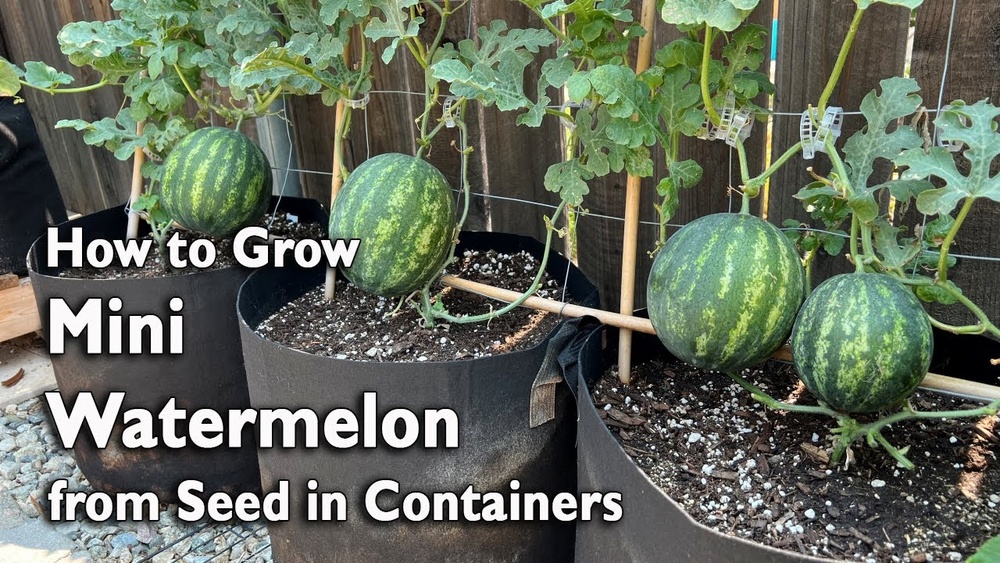
Are you ready to grow juicy, sweet watermelons right at home but unsure about the perfect grow bag size? Choosing the right grow bag is the first step to a successful harvest.
Too small, and your watermelon won’t have enough space to thrive; too large, and you might waste time and resources. In this guide, you’ll discover exactly what size grow bag you need to grow big, delicious watermelons, whether you have a small balcony or a backyard garden.
Keep reading to unlock the secrets that will help your watermelon plants flourish and yield the fruit you crave!

Credit: www.reddit.com
Ideal Grow Bag Sizes
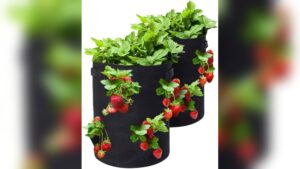
Choosing the right grow bag size is key for healthy watermelon plants. Watermelons need enough space for roots to grow strong. The size depends on the variety you want to plant. Small, standard, and giant watermelons all have different space needs.
Using the correct grow bag helps watermelons get enough nutrients and water. It also supports good air flow to the roots. This leads to bigger, sweeter fruits.
Small Varieties
Small watermelon types need less space. A grow bag around 10 to 15 gallons works well. This size holds enough soil for roots to spread. It keeps the plant stable and healthy. Small varieties grow fast and fit in smaller gardens.
Standard Watermelons
Standard watermelons need more room than small types. Use a grow bag of 20 to 25 gallons. This size provides enough soil to support bigger plants. Roots can grow deep and wide. This helps the fruit develop fully and taste sweet.
Giant Watermelon Needs
Giant watermelons require the largest grow bags. Choose bags that hold 30 gallons or more. These bags give space for strong root systems. Large roots bring more nutrients and water to the plant. Giant watermelons grow heavy and need solid support.
Soil And Drainage Tips
Choosing the right soil and ensuring good drainage are key for growing healthy watermelons in grow bags. Watermelons need soil that holds moisture but also drains well to prevent root rot. Proper soil and drainage support strong roots and better fruit development.
Best Soil Mix
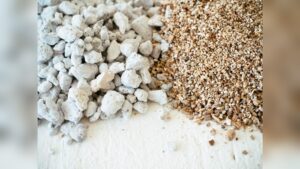
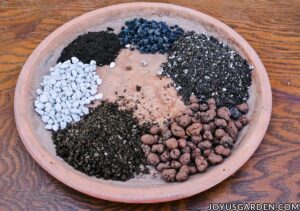
Use a soil mix rich in organic matter. Combine garden soil, compost, and coconut coir or peat moss. This mix keeps moisture while allowing air flow. Add some sand or perlite to improve drainage. Avoid heavy clay soils that hold too much water. The soil should be loose and crumbly to help roots grow easily.
Ensuring Proper Drainage
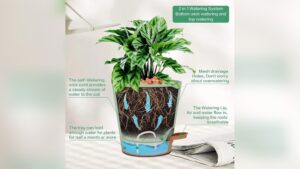
Drainage holes in the grow bag are a must. Make sure the holes are large enough to let excess water escape. Place the grow bag on a raised surface to avoid water pooling underneath. Check drainage regularly during watering. Good drainage prevents waterlogging and root diseases. Using a layer of small stones or broken pottery at the bottom also helps water flow out better.
Planting Watermelon Seeds
Growing watermelon from seeds is an exciting and rewarding process. It starts with choosing the right seeds and planting them properly. Careful attention during planting helps the seedlings grow strong. Healthy seedlings lead to large, juicy watermelons later.
Using a grow bag is a great way to plant watermelon, especially if space is limited. Proper seed selection and planting depth matter. Spacing the seeds correctly helps each plant get enough room to grow. These steps improve your chances of a good harvest.
Seed Selection
Choose seeds that suit your climate and growing conditions. Pick varieties known for container or grow bag growth. Look for disease-resistant seeds. Fresh seeds have higher germination rates. Avoid old or damaged seeds. Seed packets usually list planting information. Use that to guide your choice.
Planting Depth And Spacing
Plant seeds about 1 inch deep in the soil. This depth helps seeds sprout well. Keep the soil moist but not wet. Space seeds at least 12 inches apart in the grow bag. Watermelon vines need space to spread. Thin seedlings if they grow too close. Proper spacing prevents crowding and disease.
Watering And Feeding
Watering and feeding watermelon plants in grow bags requires careful attention. Proper water and nutrient supply keeps the plants healthy and fruits sweet. Watermelons need consistent moisture but dislike soggy soil. Fertilizers provide essential nutrients for strong growth and fruit development.
Watering Schedule
Water watermelon plants deeply and regularly. Aim to keep the soil moist but not wet. Water early in the morning to reduce evaporation. During hot weather, water daily or every other day. Reduce watering when fruits start to ripen to improve sweetness. Avoid letting the soil dry out completely. Using grow bags helps control water drainage well.
Fertilizer Recommendations
Start with a balanced fertilizer when planting watermelon seeds. Use one with equal parts nitrogen, phosphorus, and potassium. After the vines grow, switch to a fertilizer higher in potassium. This supports fruit growth and sweetness. Feed plants every two weeks during the growing season. Organic options like compost or fish emulsion work great. Avoid over-fertilizing as it can harm the plant and fruit quality.
Supporting Growth In Bags
Supporting watermelon growth in grow bags requires smart techniques. Watermelon vines spread wide and heavy fruits need strong support. Bags limit soil space, so guiding vines is crucial. Proper support prevents damage and helps fruit develop well.
Using the right supports can keep plants healthy and improve yield. Careful management of vine growth saves space and energy. These steps ensure watermelons grow strong in confined spaces.
Using Trellises And Supports
Trellises help watermelons grow upward, saving ground space. Use sturdy materials like wood or metal for the trellis frame. Tie vines loosely with soft ties to avoid damage. Supports keep fruits off the soil, reducing rot risk. A vertical setup also improves air flow around plants.
Managing Vine Growth
Watermelon vines grow fast and can become tangled. Prune side shoots regularly to focus energy on main stems. Train vines along the trellis or let them trail gently. Remove old or weak leaves to improve sunlight access. Keep the grow bag soil moist but not waterlogged for steady growth.

Credit: www.youtube.com
Pest And Disease Control
Pest and disease control is crucial when growing watermelon in grow bags. Pests can damage leaves, stems, and fruits. Diseases can stunt growth or ruin the harvest. Protecting your watermelon plants helps ensure a healthy crop. Using the right size grow bag also supports strong growth, making plants less vulnerable to pests and diseases.
Common Pests
Watermelon plants face several common pests. Aphids suck sap from leaves and stems, causing yellow spots. Spider mites create tiny webs and lead to leaf damage. Whiteflies feed on the plant juices, weakening the vines. Squash bugs attack leaves, making them wilt and dry. Each pest reduces the plant’s ability to grow well.
Preventive Measures
Choose a grow bag size that allows good air circulation around the plant. This helps reduce humidity and stops fungal diseases. Inspect plants regularly for pests. Remove affected leaves or insects by hand. Use natural sprays like neem oil to keep pests away. Avoid overwatering to prevent root rot and fungal problems. Keep the area clean by removing fallen leaves and debris.
Harvesting Tips
Harvesting watermelon at the right time ensures the best flavor and texture. Knowing when to pick your fruit is key to enjoying a sweet, juicy watermelon. This section shares simple tips to recognize ripeness and pick watermelons at their peak.
Signs Of Ripeness
Check the watermelon’s color first. A ripe melon has a deep green skin with a creamy yellow spot where it rested on the ground. The skin looks dull, not shiny. A shiny surface means it needs more time to grow.
Tap the watermelon gently. A ripe one sounds hollow and deep. If the sound is dull or flat, the fruit is not ready yet. Also, look at the tendril near the stem. When it turns brown and dries out, the watermelon is usually ripe.
Two-finger Rule Explained
The two-finger rule helps find the perfect ripeness. Look for the darker green area between the two white stripes on the watermelon. Try to fit two fingers side by side into this area. If they fit comfortably, the watermelon is ripe and ready to harvest.
This simple test works well for many watermelon varieties. It helps avoid picking too early or too late. Use it along with other ripeness signs for best results.

Credit: attemptinggreen.wordpress.com
Troubleshooting Common Issues
Growing watermelons in grow bags can be rewarding but comes with challenges. Knowing how to fix common problems helps ensure healthy plants and tasty fruit. Many issues arise from size, water, or nutrient mistakes.
This section covers two frequent problems: yellowing leaves and small fruit. Solving these improves your watermelon growth and yield.
Yellowing Leaves
Yellow leaves often show nutrient or water stress. Overwatering causes roots to stay wet and weak. Underwatering makes leaves dry and turn yellow.
Lack of nitrogen also causes yellow leaves. Watermelon plants need steady nutrients for green, strong leaves.
Check soil moisture regularly. Water only when the top feels dry. Use a balanced fertilizer with nitrogen every two weeks.
Too small a grow bag limits root growth and nutrient uptake. Choose at least a 15-gallon bag to avoid this problem.
Small Fruit Problems
Small watermelons result from poor pollination or crowded roots. Without enough space, fruit cannot grow large.
Pollination needs bees or hand pollinating. Without it, fruits stay tiny or drop early.
Too small a grow bag restricts root space, causing small fruit. Select a grow bag 20 gallons or larger for big watermelons.
Ensure full sun and feed plants with phosphorus and potassium to support fruit growth.
Maximizing Space In Urban Gardens
Urban gardens often face space limits. Growing watermelons in grow bags helps save ground area. Smart planning lets you fit large plants in small spaces. Using the right size grow bag supports healthy growth and fruit size. Pairing space-saving techniques boosts your garden’s productivity.
Container Placement
Place grow bags where watermelons get full sun, at least six hours daily. Keep bags off cold floors to avoid root chill. Use shelves or stands to save floor space. Arrange bags to allow air flow between plants. This reduces disease risk and helps vines spread.
Companion Planting
Choose plants that grow well with watermelons in the same container area. Beans and peas add nitrogen to the soil, helping watermelon growth. Avoid tall plants that block sunlight from watermelon leaves. Plant herbs like basil nearby to repel pests. Companion planting makes the most of limited garden space.
Conclusion
Choosing the right grow bag size helps watermelon plants thrive well. A 15 to 20-gallon grow bag provides enough space for roots to grow. This size supports healthy fruit development and strong vines. Using a smaller bag limits growth and reduces fruit size.
Always pick a grow bag with good drainage to avoid waterlogging. Growing watermelons in proper containers makes gardening easier and more successful. Remember, the right grow bag size improves your chance of a sweet, juicy harvest.