What Size Grow Bag for Sweet Potatoes: Ultimate Guide for Big Harvests
Are you ready to grow your own delicious sweet potatoes but wondering what size grow bag you really need? Choosing the right grow bag is key to giving your sweet potatoes enough room to thrive and produce a bountiful harvest.
Too small, and your tubers might get cramped; too big, and you could be wasting space and effort. In this guide, you’ll discover the perfect grow bag size tailored for sweet potatoes—so you can maximize your yield whether you’re gardening on a balcony, patio, or backyard in Austin, Texas, or anywhere else.
Keep reading to find simple, practical tips that will help your sweet potato plants flourish and make your growing experience easy and rewarding!
Credit: homegrownfun.com
Choosing Grow Bag Size
Choosing the right grow bag size matters for sweet potatoes. It affects root growth and harvest size. Sweet potatoes need enough space to develop tubers well. Grow bags come in small, medium, and large sizes. Each size fits different growing goals and space limits.
Small Bags For Single Plants
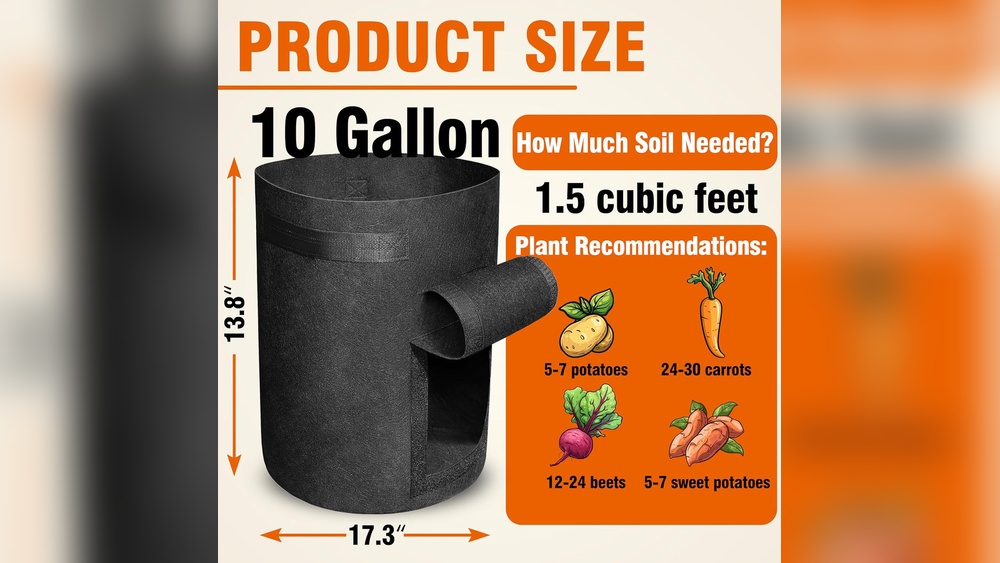
Small grow bags hold about 5 to 7 gallons of soil. They fit one sweet potato slip comfortably. These bags are easy to move and manage. Small bags work well for patios or small gardens. They offer just enough room for tubers to grow. Ideal for beginners or limited spaces.
Medium Bags For Multiple Slips
Medium grow bags hold around 10 to 15 gallons of soil. These bags allow planting two to three slips. More space lets tubers spread wider and deeper. Medium bags give a bigger harvest than small ones. They fit well in medium-sized gardens or balconies. These bags balance space and ease of use.
Large Bags For Maximum Yield
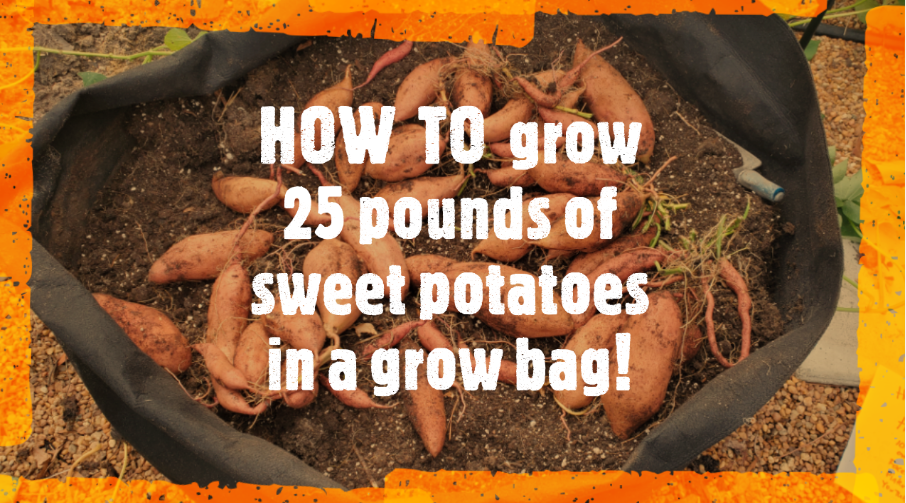
Large grow bags hold 20 gallons or more of soil. They support four or more slips for a big harvest. Large bags give roots plenty of room to grow freely. These bags are heavy and harder to move when full. Best to place them in their final spot first. Perfect for gardeners wanting a large sweet potato crop.
Key Features Of Grow Bags
Choosing the right grow bag for sweet potatoes depends on several key features. These features affect root growth, plant health, and overall yield. Understanding them helps you pick the best size and type for your garden. Grow bags come with benefits like better aeration and drainage, which are crucial for sweet potatoes. Below are important points to consider when selecting a grow bag.
Width Vs Height Considerations
Width matters more than height for sweet potatoes. A wider bag lets tubers spread out horizontally. This space supports healthy root development and larger harvests. Taller bags hold more soil but limit lateral root growth. Sweet potatoes grow best with room to expand sideways. Choose a grow bag wide enough for multiple slips if you want more plants.
Benefits Of Air Pruning
Grow bags made of fabric allow air pruning of roots. Air pruning stops roots from circling inside the bag. Instead, roots branch out and grow stronger. This process improves nutrient absorption and plant health. Air pruning also prevents root rot by keeping roots well-aerated. This feature makes grow bags better than plastic pots for sweet potatoes.
Importance Of Drainage
Good drainage is vital for sweet potato grow bags. Excess water can cause roots to rot quickly. Grow bags with many drainage holes or breathable fabric prevent water buildup. Proper drainage keeps soil moist but not soggy. This balance helps roots get enough oxygen and avoid diseases. Always check that your grow bag drains well before planting.
Soil And Filling Tips
Choosing the right soil and filling your grow bag correctly helps sweet potatoes thrive. Healthy soil supports root growth and tuber development. Proper filling ensures good drainage and aeration for the plants. Follow these simple tips for the best results.
Best Soil Mix For Sweet Potatoes
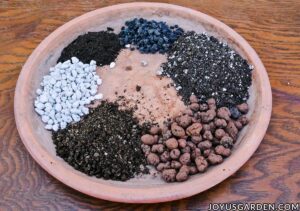
Sweet potatoes grow best in loose, well-draining soil. Use a mix of equal parts potting soil, peat moss, and coarse sand. This blend keeps the soil light and airy. Avoid heavy clay soils that hold too much water. Good drainage prevents root rot and promotes strong tubers.
Adding Compost And Nutrients
Adding compost improves soil fertility and texture. Mix one part compost into your soil blend before filling the bag. Compost adds important nutrients and beneficial microbes. Use a balanced organic fertilizer high in potassium and phosphorus. These nutrients support sweet potato growth and sweet tubers.
Filling And Placement Advice
Fill the grow bag about three-quarters full with the prepared soil mix. Leave space for watering and root expansion. Place the bag in a sunny spot with at least six hours of direct sunlight. Avoid areas prone to waterlogging. Good air circulation around the bag helps prevent diseases.

Credit: homegrownfun.com
Planting Sweet Potato Slips
Planting sweet potato slips is the first step to a successful harvest. These young shoots grow from mature sweet potatoes. Planting them properly in grow bags helps the roots develop well. Proper planting ensures healthy plants and good tuber growth. Choosing the right grow bag size supports the slips as they grow.
Preparing Slips For Planting
Start by gently removing slips from the mature sweet potato. Choose slips that are 6 to 12 inches long with healthy leaves. Trim the bottom of each slip slightly to expose fresh stems. Soak the slips in water for a few hours before planting. This helps them absorb moisture and boosts root growth.
Spacing Slips In Grow Bags
Place slips evenly in the grow bag. For a 10 to 15-gallon grow bag, plant two to three slips. Keep at least 6 to 8 inches between each slip. This space allows roots to spread and tubers to form. Avoid overcrowding to prevent poor air flow and competition for nutrients.
Initial Watering And Care
Water the slips thoroughly after planting. The soil should be moist but not soggy. Keep the grow bag in a warm, sunny spot. Check soil moisture daily to keep it consistent. Too much water can cause rot, while too little slows growth. Provide gentle care during the first two weeks for strong roots.
Maintenance And Growth
Proper maintenance supports healthy growth of sweet potatoes in grow bags. Regular care helps tubers develop fully and prevents common problems. Pay attention to watering, pest control, and vine management. These steps keep plants strong and productive.
Watering Schedule
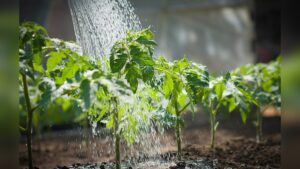
Sweet potatoes need consistent moisture but dislike soggy soil. Water grow bags deeply once or twice a week. Increase watering during hot, dry weather. Let the top inch of soil dry before watering again. Avoid overwatering to prevent root rot and other diseases.
Managing Pests And Diseases
Check plants regularly for pests like aphids and beetles. Remove insects by hand or use gentle insecticidal soap. Watch for signs of disease such as yellow leaves or mold. Remove affected leaves quickly. Good air flow around grow bags reduces disease risk.
Supporting Vines In Bags
Sweet potato vines spread and may need support. Use small stakes or trellises to guide vines upward. This saves space and improves air circulation. Keep vines off the ground to reduce pest problems. Trim any overly long vines to focus energy on tuber growth.
Harvesting From Grow Bags
Harvesting sweet potatoes from grow bags is a rewarding experience. The process is simpler than traditional ground harvesting. Grow bags keep the tubers contained and make it easier to check on their progress. Proper harvesting ensures you get the best quality and size from your crop.
Signs Of Maturity
Sweet potatoes are ready to harvest about 90 to 120 days after planting. Look for yellowing or dying leaves on the vines. The leaves will start to dry and fall off naturally. The skin of the tubers will be firm and smooth. Avoid harvesting too early, as the tubers may be small and less sweet.
How To Harvest Without Damage
Carefully tip the grow bag on its side to access the tubers. Gently shake the soil away from the roots by hand. Use your fingers to loosen the soil around each sweet potato. Avoid using sharp tools that can cut or bruise the tubers. Handle the sweet potatoes with care to prevent bruising or breaking.
Post-harvest Care
After harvesting, allow the sweet potatoes to cure in a warm, dry place for 7 to 10 days. This process helps to thicken the skin and improve flavor. Keep them out of direct sunlight during curing. Store cured sweet potatoes in a cool, dark, and well-ventilated area. Proper storage can keep them fresh for several months.
Maximizing Harvest Size
Maximizing the harvest size of sweet potatoes starts with choosing the right grow bag. The size of the bag directly affects root development and the number of tubers you can produce. Bigger bags often lead to a bigger harvest, but only if used correctly. Understanding how to use larger bags, optimize growing conditions, and avoid common errors can help you grow healthy, abundant sweet potatoes.
Using Larger Bags Effectively
Larger grow bags give sweet potatoes more room to spread. Tubers need space to grow wide and deep. A bag around 15 to 20 gallons works well for several slips. Place the bag in a sunny spot that stays warm. Fill the bag with loose, well-draining soil to prevent waterlogging. Avoid moving large bags too much once filled, as this can disturb roots. Use stakes or supports if the bag is very tall. This helps keep the plant stable and healthy.
Optimizing Growing Conditions
Sweet potatoes need warm soil and plenty of sunlight. Keep the soil moist but not soggy. Water deeply when the top inch feels dry. Use balanced fertilizer to supply nutrients without overfeeding. Air pruning in fabric bags prevents root circling and promotes better tuber growth. Mulch the top to retain moisture and reduce weeds. Maintain good airflow around the grow bag to prevent fungal diseases. Regularly check for pests and remove any damaged leaves.
Common Mistakes To Avoid
Choosing a grow bag that is too small limits tuber size and number. Overwatering causes root rot and weak plants. Avoid heavy, compacted soil that blocks root growth. Do not overcrowd the bag with too many slips. This reduces air circulation and nutrient availability. Moving large grow bags often can damage roots and slow growth. Skipping pest checks leads to infestations that harm the harvest. Proper care and attention increase your chances of a large, healthy crop.
Mobility And Placement
Choosing the right grow bag size for sweet potatoes is not just about space. Mobility and placement play a big role in healthy growth and easy care. Sweet potatoes need sunlight and proper conditions. Moving the grow bags helps protect the plants from harsh weather. It also allows you to find the best spots for growth throughout the seasons.
Moving Grow Bags
Grow bags are lightweight and easy to move. Choose a size that is manageable when filled with soil. Smaller bags with one or two plants are easier to carry. Large bags hold more soil but can be heavy. Moving grow bags lets you adjust sunlight exposure daily. It also helps protect plants from strong winds or heavy rain.
Best Locations For Sunlight
Sweet potatoes need full sun for at least six hours daily. Place grow bags in spots with direct sunlight. South-facing balconies or patios work well. Avoid shaded areas near tall buildings or trees. Sunlight helps tubers grow large and sweet. Moving grow bags to follow the sun can boost growth.
Seasonal Considerations
Seasons affect where and when to place grow bags. In spring, start plants indoors or in a warm spot. Move bags outside after the last frost. During hot summer days, some afternoon shade may protect leaves from burning. In fall, bring grow bags indoors if frost threatens. Adjust placement to keep plants safe and healthy all year.
Credit: www.oakhillhomestead.com
Conclusion
Choosing the right grow bag size helps sweet potatoes grow strong. A bag around 15 to 20 gallons works best for one or two plants. It gives enough space for roots to spread and tubers to grow well. Wider bags are better than tall, narrow ones for planting slips side-by-side.
Make sure your grow bag drains well to keep soil healthy. Using fabric grow bags also helps air reach the roots, stopping them from getting crowded. Picking the right size grow bag leads to a better sweet potato harvest.