What Size Grow Bag for Strawberries: Ultimate Guide for Perfect Growth
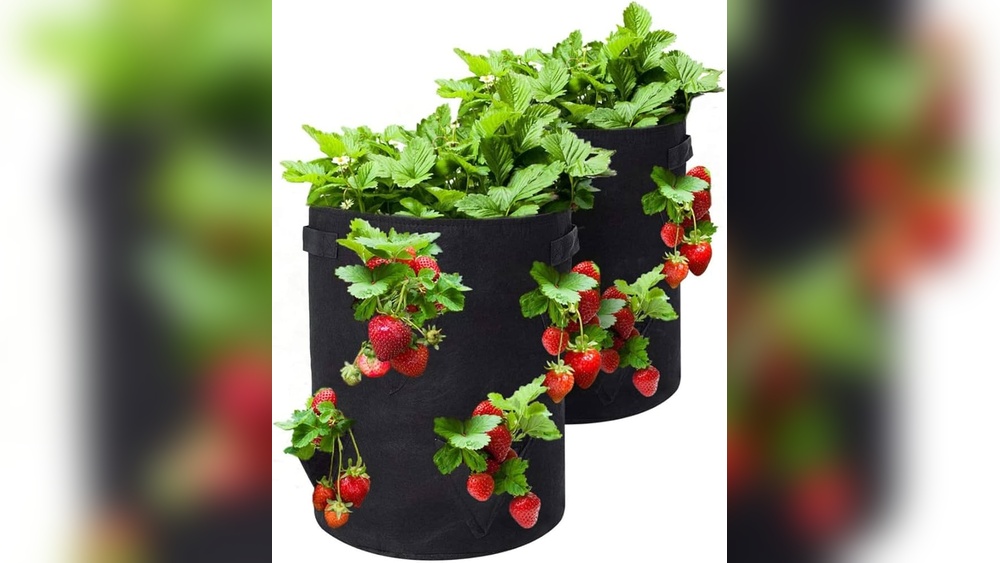
If you want juicy, fresh strawberries right at your fingertips, choosing the right grow bag size is crucial. Picking a grow bag that’s too small can stunt your plants and limit your harvest, while one that’s too big might waste space and resources.
But how do you know what size grow bag is perfect for your strawberries? You’ll discover simple, practical tips to help you select the ideal grow bag size that ensures healthy plants and bountiful fruit. Keep reading, and you’ll be ready to grow strawberries that thrive in your own space—whether it’s a sunny balcony, patio, or garden corner.
Grow Bag Sizes For Strawberries
Choosing the right grow bag size is key for healthy strawberry plants. The bag size affects root growth, water retention, and fruit production. Different sizes suit various spaces and strawberry varieties. Understanding each size helps you pick the best option for your garden.
Small Grow Bags
Small grow bags hold about 1 to 3 gallons of soil. They are perfect for limited spaces like balconies or windowsills. These bags usually fit one or two strawberry plants. Small bags dry out faster, so watering needs attention. Ideal for beginners or those with little space.
Medium Grow Bags
Medium grow bags contain 4 to 7 gallons of soil. These allow more room for roots and runners. They support three to five strawberry plants comfortably. Medium bags keep moisture longer than small ones. Suitable for patios, decks, or small gardens.
Large Grow Bags
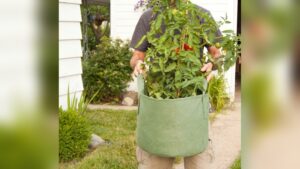
Large grow bags hold 8 gallons or more of soil. They offer plenty of space for multiple plants and runners. Large bags support healthy root systems and higher yields. Best for serious growers with enough outdoor space. These bags reduce the need for frequent watering.
Credit: www.amahort.com
Strawberry Varieties And Space Needs
Choosing the right size grow bag for strawberries depends on the variety you want to grow. Different strawberry types need different amounts of space. Understanding these needs helps plants grow healthy and produce more fruit. Below, find details about common strawberry varieties and their space requirements.
Compact Varieties
Compact strawberry plants stay small and bushy. They usually grow well in smaller grow bags. A bag with 10 to 12 inches in diameter works fine. These varieties do not spread much, so less space is needed.
Compact varieties fit well on balconies or small patios. They are easy to manage and harvest. Good drainage in the grow bag is important to keep roots healthy. These plants produce fruit close to the main plant, so crowding is less of a problem.
Runner Varieties
Runner strawberry plants send out long stems called runners. These runners grow new plants around the main one. Runner varieties need more space to spread.
A grow bag at least 14 to 16 inches wide is best for runner types. This gives room for the runners to root and grow. More depth, around 10 to 12 inches, helps develop strong roots.
Runner strawberries often produce more fruit but require more care. You must trim runners if space is limited. Proper spacing prevents plants from competing for nutrients and water.
Plant Spacing In Grow Bags
Plant spacing in grow bags is key for healthy strawberry plants. Proper spacing helps roots grow well and prevents crowding. Crowded plants compete for water, nutrients, and light. This lowers fruit quality and yield. Choosing the right grow bag size depends on how many plants you want.
Single Plant Setup
For one strawberry plant, use a grow bag at least 5 gallons in size. This gives enough room for roots to spread. Space the plant in the center of the bag. It ensures good air flow and soil moisture balance. A single plant needs about 12 inches of space around it. This helps avoid root damage and keeps the plant healthy.
Multiple Plants In One Bag
When planting several strawberries in one grow bag, size matters more. Choose a bag that holds 10 to 15 gallons of soil. Space each plant about 8 to 10 inches apart. This spacing helps reduce overcrowding and leaf disease. Use quality potting mix with good drainage. It supports many plants and keeps roots healthy.
Choosing The Right Grow Bag Material
Choosing the right grow bag material affects strawberry growth and health. The material influences air flow, moisture retention, and root space. Different materials suit different growing needs and environments. Selecting the best type helps strawberries thrive and produce more fruit.
Fabric Grow Bags
Fabric grow bags offer excellent air circulation for roots. They prevent root circling and promote healthy root systems. These bags drain well, reducing the risk of waterlogging. Fabric bags are lightweight and easy to move. They also help keep soil temperature stable.
Plastic Containers
Plastic containers hold moisture longer than fabric bags. They are sturdy and often come in various sizes and shapes. These containers may need extra drainage holes to avoid water buildup. Plastic keeps soil warm but can limit air flow to roots. They are reusable and easy to clean.
Upside Down Grow Bags
Upside down grow bags save space and reduce pests on fruit. They allow strawberries to hang, keeping them clean and dry. These bags have good drainage but less soil volume. They suit small spaces like balconies or patios. Air flow is good around the hanging plants.
Soil And Drainage Tips
Healthy strawberries need good soil and drainage in their grow bags. The right soil and drainage help roots grow strong. They also stop water from sitting and causing root rot. This section covers how to choose the best potting mix and how to ensure proper drainage for your strawberry grow bags.
Potting Mix Quality
Use a light, well-aerated potting mix for strawberries. Avoid heavy garden soil that can compact and block air. A mix with peat moss or coconut coir holds moisture but drains well. Add perlite or vermiculite to improve air flow and drainage. Nutrient-rich soil helps plants grow healthy and produce more fruit. Choose a potting mix labeled for vegetables or fruits for best results.
Ensuring Good Drainage
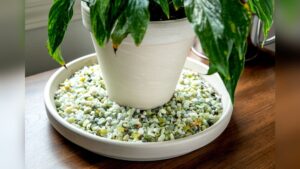
Drainage holes in grow bags prevent water from pooling at the roots. Too much water can cause root rot and kill plants. Check that your grow bag has enough holes at the bottom and sides. Elevate the grow bag slightly to let water flow out easily. Use a tray under the bag to catch excess water but empty it regularly. Proper drainage keeps roots healthy and strawberries thriving.
Fertilization And Maintenance
Proper fertilization and maintenance keep strawberry plants healthy and productive in grow bags. Feeding and watering impact fruit quality and plant growth. A steady care routine ensures strong roots and vibrant berries.
Feeding Schedule
Start feeding strawberries two weeks after planting. Use a balanced fertilizer with equal nitrogen, phosphorus, and potassium. Feed every three to four weeks during the growing season. Avoid overfeeding to prevent leaf burn. Slow-release fertilizers work well in grow bags. Organic options like compost tea also help. Stop feeding when berries start to ripen to improve flavor.
Watering Tips
Strawberries need consistent moisture but dislike soggy soil. Water grow bags deeply to reach all roots. Check soil moisture daily, especially in hot weather. Water early in the morning to reduce evaporation. Avoid wetting leaves to prevent disease. Use drip irrigation or a watering can for control. Proper drainage in grow bags prevents root rot.
Maximizing Strawberry Yield
Strawberries grow best in the right conditions. Choosing the proper grow bag size helps plants thrive. A larger bag offers more space for roots and nutrients. This encourages healthy growth and more fruit.
Managing runners and providing enough sunlight are key to a good harvest. Careful attention to these details increases the strawberry yield significantly.
Runner Management
Strawberries produce runners to spread and grow new plants. These runners take energy from the main plant. Removing some runners helps the main plant focus on fruit production. Leave only a few runners to root and grow.
Trim runners regularly to avoid overcrowding. Overcrowding reduces airflow and sunlight reaching the plants. This can cause fewer strawberries and increase disease risk. Proper runner management keeps plants healthy and productive.
Sunlight Requirements
Strawberries need at least six hours of direct sunlight daily. More sunlight means stronger plants and sweeter fruit. Place grow bags in a sunny spot outdoors or near a bright window. Avoid shaded or dark areas.
Good sunlight exposure helps plants make food through photosynthesis. This process supports flowering and fruit growth. Without enough light, strawberries produce less fruit and may become weak.
Common Challenges And Solutions
Growing strawberries in grow bags can be very rewarding, but it comes with some challenges. Understanding these common problems helps in finding simple solutions. Proper care ensures healthy plants and a good harvest.
Preventing Waterlogging
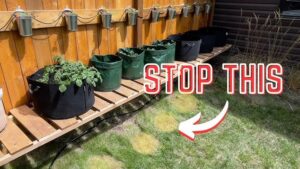
Waterlogging happens when water stays too long in the grow bag. It can cause root rot and harm your strawberries. Use grow bags with enough drainage holes. Check that water flows out freely after watering. Avoid overwatering by feeling the soil; it should be moist, not soggy. Add perlite or sand to the potting mix to improve drainage. Elevate the grow bag slightly to let excess water escape. These steps keep roots healthy and prevent water damage.
Pest Control In Grow Bags
Pests like aphids and spider mites can attack strawberries in grow bags. Regularly inspect plants for bugs and damage. Use a strong stream of water to wash off pests. Introduce natural predators like ladybugs to control harmful insects. Apply insecticidal soap safely to affected areas. Keep the area around grow bags clean to reduce pest hiding spots. Healthy plants resist pests better, so proper watering and feeding help too.
Where To Buy Grow Bags In Austin, Texas
Finding the right grow bag for your strawberries in Austin, Texas is simple. Many places offer quality grow bags suitable for strawberry plants. You can purchase grow bags locally or online. Each option has its benefits and suits different needs.
Local Garden Centers
Austin has several garden centers that sell grow bags. These stores often stock different sizes to fit your strawberry plants. Buying locally lets you see the product before purchase. Staff at garden centers can offer advice on the best grow bag size. Popular centers include Barton Creek Nursery and The Natural Gardener. They carry durable grow bags with good drainage, ideal for strawberries.
Online Retailers
Online stores provide a wide selection of grow bags for strawberries. Websites like Amazon, Etsy, and Drip Depot offer various sizes and styles. Shopping online allows easy price comparison and home delivery. Many sellers include detailed product descriptions to help you choose. You can also find specialty grow bags designed for better airflow and moisture control. This method saves time and broadens your options beyond local stock.

Credit: www.youtube.com

Credit: www.youtube.com
Conclusion
Choosing the right grow bag size helps your strawberries grow healthy and strong. A bag around 12 to 16 inches wide suits most strawberry varieties well. Ensure good drainage to avoid water buildup. Use quality soil and feed plants regularly for better fruit.
Small bags limit growth; bigger bags give runners space to spread. Proper spacing inside the bag prevents crowding and disease. Growing strawberries in the right-sized grow bag makes gardening easier and more enjoyable. Try different sizes to see what fits your space and needs best.