What Size Grow Bag for Potatoes: Ultimate Guide for Bumper Harvests
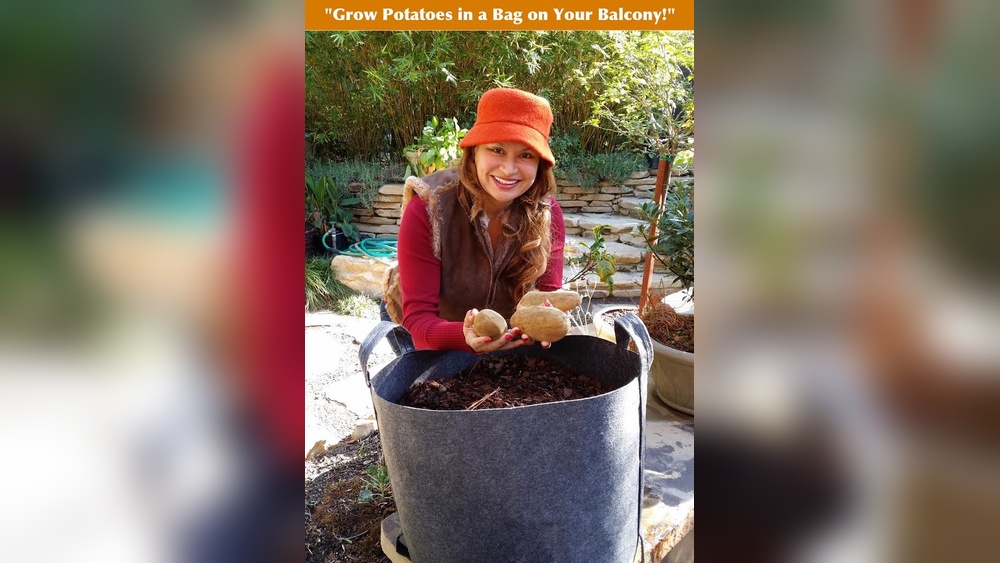
If you’re planning to grow potatoes at home, choosing the right grow bag size is one of the first and most important steps you need to take. You want your potatoes to have enough room to grow big and healthy, but you also don’t want to waste space or soil.
So, what size grow bag is best for potatoes? You’ll discover exactly how to pick the perfect grow bag that fits your space and gives your potatoes the best chance to thrive. Keep reading, and you’ll learn simple tips that can make your potato-growing experience a success from planting to harvest.
Choosing Grow Bag Sizes
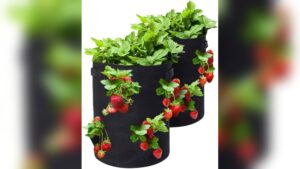
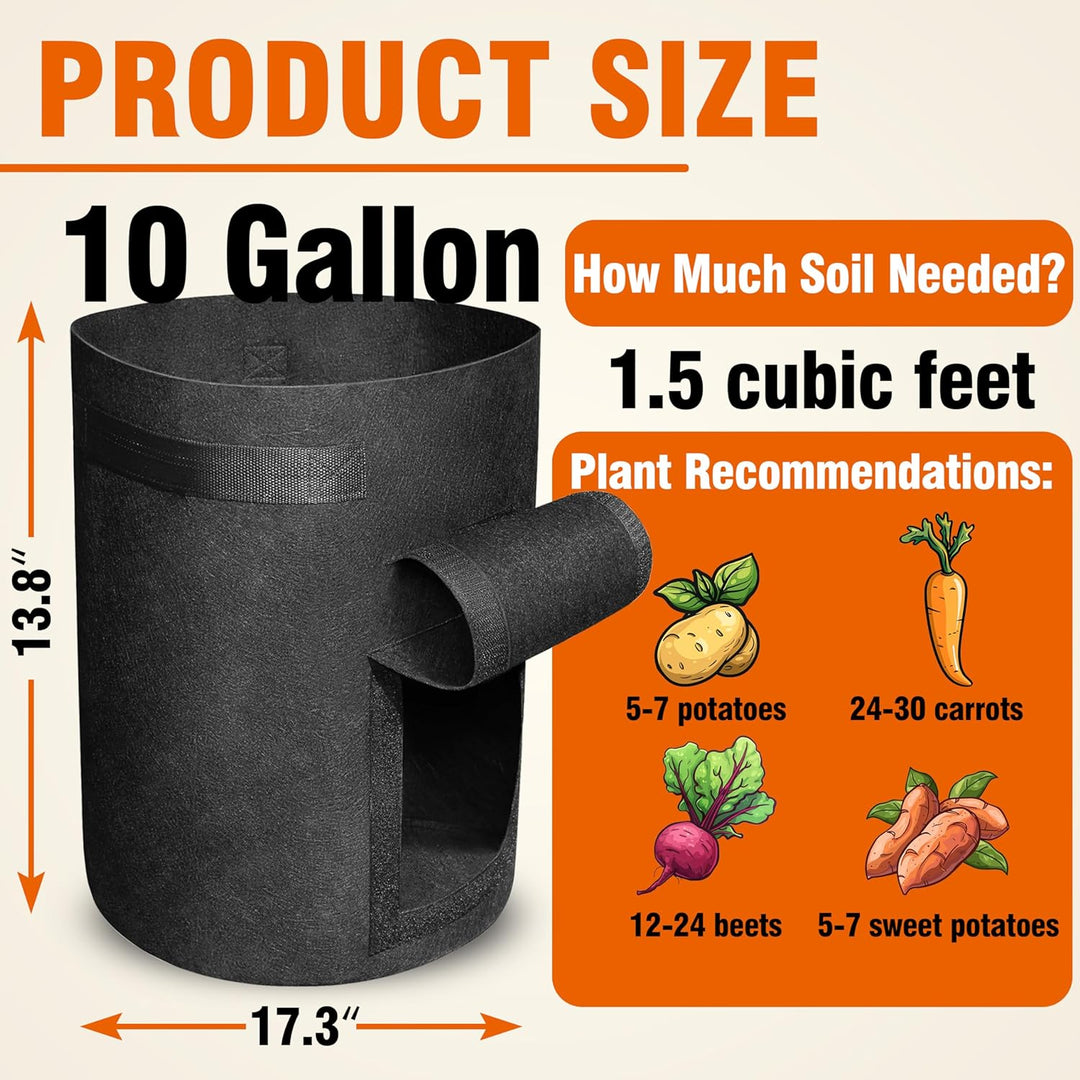
Choosing the right size grow bag for potatoes is key to a healthy harvest. The size affects how many potatoes you can grow and how well they develop. Different sizes suit different spaces and needs. Understanding the options helps you pick the best bag.
Small Bags For Limited Space
Small grow bags hold about 3 to 5 gallons of soil. They fit well on balconies, patios, or small gardens. These bags are perfect for growing a few potatoes for a small family. Plant two to three seed potatoes in each small bag. They require less soil but need careful watering and feeding to avoid drying out.
Medium Bags For Balanced Harvests
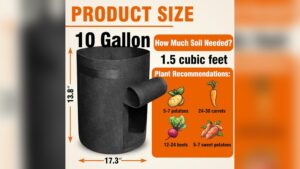
Medium grow bags hold 7 to 10 gallons of soil. They offer more room for roots and tubers to grow. This size is a good choice for gardeners with moderate space. Plant four to six seed potatoes in medium bags. They balance space, yield, and ease of care well. Medium bags produce a solid harvest without crowding plants.
Large Bags For Maximum Yield
Large grow bags hold 15 gallons or more of soil. They suit gardeners wanting a big potato harvest. These bags give plenty of room for roots and tubers. Plant eight or more seed potatoes in large bags. Large bags need more soil and water but yield the most potatoes. They work best in gardens or larger outdoor areas.
Credit: gardzenonline.com
Materials And Features
Choosing the right materials and features for your potato grow bag affects growth and yield. The bag must allow water to drain well, let air reach the roots, and last through many growing seasons. These qualities keep potatoes healthy and make gardening easier.
Drainage Importance
Drainage stops water from pooling at the roots. Excess water can cause rot and disease. A good grow bag has holes or a porous fabric to let water escape. This keeps soil moist but not soggy. Healthy drainage helps roots get oxygen too.
Breathable Fabrics
Breathable materials allow air to reach potato roots. This prevents the soil from becoming too wet or compacted. Fabrics like felt or non-woven polypropylene are common. They help roots grow strong by providing oxygen and good airflow.
Durability And Reusability
Durable grow bags resist tears and damage from weather. Thick fabric lasts through multiple seasons. Reusable bags save money and reduce waste. Choose bags with strong stitching and handles for easy moving. Quality grow bags protect your potatoes and your investment.
Planting Techniques
Growing potatoes in a grow bag needs careful planting techniques for a good harvest.
Proper planting helps potatoes get enough space, nutrients, and water. This section explains key steps.
Proper Spacing In Bags
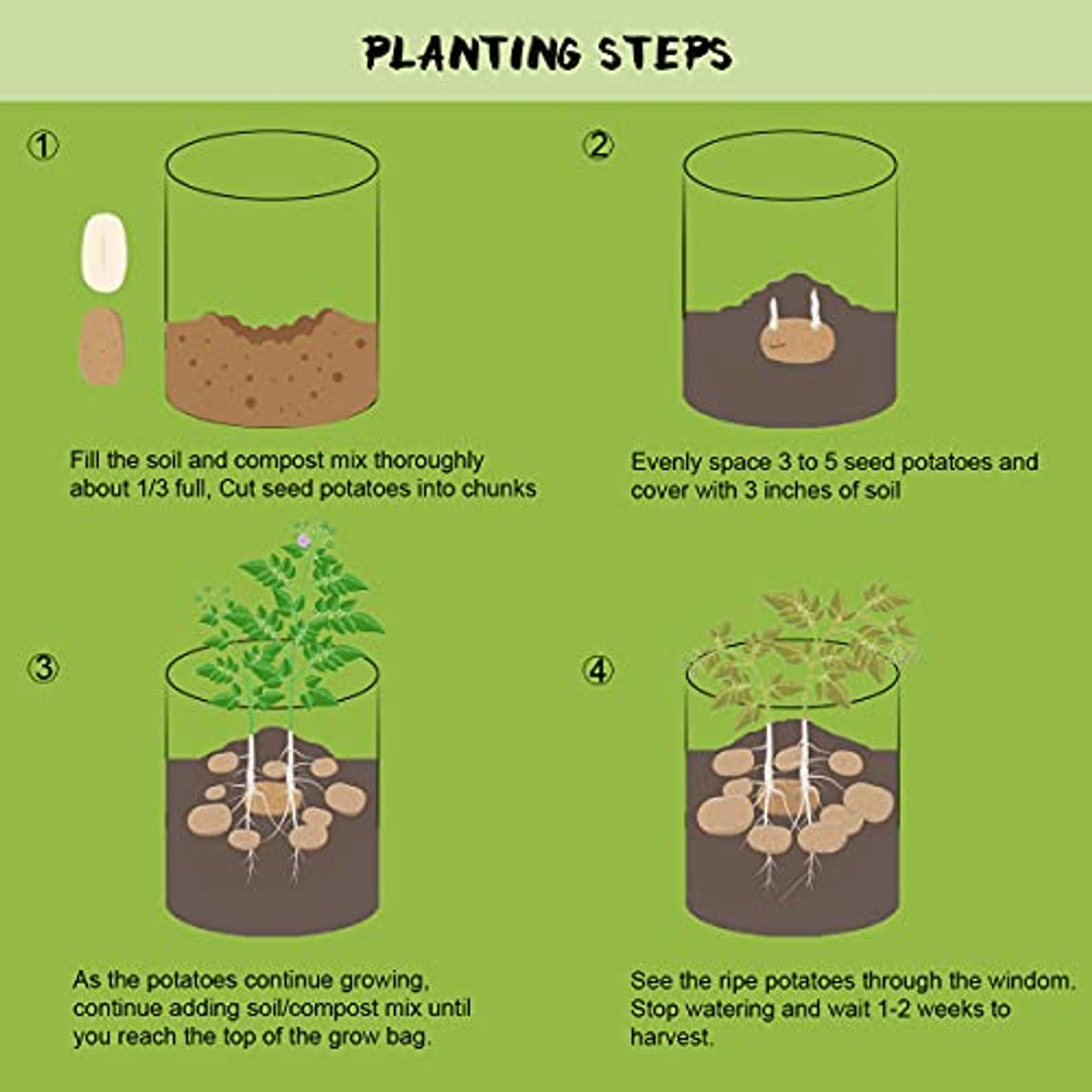
Space seed potatoes evenly in the grow bag to avoid crowding. Crowded potatoes may produce small tubers.
Plant each seed potato about 6 inches apart. This gives roots room to grow and spread.
Planting Depth Tips
Place seed potatoes 4 inches deep in the compost. Too shallow planting can cause exposure to sunlight.
Cover the seed potatoes with compost to protect them. This helps tubers develop underground safely.
Layering Compost As Plants Grow
Add more compost around stems as potato plants grow taller. This method is called “hilling.”
Hilling encourages more tuber growth by covering stems and providing fresh nutrients. Repeat layering every few weeks.
Credit: beatyourneighbor.com
Care And Maintenance
Proper care and maintenance help potatoes grow strong in grow bags. Consistent attention improves tuber size and yield. Simple daily steps can make a big difference. Focus on watering, feeding, and space management for best results.
Watering Strategies
Potatoes need steady moisture but not waterlogged soil. Water the grow bag when the top inch feels dry. Use enough water to soak the soil deeply. Avoid letting water pool at the bottom. Morning watering helps reduce disease risk.
Feeding And Fertilizing
Potatoes benefit from balanced nutrients during growth. Use a slow-release fertilizer at planting time. Feed plants with a liquid fertilizer every two weeks after shoots appear. Focus on potassium and phosphorus to support tuber development. Avoid too much nitrogen to prevent excess leaves.
Managing Overcrowding
Planting too many potatoes in one bag limits growth space. Use a grow bag at least 10 gallons for 3-4 seed potatoes. Thin seedlings to allow room for tubers to expand. Overcrowded plants produce smaller potatoes and weaker stems. Check growth regularly and adjust if needed.
Maximizing Potato Yield
Maximizing potato yield in grow bags starts with understanding plant needs. Proper soil levels, tuber care, and harvest timing all play key roles. Each step helps your potatoes grow bigger and healthier. Follow these simple tips to get the best results.
When To Add More Soil
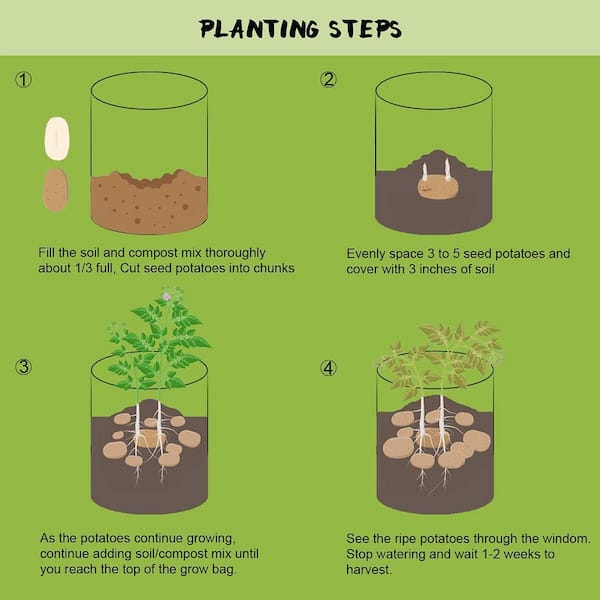
Start by covering seed potatoes with 3 to 4 inches of soil. As green shoots grow, add soil or compost to cover them again. This process is called “hilling” and supports more tuber growth. Keep adding soil until the bag is almost full, leaving a few inches at the top. This gives roots room to breathe and helps prevent rot.
Encouraging Tuber Development
Potatoes form tubers underground where stems are covered by soil. Adding soil gradually forces the plant to produce more tubers along the buried stems. Keep the soil moist but not wet to avoid rotting. Use a balanced fertilizer once the green leaves appear. This feeds the plant and boosts tuber size and number.
Harvest Timing
Harvesting at the right time is important for good yield. For new potatoes, dig gently about 8 weeks after planting. For mature potatoes, wait until leaves turn yellow and die back. Let the soil dry for a few days before harvesting to make it easier to remove the tubers. Handle potatoes carefully to avoid bruising them.
Troubleshooting Common Issues
Troubleshooting common issues is vital for a successful potato harvest in grow bags. Problems like rot, pests, and nutrient deficiencies can reduce yield or spoil your crop. Early detection and proper care can help your potatoes thrive.
Preventing Rot And Disease
Choose a grow bag with good drainage holes. Avoid overwatering as soggy soil causes rot. Use fresh, disease-free seed potatoes to lower infection risk. Keep the grow bag in a sunny spot with airflow. Remove any yellow or damaged leaves promptly.
Dealing With Pests
Common pests include aphids, potato beetles, and wireworms. Inspect plants regularly for signs of damage. Handpick visible pests off the plants. Use natural insecticidal soap spray for small infestations. Avoid chemical pesticides to protect the soil ecosystem.
Signs Of Nutrient Deficiency
Yellow leaves often indicate nitrogen deficiency. Pale or purple leaves may show phosphorus lack. Weak stems suggest low potassium levels. Use a balanced, slow-release fertilizer suited for potatoes. Feed plants every few weeks during growth for best results.
Grow Bag Alternatives
Grow bags are popular for growing potatoes, but other options work well too. These alternatives provide flexibility for gardeners with different spaces and needs. Choosing the right container affects potato growth and yield. Consider these options to find what fits best.
Using Buckets And Containers
Buckets and containers offer a sturdy, reusable option for potato growing. Use containers at least 12 inches deep to give tubers space. Make drainage holes to avoid waterlogging. Plastic or metal buckets work well but avoid toxic materials. They help control soil and moisture easily.
Raised Beds Vs. Grow Bags
Raised beds provide more soil volume and better drainage than grow bags. They allow roots to spread widely, improving tuber size. Raised beds need more space and effort to build. Grow bags are portable and use less soil. Both options suit different garden sizes and preferences.
Diy Grow Bag Options
DIY grow bags save money and allow customization. Use old fabric bags, burlap sacks, or thick plastic liners. Ensure good drainage by adding holes or using breathable fabric. Fill with quality soil and compost for healthy growth. DIY bags can be made in various sizes to fit your space.
Credit: www.homedepot.com
Conclusion
Choosing the right grow bag size helps your potatoes grow well. A medium to large bag gives enough space for tubers to develop. Avoid small bags to prevent overcrowding and poor growth. Water and feed your plants regularly for better results.
Growing potatoes in bags is simple and fun. Start with the right size to enjoy a healthy, tasty harvest.