What Size Grow Bag for Peppers: Ultimate Guide for Perfect Growth
If you’re ready to grow peppers but unsure about the right grow bag size, you’re not alone. Choosing the perfect grow bag can make all the difference in how healthy and productive your pepper plants become.
Too small, and your plants might struggle; too large, and you could waste space and soil. In this guide, you’ll discover exactly what size grow bag suits your pepper plants, whether you’re growing spicy jalapeños or sweet bell peppers. Keep reading to unlock simple tips that will help your peppers thrive and boost your harvest like never before.
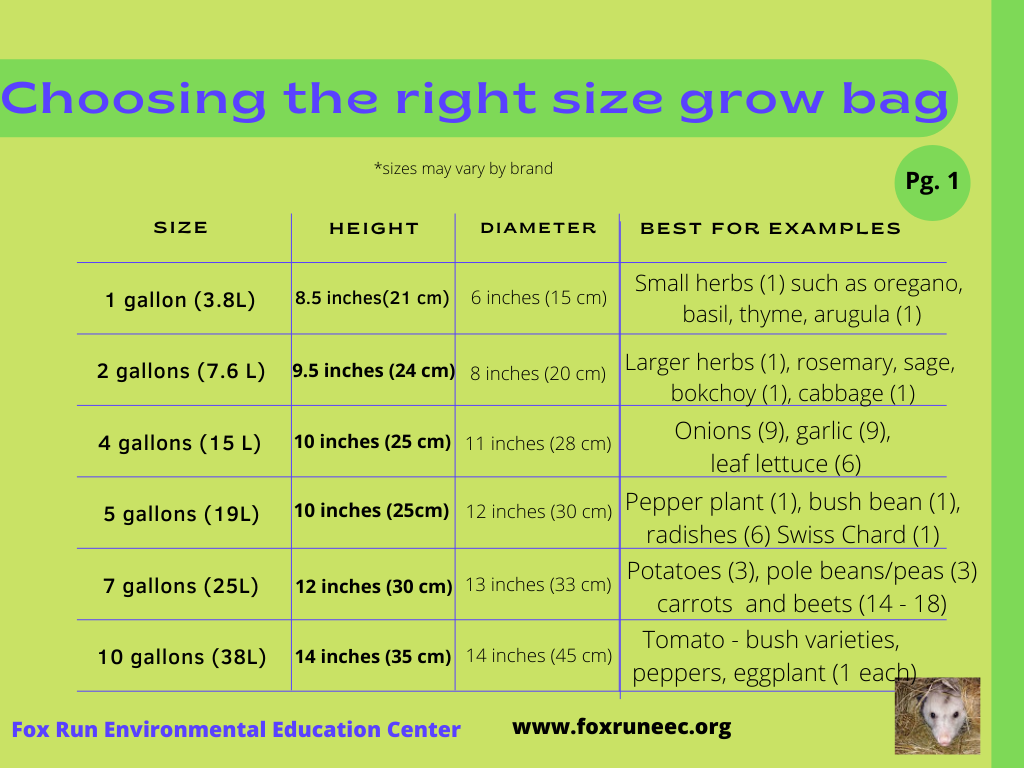
Grow Bag Sizes For Peppers
Choosing the right grow bag size for peppers is key to a healthy harvest. Peppers have different root and space needs based on their variety. Using the correct grow bag helps plants grow strong and produce well. It also prevents problems like waterlogging or root crowding.
Grow bags come in many sizes. Each size fits certain types of pepper plants better. Small bags suit small plants, while large bags support bigger, bushier peppers. Understanding these differences helps you pick the best grow bag for your peppers.
Small Varieties
Small pepper types, such as ornamental or mini peppers, do well in 1 to 2-gallon grow bags. These bags give enough room for roots but save space. Small bags are perfect for balconies or small patios. They keep plants healthy without wasting soil or water.
Standard Peppers
Most common pepper varieties need a 3 to 5-gallon grow bag. This size supports steady root growth and good fruit production. Standard peppers include jalapeños and cayenne. The grow bag size helps maintain moisture and nutrients for these plants.
Large Varieties
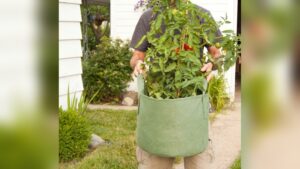
Big peppers like bell peppers require 5 to 7-gallon grow bags. These peppers grow larger and need more space for roots. Large grow bags prevent the soil from drying out quickly. They also help plants stay stable as fruits become heavy.
Super-hot Peppers
Super-hot peppers, such as ghost peppers and habaneros, thrive in 5 to 10-gallon grow bags. These plants need space for deep roots and strong growth. Bigger bags help keep the soil cool and moist. This size supports long growing seasons and heavy yields.
Choosing Based On Pepper Type
Choosing the right grow bag size depends heavily on the type of pepper you plan to grow. Different pepper varieties vary in size and root depth. Selecting an appropriate grow bag helps your pepper plants thrive by providing enough space for roots and nutrients. This section covers grow bag sizes suited for common pepper types.
Bell Peppers And Poblanos
Bell peppers and poblanos are larger pepper plants. They develop strong stems and need space for roots to spread. A grow bag of at least 5 gallons is ideal for these peppers. This size supports healthy growth and fruit production. Using smaller bags can limit growth and reduce yield. These peppers also benefit from good drainage and aeration in the grow bag.
Ornamental And Mini Varieties
Ornamental and mini pepper varieties stay small and compact. They do not require large grow bags. A 2 to 3 gallon grow bag is usually enough for these types. Smaller bags save space and soil while still supporting plant health. These peppers are perfect for balconies or small patios. Choose a grow bag that matches the plant size for best results.
Yield And Growth Considerations
Choosing the right grow bag size affects both pepper plant growth and yield. Peppers need enough space for roots to spread and develop. Too small a container can stunt growth and reduce fruit production. The right size balances plant size with available space and desired harvest.
Understanding how container size influences pepper plants helps gardeners plan better. Healthy root systems support strong stems, leaves, and fruits. Proper container size also improves water retention and nutrient availability. These factors directly impact how many peppers your plant can produce.
Container Size Vs. Plant Size
Peppers vary in size, so container needs differ. Small pepper varieties grow well in 2 to 3-gallon grow bags. Larger varieties like bell peppers require 5 gallons or more. Bigger plants need more room for roots to avoid crowding. Crowded roots limit water and nutrient uptake, slowing growth.
Grow bags smaller than 2 gallons often cause stress and poor yields. Deep and wide containers allow roots to spread freely. This supports healthier plants with stronger branches. Choosing a grow bag that matches plant size helps peppers reach full potential.
Maximizing Pepper Yield
Using a grow bag of at least 5 gallons usually increases pepper yield. Larger containers hold more soil and moisture. This reduces the risk of drying out quickly. Consistent moisture encourages steady fruit development. Nutrient-rich soil in a big grow bag boosts plant health.
Space plants properly and provide support like stakes or cages. This prevents damage and promotes air circulation. Regular feeding with balanced fertilizer improves flowering and fruit set. Maximizing yield means giving peppers room, water, and nutrients in the right container size.
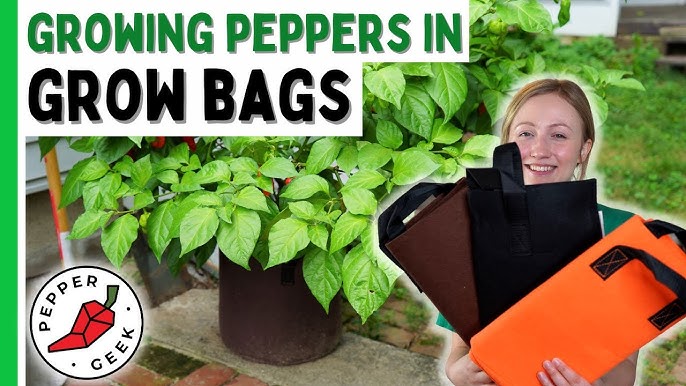
Credit: www.youtube.com
Support And Stability In Grow Bags
Support and stability play a key role in growing healthy pepper plants in grow bags. These plants can grow tall and heavy with fruit. Without proper support, they may fall over or break. Grow bags offer flexibility but need extra care to keep plants steady. Strong support helps plants grow upright and produce better yields. It also prevents damage to roots and stems. Using the right methods can keep your pepper plants safe and thriving in grow bags.
Using Plant Cages
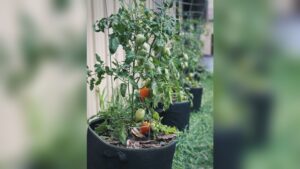
Plant cages provide excellent support for peppers in grow bags. They surround the plant and hold branches upright. Cages stop branches from bending or breaking under fruit weight. Metal or plastic cages work well for peppers. Place the cage around the seedling early for best results. As the plant grows, tie branches gently to the cage for extra stability. This keeps peppers off the ground and reduces pest risk. Cages also help air move freely around the plant, lowering disease chances.
Preventing Toppling
Grow bags can tip over if plants get too heavy or windy. Use wide, sturdy grow bags to add stability. Place grow bags on flat, level surfaces to avoid tipping. Add stones or weights around the bag base for extra balance. Avoid overwatering, as soggy soil can make bags unstable. Secure tall plants with stakes or ties to prevent swaying. Regularly check the plant’s position and adjust supports as needed. Preventing toppling keeps roots safe and encourages steady growth.
Mobility And Space Efficiency
Choosing the right size grow bag for peppers affects mobility and space use. Peppers need enough room for roots but should also fit your available space. Grow bags offer flexibility to move plants and save space in small areas. This makes them ideal for urban gardens and patios.
Moving Grow Bags Easily
Grow bags are lightweight compared to pots. This allows easy moving of pepper plants to catch sunlight or avoid harsh weather. Handles on grow bags make lifting simple. Moving plants helps control growth and keeps peppers healthy. It also frees space for other gardening tasks.
Optimizing Limited Spaces
Grow bags come in many sizes, fitting balconies or small yards. Choose smaller bags for compact spaces and dwarf pepper varieties. Place bags close but leave room for airflow. Using vertical stands or shelves can increase your growing area. This setup maximizes yield without needing a large garden.
Soil And Drainage Tips
Choosing the right soil and drainage for peppers in grow bags is essential for healthy plants. Good soil provides nutrients and supports root growth. Proper drainage prevents waterlogging, which can harm pepper roots. Both factors help peppers grow strong and produce tasty fruits.
Best Soil Mixes
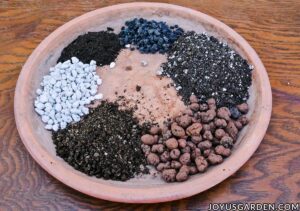
Use a light, well-draining soil mix for peppers. A good mix contains peat moss, coconut coir, and compost. This blend holds moisture but drains excess water quickly. Add perlite or vermiculite to improve aeration. Avoid heavy garden soil that can stay wet and compact.
Mix in organic fertilizer to feed your pepper plants. Slow-release fertilizer or compost works well. Healthy soil encourages roots to spread and absorb nutrients. Change the soil every season for best results.
Ensuring Proper Drainage
Drainage is key to prevent root rot in grow bags. Choose grow bags with holes or slits at the bottom. These allow excess water to escape easily. Place the bag on a raised surface or tray with holes. This stops water from pooling under the bag.
Do not let the soil stay soggy for long. Water peppers only when the top inch of soil feels dry. Check drainage holes regularly to keep them clear. Good drainage keeps roots healthy and plants thriving.
Watering And Maintenance
Proper watering and maintenance play a vital role in growing healthy pepper plants in grow bags. Peppers need consistent moisture but dislike sitting in water. Maintaining the right balance helps the plants thrive and produce abundant fruit. Below are some key tips on watering frequency and fertilizing to keep your peppers happy.
Watering Frequency
Peppers in grow bags dry out faster than in-ground plants. Check the soil daily by touching the top inch. Water deeply when the soil feels dry. Avoid letting the soil become soggy or completely dry. Early morning watering is best to reduce evaporation. During hot days, you may need to water twice. Use a drip irrigation or a gentle watering can to keep soil moist but not flooded.
Fertilizing Tips
Peppers need regular feeding for strong growth and fruit. Use a balanced liquid fertilizer every two weeks during the growing season. Choose fertilizers high in potassium and phosphorus to boost flowering. Slow-release fertilizers in the soil also work well for steady nutrition. Avoid over-fertilizing, which can cause more leaves but fewer peppers. Follow the product instructions carefully to prevent root burn.
Credit: www.foxrunenvironmentaleducationcenter.org
Common Mistakes To Avoid
Growing peppers in the right size grow bag is crucial for healthy plants and good harvests. Many gardeners make simple mistakes that hurt their pepper plants. Avoiding these errors improves plant growth and fruit quality.
Using Too Small Containers
Small containers limit root space. Peppers need room to grow strong roots. If roots are crowded, plants become stressed. Stress lowers yield and fruit size. Choose a grow bag of at least 5 gallons. This size offers enough soil and space for peppers. Small bags dry out quickly, causing uneven watering. Larger containers hold moisture better and support steady growth.
Ignoring Plant Support
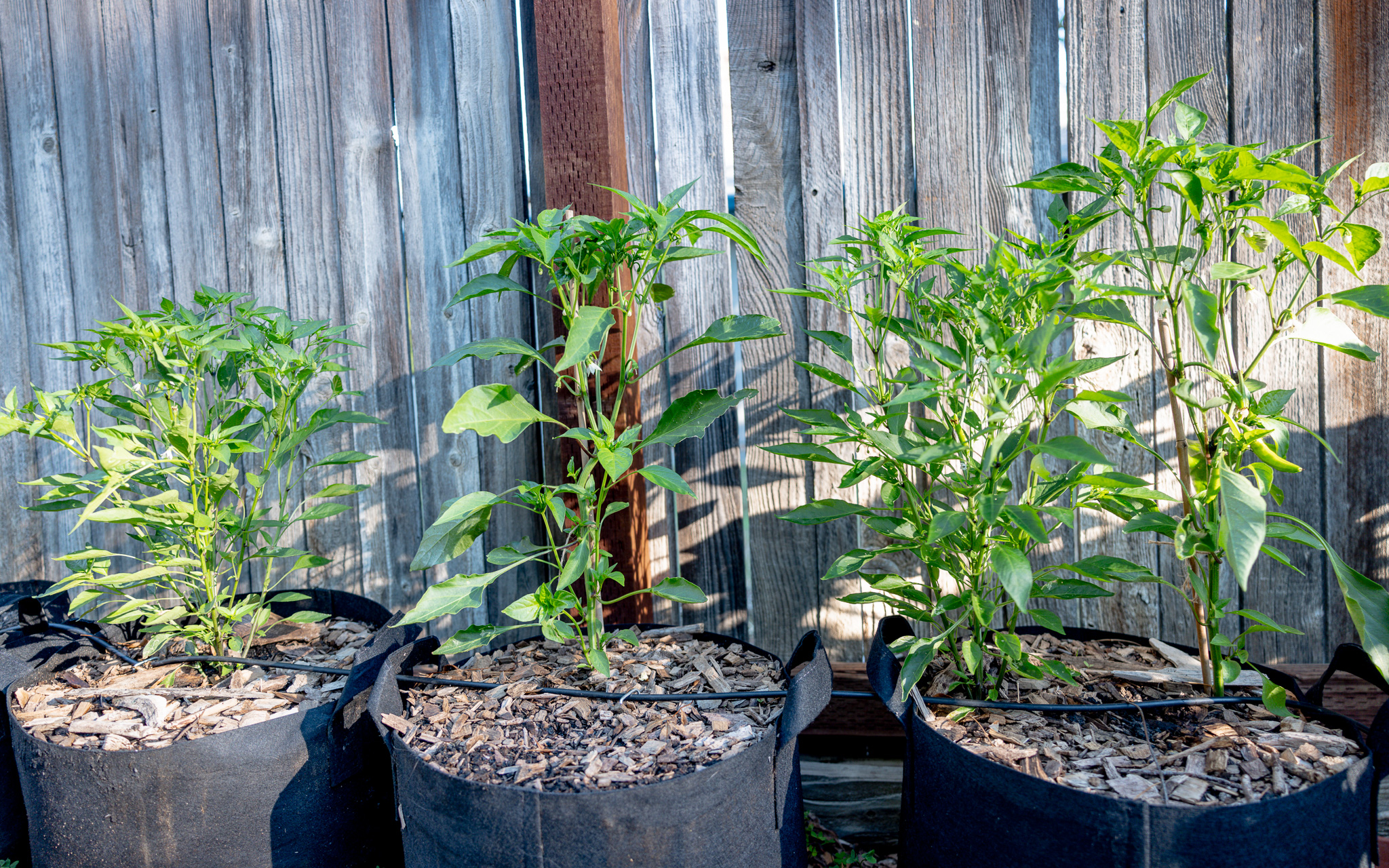
Pepper plants grow tall and heavy with fruit. Without support, stems may bend or break. Grow bags do not hold plants upright on their own. Use stakes or cages to keep plants stable. Support prevents damage and helps peppers get more sunlight. A supported plant stays healthy and produces more peppers. Plan for support early when planting in grow bags.
Credit: nextdoorhomestead.com
Conclusion
Choosing the right grow bag size helps peppers grow strong and healthy. A 5-gallon bag suits most pepper plants well. Smaller varieties need less space, while bigger types require larger bags. Good drainage and enough soil depth matter too. Proper container size supports root growth and better yield.
Growing peppers in the right grow bag ensures better fruit production. Experimenting with sizes can help you find what works best. Happy gardening and enjoy fresh peppers from your own grow bags!