What Size Grow Bag for Cucumbers: Ultimate Guide for Big Harvests
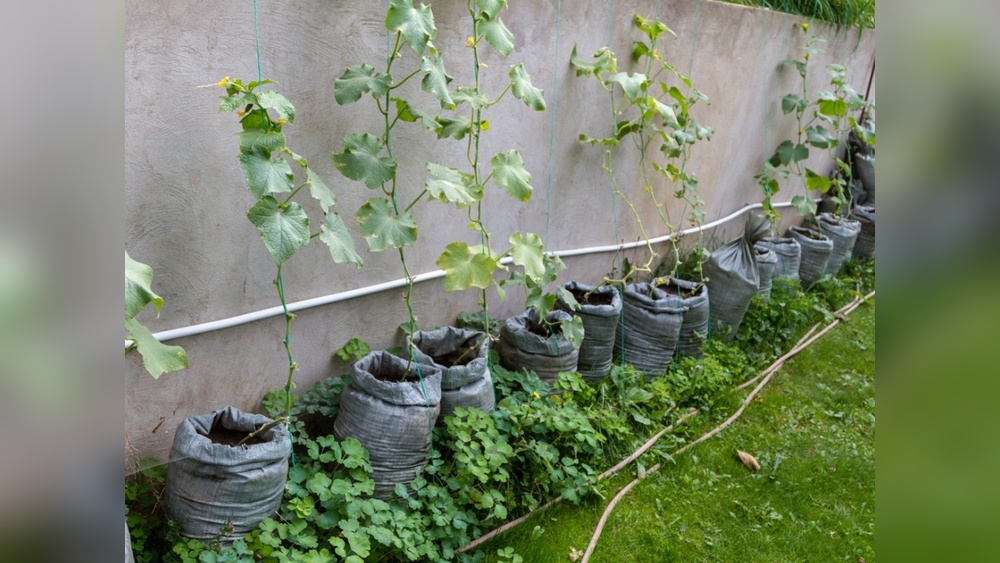
If you’re ready to grow fresh, crunchy cucumbers but don’t have a big garden space, grow bags are a fantastic solution. But here’s the key question: what size grow bag do you really need to give your cucumber plants the best chance to thrive?
Choosing the right size isn’t just about fitting your space—it directly affects how healthy your plants will be and how many cucumbers you can harvest. You’ll discover exactly what size grow bag works best for cucumbers, along with simple tips to maximize your yield.
Keep reading to make sure your cucumber-growing adventure starts off strong and successful!
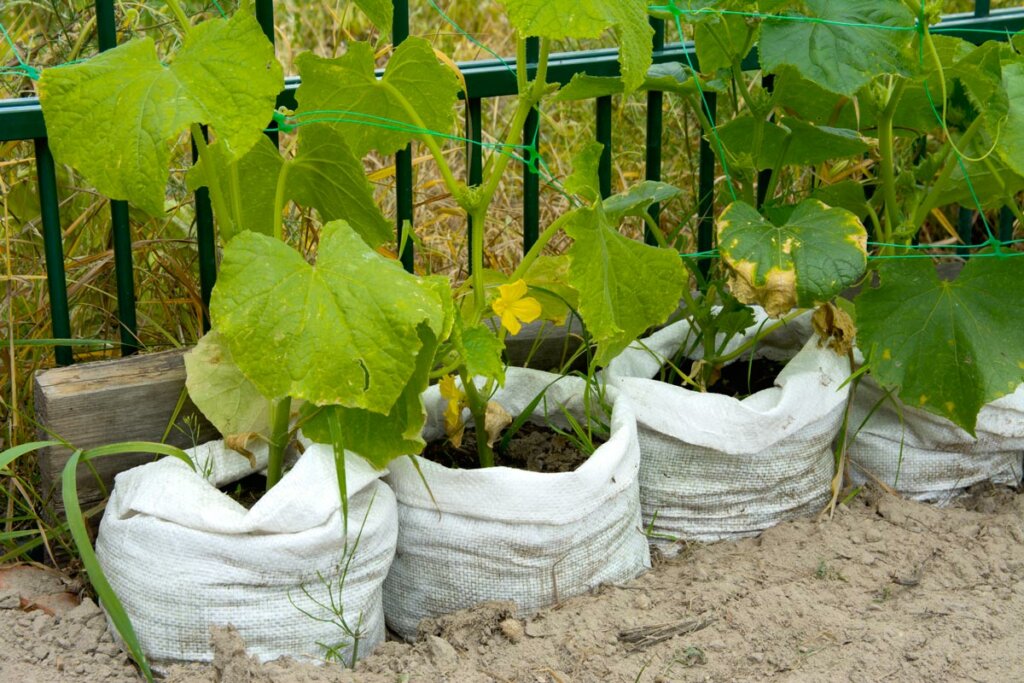
Credit: melissaknorris.com
Choosing Grow Bag Size
Choosing the right grow bag size is crucial for growing healthy cucumbers. The size affects root space, water retention, and overall plant growth. A well-sized bag supports strong roots and better yields. Understanding the differences between small and large bags helps pick the best option for your garden.
Small Vs Large Bags
Small bags save space and soil but limit root growth. They dry out faster and need frequent watering. Large bags offer more room for roots to spread. They hold more soil and moisture, reducing watering needs. For cucumbers, larger bags often produce bigger, healthier plants.
Recommended Volume For Cucumbers
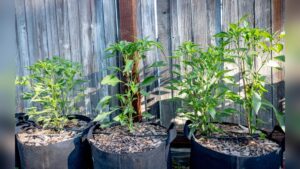
Cucumbers need enough soil to grow well. A grow bag with at least 5 gallons (about 20 liters) of soil is ideal. This volume gives space for roots and stores enough water. Smaller volumes may stunt growth or reduce fruit size. Two or three cucumber plants fit well in a 7 to 10-gallon bag.
Depth Importance
Depth matters as cucumber roots grow downward. A grow bag with 12 to 18 inches of depth works best. Shallow bags restrict root growth and limit nutrient uptake. Deeper bags allow roots to expand and improve stability. This leads to stronger plants and better cucumber yields.

Credit: www.youtube.com
Soil And Drainage Needs
Proper soil and drainage are key for growing healthy cucumbers in grow bags. Cucumbers need loose, rich soil to support their roots. Water must drain well to prevent root rot. Understanding soil mix and drainage helps your plants thrive.
Best Soil Mix
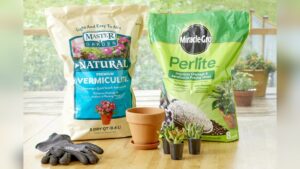
Use a light, well-draining soil mix for cucumbers. Combine potting soil with compost and perlite or sand. This mix holds moisture and allows air to reach roots. Avoid heavy garden soil that stays wet too long.
Ensuring Proper Drainage
Good drainage stops water from pooling at the roots. Cucumbers dislike soggy soil. Choose a grow bag made from breathable fabric to help water escape. Water deeply but less often, letting soil dry slightly between watering.
Adding Drainage Holes
Check your grow bag for drainage holes. If none exist, create some at the bottom. Use a sharp tool or drill carefully. Holes let excess water drain out, protecting roots from drowning.
Planting Cucumbers In Grow Bags
Planting cucumbers in grow bags offers a flexible and space-saving way to grow fresh vegetables. Grow bags provide good drainage and air circulation for healthy roots. Choosing the right size and method helps cucumbers thrive.
Proper care during planting sets the stage for strong growth and a good harvest. Each step from choosing seeds to supporting the plant matters.
Seed Vs Seedling Planting
Planting cucumber seeds directly in grow bags is simple and cost-effective. Place two to three seeds per bag for the best chance of germination. Thin seedlings to keep the strongest one.
Starting with seedlings offers a quicker harvest. Transplant one or two healthy seedlings into each grow bag. Seedlings reduce early risks like pests or poor soil conditions.
Spacing And Overcrowding
Space cucumbers well to avoid crowding. Overcrowded plants compete for water and nutrients. Use grow bags of at least 10 to 15 gallons for one or two plants.
Maintain about 12 inches between plants in the bag. This spacing promotes airflow and reduces disease. Good spacing also helps cucumbers grow larger and produce more fruit.
Supporting Growth With Stakes
Cucumber vines need support for healthy growth. Insert stakes or a small trellis into the grow bag early. This support keeps vines off the soil.
Staking saves space and makes harvesting easier. It also improves air circulation around leaves. Tie vines loosely to stakes as they grow to avoid damage.
Watering And Fertilizing
Watering and fertilizing play key roles in growing healthy cucumbers in grow bags. Proper water supply keeps the plants hydrated and supports root growth. Fertilizing provides essential nutrients for strong vines and tasty cucumbers. Both tasks require attention to avoid problems like root rot or nutrient deficiency.
Water Requirements
Cucumber plants need consistent moisture to thrive. Water the grow bag deeply at least once a day during hot weather. The soil should stay moist but not soggy. Check the top inch of soil; if dry, it is time to water. Use a watering can or hose with a gentle spray to avoid soil erosion. Morning watering helps reduce disease risk by allowing leaves to dry. Mulching the grow bag surface can help retain moisture longer.
Fertilizer Types And Schedule
Choose a balanced fertilizer with equal parts nitrogen, phosphorus, and potassium. Organic options like compost or fish emulsion work well. Start feeding cucumbers two weeks after planting. Apply fertilizer every two weeks during the growing season. Follow package instructions for correct dosage to avoid burning roots. Side dress with compost or organic fertilizer to boost growth. Stop fertilizing once flowers appear to promote fruit development.
Maximizing Harvest Size
Maximizing the harvest size of cucumbers in grow bags depends on several key factors. Choosing the right bag size is just the start. Proper care in sunlight, temperature, and pest control also plays a crucial role. Each of these elements helps cucumbers grow healthy and produce more fruit.
Sunlight Exposure
Cucumbers need plenty of sunlight to grow well. Aim for at least 6 to 8 hours of direct sunlight daily. Place your grow bag in a spot where it can get full sun. Insufficient light results in smaller fruits and fewer cucumbers. Rotate the bag if sunlight is uneven to encourage balanced growth.
Temperature Considerations
Cucumbers thrive in warm temperatures between 70°F and 85°F. Cooler weather slows growth and reduces fruit size. Avoid placing the grow bag in drafty or shaded areas. Use mulch on top of the soil to keep roots warm. Monitor the temperature, especially during cooler nights, to protect plants.
Pest And Disease Control
Healthy cucumbers produce larger harvests. Watch for pests like aphids and cucumber beetles. Remove pests by hand or use natural sprays safe for edible plants. Prevent diseases by watering at the base, not the leaves. Clean the area around the grow bag regularly to reduce disease risk.
Additional Tips For Success
Success in growing cucumbers in grow bags depends on more than just the right bag size. Small details can make a big difference in plant health and yield. These additional tips help you take better care of your cucumbers and avoid common problems.
Using Vertical Supports
Cucumbers love to climb. Vertical supports save space and keep fruits off the ground. Use a trellis, stakes, or a cage. This also improves air circulation, reducing disease risks. Secure vines gently as they grow to guide them upward.
Regular Monitoring
Check your cucumber plants daily. Look for pests, yellow leaves, or wilting. Early detection helps control problems before they spread. Keep the soil moist but not waterlogged. Adjust watering based on weather and plant needs.
Common Mistakes To Avoid
Avoid overcrowding plants in one grow bag. Too many plants compete for nutrients and water. Don’t ignore drainage; poor drainage causes root rot. Avoid using heavy fertilizers that burn roots. Finally, don’t let vines tangle without support.

Credit: mybackyard.ca
Conclusion
Choosing the right grow bag size helps cucumbers grow strong and healthy. A bag around 10 to 15 gallons gives roots enough room to spread. Avoid small bags to prevent crowded roots and poor growth. Proper drainage in the bag keeps soil from staying too wet.
Plant two seedlings per bag to save space and boost yield. Use quality soil and water regularly for best results. This simple step makes your cucumber growing experience easier and more rewarding. Happy gardening!