What Size Grow Bag for Blueberries: Ultimate Guide for Perfect Growth
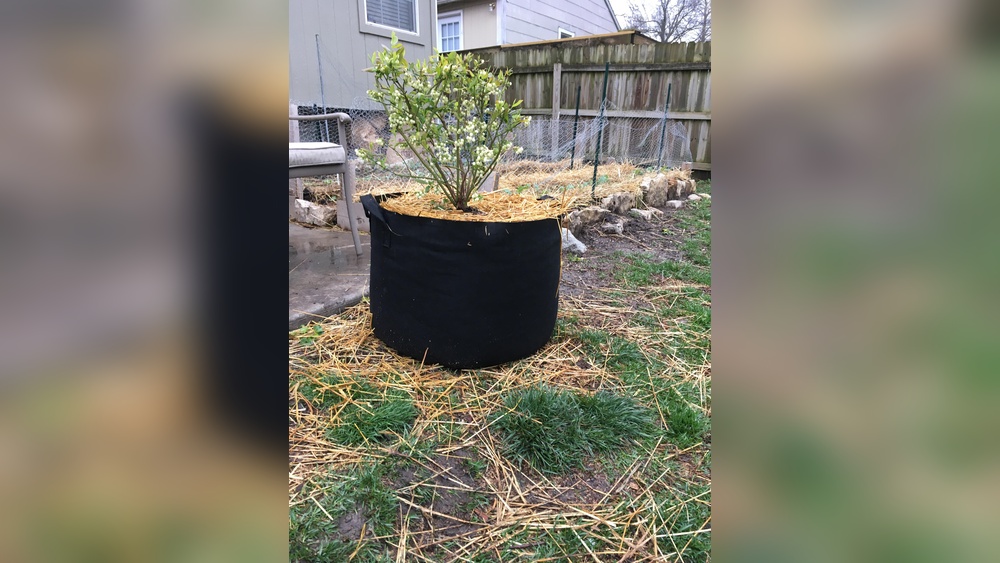
If you want to grow blueberries successfully in your garden or balcony, choosing the right size grow bag is one of the most important steps. Picking a bag that’s too small can stunt your plant’s growth, while one that’s too big might waste space and soil.
You’re probably wondering: what size grow bag for blueberries will give your plants enough room to thrive? You’ll discover exactly how to select the perfect grow bag size to help your blueberry bushes flourish. Keep reading to make sure your berries get the best start possible!

Credit: www.amazon.com
Choosing Grow Bags For Blueberries
Choosing the right grow bag is key to growing healthy blueberries. The bag size and material affect root growth, moisture, and air flow. Blueberries need space and good soil conditions to thrive. A suitable grow bag supports these needs for better fruit production.
Material Types And Benefits
Grow bags come in different materials like fabric, plastic, and felt. Fabric bags are popular because they let air pass through. This helps roots breathe and prevents water buildup. Plastic bags hold water longer but can cause root rot if drainage is poor. Felt bags also offer good air flow and are durable. Choose a material that balances moisture and air for healthy roots.
Drainage And Aeration Features
Good drainage is vital for blueberries. Water must flow out easily to stop root rot. Grow bags with many small holes or breathable fabric improve drainage. Aeration means air reaches the roots, keeping them healthy. Some bags have double layers or mesh sides for extra air flow. These features help roots get oxygen and avoid soggy soil. Proper drainage and aeration lead to stronger blueberry plants.
Ideal Grow Bag Size
Choosing the right grow bag size is key to growing healthy blueberry plants. Blueberries need enough space for roots to spread and absorb nutrients. A grow bag that is too small will stunt growth and reduce berry production. Too large a bag can hold excess water, causing root problems. Proper size helps maintain soil moisture and encourages strong roots.
Grow bags offer good drainage and air circulation. These features keep the roots healthy and prevent diseases. Selecting the ideal grow bag size supports better plant health and increases your harvest.
Recommended Volume For Blueberry Plants
The ideal grow bag volume for most blueberry plants is 5 to 7 gallons. This size holds enough soil to support root growth and moisture retention. It allows the plant to develop a strong root system. A 5-gallon bag is perfect for young shrubs or smaller varieties. Larger plants or mature bushes need grow bags with 10 gallons or more.
Shallow or small containers restrict root expansion. This limits nutrient uptake and fruit size. A grow bag with proper volume ensures the plant receives enough air and water. It also helps maintain an acidic soil environment, which blueberries prefer.
Adjusting Size For Different Blueberry Varieties
Different blueberry varieties have varying root sizes. Highbush blueberries grow larger and need bigger bags. They usually require 7 to 10 gallons of soil space. Rabbiteye blueberries also need bags around 7 gallons or more. Half-high and lowbush varieties stay smaller. They can thrive in 3 to 5-gallon grow bags.
Consider the mature size of your blueberry type. Use larger bags for taller, spreading bushes. Smaller varieties do well in compact spaces. Matching grow bag size to variety helps plants grow strong and produce more berries.
Root System And Growth
Understanding the root system and growth of blueberry plants helps choose the right grow bag size. Blueberries have unique root characteristics that affect their growth and health. Providing enough space for roots encourages strong plants and better fruit production. The grow bag must support root expansion without crowding or waterlogging.
Shallow Roots Explained
Blueberry roots grow close to the soil surface. They spread wide rather than deep. This shallow root system means roots need room to expand horizontally. Roots absorb water and nutrients best near the surface. A grow bag that is too deep but narrow may restrict root spread. Shallow roots also make blueberries sensitive to drought and heat. Proper soil moisture is vital for healthy roots.
How Root Depth Influences Bag Size
Since roots do not grow very deep, the grow bag must focus on width. A wide grow bag allows roots to spread naturally. Depth should be enough to hold moist soil without drowning roots. A bag 12 to 16 inches deep and wide works well for most blueberry varieties. Smaller bags limit growth and fruit yield. Larger bags support bigger plants and longer growth periods. Selecting the right size balances root space and plant health.
Soil And Ph Requirements
Choosing the right soil and pH level is crucial for growing healthy blueberries in grow bags. Blueberries thrive in acidic soil with a specific pH range. The soil must also provide good drainage and nutrients. Understanding these requirements helps you pick the best grow bag size and soil mix. This section explains the key soil and pH needs for container blueberries.
Acidic Soil Needs
Blueberries require acidic soil with a pH between 4.5 and 5.5. This low pH allows the plant to absorb nutrients properly. Soil that is too alkaline can cause nutrient deficiencies and poor growth. Test the soil pH before planting to ensure it falls within the ideal range. You can lower soil pH by adding elemental sulfur or using acidic soil amendments designed for blueberries.
Soil Mix For Container Blueberries
Use a well-draining, loose soil mix for blueberries in grow bags. A good mix includes peat moss, pine bark, and perlite or sand. Peat moss helps keep the soil acidic and retains moisture. Pine bark improves aeration and drainage. Perlite or sand prevents soil compaction and allows roots to grow freely. Avoid heavy garden soil or compost that can hold too much water and cause root rot.
Planting Tips In Grow Bags
Growing blueberries in grow bags offers flexibility and control over soil conditions. Proper planting is essential for healthy blueberry plants. Follow these tips to plant blueberries successfully in grow bags. This ensures strong growth and good fruit yield.
Transplanting Blueberries Successfully
Choose a grow bag at least 10-15 gallons in size. This size supports root growth and prevents overcrowding. Water the blueberry plant well before transplanting. Gently remove the plant from its nursery pot without damaging roots. Place the plant in the grow bag with fresh acidic soil. Avoid planting too deep; keep the root crown just below the soil surface. Water the plant again after transplanting to settle the soil. Keep the soil moist but not soggy during the first weeks.
Positioning And Sunlight Considerations
Place the grow bag in a spot with full sun for at least 6 hours daily. Blueberries need bright sunlight to produce sweet berries. Avoid shady or windy places that stress the plant. Rotate the grow bag occasionally to expose all sides to sunlight evenly. Ensure good air circulation around the bag to prevent fungal diseases. In very hot climates, provide some afternoon shade to protect leaves from scorching. Position the grow bag on a raised surface or well-drained area to avoid waterlogging.

Credit: getplantlogic.com
Care And Maintenance
Proper care and maintenance help blueberries thrive in grow bags. These plants need attention to water and nutrients for healthy growth and fruit production. Using the right techniques supports their natural needs and boosts harvest quality.
Watering Techniques
Blueberries need consistent moisture but dislike soggy soil. Water the grow bag deeply to soak the root zone. Let the top inch of soil dry before watering again. Morning watering helps avoid fungus and leaf diseases. Use rainwater or distilled water if possible. Tap water may have minerals that harm blueberry roots. Mulching the surface reduces water loss and keeps roots cool.
Fertilizing For Optimal Growth
Blueberries require acidic soil and regular feeding. Use fertilizers made for acid-loving plants. Apply a balanced fertilizer with nitrogen, phosphorus, and potassium. Feed plants in early spring and after fruit harvest. Avoid over-fertilizing, which can burn roots. Slow-release fertilizers provide steady nutrients over time. Organic options like compost or pine needles help maintain soil acidity and structure.
Companion Planting Avoidances
Companion planting can help blueberries thrive, but some plants cause problems. Avoiding certain plants keeps blueberries healthy and strong. Blueberries need acidic soil and gentle growing partners.
Choosing the wrong neighbors can hurt blueberry growth. Plants with different soil needs or strong roots compete for nutrients and water. Careful planning protects your blueberry plants.
Plants To Avoid Near Blueberries
Avoid nightshades like tomatoes, peppers, and eggplant. They prefer alkaline soil, which clashes with blueberries’ acidic needs. Brassicas such as broccoli, cabbage, and kale also do not mix well. These plants use many nutrients and grow best in neutral to alkaline soil.
Stay away from aggressive ground covers and grasses. Their roots spread quickly and steal water and nutrients from blueberries. Walnut trees produce juglone, a toxic chemical that harms blueberries. Also, avoid planting strawberries nearby. They prefer slightly higher soil pH and can crowd blueberries.
Managing Competition For Nutrients
Blueberries have shallow roots that need gentle care. Plant them with low-competition companions that share similar soil needs. Keep enough space between plants to reduce root fighting.
Use acidic mulch like pine needles to keep soil pH low and support blueberry growth. Water regularly but avoid waterlogged soil. Monitor nutrient levels and add acid-loving plant fertilizer as needed.
Troubleshooting Common Issues
Growing blueberries in a grow bag is a great way to enjoy fresh fruit at home. Still, some issues may arise that affect plant health and yield. Troubleshooting these common problems early helps keep your blueberry bushes thriving.
Understanding how to prevent root circling and fix drainage problems is key. These factors influence root health and water availability. Proper care ensures strong growth and bountiful harvests.
Root Circling Prevention
Root circling happens when roots grow in a circle inside the bag. This limits nutrient and water uptake, stunting plant growth. Choose grow bags with breathable fabric to allow air pruning of roots.
Regularly check roots by gently removing the plant from the bag. Trim any circling or tangled roots before replanting. Repot blueberries every 1-2 years into a slightly larger grow bag to give roots room.
Handling Drainage Problems
Poor drainage can cause water to pool at the bottom, leading to root rot. Ensure your grow bag has enough drainage holes for water to escape. Use a well-draining soil mix with organic matter and perlite.
Place the grow bag on a raised surface or tray to improve drainage flow. Water blueberries only when the top inch of soil feels dry. Avoid overwatering to keep roots healthy and oxygen-rich.
Moving And Replacing Grow Bags
Moving and replacing grow bags is an important part of caring for your blueberry plants. These bags provide a flexible growing environment. Over time, plants may outgrow their bags or the soil may lose nutrients. Changing bags ensures healthy root growth and better fruit production. Proper handling during this process prevents stress to the plants.
When To Upgrade Bag Size
Blueberry plants need more space as they grow. Check for roots coming out of the bag’s drainage holes. If the plant looks crowded or growth slows, it is time to upgrade. A larger bag allows roots to spread and absorb more nutrients. For young plants, start with a 3-gallon bag. Mature bushes need 5 to 7-gallon bags for best results. Upgrading keeps plants healthy and supports bigger harvests.
Tips For Relocating Plants
Choose a cool day for moving blueberry grow bags. Water the plant well before moving to reduce stress. Handle the bag gently to avoid damaging roots. Move the plant to its new location quickly. Avoid shaking or disturbing the soil inside the bag. After relocating, water the plant thoroughly. Place the bag in a spot with proper sunlight and air flow. Monitor the plant closely for signs of shock or stress.

Credit: www.bootstrapfarmer.com
Conclusion
Choosing the right grow bag size helps blueberries thrive well. A 5 to 7-gallon bag suits young plants best. Larger, mature bushes need 10 to 15 gallons to grow fully. Good drainage and acidic soil inside the bag are important.
Move the bag to find the best sunlight spot. Proper care in the right-sized bag boosts healthy blueberry growth. Keep these tips in mind for a fruitful harvest. Growing blueberries in grow bags fits small spaces perfectly. Simple steps lead to better berries and happy plants.