What Plants Like Self Watering Pots: Top Picks for Thriving Growth
Are you tired of constantly worrying about watering your plants just right? Self-watering pots might be the solution you’ve been searching for.
But here’s the catch—not every plant thrives in these clever containers. If you want your greenery to flourish without the stress of daily watering, it’s essential to know which plants truly love self-watering pots and which ones don’t. Keep reading, because understanding this simple secret will help you create a thriving indoor or outdoor garden with less effort and more success.
Your plants—and your schedule—will thank you.

Credit: www.youtube.com
Plants Suited For Self-watering Pots
Self-watering pots create a steady supply of moisture that suits many plants. These pots hold water in a reservoir and let roots absorb it as needed. Plants that like evenly moist soil grow well in them. Choosing the right plants helps them thrive and reduces care effort.
Tropical Plants That Thrive
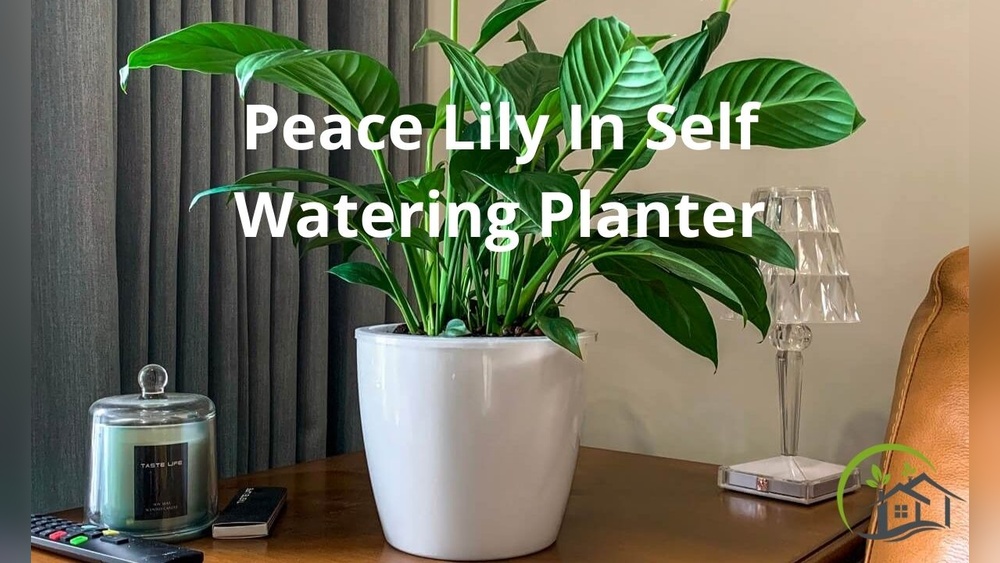
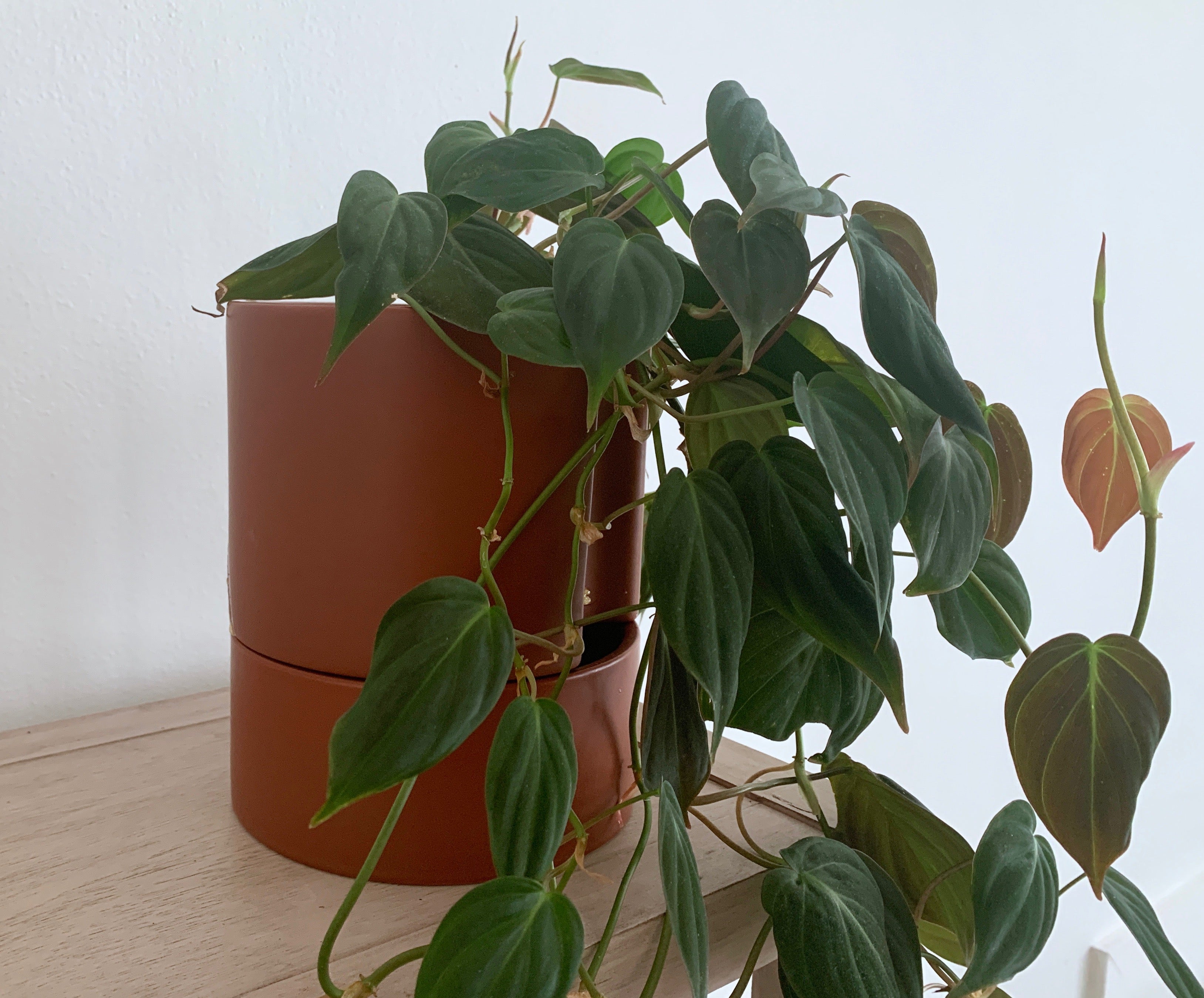
Tropical plants enjoy warm, humid conditions and steady moisture. Self-watering pots keep their soil damp without waterlogging. Examples include peace lilies, philodendrons, and calatheas. These plants often suffer in dry soil but flourish with consistent moisture. Their lush leaves stay vibrant and healthy in this environment.
Vegetables And Herbs For Moist Soil
Many vegetables and herbs need regular watering to grow well. Tomatoes, peppers, basil, and mint do best with constant moisture. Self-watering pots reduce the risk of under or over-watering. They support strong root systems and steady growth. These containers help busy gardeners keep plants hydrated easily.
Popular Houseplants Enjoying Consistent Moisture
Some common houseplants prefer soil that never dries out completely. Spider plants, pothos, and ferns like steady moisture from self-watering pots. These plants resist stress from irregular watering. Their roots access water directly, improving plant health. Consistent moisture supports lush foliage and vibrant colors.
Credit: outsideinco.com
Plants To Avoid In Self-watering Pots
Self-watering pots provide steady moisture to plant roots. Not all plants benefit from this constant water supply. Some prefer dry soil or need careful watering control. These plants often suffer in self-watering pots. Knowing which plants to avoid helps you keep your garden healthy and thriving.
Cacti And Succulents
Cacti and succulents store water in their leaves. They need soil to dry out completely between waterings. Constant moisture causes root rot and kills these plants. Self-watering pots keep soil too wet for them. Avoid planting cacti and succulents in these pots.
Dry-soil Loving Herbs
Herbs like lavender and rosemary prefer dry soil. Their roots cannot handle constant dampness. Self-watering pots hold water near the roots at all times. This leads to root rot and poor growth. Do not use self-watering pots for dry-soil herbs.
Orchids And Epiphytes
Orchids and epiphytes grow on trees, not in soil. They need well-draining, airy environments. Sitting in water harms their roots quickly. Self-watering pots keep soil moist and lack airflow. Avoid orchids and epiphytes in self-watering containers.
Plants Sensitive To Overwatering
Some plants cannot tolerate too much water. Snake plants and ZZ plants prefer drier soil. Overwatering causes yellow leaves and root decay. Self-watering pots may keep soil too wet for these plants. Choose other pots for sensitive species.
Plants With Special Moisture Needs
Some plants need very specific moisture levels to grow well. These plants often struggle with watering schedules. Self-watering pots can help by providing steady moisture. They work well for plants that dislike drying out. Understanding which plants have special moisture needs helps you choose the right pot.
Ferns And Moisture Sensitivity
Ferns thrive in moist environments but hate soggy soil. Their roots need constant moisture without drowning. Self-watering pots offer a gentle water supply from the bottom. This keeps the soil moist without overwatering. Many ferns do well in these pots if you monitor moisture levels. Too much water can cause root rot in ferns.
Shallow-rooted Plants And Water Access Challenges
Shallow-rooted plants have roots near the soil surface. They may not reach deep water reservoirs in self-watering pots. These plants can face water shortages if the top soil dries out. Self-watering pots must be chosen carefully for shallow-rooted plants. Frequent checks ensure they receive enough moisture. Plants like lettuce and some herbs often need this attention.

Credit: kyari.co
Benefits Of Self-watering Pots For Suitable Plants
Self-watering pots offer several advantages for plants that thrive in moist environments. These pots keep the soil evenly damp, helping plants grow stronger and healthier. The design allows plants to absorb water as needed, reducing the risk of overwatering or drying out. Many tropical plants, vegetables, and herbs benefit from this steady water supply.
Consistent Soil Moisture
Self-watering pots maintain steady moisture levels in the soil. Plants receive water without large wet and dry cycles. This constant moisture supports steady growth and reduces stress. Roots stay hydrated but not soaked, which is ideal for moisture-loving plants.
Reduced Watering Frequency
The pots store water in a reservoir below the soil. This reduces how often watering is needed. Gardeners save time and avoid daily watering chores. It also prevents accidental underwatering, especially during busy days or travel.
Healthier Root Development
Roots grow deeper searching for water in the soil. This encourages stronger root systems and better nutrient uptake. Self-watering pots prevent root rot by keeping water at the right level. Healthy roots lead to healthier plants overall.
Common Issues With Self-watering Pots
Self-watering pots offer many benefits but come with common challenges. Understanding these issues helps keep plants healthy and thriving. Some problems occur due to the constant moisture and design of these pots. Knowing how to manage these can improve plant growth and avoid damage.
Risk Of Root Rot
Root rot happens when roots stay too wet for too long. Self-watering pots hold moisture at the bottom, which can cause this problem. Poor drainage or overfilling the water reservoir increases the risk. Root rot kills roots and stops plants from absorbing nutrients well. Checking water levels often and using pots with good drainage helps prevent root rot.
Pest Attraction And Prevention
Standing water in self-watering pots can attract pests like fungus gnats and mosquitoes. These insects lay eggs in moist soil or water. Pests harm plants by feeding on roots or spreading disease. To stop pests, keep the water reservoir clean and change water regularly. Adding a layer of sand or gravel on top of the soil can block pests from laying eggs.
Soil Mix Requirements
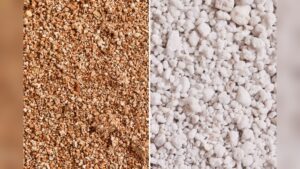
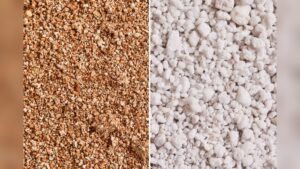
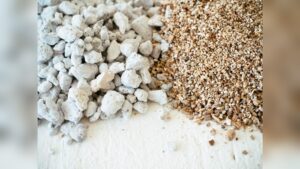
Not all soil works well in self-watering pots. Soils that hold too much water cause soggy roots. Light, well-draining soil mixes help water move up the wick to the plant roots. Adding perlite or sand improves drainage and air flow. Choosing the right soil keeps roots healthy and prevents waterlogging in these pots.
Tips For Using Self-watering Pots Successfully
Using self-watering pots can make plant care easier and more efficient. To get the best results, follow some simple tips. These tips help plants grow healthy and avoid common problems. Proper soil choice, water monitoring, and plant selection matter a lot. Keep reading to learn how to use self-watering pots successfully.
Choosing The Right Soil
Use soil that drains well but holds moisture. A mix with peat moss, perlite, and compost works well. Avoid heavy soils that stay soggy and cause root rot. Good soil helps roots absorb water without drowning. It also keeps nutrients available for your plants.
Monitoring Water Levels
Check the water reservoir regularly to keep it filled. Do not let it run dry for long periods. Overfilling can cause water to sit on the soil surface. This leads to root problems and mold growth. Proper water levels keep plants hydrated without overwatering.
Selecting Compatible Plants
Choose plants that like consistent moisture. Tropical plants, herbs like basil, and many vegetables do well. Avoid succulents, cacti, and plants that need dry soil. These plants dislike constant wetness and can develop root rot. Pick plants that thrive with steady water supply.
Top Plant Picks For Self-watering Pots
Self-watering pots provide a steady supply of moisture to plants. This makes them perfect for many types of plants that enjoy consistent watering. Choosing the right plants helps you get the best results. Here are some top plant picks that thrive in self-watering pots.
Best Tropical Varieties
Tropical plants love humid and moist soil. They do well in self-watering pots because their roots stay hydrated without overwatering. Popular tropical varieties include:
- Peace Lily – thrives with steady moisture and low light.
- Boston Fern – enjoys constant humidity and damp soil.
- Philodendron – grows well with regular water and warmth.
- Calathea – prefers moist soil and indirect sunlight.
Ideal Herbs And Vegetables
Herbs and vegetables that like even watering fit perfectly in self-watering pots. These plants grow better with consistent moisture and less stress. Some ideal choices are:
- Basil – needs steady water for healthy leaves.
- Mint – grows quickly with regular moisture.
- Parsley – thrives in damp soil and moderate sunlight.
- Lettuce – prefers constant water to avoid bitterness.
- Cherry Tomatoes – benefit from constant hydration for fruit production.
Easy-care Indoor Plants
Some indoor plants are low maintenance and enjoy self-watering pots. These plants are great for beginners or busy people. Good examples include:
- Pothos – tolerates low light and steady moisture.
- Spider Plant – grows well with consistent watering.
- Chinese Evergreen – prefers moist soil and indirect light.
- ZZ Plant – avoid if soil stays too wet; better with occasional watering.
Frequently Asked Questions
What Plants Do Not Like Self-watering Pots?
Cacti, succulents, snake plants, lavender, orchids, air plants, ZZ plants, and some ferns dislike self-watering pots due to excess moisture causing root rot.
Are Self-watering Pots Good For All Plants?
Self-watering pots suit moisture-loving plants like herbs, vegetables, and tropicals. Avoid cacti, succulents, lavender, and orchids that need dry soil. These pots provide consistent moisture but can cause root rot in drought-tolerant plants. Choose plants based on their water needs for best results.
What Is The Disadvantage Of Self-watering Pots?
Self-watering pots can cause root rot in plants needing dry soil. They may overwater succulents, cacti, and drought-tolerant herbs. Some shallow-rooted plants struggle to access water evenly. These pots suit moisture-loving plants but disadvantage those preferring dry, well-drained conditions.
How Long Can Plants Go In Self-watering Pots?
Plants can stay in self-watering pots for weeks, depending on the reservoir size and plant type. Refill water regularly to avoid drying out or overwatering.
Conclusion
Self-watering pots suit plants that like steady moisture. Tropical plants, many herbs, and some vegetables grow well in them. Avoid cacti, succulents, and plants that need dry soil. Too much water can cause root problems in these plants. Choose pots based on your plant’s water needs.
This helps keep plants healthy and happy. Self-watering pots make care easier but match plants carefully. Enjoy growing with the right pot and plant combo!