What is Vermiculite Or Perlite: Ultimate Guide for Gardeners
Are you curious about the secret ingredients that can make your plants thrive? If you’ve heard the terms vermiculite and perlite but aren’t sure what they really are or how they can help your garden, you’re in the right place.
Understanding these natural materials can change the way you care for your plants, improve soil health, and boost growth like never before. Keep reading, and you’ll discover what vermiculite and perlite are, why gardeners love them, and how you can use them to transform your green space.
Vermiculite Basics
Vermiculite is a natural mineral often used in gardening and horticulture. It helps improve soil by holding water and nutrients. Its light texture makes it easy to mix with soil. Many gardeners prefer vermiculite for seed starting and plant growth.
This section explains the origin, physical properties, and common uses of vermiculite in gardening.
Origin And Formation
Vermiculite forms from mica minerals when exposed to heat and water. This process is called weathering. It occurs deep inside the earth over many years. The mineral expands when heated, creating a lightweight, layered structure.
Physical Properties
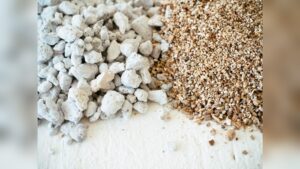
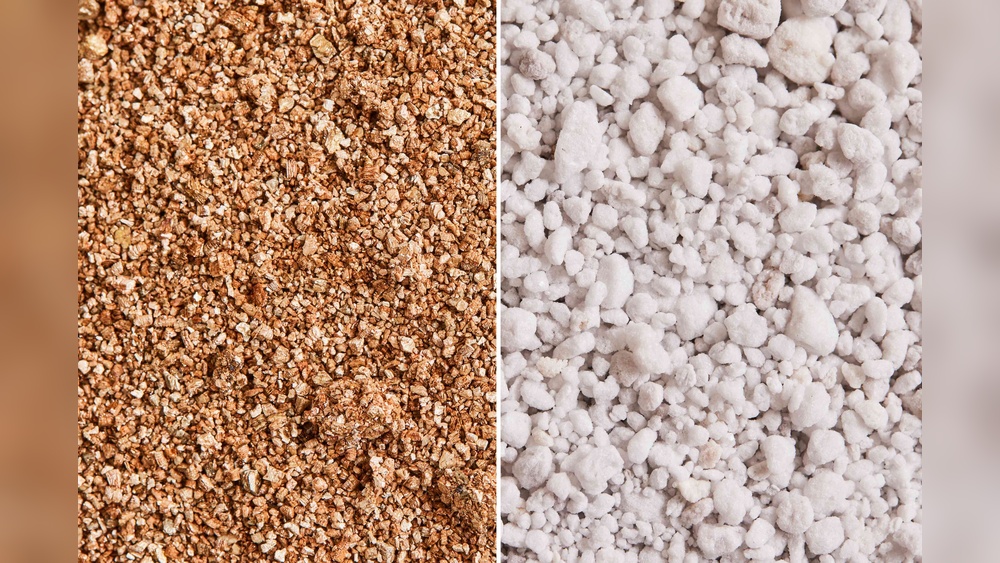
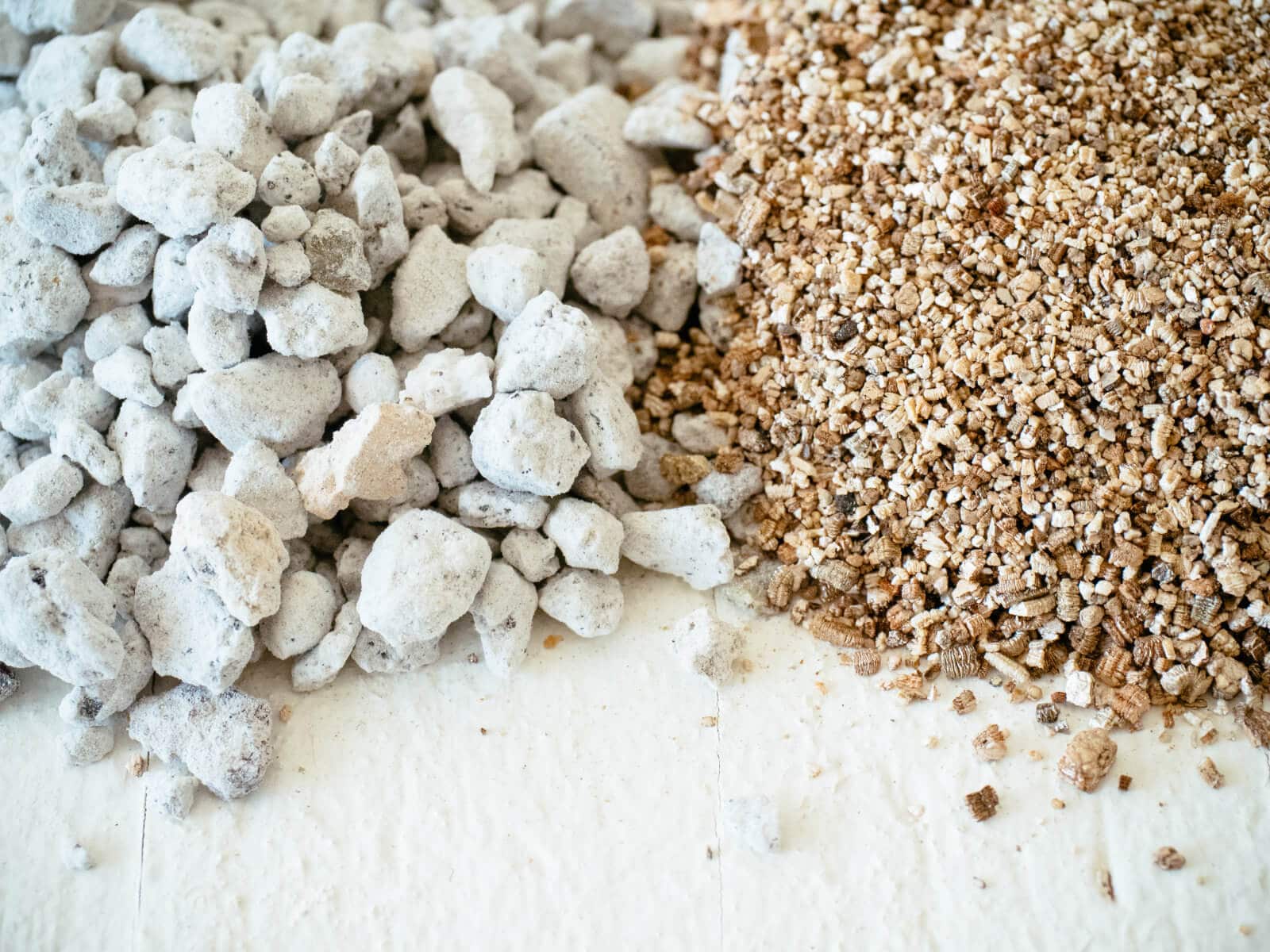
Vermiculite is light and spongy. It absorbs water and nutrients well. It has a soft texture and looks like tiny flakes. Its ability to hold moisture helps plants stay hydrated longer. Vermiculite also improves soil aeration, allowing roots to breathe.
Common Uses In Gardening
Gardeners add vermiculite to soil to keep it moist. It is great for starting seeds and growing seedlings. Vermiculite helps prevent soil compaction and improves root growth. It mixes well with potting soil and compost. It also helps plants absorb nutrients efficiently.

Credit: www.youtube.com
Perlite Essentials
Perlite is a lightweight, white material often used in gardening. It helps improve soil by making it lighter and airier. This makes it easier for plants to grow strong roots. Perlite holds water well but drains extra moisture quickly. These features make it a popular choice among gardeners and plant lovers.
How Perlite Is Made
Perlite starts as a type of volcanic glass. This glass is heated to very high temperatures. It expands like popcorn, creating tiny air pockets inside. These pockets give perlite its light and porous texture. After cooling, perlite is crushed into small pieces. This process makes it ready to use in soil mixes.
Key Characteristics
Perlite is white and lightweight. It does not break down or rot over time. It holds water but drains well to avoid soggy soil. Perlite also allows air to reach plant roots easily. It does not change soil pH. These traits help plants get water, air, and nutrients.
Applications In Plant Care
Gardeners mix perlite with soil to improve drainage. It is useful in seed starting mixes for better root growth. Perlite helps prevent soil compaction in pots and garden beds. It is often used with other materials like peat moss or compost. Perlite also helps keep soil light for houseplants and vegetables.
Comparing Vermiculite And Perlite
Vermiculite and perlite are popular soil additives. They help improve plant growth by changing soil properties. Each has unique features that suit different gardening needs. Understanding their differences helps pick the right one.
Water Retention
Vermiculite holds water well. It absorbs moisture and keeps it near roots. This helps plants stay hydrated longer. Perlite holds less water. It drains quickly, preventing water buildup. Good for plants that dislike soggy soil.
Aeration And Drainage
Perlite is excellent for aeration. Its porous structure creates air pockets. This lets roots breathe and grow strong. Vermiculite also helps with aeration but less than perlite. It holds more water, so drainage is slower.
Nutrient Holding Capacity
Vermiculite can hold nutrients. It slowly releases minerals to plants. This supports steady growth. Perlite does not hold nutrients well. It mainly improves soil texture and air flow. Nutrients wash away faster in perlite mixes.
Credit: gardenbetty.com
Choosing The Right Amendment
Choosing the right soil amendment is key for healthy plant growth. Vermiculite and perlite improve soil but serve different purposes. Understanding your soil and plants helps pick the best option. This guide explains how to match amendments to your garden’s needs.
Soil Types And Plant Needs
Sandy soil drains water fast but holds few nutrients. Vermiculite helps sandy soil by holding moisture and nutrients. Clay soil holds water too long and lacks air. Perlite improves clay soil by increasing drainage and air flow. Plants like succulents prefer dry soil with good drainage. Use more perlite for these plants. Seedlings need moist soil; vermiculite works well to keep water. Knowing soil type and plant needs guides the choice.
Mixing Ratios And Techniques
Mix vermiculite or perlite with soil to improve texture. A common ratio is one part amendment to three parts soil. For seedlings, use half vermiculite and half soil. For container plants, add one part perlite for better drainage. Stir amendments evenly into soil for consistent results. Avoid using too much amendment, which can reduce nutrients. Adjust ratios based on plant type and soil condition.
Pros And Cons For Gardeners
Vermiculite holds water and nutrients well. It supports seed germination and moisture-loving plants. It can compact over time, reducing air flow. Perlite improves drainage and air circulation. It is lightweight and does not break down quickly. It can dry out soil faster, needing more watering. Both are sterile and free from pests. Choose based on your garden’s water and air needs.
Using Vermiculite And Perlite In Gardens
Vermiculite and perlite are popular materials in gardening. Both help improve soil structure and support healthy plant growth. They hold water and air, making soil light and loose. Many gardeners use them for various planting needs. Let’s explore how vermiculite and perlite work in different garden uses.
Seed Starting Mixes
Vermiculite and perlite create ideal seed starting mixes. Vermiculite holds moisture, keeping seeds moist. Perlite improves drainage, preventing water from pooling. Together, they provide a balanced environment for seeds. Seeds sprout faster and stronger in this mix. It also reduces the risk of soil diseases. A light, fluffy mix helps roots grow easily.
Improving Potting Soil
Adding vermiculite or perlite improves regular potting soil. They make soil less heavy and compact. Vermiculite keeps soil moist longer by holding water. Perlite increases airflow around roots for better oxygen. This mix helps plants avoid root rot and stress. It works well for indoor and outdoor pots. Plants grow healthier and need less watering.
Hydroponic And Container Gardening
Hydroponic systems and containers benefit from vermiculite and perlite. Both provide support without soil. They hold water and nutrients near roots. Perlite offers good drainage and air space. Vermiculite holds moisture and nutrients for longer. Plants get what they need for fast growth. These materials keep roots healthy in small spaces.
Safety And Environmental Impact
Vermiculite and perlite are common materials used in gardening and construction. Understanding their safety and environmental impact is important. These materials affect health and nature in different ways. Knowing how to handle them safely protects you and the environment.
Handling Precautions
Both vermiculite and perlite produce dust when handled. Breathing this dust can irritate the lungs and eyes. Always wear a mask and gloves when working with these materials. Avoid creating dust clouds by dampening the material before use. Work in a well-ventilated area to reduce dust buildup. Keep vermiculite and perlite out of reach of children and pets.
Sustainability Considerations
Vermiculite is a natural mineral mined from the earth. Mining can disturb land and habitats. Choose suppliers that follow responsible mining practices. Perlite is also mined but requires heating to expand. This process uses energy but does not release harmful chemicals. Both materials can be reused in gardening, reducing waste. They do not break down quickly but pose minimal harm when disposed properly.
:max_bytes(150000):strip_icc()/SPR-vermiculite-vs-perlite-6455754-hero-1a2d3e14e0584fbaa4a990ebef1d494b.jpg)
Credit: www.thespruce.com
Conclusion
Vermiculite and perlite both improve soil in unique ways. Vermiculite holds water and nutrients well for plants. Perlite helps soil drain and stay light. Gardeners choose based on plant needs and soil type. Both materials create better growing conditions. Using them can boost plant health and growth.
Understanding their differences helps you pick the right one. Try them in your garden to see results. Simple, natural aids for strong, healthy plants.