What is the Difference between Vermiculite And Perlite
Are you confused about whether to use vermiculite or perlite for your plants? You’re not alone.
Both are popular soil additives, but they serve different purposes and can affect your plants in unique ways. Understanding these differences can make a big impact on your gardening success. Keep reading to discover which one is right for your garden and how to get the best results from each.
:max_bytes(150000):strip_icc()/SPR-vermiculite-vs-perlite-6455754-hero-1a2d3e14e0584fbaa4a990ebef1d494b.jpg)
Credit: www.thespruce.com
Properties Of Vermiculite
Vermiculite is a popular soil amendment used in gardening and farming. It improves soil quality by changing how water and nutrients move through the soil. Understanding its properties helps gardeners decide when to use vermiculite instead of other materials like perlite.
Physical Characteristics
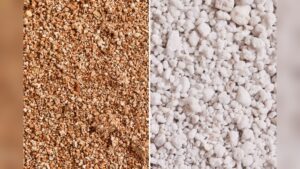
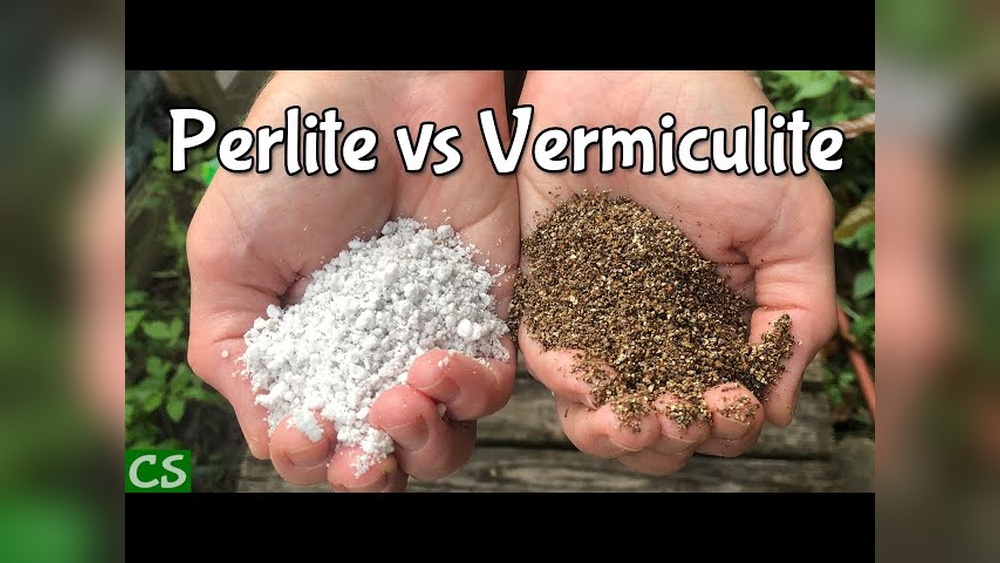
Vermiculite looks like small, shiny flakes. It is lightweight and soft to touch. The flakes expand when heated, creating a sponge-like texture. This makes vermiculite easy to mix with soil and helps loosen compacted dirt.
Water Retention
Vermiculite holds water very well. It soaks up moisture like a sponge and slowly releases it to plant roots. This keeps the soil moist for longer periods. It is great for plants that need steady water supply without overwatering.
Nutrient Holding Capacity
Vermiculite can hold onto nutrients in the soil. It stores minerals like potassium, calcium, and magnesium. These nutrients stay near the roots for easy absorption. This quality supports healthy plant growth and strong roots.
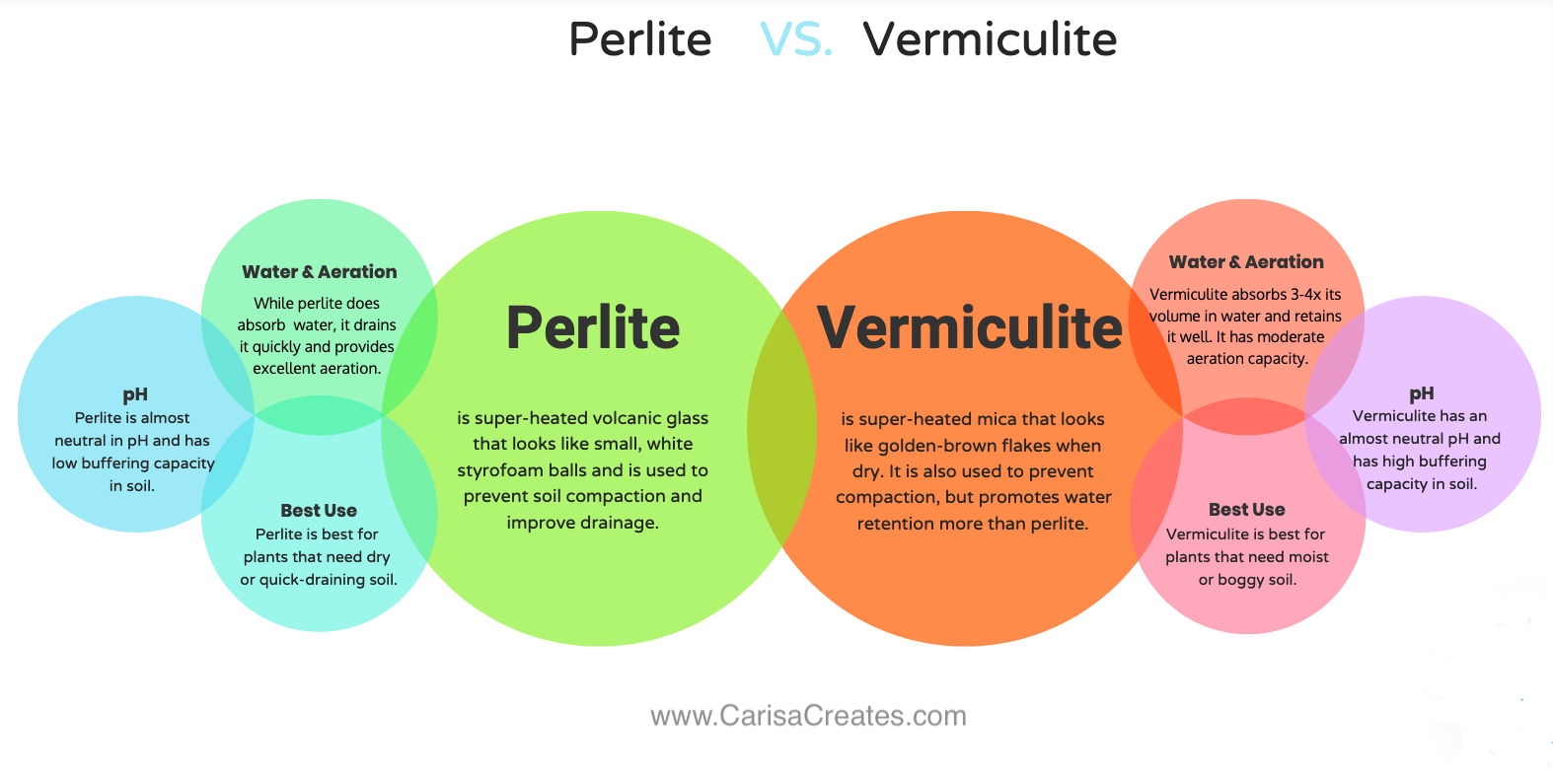
Credit: carisacreates.com
Properties Of Perlite
Perlite is a popular soil amendment used in gardening and horticulture. It improves soil quality by changing its structure. Understanding its properties helps gardeners choose the right material for their plants. Perlite’s features make it ideal for various plant types and growing conditions.
Physical Characteristics
Perlite is a lightweight, white, and porous material. It looks like tiny, round balls or flakes. It comes from volcanic glass that expands when heated. This process creates many small air pockets inside. These pockets make perlite very light and easy to handle. It does not break down quickly, so it lasts long in soil.
Drainage Ability
Perlite helps soil drain water fast. Its porous structure stops water from staying too long. This prevents roots from getting soggy or rotten. Excess water flows through soil easily. Good drainage keeps plant roots healthy and strong. It works well in pots and garden beds.
Aeration Benefits
Perlite improves soil aeration by creating air spaces. These spaces allow oxygen to reach plant roots. Oxygen is vital for root growth and nutrient uptake. Plants grow better with enough air in the soil. Perlite helps roots breathe and avoid suffocation. This leads to healthier, more vibrant plants.
Comparing Vermiculite And Perlite
Comparing vermiculite and perlite helps gardeners choose the right soil amendment. Both improve soil but work differently. Understanding their features helps plants grow better. Let’s explore their texture, water handling, and effects on soil.
Texture And Appearance
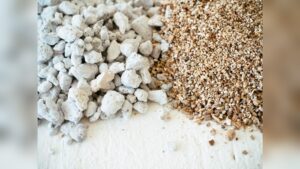
Vermiculite looks like small, shiny flakes. It feels soft and spongy to touch. Perlite appears as tiny white, round beads. It feels light and rough. These textures affect how each material mixes with soil.
Water Management
Vermiculite holds water well. It keeps moisture near plant roots longer. Perlite drains water quickly. It prevents water from staying too long. This helps stop root rot in wet soils.
Impact On Soil Structure
Vermiculite makes soil denser and holds nutrients. It improves soil aeration but can compact over time. Perlite loosens soil more and keeps it airy. It helps roots breathe and grow strong.
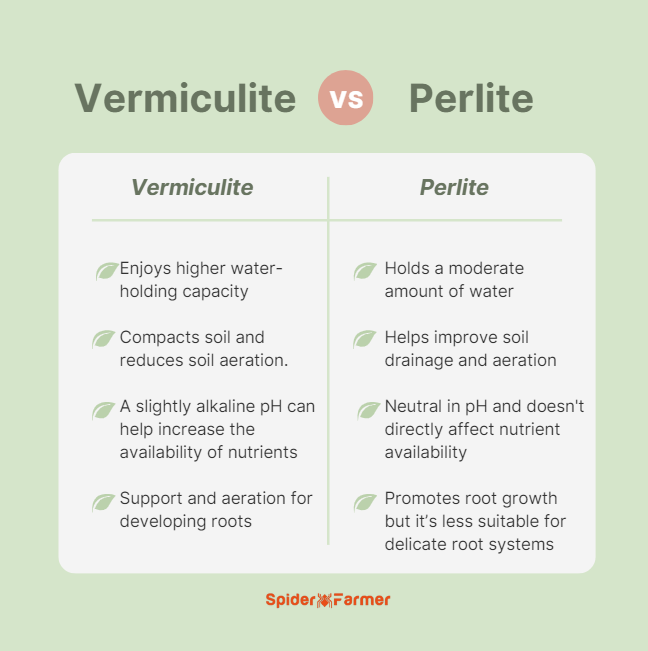
Credit: spiderfarmer.eu
Common Uses In Gardening
Vermiculite and perlite are popular materials in gardening. Both help plants grow well but serve different roles. Knowing their common uses can help gardeners choose the right one. These materials improve soil and support plant health in unique ways.
Seed Starting
Vermiculite holds water and air, making it perfect for seed starting. Seeds stay moist and get enough oxygen to sprout quickly. Perlite also helps by keeping soil loose and well-drained. It stops seeds from rotting in wet soil.
Soil Amendment
Adding vermiculite to soil improves water retention and nutrient holding. It helps plants get steady moisture. Perlite lightens heavy soils and increases air flow around roots. Both make soil easier to work with and better for plants.
Hydroponics
Perlite is often used in hydroponic systems for good drainage and root support. It keeps roots healthy without soil. Vermiculite is less common here but can hold nutrients and moisture in some setups. Each offers benefits in soilless gardening.
Environmental And Safety Considerations
Choosing between vermiculite and perlite involves more than gardening needs. Environmental impact and safety matter a lot. Both materials come from natural sources but differ in how they affect the earth and your health.
Sourcing And Sustainability
Vermiculite comes from mica minerals found underground. It requires mining, which can disturb land and wildlife. Responsible mining practices help reduce damage but are not always guaranteed.
Perlite is volcanic glass heated until it expands. It also involves mining but usually has a smaller environmental footprint. Perlite mining affects less land area and causes less erosion.
Both materials are natural and non-toxic. Choosing suppliers who follow eco-friendly mining helps protect nature. Look for products with clear information on sourcing and sustainability.
Handling Precautions
Vermiculite dust can irritate the eyes, skin, and lungs. Use gloves and a mask when handling loose vermiculite. Avoid creating dust clouds by wetting the material slightly before use.
Perlite also produces dust that may cause mild irritation. Wearing a dust mask and goggles reduces risk. Keep the work area ventilated to avoid breathing in particles.
Neither material is toxic, but simple safety steps prevent discomfort. Proper handling keeps your gardening safe and healthy.
Choosing Between Vermiculite And Perlite
Choosing between vermiculite and perlite depends on how you want your plants to grow. Both materials improve soil but serve different purposes. Understanding their strengths helps in picking the right one for your garden or pots.
Based On Plant Needs
Vermiculite holds water well. It suits plants that need steady moisture. Seedlings and ferns benefit from vermiculite’s ability to keep soil damp. It also helps with nutrient retention, so plants get more food.
Perlite improves soil aeration. It suits plants that need well-drained soil. Cacti and succulents thrive with perlite because it stops roots from sitting in water. It creates air pockets, letting roots breathe better.
Based On Climate Conditions
In dry climates, vermiculite helps keep soil moist longer. It reduces the need for frequent watering. This is good for plants sensitive to drought.
In wet climates, perlite prevents soil from becoming too wet. It helps avoid root rot by improving drainage. Perlite keeps soil light and airy, even after heavy rains.
Conclusion
Vermiculite and perlite both help plants grow better. Vermiculite holds water and nutrients well. Perlite improves soil drainage and air flow. Choose vermiculite for moisture-loving plants. Pick perlite for plants needing good drainage. Both materials keep soil light and healthy.
Knowing their differences helps your garden thrive. Use them smartly to support plant health. Simple steps lead to better plant care.