What is Self Watering Planter: Ultimate Guide to Easy Gardening
Are you tired of constantly worrying about watering your plants just right? Imagine a planter that takes care of your plants’ hydration for you, making sure they get exactly what they need—no more overwatering or drying out.
That’s exactly what a self-watering planter does. It’s designed to keep your plants healthy and thriving by delivering water automatically, adapting to their thirst and the environment around them. If you want to save time, reduce plant stress, and enjoy greener, happier plants, understanding how self-watering planters work could be a game-changer for your gardening routine.
Keep reading to discover what makes these planters so smart—and whether they’re the right choice for your home or garden.
Self-watering Planter Basics
Self-watering planters simplify plant care by providing steady moisture. These planters store water in a reservoir, allowing plants to absorb it as needed. This design helps maintain healthy soil moisture without daily watering. Understanding the basics helps gardeners choose and use these planters effectively.
How They Work
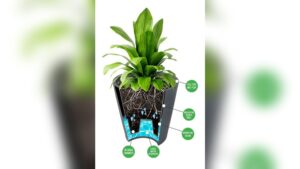
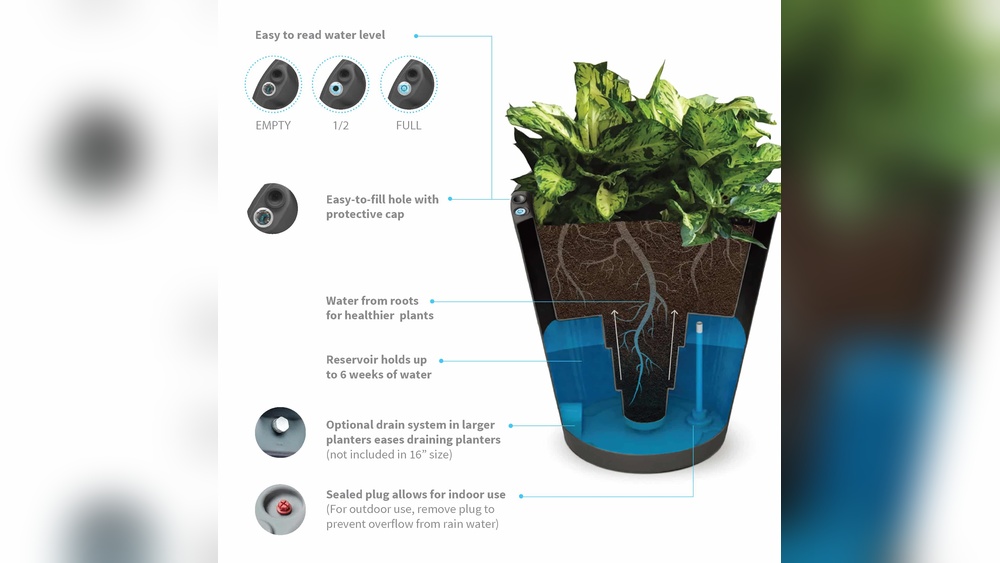
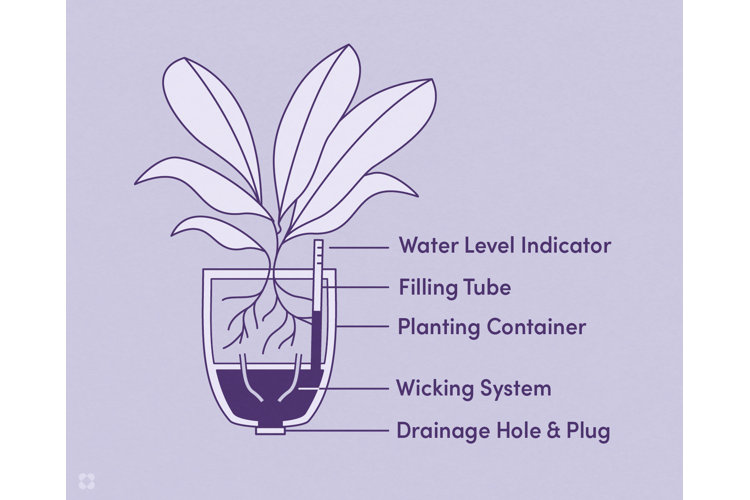
Self-watering planters use a water reservoir at the base. A wick or similar system draws water upward into the soil. Plants take in water only when their roots need it. This system adjusts to changing weather and plant needs. It prevents overwatering and underwatering by keeping moisture steady.
Key Components
These planters have three main parts: the pot, the reservoir, and the wicking system. The pot holds the soil and plant. The reservoir stores water below the pot. The wick connects the reservoir to the soil, moving water up. Some planters include a water level indicator to show when to refill. Together, these parts keep plants hydrated with minimal effort.
Benefits For Gardeners
Self watering planters offer many benefits for gardeners. They simplify plant care and improve growth. These planters help maintain healthy plants with less effort. Understanding their benefits can help gardeners decide if they fit their needs.
They provide steady water supply, save water, and suit certain plants well. These advantages make gardening easier and more enjoyable.
Consistent Hydration
Self watering planters supply water evenly to plants. The reservoir stores water for slow release. Plants absorb water only when they need it. This prevents overwatering and underwatering problems. Consistent moisture helps roots grow strong. It reduces stress on plants, especially in hot weather. Gardeners do not need to water daily.
Water Efficiency
These planters use water efficiently with minimal waste. Water flows from the reservoir directly to roots. Less water evaporates from the soil surface. This saves water compared to traditional pots. It also reduces the frequency of watering. Gardeners save time and water bills. Self watering planters suit dry climates well.
Ideal Plant Types
Self watering planters work best for moisture-loving plants. Ferns, peace lilies, and African violets thrive in them. Plants that need steady moisture grow healthier. Avoid using them for succulents or cacti. These plants prefer dry soil and can suffer from root rot. Knowing plant needs helps gardeners choose the right planter. This ensures plant health and growth success.
Common Drawbacks
Self-watering planters offer convenience but have some common drawbacks to consider. These issues can affect plant health and maintenance. Knowing these downsides helps you decide if this planter suits your needs.
Root Rot Risk
One major problem is root rot. The soil stays wet for too long. This constant moisture can suffocate roots. Plants that prefer dry soil suffer the most. Overwatering causes roots to decay and die. It reduces oxygen availability around the roots. This leads to poor plant growth and sometimes death.
Pest Attraction
Stagnant water in the reservoir can attract pests. Mosquitoes often breed in still water. This creates a nuisance and health risk. Other insects may also gather around the planter. These pests can harm your plants or spread diseases. Regular cleaning is necessary to reduce pest problems.
Soil And Plant Limitations
Not all soils work well in self-watering planters. Special soil mixes are often required for proper wicking. Some plants do not thrive in these conditions. Succulents and cacti need dry soil and may rot. Plants with high water needs might still suffer. Choosing the right plant and soil is key for success.

Credit: gomayne.com
Maintenance Tips
Maintaining a self watering planter is essential for healthy plants and long-lasting use. Simple care routines keep your planter working well. Cleanliness and attention to water quality help prevent common problems. Follow these tips to enjoy thriving plants with minimal effort.
Cleaning The Reservoir
Empty the water reservoir regularly to avoid stale water. Rinse it with warm water every two weeks. Use a soft brush to scrub away dirt and algae. Avoid harsh chemicals that can harm plants. Clean reservoirs ensure fresh water reaches the roots.
Preventing Mold And Mildew
Mold and mildew grow in damp, dark places like reservoirs. Keep the planter in a well-ventilated area to reduce moisture buildup. Check the soil surface for any white or gray patches. Remove affected soil and replace it. Wipe down planter surfaces to stop mold growth.
Managing Mineral Buildup
Mineral deposits can clog the watering system and harm plants. Use filtered or distilled water to reduce minerals. If buildup appears, soak the reservoir in a vinegar solution. Rinse thoroughly before refilling with water. Regular cleaning prevents blockages and keeps water flowing.
Choosing The Right Soil
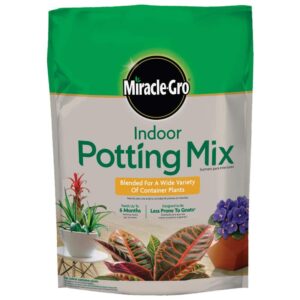
Choosing the right soil is key for a self-watering planter’s success. The soil must hold moisture well but also drain excess water. It needs to support the plant’s roots and allow oxygen flow. The soil mix differs from regular pots because the planter has a water reservoir. Proper soil selection prevents root rot and keeps plants healthy. Below are important factors to consider when preparing soil for self-watering planters.
Soil Amendments
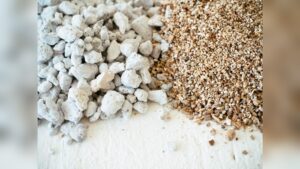
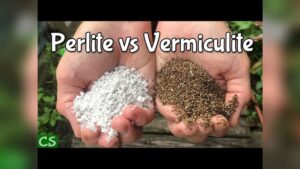
Soil amendments improve water retention and nutrient supply. Adding organic matter like compost or coconut coir helps keep soil moist. Perlite or vermiculite enhances drainage without drying out the soil. These materials balance moisture levels, so roots get water but do not stay soggy. Avoid heavy garden soil that compacts easily. Amendments create a light, fluffy mix ideal for self-watering planters.
Aeration Needs
Aeration lets roots breathe and prevents waterlogging. Good airflow in the soil stops oxygen deprivation and root rot. Coarse materials like perlite and sand increase air pockets inside the soil. Avoid using only fine particles that pack tightly. Proper aeration supports healthy root growth and nutrient uptake. The soil should feel loose, not dense, for best results in self-watering systems.
Best Plants For Self-watering Planters
Choosing the right plants for self-watering planters is key to healthy growth. These planters supply water steadily, keeping soil moist for long periods. Some plants thrive in this environment, while others struggle with excess moisture. Understanding which plants suit self-watering systems helps you avoid common problems like root rot and overwatering. Below are plant types that work best and those to avoid.
Moisture-loving Plants
Plants that enjoy consistent moisture do well in self-watering planters. Ferns are a great example. They like damp soil and high humidity, making them perfect for this setup. African violets also thrive with steady water supply. Peace lilies handle moist soil without trouble. Herbs like mint and basil prefer regular watering too. These plants benefit from the planter’s water reservoir, staying hydrated without drying out.
Plants To Avoid
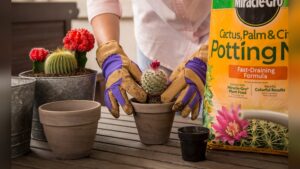
Succulents and cacti do not suit self-watering planters. They need dry soil between watering to prevent root rot. Overly wet soil harms their roots and slows growth. Other plants that dislike constant moisture include lavender and rosemary. These plants prefer well-drained soil and can suffer in wet conditions. Avoid placing thirsty plants that require heavy watering, as they may not get enough water from the reservoir. Choosing the right plants prevents common issues and supports healthy growth.
Cost And Setup Considerations
Understanding the cost and setup requirements of a self watering planter helps in making a smart choice. These planters save time and water but need careful planning before use. Budget and space play key roles in deciding the best option for your needs.
Initial Investment
Self watering planters usually cost more than regular pots. Prices depend on size, material, and brand. Basic models are affordable, while advanced ones with smart features cost extra. Consider long-term savings on water and maintenance when judging the price.
Setup Requirements
Setting up a self watering planter is simple but needs some care. It requires a reservoir to hold water and a wicking system to deliver moisture to plants. Choose soil that works well with water retention. Place the planter in a spot with good light and easy access for refilling.
Credit: www.wayfair.com
Troubleshooting Issues
Troubleshooting self-watering planters helps maintain healthy plants and efficient watering. These planters simplify plant care but can face common problems. Identifying and fixing issues early keeps your garden thriving. Below are key areas to check and adjust for best results.
Watering System Clogs
Clogs in the watering system block water flow to plants. Soil particles and debris often cause these blockages. Clean the watering tube and reservoir regularly to avoid buildup. Use a small brush or pipe cleaner to clear narrow parts. Flushing the system with water helps remove stubborn dirt. Prevent clogs by using clean water and suitable soil mix.
Monitoring Soil Moisture
Check soil moisture to ensure plants get the right amount of water. Overly wet soil can cause root rot and harm plants. Use a moisture meter or touch the soil to test dampness. Adjust watering frequency based on plant needs and environment. Dry soil means refill the reservoir or add water. Consistent monitoring prevents both underwatering and overwatering.
Adapting To Weather
Weather changes affect water needs of your plants. Hot, dry days require more frequent refilling of the reservoir. Cooler or rainy weather means less watering is needed. Move planters to shaded areas during extreme heat to reduce water loss. Adjust watering habits seasonally to match plant water consumption. Being flexible helps plants stay healthy year-round.
Indoor Vs Outdoor Use
Choosing between indoor and outdoor use for a self-watering planter depends on several environmental factors. Both settings offer unique benefits and challenges for plant growth. Understanding these can help you make the best decision for your plants and space.
Humidity Effects
Indoor environments often have controlled humidity levels. This helps maintain steady moisture in the planter. Self-watering planters work well indoors because plants get water without excess dampness.
Outdoors, humidity can vary widely. High humidity may cause the soil to stay too wet. This can lead to root rot and other problems. Low humidity may dry the soil faster, making the reservoir less effective.
Rain And Waterlogging Risks
Rain can add extra water to outdoor planters. Self-watering planters outdoors risk waterlogging if rainwater fills the reservoir. This can drown plant roots and cause health issues.
Indoors, waterlogging is less of a concern. You control the amount of water added. This reduces the chance of overwatering and related problems like mold or pests.

Credit: urbanscapeplanters.com
Frequently Asked Questions
How Does A Self-watering Planter Work?
A self-watering planter uses a reservoir and wick to supply water to plants as needed. It keeps soil consistently moist, reducing watering frequency and adapting to plant thirst and weather conditions.
What Is The Disadvantage Of Self-watering Pots?
Self-watering pots risk root rot by keeping soil too wet, attract mosquitoes, need specific soil, and require regular cleaning. They suit moisture-loving plants but can harm succulents and increase upfront costs.
What Plants Do Not Like Self-watering Pots?
Succulents, cacti, and plants needing dry soil dislike self-watering pots. These pots keep soil too moist, causing root rot and oxygen loss. Plants requiring precise watering may suffer from overwatering or stagnant water issues in self-watering systems.
How Long Can Plants Go In Self-watering Pots?
Plants can stay in self-watering pots for weeks, depending on reservoir size and plant water needs. Check water levels regularly.
Conclusion
Self-watering planters simplify plant care by providing steady moisture. They suit plants that like consistent water, such as ferns. These planters reduce daily watering but need regular cleaning to avoid mold. Not all plants thrive; succulents may suffer from too much water.
Consider your plant type and environment before choosing one. Overall, self-watering planters offer convenience and steady growth for the right plants.