What is Perlite Or Vermiculite: Essential Guide for Gardeners
Are you wondering what perlite or vermiculite is and how they can make a difference in your gardening or home projects? These two materials might sound similar, but they have unique qualities that can help your plants grow healthier and your soil perform better.
Understanding what perlite and vermiculite are will give you the power to choose the right one for your needs. Keep reading to discover how these simple minerals can transform your gardening experience and boost your success!

Credit: www.youtube.com
Perlite Basics
Perlite is a popular material used in gardening and horticulture. It helps improve soil quality and plant growth. Understanding perlite basics is important for gardeners and plant lovers. This section covers its origin, physical properties, and uses.
Origin And Formation
Perlite is a natural volcanic glass. It forms when lava cools quickly. This process traps water inside the rock. When heated, the water expands, making the rock porous. This expanded form is what gardeners use as perlite.
Physical Properties
Perlite is lightweight and white or gray in color. It has a porous texture with many small holes. This structure holds air and water well. Perlite does not decompose or break down easily. It is sterile and does not carry diseases or weeds.
Common Uses In Gardening
Gardeners mix perlite with soil to improve drainage. It helps keep soil loose and airy. This allows roots to grow better and absorb nutrients. Perlite is also used in seed starting mixes. It helps young plants get the right amount of moisture and air.
Vermiculite Essentials
Vermiculite is a natural mineral used in gardening and construction. It looks like small flakes or granules. Vermiculite helps soil hold water and nutrients. Many gardeners use it to improve plant growth. It also keeps soil light and airy.
This section explains how vermiculite forms, its key traits, and its gardening uses. Understanding these basics helps you use vermiculite better.
How Vermiculite Forms
Vermiculite forms from mica, a type of rock. Heat and pressure deep in the earth change mica. This process creates layers that expand when heated. The expanded layers become light and spongy. This makes vermiculite easy to use in gardens and homes.
Key Characteristics
Vermiculite is lightweight and absorbs water well. It holds nutrients and releases them slowly. It is soft and does not break easily. Vermiculite is fire-resistant and does not rot. These features make it useful in many places.
Gardening Applications
Gardeners mix vermiculite with soil to improve drainage. It helps keep soil moist without flooding roots. Seeds sprout better in vermiculite-rich soil. It also helps plants get air and nutrients. Vermiculite is great for starting seedlings and growing flowers or vegetables.
Comparing Perlite And Vermiculite
Perlite and vermiculite are popular soil additives in gardening. Both improve soil but serve different roles. Understanding their differences helps choose the right one for plants. Below is a clear comparison of their main features and uses.
Texture And Appearance
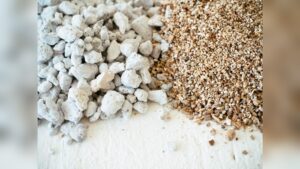
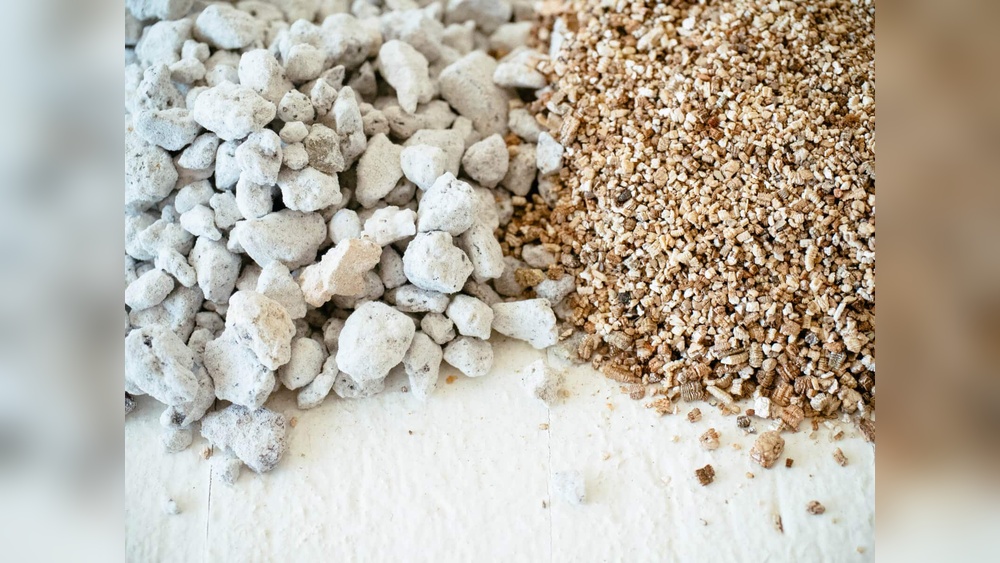
Perlite looks like small white balls. It is lightweight and porous with a rough texture. Vermiculite appears as shiny, brownish flakes. It feels soft and spongy to touch. Perlite adds air pockets, while vermiculite feels like tiny cushions.
Water Retention Capabilities
Perlite holds very little water. It drains water quickly and keeps soil airy. Vermiculite absorbs and holds much more water. It releases moisture slowly to plant roots. Vermiculite suits plants that need steady moisture.
Nutrient Holding Capacity
Perlite does not hold nutrients well. It mainly improves soil aeration and drainage. Vermiculite can store nutrients like potassium and magnesium. It slowly releases these nutrients to plants. Vermiculite supports nutrient-rich soil better.
Best Uses For Each
Use perlite to lighten heavy soils and improve drainage. It is ideal for succulents and cacti. Vermiculite works well in seed starting mixes and moisture-loving plants. It helps maintain moisture for vegetables and flowers.

Credit: www.supremeperlite.com
Benefits For Gardeners
Perlite and vermiculite are popular materials that help gardeners grow healthy plants. They improve soil quality in many ways. These natural minerals support better plant growth and make gardening easier. Understanding their benefits helps gardeners choose the right soil mix for their plants.
Improving Soil Aeration
Perlite and vermiculite keep soil loose and light. This allows air to reach plant roots easily. Good air flow prevents soil from becoming compacted. Roots can breathe better and absorb nutrients well. Plants grow stronger with plenty of oxygen in the soil.
Enhancing Moisture Retention
Vermiculite holds water like a sponge. It keeps moisture near plant roots for longer. This reduces the need for frequent watering. Perlite also holds some water but drains excess well. Together, they balance moisture to prevent drying out or waterlogging.
Supporting Root Growth
Both materials create a soft environment for roots to expand. Loose soil helps roots spread easily. This leads to better nutrient and water uptake. Strong root systems support healthy, vibrant plants. Gardeners notice faster growth and better yields with these soil additives.
How To Use In Your Garden
Using perlite or vermiculite in your garden improves soil and plant growth. These materials help with water retention and aeration. They make soil lighter and easier to work with. Learning how to use them can boost your garden’s health and productivity.
Mixing With Soil
Mix perlite or vermiculite with garden soil to improve drainage. Use about one part perlite or vermiculite to three parts soil. This mix helps roots get oxygen and water evenly. It prevents soil from becoming compacted. Perfect for vegetable beds and flower gardens.
Seed Starting Tips
Use vermiculite or perlite in seed starting mixes for better moisture control. Vermiculite holds water, keeping seeds moist without drowning them. Perlite adds air space, helping seeds breathe. Combine with peat moss or coconut coir for a balanced mix. This helps seeds sprout healthy and strong.
Container Gardening Advice
Add perlite or vermiculite to potting soil for containers. It keeps soil light and drains well. This stops roots from sitting in water, which can cause rot. Mix one part perlite or vermiculite with two parts potting soil. Your potted plants will grow healthier and last longer.
Safety And Environmental Impact
Perlite and vermiculite are popular materials in gardening and construction. Understanding their safety and environmental impact is important. Both materials are natural but need careful handling. They also affect the environment differently. This section explains how to use them safely and consider their sustainability.
Handling Precautions
Perlite is a lightweight volcanic glass. It can release dust during use. This dust may irritate the eyes and lungs. Wearing a mask and gloves helps protect against dust. Avoid breathing in the dust for long periods.
Vermiculite is a mineral that expands when heated. It may also produce dust. Some vermiculite contains trace amounts of asbestos. Always buy vermiculite from trusted sources. Use gloves and a mask when handling it. Keep work areas well-ventilated to reduce dust exposure.
Sustainability Considerations
Perlite mining disturbs natural land but is often reclaimed. It is abundant and can be recycled in some cases. Vermiculite is also mined from natural deposits. Mining can impact local ecosystems if not managed well.
Both materials are non-toxic and do not harm soil or plants. They improve water retention and aeration in soil. Using them wisely helps reduce environmental damage. Choose suppliers who follow responsible mining practices.
:max_bytes(150000):strip_icc()/SPR-vermiculite-vs-perlite-6455754-hero-1a2d3e14e0584fbaa4a990ebef1d494b.jpg)
Credit: www.thespruce.com
Conclusion
Perlite and vermiculite are useful for gardening and soil care. Both help soil hold water and air. They make plants grow better and stay healthy. Perlite is light and keeps soil loose. Vermiculite holds more water and nutrients. Knowing their differences helps you choose the right one.
Use them to improve your garden’s soil. Small changes can bring big results. Try them and see the difference yourself. Gardening becomes easier with these simple additions.