What is Difference between Perlite And Vermiculite: Key Facts Explained
Are you wondering which soil amendment—perlite or vermiculite—is best for your plants? Choosing the right one can make a big difference in how your garden grows.
Both perlite and vermiculite improve soil, but they do it in very different ways. Understanding these differences will help you give your plants the perfect environment to thrive. Keep reading to discover how each works and which one suits your gardening needs best.
Credit: spiderfarmer.eu
Properties Of Perlite
Perlite has unique properties that make it popular in gardening and construction. It is a volcanic glass that expands when heated. This expansion creates a lightweight, porous material. These properties help plants grow better and improve soil quality.
Physical Characteristics
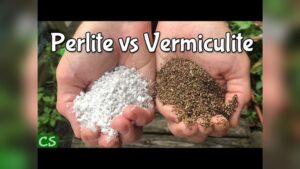
Perlite looks like small, white, and round grains. It is very light and airy. The surface is rough and porous. These pores help hold water and air. Perlite does not break down easily in soil. It also stays sterile without harmful bacteria.
Chemical Composition
Perlite mainly contains silica, about 70-75%. It also has aluminum oxide and sodium oxide. These components make perlite stable and non-toxic. It does not change soil pH much. This neutrality helps many plants grow well.
Common Uses
Gardeners use perlite to improve soil drainage and aeration. It helps roots get oxygen and water easily. Builders use perlite in lightweight concrete and insulation. It also appears in hydroponic growing systems. Perlite keeps soil loose and healthy.
Properties Of Vermiculite
Vermiculite is a natural mineral often used in gardening and construction. It expands when heated, creating a lightweight, porous material. This makes vermiculite useful for various tasks. Understanding its properties helps in choosing the right material for your needs.
Physical Characteristics
Vermiculite looks like small, shiny flakes. It feels light and soft to touch. The flakes can hold water well. This helps plants stay moist longer. Vermiculite also improves soil aeration. It does not break down quickly in soil.
Chemical Composition
Vermiculite contains magnesium, aluminum, and iron. These minerals give it a layered structure. The layers trap water and air inside. It is chemically stable and does not harm plants. Vermiculite is naturally neutral in pH, making it safe for many uses.
Common Uses
Gardeners use vermiculite to improve soil texture. It helps seeds sprout and roots grow strong. Vermiculite also absorbs water in potting mixes. Builders add it to concrete for insulation. It is useful in packing fragile items too.
Comparison Of Perlite And Vermiculite
Perlite and vermiculite are common soil additives. Both improve plant growth but serve different purposes. Comparing their features helps choose the best one for your plants. The following sections explain their differences clearly.
Appearance And Texture
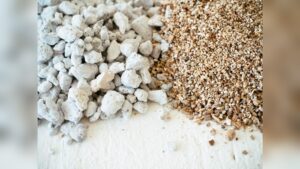
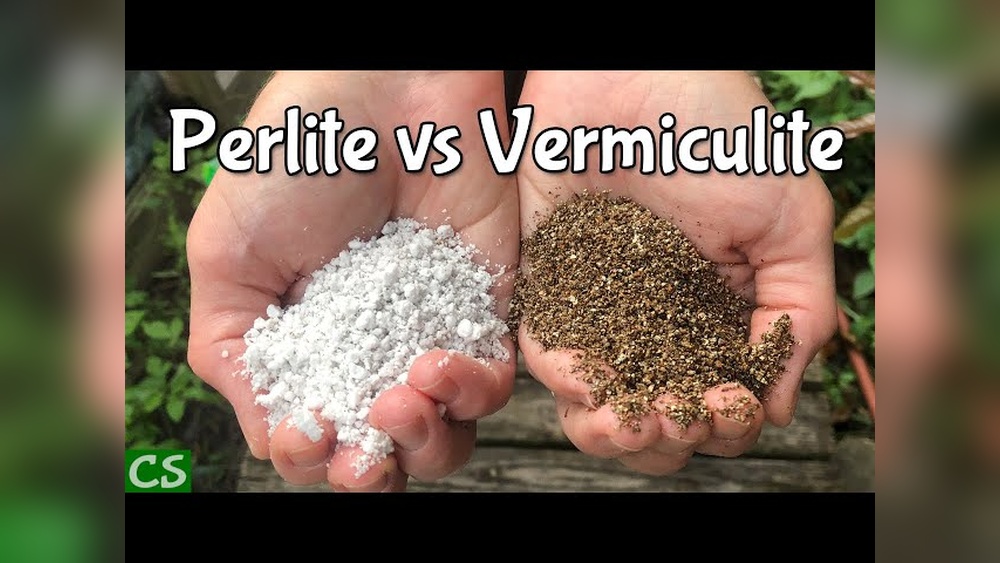
Perlite looks like small white balls. It is lightweight and porous. Vermiculite has a shiny, layered look. It feels soft and spongy. Both add air to soil but look quite different.
Water Retention And Drainage
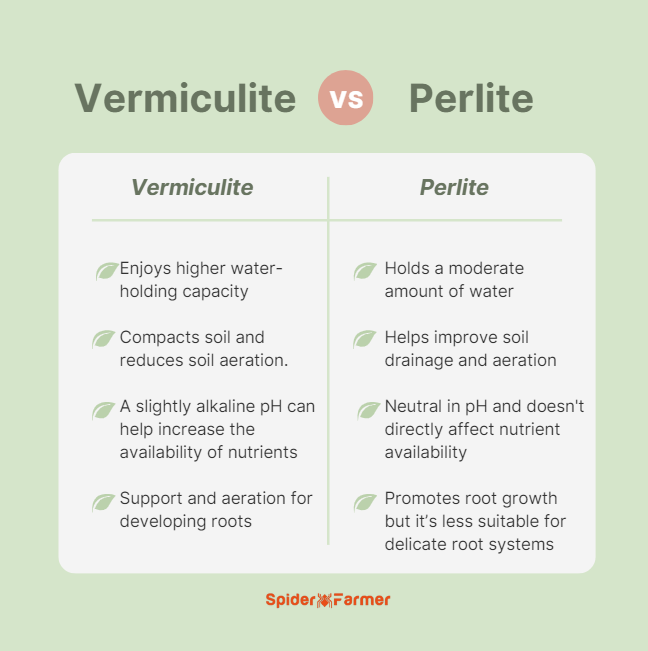
Perlite drains water quickly. It keeps soil from getting too wet. Vermiculite holds water well. It helps soil stay moist longer. Choose perlite for dry soils and vermiculite for wet soils.
Nutrient Retention
Vermiculite holds nutrients and releases them slowly. It feeds plants over time. Perlite does not hold nutrients. It only helps with air and water flow. Vermiculite is better for nutrient-rich soil mixes.
Weight And Density
Perlite is very light and airy. It makes soil lighter and easy to handle. Vermiculite is heavier and denser. It adds weight but keeps soil soft. Use perlite if you want lightweight soil.
:max_bytes(150000):strip_icc()/SPR-vermiculite-vs-perlite-6455754-hero-1a2d3e14e0584fbaa4a990ebef1d494b.jpg)
Credit: www.thespruce.com
Applications In Gardening
Perlite and vermiculite are both popular materials in gardening. They help improve soil and plant health. Each has unique uses that gardeners find helpful. Understanding their applications can guide better gardening choices.
Soil Aeration
Perlite is excellent for soil aeration. It creates tiny air pockets in the soil. These pockets allow roots to breathe and grow strong. Vermiculite holds moisture but does not improve aeration as well as perlite. Using perlite keeps soil light and loose.
Seed Starting
Vermiculite works well for starting seeds. It keeps moisture around the seeds, helping them sprout. Perlite drains quickly, so it may dry out seedbeds faster. Vermiculite’s water retention supports young seedlings during early growth.
Plant Growth Support
Both materials support plant growth but in different ways. Perlite helps prevent soil compaction and improves drainage. Vermiculite supplies minerals and holds water near roots. Choosing the right one depends on the plant’s water and air needs.
Other Industrial Uses
Perlite and vermiculite are not just popular in gardening. They also have many industrial uses. Their unique properties make them useful in different industries. This section covers some key industrial uses beyond gardening.
Construction Materials
Perlite is widely used in construction. It adds lightness and strength to concrete blocks. It also improves fire resistance. Vermiculite is mixed with cement to make lightweight concrete. This concrete is easier to handle and has good insulation.
Insulation
Both perlite and vermiculite are excellent insulators. Perlite is used in loose fill insulation for walls and roofs. It helps keep buildings warm in winter and cool in summer. Vermiculite can also hold heat well. It is used in fireproofing materials and heat shields.
Packaging
Perlite and vermiculite protect fragile items during shipping. They act as cushioning materials. Their lightweight nature reduces shipping costs. Vermiculite absorbs moisture, keeping products dry. This makes it ideal for packing electronics and glass.
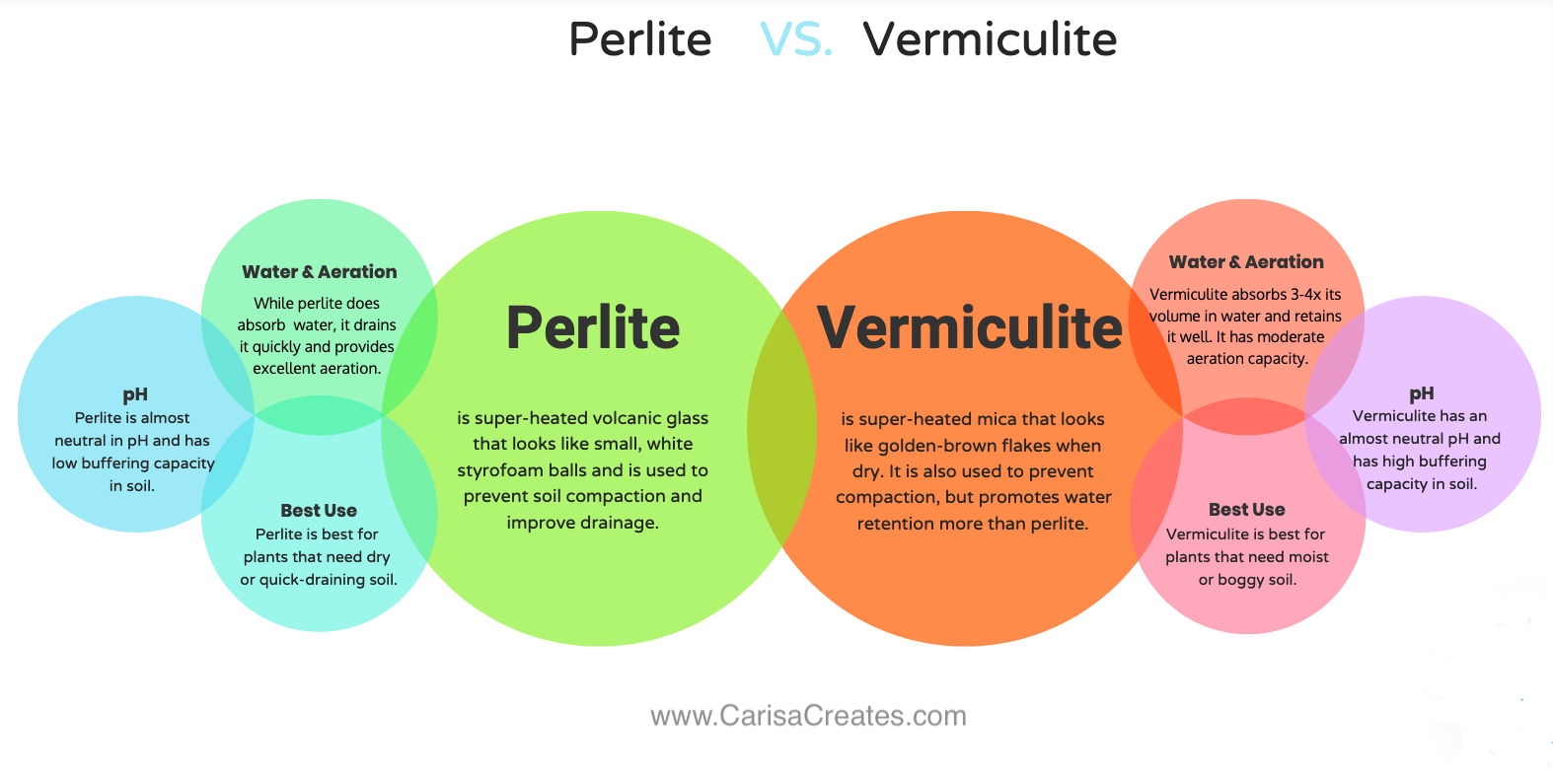
Credit: carisacreates.com
Choosing Between Perlite And Vermiculite
Choosing between perlite and vermiculite can affect plant growth and soil health. Both materials improve soil but serve different purposes. Understanding their differences helps in making the right choice for your plants.
Factors To Consider
Perlite is lightweight and improves soil aeration. It helps water drain quickly and prevents soil compaction. Vermiculite holds water well and retains nutrients for plant roots. It also improves soil aeration but keeps moisture longer than perlite. Consider your soil type and watering habits before choosing.
Suitability For Different Plants
Perlite suits plants needing well-drained soil, like succulents and cacti. Vermiculite works better for plants that need consistent moisture, such as ferns and seedlings. Some plants prefer a mix of both to balance drainage and water retention. Knowing your plant’s needs guides the choice.
Cost And Availability
Perlite is usually cheaper and widely available at garden centers. Vermiculite can cost more but offers added benefits for certain plants. Both materials are easy to find online or locally. Budget and plant requirements influence which one fits best.
Conclusion
Perlite and vermiculite both help plants grow better. Perlite keeps soil light and drains water well. Vermiculite holds moisture and nutrients for plants. Choose perlite for good airflow and quick drying. Pick vermiculite to keep soil moist longer. Both are natural and safe for gardens.
Understanding their differences helps your plants thrive. Use them right to support healthy roots and strong growth. Simple choices can make a big difference in gardening success.