What is Deep Watering for Plants: Ultimate Guide to Healthier Growth
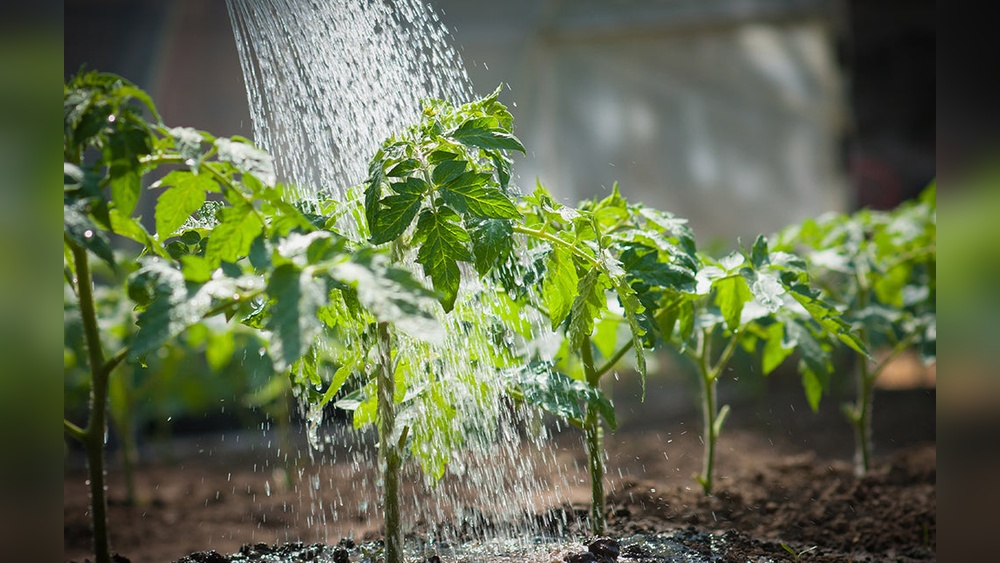
Are you struggling to keep your plants healthy and thriving? You might be watering them, but are you watering them the right way?
Deep watering is a simple but powerful technique that can make a huge difference in your garden’s health. By reaching the roots where your plants truly need moisture, deep watering helps create stronger roots and more vibrant growth. You’ll discover exactly what deep watering is, why it matters, and how you can easily do it yourself to give your plants the care they deserve.
Keep reading to unlock the secret to watering your plants smarter—not harder.
Benefits Of Deep Watering
Deep watering benefits plants in many important ways. It helps plants grow healthier and saves water. This watering method supports the natural needs of plants. It allows water to reach deep into the soil, where roots can absorb it well. The benefits of deep watering improve plant health and reduce problems.
Promotes Strong Root Growth
Deep watering encourages roots to grow deeper into the soil. Strong roots help plants get more nutrients and moisture. They also make plants more stable and less likely to fall over. Shallow roots can cause plants to dry out quickly. Deep watering ensures roots develop well and stay healthy.
Reduces Water Waste
Watering deeply uses water more efficiently. It lowers water loss from evaporation and runoff. This means less water is wasted and more reaches the roots. Deep watering also means fewer watering sessions are needed. Saving water helps the environment and lowers your water bills.
Prevents Plant Stress
Plants suffer stress when they do not get enough water. Deep watering keeps soil moist for longer periods. This steady moisture supply reduces stress on plants. Healthy plants resist pests and diseases better. Deep watering helps plants stay strong through dry times.
How To Deep Water Plants
Deep watering plants helps roots grow stronger and reach deeper soil layers. It improves plant health and drought resistance. Follow simple steps to water your plants deeply and correctly.
Checking Soil Moisture
Start by testing the soil moisture. Insert your finger or a small tool about 6 to 8 inches deep. If the soil feels dry at this depth, it needs deep watering. Moist soil means your plant has enough water for now.
Watering Techniques
Use a slow, steady flow of water near the plant base. Avoid spraying water from above, which wastes water and can harm leaves. Drip irrigation or soaker hoses work best for deep watering. Let water soak into the ground slowly.
Duration And Frequency
Water long enough to moisten soil at least 8 inches deep. This usually takes 20 to 30 minutes per plant. Deep water your plants once or twice a week, depending on weather and soil type. Less frequent, deep watering encourages strong roots.
Tools For Deep Watering
Deep watering helps plants grow strong roots by delivering water below the soil surface. Choosing the right tools makes this process easier and more effective. Proper tools ensure water reaches deep into the soil, promoting healthy root growth and reducing water waste.
Soaker Hoses And Drip Irrigation
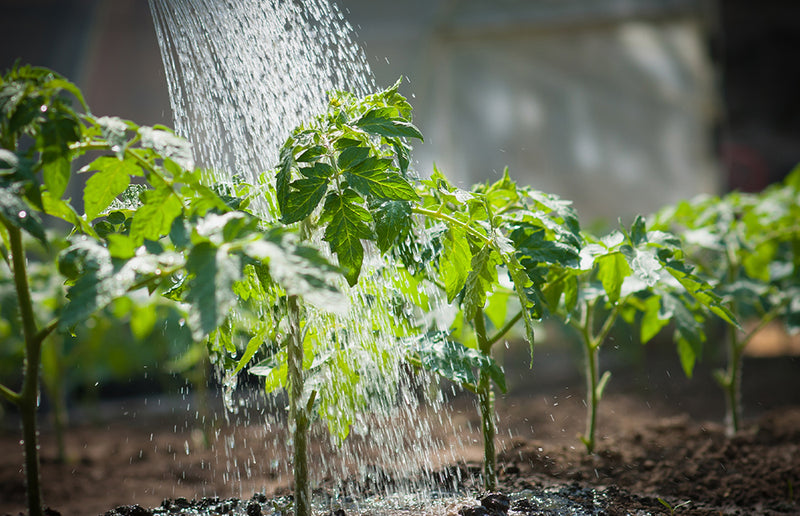
Soaker hoses slowly release water along their length. They deliver water directly to the soil at the plant base. This method avoids wetting leaves, which can reduce disease risk. Drip irrigation uses small emitters to drip water slowly. It targets plant roots precisely, saving water and time. Both tools keep soil moist deep down without runoff.
Watering Cans And Timers
Watering cans allow careful control of water flow. They work well for deep watering potted plants or small gardens. Pair watering cans with a timer to avoid overwatering. Timers automate watering sessions, ensuring consistent moisture levels. This combination helps maintain deep soil moisture without guesswork or waste.
Credit: swanhose.com
Common Mistakes To Avoid
Deep watering helps plants grow strong roots by reaching moisture deep in the soil. Many gardeners make mistakes that reduce its benefits. Avoiding these common errors ensures plants stay healthy and thrive.
Overwatering Risks
Too much water can drown plant roots. Overwatering causes root rot and weak plants. Roots need air to breathe, and excess water blocks oxygen. Water only when the soil feels dry deep down. This keeps roots healthy and prevents diseases.
Watering Too Shallow
Watering just the surface does not reach deep roots. Shallow watering causes roots to stay near the top. This makes plants weak and less drought-resistant. Aim to water slowly so moisture soaks eight inches deep. Deep roots help plants survive dry spells better.
Ignoring Soil Type
Different soils absorb water differently. Sandy soil drains quickly and needs more frequent watering. Clay soil holds water longer and requires less. Knowing your soil type helps you water properly. Adjust watering time and amount to fit the soil. This prevents water waste and root problems.
Deep Watering For Different Plants
Deep watering helps plants grow strong roots by reaching deep into the soil. Different plants need different watering depths and frequencies. Understanding these needs keeps plants healthy and thriving.
Vegetables And Herbs
Vegetables and herbs have shallow roots. Watering deeply once or twice a week works well. This encourages roots to grow deeper. It helps plants resist dry spells. Light, frequent watering may cause weak roots and disease.
Trees And Shrubs
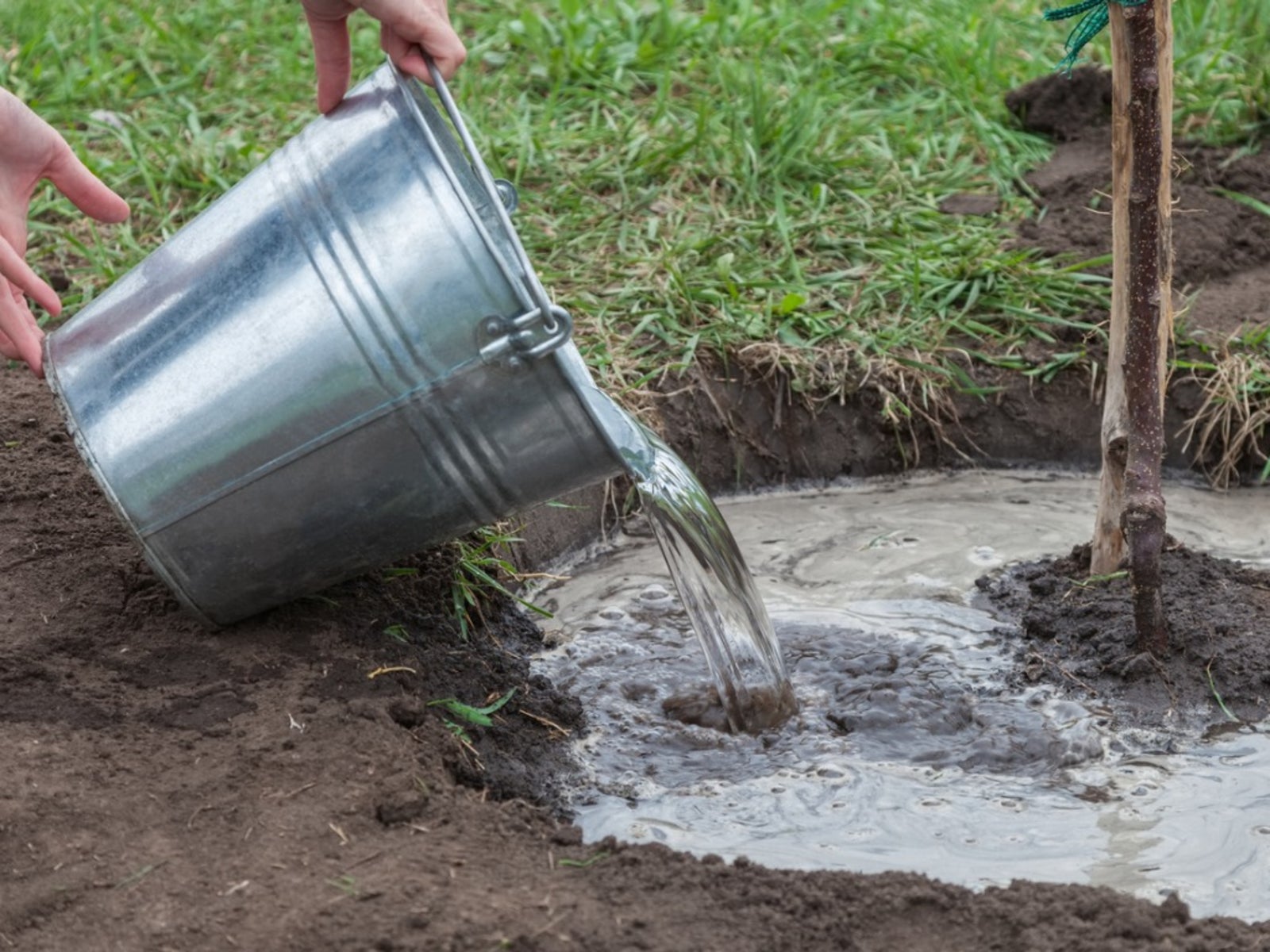
Trees and shrubs have deep roots. They need deep watering to reach the root zone. Water slowly and deeply once a week or more. This keeps roots healthy and reduces stress. Surface watering only wets the top soil, which is not enough.
Indoor Plants
Indoor plants usually have smaller pots and limited soil. Water deeply but less often. Let the soil dry slightly between watering. This prevents root rot and overwatering. Use a watering can that delivers water evenly to the soil.

Credit: www.reddit.com
Seasonal Adjustments
Adjusting deep watering practices across seasons keeps plants healthy. Different weather conditions affect how much and how often you water. Plants need more water during hot times and less when rain is frequent. Understanding these changes helps you avoid overwatering or underwatering.
Watering In Hot Weather
Hot weather dries soil quickly. Deep watering helps roots reach moisture deep below the surface. Water early in the morning to reduce evaporation. Use slow, steady watering to soak soil at least eight inches deep. This encourages strong roots and healthy growth.
Managing Water In Rainy Seasons
Rain adds natural moisture to soil. Check soil before watering to avoid waterlogging. Overwatering can harm roots and cause diseases. Use deep watering less often during rainy periods. Focus on draining excess water to keep roots healthy and plants thriving.
Signs Your Plants Need Deep Watering
Knowing when your plants need deep watering is key to their health. Plants show clear signs when they are thirsty below the surface. Watching for these signs helps you water them right. Deep watering reaches the roots and keeps plants strong. Shallow watering only wets the surface and can harm plants over time.
Wilting And Yellowing Leaves
Leaves droop or wilt when roots lack water. Yellow leaves also signal water stress. These signs mean the plant’s roots cannot access enough moisture. The plant tries to save water by closing leaf pores. Deep watering helps roots absorb water and recover leaf health.
Dry Soil Indicators
Check the soil deeply, not just the surface. Soil that feels dry several inches down needs water. Dry soil blocks nutrients and makes roots weak. Use a trowel or stick to test soil moisture below ground. Deep watering moistens soil and supports root growth.
Credit: www.gardeningknowhow.com
Deep Watering And Soil Health
Deep watering plays a key role in maintaining soil health. It helps plants grow stronger roots and improves the soil’s overall condition. Water reaches deeper layers, promoting better moisture retention and nutrient absorption. This method supports a thriving garden ecosystem below the surface.
Improving Soil Structure
Deep watering prevents soil from becoming compacted. It allows water to penetrate deeply, loosening soil particles. This creates air spaces that help roots breathe and grow. Well-structured soil holds water longer, reducing the need for frequent watering. It also helps prevent erosion and surface runoff.
Encouraging Microbial Activity
Moist soil from deep watering supports beneficial microbes. These tiny organisms break down organic matter, releasing nutrients for plants. Healthy microbial activity boosts soil fertility naturally. It also helps protect plants from diseases by improving soil balance. Deep watering creates the right environment for these microbes to thrive.
Frequently Asked Questions
How Do You Deeply Water A Plant?
Water deeply by slowly soaking soil until moisture reaches 8 inches deep. Use a steady, gentle stream and check soil moisture regularly. This encourages strong roots and healthy growth.
How Many Minutes Is Deep Watering?
Deep watering typically lasts 20 to 30 minutes, allowing water to reach at least 8 inches deep into the soil. This promotes strong root growth and healthier plants. Adjust time based on soil type and plant needs for optimal results.
What Does Deep Watering Look Like?
Deep watering means soaking soil deeply, reaching at least 8 inches to nourish roots. Water flows slowly, wetting soil thoroughly, not just the surface. This promotes strong root growth and reduces water waste. Check soil moisture after watering to ensure deep penetration.
Is It Better To Overwater Or Underwater A Plant?
Underwatering stresses plants but overwatering causes root rot and diseases. Avoid overwatering for healthier roots and growth.
Conclusion
Deep watering helps plants grow stronger roots and stay healthy. It moves water deep into the soil where roots can reach it. Shallow watering makes roots stay near the surface and weak. Water plants slowly and deeply to soak at least eight inches down.
This method saves water and supports plant growth during dry times. Try deep watering regularly for a greener and happier garden. Your plants will thank you with better blooms and leaves. Give deep watering a chance and see the difference yourself.