What is a Self Watering Plant Pot: Ultimate Guide to Effortless Gardening
Have you ever struggled with keeping your plants perfectly watered without overdoing it or forgetting altogether? A self watering plant pot might just be the game-changer you need.
These smart pots are designed to give your plants the right amount of water, exactly when they need it, so you don’t have to worry about daily watering. Imagine having healthier, happier plants with less effort from you. But how do these pots work, and are they really as helpful as they sound?
Keep reading to discover what a self watering plant pot is, how it benefits your plants, and what you should watch out for to make the most of this clever gardening tool. Your plant care routine is about to get a whole lot easier!
How Self Watering Pots Work
Self watering pots simplify plant care by managing water supply automatically. They hold water in a special section and deliver it as needed. This system helps plants stay healthy without daily watering. Understanding how these pots work can make plant care easier and more effective.
Water Reservoir System
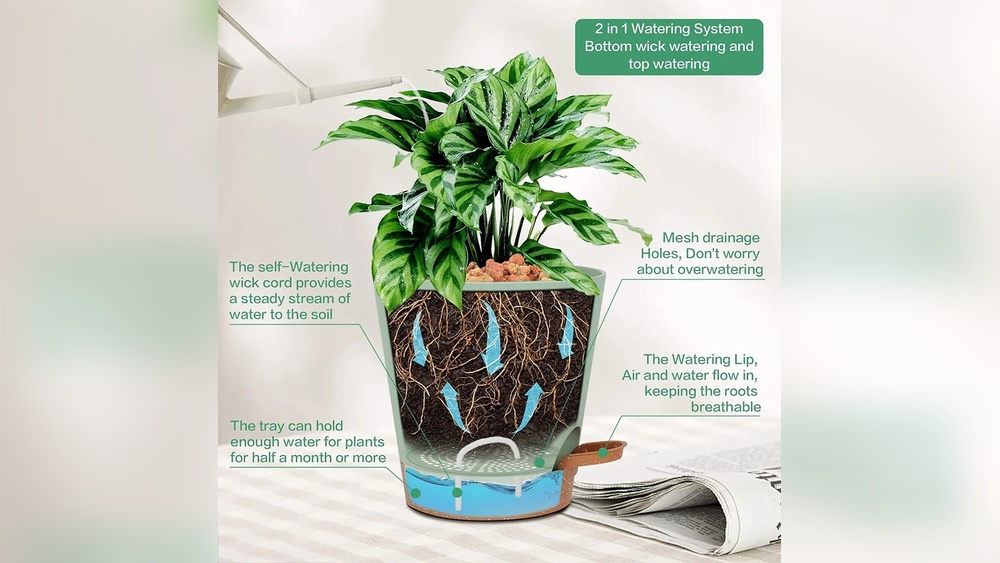
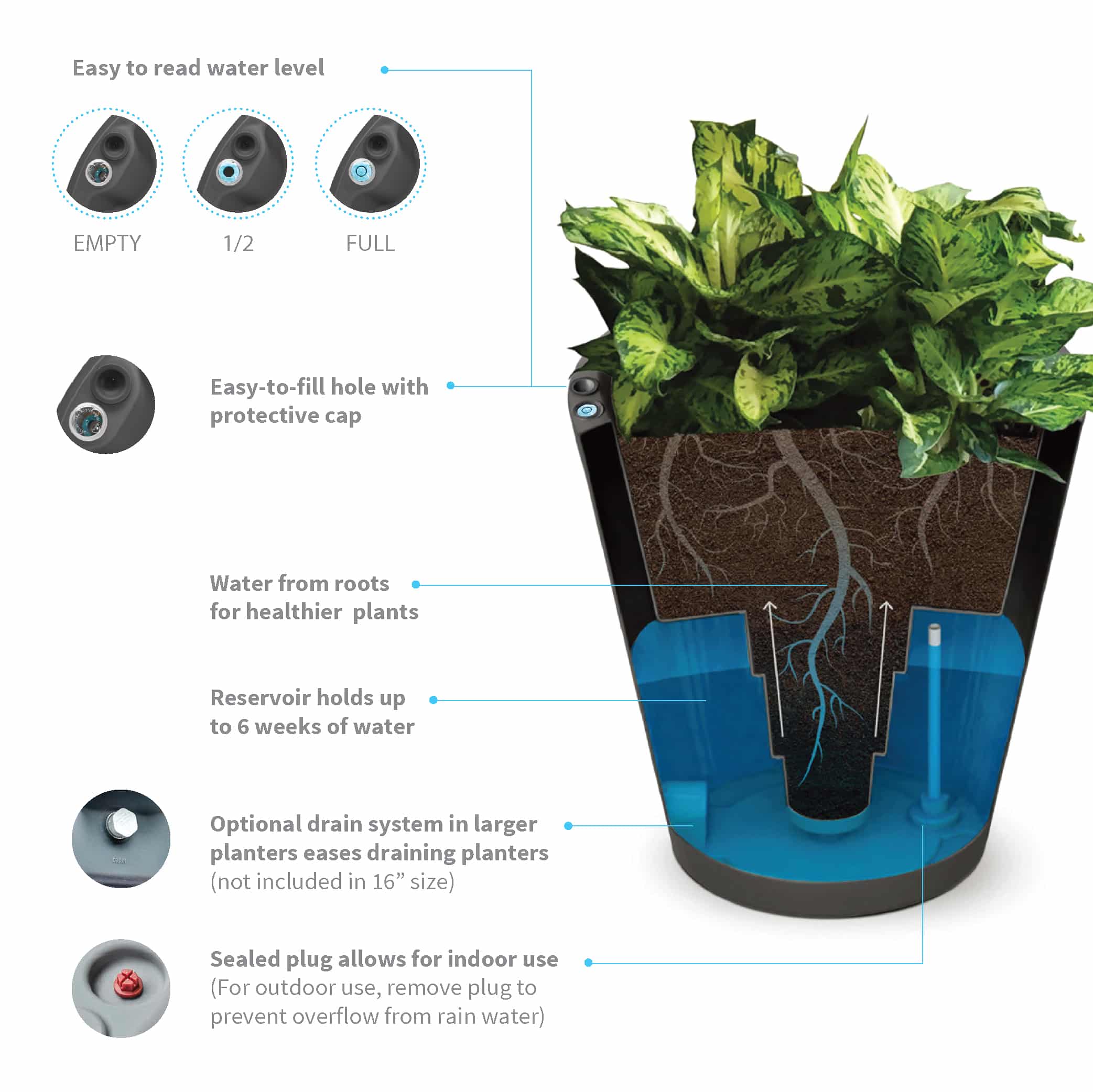
Self watering pots have a built-in water reservoir below the soil. This reservoir stores water for the plant to use over time. The soil draws water up from the reservoir through small holes or wicks. This design means plants can get water slowly and steadily.
Soil Moisture Regulation
The soil stays moist but not soaked. It absorbs water only when dry. This balance stops overwatering and underwatering problems. Plants get the right amount of moisture to grow strong and healthy.
Overflow Protection
Most self watering pots include an overflow hole or drain. This hole lets excess water escape if the reservoir fills too much. It prevents water from pooling and harming plant roots. Overflow protection keeps plants safe from root rot and water damage.
Benefits Of Self Watering Pots
Self watering pots offer several advantages for plant care. They help maintain healthy plants with less effort. These pots use a reservoir to supply water directly to the roots. This design improves water use and supports steady plant growth. Many gardeners find them very convenient and efficient.
Consistent Moisture Supply
Self watering pots keep soil evenly moist. Plants get water as they need it. This steady moisture prevents dry spells and overwatering. It helps roots grow strong and healthy. Consistent moisture reduces plant stress and supports better growth.
Reduced Watering Frequency
These pots hold extra water in a reservoir. This means less frequent watering is needed. Gardeners do not have to water every day. The pot feeds the plant slowly over time. It saves time and avoids water waste.
Ideal For Busy Gardeners
Self watering pots suit gardeners with tight schedules. They cut down daily plant care tasks. You can go away without worrying about plants drying out. These pots provide a simple way to keep plants alive. Perfect for homes, offices, and vacation periods.
Plant Types That Thrive
Self watering plant pots create a steady supply of water to plants. Some plants grow better with this constant moisture. Knowing which plants thrive helps you choose the right ones for these pots. This ensures healthy growth and reduces the risk of overwatering problems.
Moisture-loving Plants
Plants that enjoy damp soil do well in self watering pots. Ferns like Boston fern and maidenhair fern love this setup. Peace lilies also thrive with consistent moisture. Spider plants and pothos grow strong with steady water supply. These plants do not mind wet roots and avoid drying out.
Suitable Indoor Varieties
Some indoor plants benefit from self watering pots. Snake plants adapt well if soil is not too wet. Philodendrons enjoy even watering for lush leaves. Herbs like basil and mint grow better with regular moisture. These plants stay healthy with less frequent watering. They fit well in homes or offices using self watering pots.
Plants To Avoid
Plants that need dry soil should not use self watering pots. Succulents and cacti suffer from constant wetness. Orchids require well-drained soil and air around roots. African violets prefer moist but not soggy soil. Overwatering these plants can cause root rot and damage. Avoid using self watering pots for these types to keep them healthy.
Common Risks And Challenges
Self watering plant pots offer convenience but carry certain risks and challenges. Understanding these issues helps you care for your plants better. Some problems arise from too much moisture or improper maintenance. Others come from pests or unsuitable soil conditions. Knowing these common issues prevents damage and keeps plants healthy.
Root Rot And Overwatering
Root rot happens when soil stays too wet for long. Self watering pots keep soil moist, which can cause roots to drown. Plants that like dry soil suffer from constant wetness. Overwatering also reduces oxygen in the soil. Roots need air to survive and grow strong. Watch for yellow leaves and soft stems. These signs show roots may be rotting.
Pest Attraction
Standing water in the reservoir can attract pests. Mosquitoes lay eggs in stagnant water. Fungus gnats also thrive in moist soil. These pests harm plants and spread diseases. Regularly check and clean the water reservoir. Keep the pot area dry and free from debris. This reduces pest problems effectively.
Soil And Fertilizer Issues
Not all soil types work well with self watering pots. Heavy or clay soil holds too much water and causes root problems. Use light, well-draining soil designed for these pots. Fertilizer can build up in the soil over time. This may harm plants or block water flow. Flush the soil occasionally to remove excess salts and nutrients.
Maintenance Tips
Maintaining a self watering plant pot is key for healthy plants and long-lasting use. Regular care keeps the system working well and prevents common problems. Simple steps ensure your plants get enough water without damage.
Cleaning The Reservoir
Empty the water reservoir regularly to avoid stagnant water. Clean it with mild soap and warm water every few weeks. Use a soft brush to remove dirt and debris. Rinse thoroughly to keep the water fresh and safe for plants.
Preventing Mold And Mildew
Keep the pot in a well-ventilated area with some sunlight. Check for mold or mildew around the soil and reservoir edges. Wipe any visible spots with a cloth dipped in diluted vinegar. Avoid overwatering to reduce moisture buildup that feeds mold.
Managing Mineral Buildup
Minerals from tap water can build up in the reservoir and soil. Flush the system with clean water every month to wash away salts. Use filtered or rainwater if possible to reduce mineral deposits. Scrub any white or crusty spots gently to maintain the pot’s function.

Credit: pikkii.com
Choosing The Right Soil
Choosing the right soil for a self watering plant pot is crucial. The soil must support both moisture retention and root health. It should allow water to reach the roots without staying too wet. Proper soil choice prevents common problems like root rot and poor aeration.
Soil Amendments For Aeration
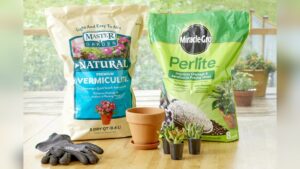
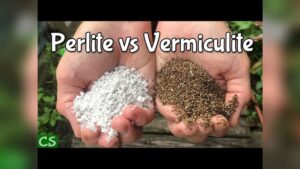
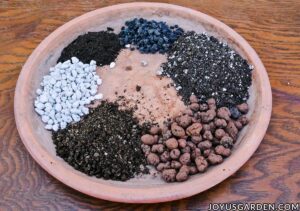
Aeration helps roots get enough oxygen. Adding materials like perlite or vermiculite improves soil structure. These amendments create tiny air pockets. They keep the soil loose and well-drained. Good aeration helps roots breathe and grow strong.
Avoiding Water Retention Problems
Soil that holds too much water causes root damage. Avoid heavy soils with high clay content. Mixing in coarse sand or small bark chips reduces excess moisture. This balance prevents waterlogging while keeping soil moist enough. Proper drainage protects plants from root rot in self watering pots.
Cost Considerations
Cost is an important factor when choosing a self watering plant pot. These pots often have unique designs and features. Understanding the costs helps you decide if this option fits your budget and gardening needs.
Costs vary by size, material, and brand. Some models are simple and affordable. Others include advanced reservoirs and wicking systems, increasing the price.
Initial Investment
Self watering pots usually cost more than regular pots. Prices start around $15 for small sizes. Larger or decorative pots can cost $50 or more. You pay extra for the water reservoir and built-in watering system. This higher upfront price covers convenience and better plant care.
Long-term Savings
These pots reduce the need to water plants daily. They save water by controlling moisture levels more efficiently. This lowers your water bills over time. You also save on plant replacements because plants stay healthier. Fewer sick or dying plants mean less money spent on new ones. Over months or years, these savings can balance or exceed the initial cost.
Troubleshooting Common Issues
Troubleshooting common issues in self watering plant pots helps keep plants healthy and thriving. These pots simplify watering but sometimes face small problems. Knowing how to spot and fix these issues improves plant care.
Clogged Watering Mechanisms
Clogs block water flow from the reservoir to the soil. Dirt, roots, or mineral buildup often cause clogs. Check the water tube and holes regularly for blockages. Clean parts gently with a brush or soak them in vinegar. Avoid using harsh tools that can damage the pot.
Regular cleaning prevents buildup and keeps water moving smoothly. If clogs persist, try flushing the system with water several times. Clear water flow ensures plants receive the right moisture level.
Uneven Water Distribution
Uneven water distribution leads to dry spots or overly wet areas. This happens if soil is packed too tightly or unevenly placed. Use light, well-draining soil and fill the pot evenly. Avoid compacting soil too hard around the watering tube.
Rotate the pot occasionally to spread water evenly. Check soil moisture at different spots to catch uneven watering early. Adjust soil or watering frequency as needed to balance moisture for all roots.
Best Practices For Use
Using a self watering plant pot correctly helps plants grow strong and healthy. These pots save time and water but need proper care. Follow best practices to get the most from your self watering pot. Keep plants happy and avoid common problems by using these tips.
Filling And Refilling Tips
Fill the water reservoir slowly to avoid spills. Use clean water to prevent mold or algae growth. Check the water level every few days. Refill before the water runs out to keep soil moist. Avoid overfilling to stop water from leaking. Some pots have a water indicator; watch it to know when to add water.
Placement Recommendations
Place your self watering pot where the plant gets enough light. Avoid direct hot sunlight that can overheat the water. Keep the pot away from cold drafts or heaters. Good airflow helps prevent mold and root diseases. Indoor spots near windows or shaded patios work well. Move the pot if the plant shows signs of stress.
Monitoring Plant Health
Check the soil surface regularly for dryness or wetness. Look for yellowing or wilting leaves as warning signs. Remove dead leaves to keep the plant clean. Watch roots if possible; they should be white and firm. Adjust watering frequency based on plant needs and season. Clean the pot and reservoir to prevent buildup and pests.
Credit: www.crescentgarden.com

Credit: greeneryunlimited.co
Frequently Asked Questions
How Does A Self-watering Pot Work?
A self-watering pot has a water reservoir below the soil. It supplies water through capillary action, keeping soil consistently moist without overwatering.
What Is The Disadvantage Of Self-watering Pots?
Self-watering pots can cause root rot by keeping soil too wet. They attract mosquitoes, need specific soil, and require regular cleaning. These pots suit only moisture-loving plants, have higher upfront costs, and may lead to mold or mineral buildup if not maintained properly.
Are Self-watering Pots Good For Your Plants?
Self-watering pots provide consistent moisture, reducing watering frequency and promoting healthy growth. They suit moisture-loving plants but can risk root rot if overused. Regular cleaning prevents mold and pests. Choose them for convenience, but monitor soil to avoid overwatering.
Do You Always Keep Water In A Self-watering Pot?
Yes, always keep water in a self-watering pot’s reservoir. Refill it when the water level drops to ensure consistent moisture for plants. Avoid letting it dry out completely to maintain healthy root hydration and prevent plant stress.
Conclusion
Self watering plant pots make watering easier and save time. They keep soil moist without daily care. These pots suit many indoor plants but not all. Avoid them for succulents or plants needing dry soil. Watch for too much moisture to prevent root problems.
Regular cleaning helps stop mold and pests. Choose the right pot for your plant’s needs. Simple care leads to healthy, happy plants in your home.