What is a Self Watering Plant: Ultimate Guide to Easy Care
Have you ever worried about whether you’re watering your plants too much or too little? Imagine a system that takes that guesswork away and keeps your plants perfectly hydrated with minimal effort from you.
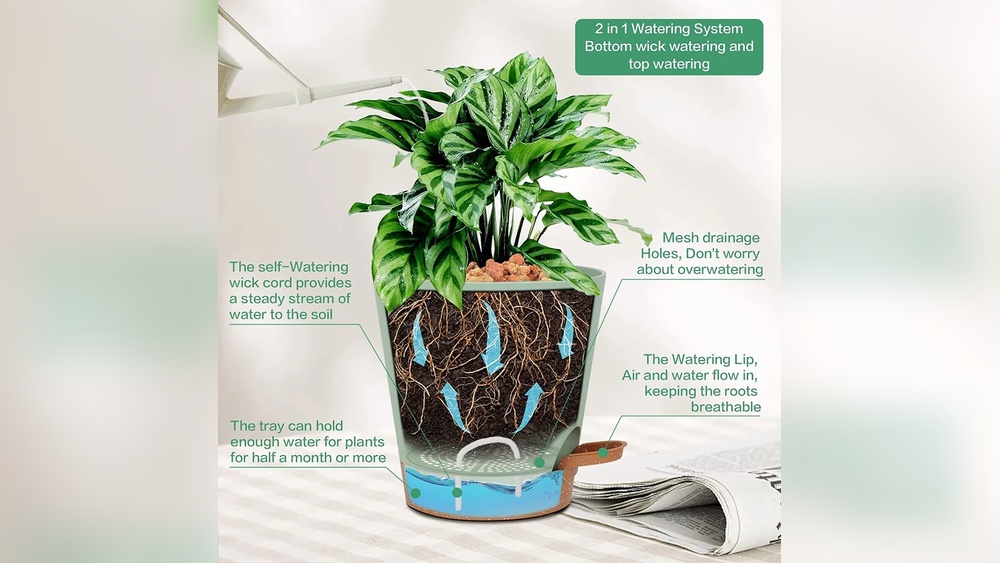
That’s exactly what a self watering plant is designed to do. By using a smart water reservoir and a simple wicking mechanism, these plants get just the right amount of moisture directly to their roots whenever they need it. If you want healthier plants, less stress, and more time to enjoy your green space, keep reading to discover how self watering plants can transform your gardening routine.
Self-watering Plant Basics
Self-watering plants simplify plant care. They have a smart design that helps plants get water as needed. This design keeps the soil moist without overwatering. Understanding the basics helps you care for these plants better.
Water Reservoir Function
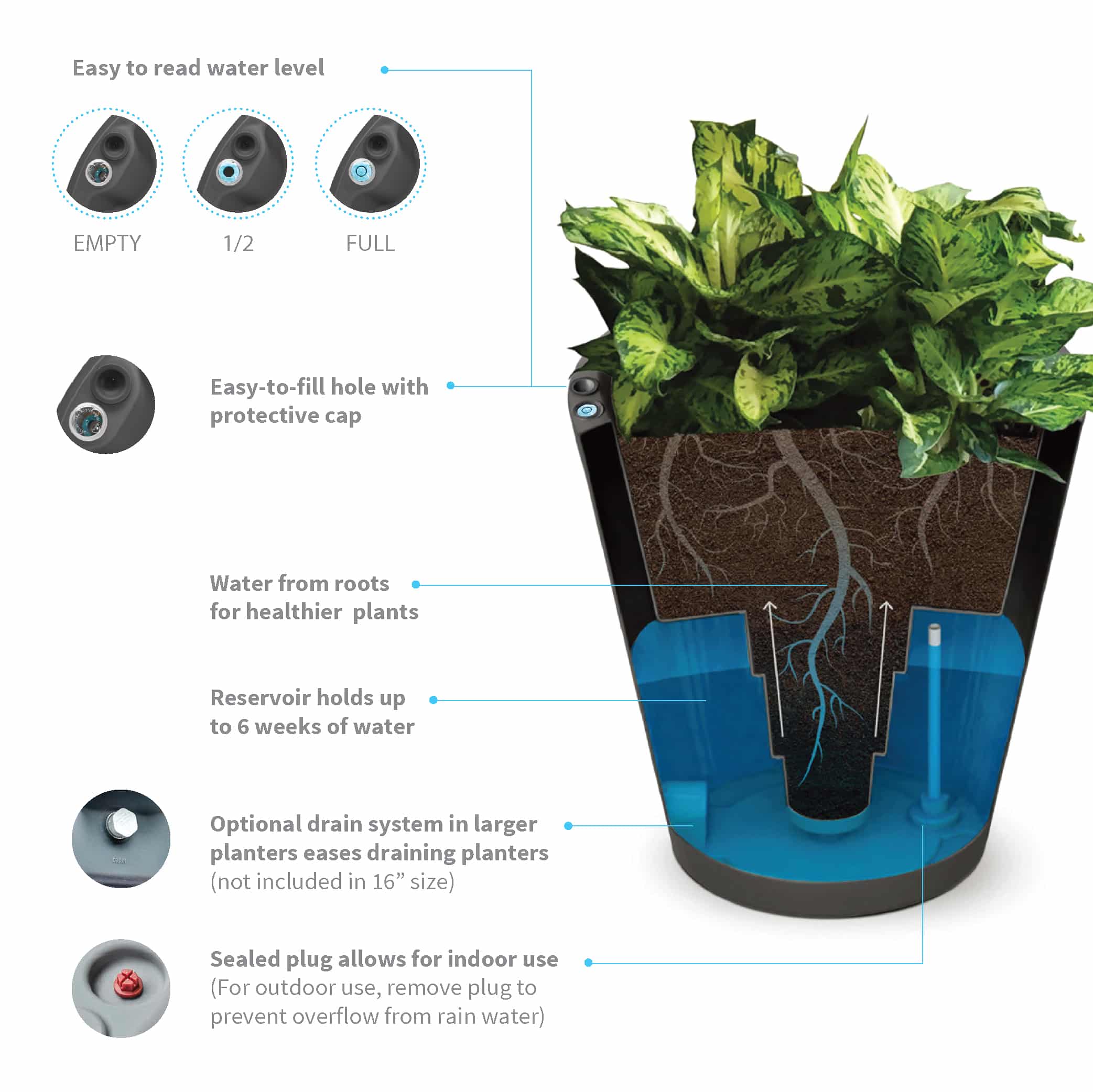
The water reservoir holds extra water at the pot’s base. It stores water for the plant to use later. This reduces the need for frequent watering. The plant roots access water from this reservoir below the soil.
Wicking Mechanism
A wick connects the soil to the water reservoir. It draws water up from the reservoir into the soil. This keeps the soil evenly moist over time. The wick works like a sponge, slowly releasing water to roots.
Capillary Action Explained
Capillary action moves water through tiny spaces in the soil. This natural process pulls water up from the reservoir. It works without pumps or electricity. Capillary action ensures plants get water only when they need it.
Credit: www.scienceworld.ca
How Self-watering Plants Work
Self-watering plants simplify plant care by delivering water directly to the roots. They use a clever system that keeps soil moist without frequent watering. This system helps plants grow healthy and strong with minimal effort. Understanding how self-watering plants work reveals why they are so effective for home gardeners.
Root Growth And Water Access
Roots grow downwards toward the water reservoir at the pot’s base. As roots reach the water, they absorb moisture directly. This encourages deeper root growth and stronger plants. Young plants may need time for roots to reach the water.
Soil Moisture Regulation
The soil stays moist without being waterlogged. A wick or porous barrier pulls water upward from the reservoir. This keeps the soil evenly damp. Plants avoid both drying out and overwatering stress.
Water Delivery To Roots
Water moves slowly from the reservoir to the soil. Plants take up water as they need it. This steady supply supports healthy growth and reduces watering frequency. The system ensures roots get the right amount of water.
Benefits Of Self-watering Plants
Self-watering plants offer many advantages for both beginners and experienced gardeners. These plants are housed in containers that supply water directly to the roots. This design helps maintain ideal soil moisture. It also simplifies plant care, saving time and effort.
Consistent Moisture Levels
Self-watering plants keep soil moisture steady. The water reservoir releases moisture as the plant needs it. This prevents the soil from drying out or becoming too wet. Consistent moisture supports healthy root growth and reduces stress on the plant.
Reduced Watering Frequency
These plants need less frequent watering. The reservoir can hold water for days or weeks. This feature suits busy people or those who travel often. It also lowers the risk of overwatering, which can harm plants.
Improved Plant Health
Stable moisture helps plants grow stronger and healthier. Roots can absorb water and nutrients better. This leads to lush foliage and vibrant blooms. Self-watering plants often show less wilting and fewer diseases.
Credit: www.crescentgarden.com
Common Drawbacks
Self watering plants offer convenience but have some common drawbacks. Understanding these issues helps in better plant care and avoiding problems.
Root Rot Risks
Self watering pots keep soil moist for long periods. Constant moisture can cause roots to stay wet. Wet roots lack oxygen and can start rotting. Root rot harms the plant and may kill it. It is important to check the plant regularly for signs of rot.
Water Stagnation Issues
Water collects at the bottom reservoir of the pot. If water sits too long, it can become stagnant. Stagnant water may attract bacteria or mold. This can harm the plant and cause bad odors. Emptying and refilling the reservoir often helps prevent this problem.
Lack Of Excess Water Drainage
Self watering pots do not drain extra water like regular pots. Excess water stays inside the pot and soil. This may create an unhealthy environment for roots. Too much water can drown the roots and reduce air flow. Monitoring water levels is key to keep plants healthy.
Choosing The Right Self-watering Planter
Choosing the right self-watering planter is important for plant health and ease of care. The planter should match your plant’s needs and fit your space well. Several factors affect this choice, including the material, size, design, and plant compatibility. These elements help ensure your plants thrive with minimal effort.
Material Considerations
Materials affect water retention and durability. Plastic planters are lightweight and affordable. They hold water well but may not look natural. Ceramic planters offer a classic look and better breathability. Terracotta pots allow air flow but dry out faster. Choose a material based on your watering habits and style preference.
Size And Design Options
Select a size that fits your plant’s root system. Too small can limit growth; too large may hold excess water. Designs vary from simple pots to modern styles with reservoirs. Some have clear water indicators to show when to refill. Pick a design that fits your room and is easy to maintain.
Compatibility With Plant Types
Different plants need different watering levels. Succulents prefer less water, so shallow reservoirs work best. Tropical plants like more moisture and benefit from larger reservoirs. Check if the planter suits the plant’s root depth and water needs. This match helps prevent over or under watering.
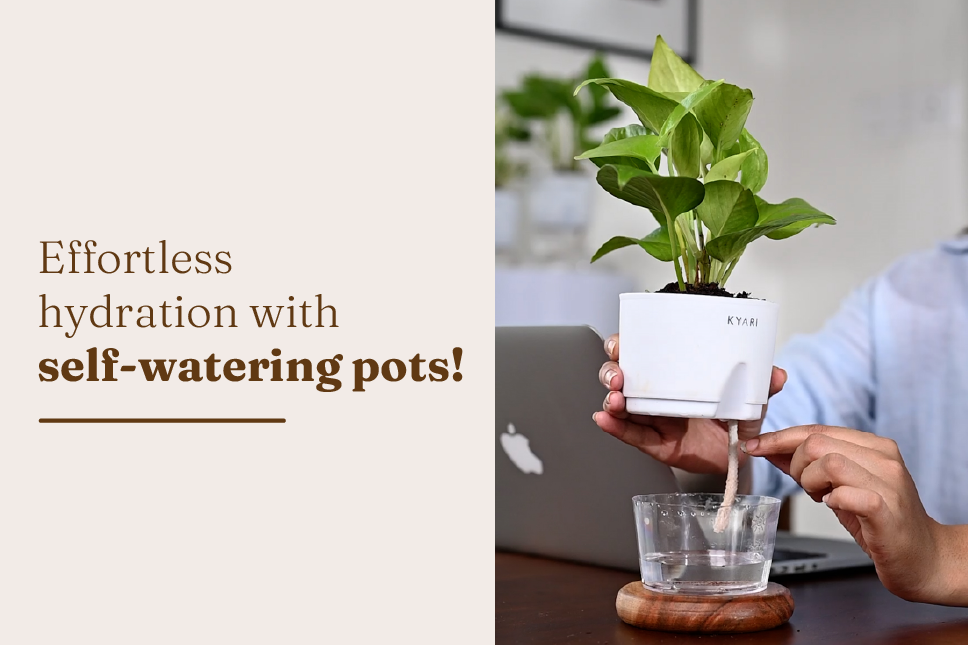
Credit: kyari.co
Maintenance Tips
Maintaining a self watering plant is simple but important. Proper care keeps your plant healthy and thriving. Follow these easy tips to ensure your self watering system works well.
Refilling The Reservoir
Check the water reservoir often. Fill it before it gets empty. Use clean water to avoid buildup. This helps roots get steady moisture.
Cleaning The System
Clean the reservoir every few weeks. Remove dirt and algae that can block water flow. Use mild soap and rinse well. A clean system keeps water moving freely.
Monitoring Plant Health
Look at your plant daily. Notice leaf color and soil moisture. Yellow leaves may show overwatering or lack of nutrients. Adjust watering or add fertilizer as needed. Healthy plants grow strong roots in the reservoir.
Diy Self-watering Systems
DIY self-watering systems offer a practical way to keep plants hydrated. They store water and release it slowly to the roots. This method helps plants grow healthy with less effort. Creating your own self-watering system saves money and reduces watering time. Below are easy steps and materials for setting up your system at home.
Simple Materials Needed
- Plastic bottle or container
- Wicking material (cotton rope or fabric strip)
- Sharp knife or scissors
- Water
- Plant pot with drainage holes
Step-by-step Setup
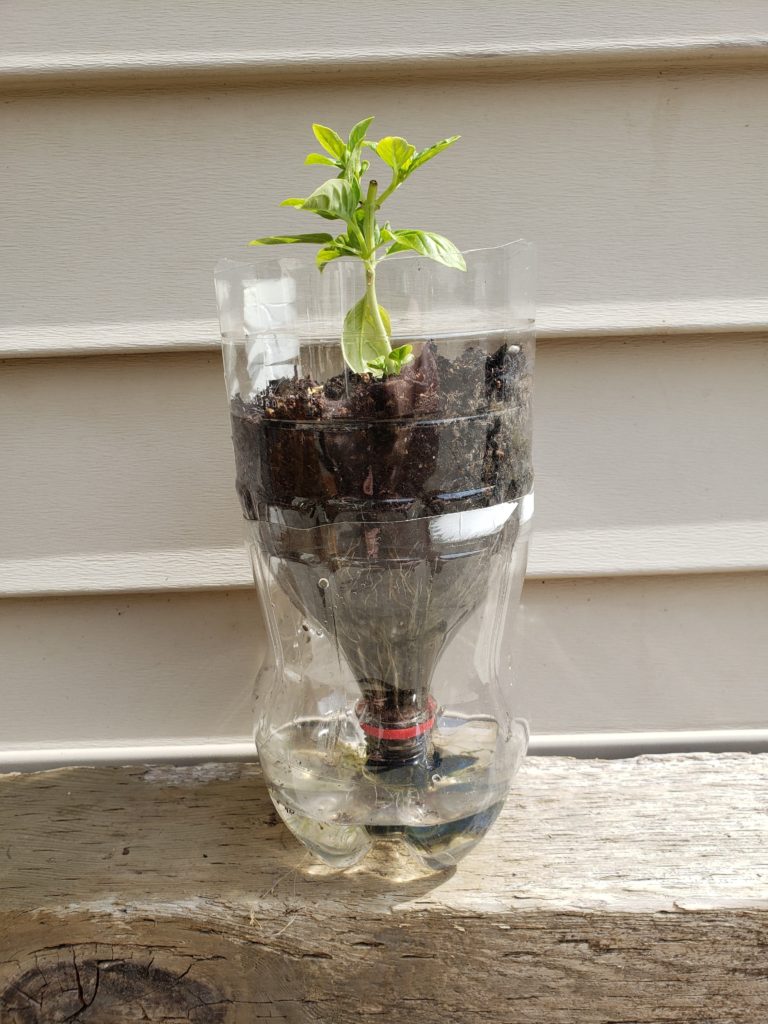
- Cut the plastic bottle in half.
- Fill the bottom half with water.
- Thread the wicking material through the bottle neck.
- Place the top half inverted into the bottom half.
- Put soil and plant into the top half.
- Ensure the wick touches the water below.
- Keep the water reservoir filled regularly.
Troubleshooting Common Issues
Check if the wick stays moist to ensure water flow. If plants look dry, refill the reservoir or adjust the wick. Avoid overwatering by emptying excess water from the reservoir. Replace the wick if it gets moldy or clogged. Watch for root rot and improve drainage if needed.
Ideal Plants For Self-watering
Choosing the right plants for self-watering pots ensures healthy growth and less maintenance. Some plants thrive better with a steady water supply. Others may not adapt well to constant moisture. Understanding which plants suit self-watering systems helps you enjoy gardening with ease.
Indoor Plant Picks
Many indoor plants do well in self-watering pots. Peace lilies absorb water slowly and like moist soil. Spider plants thrive with consistent moisture but dislike waterlogged roots. Pothos is another good choice; it grows well with steady water levels. Snake plants also adapt if the soil dries out between waterings.
Outdoor Plant Choices
Outdoor plants that enjoy steady moisture suit self-watering containers. Herbs like basil and mint grow well with regular water supply. Ferns love damp conditions and stay lush in self-watering pots. Some vegetables, such as lettuce and spinach, benefit from consistent moisture. These plants avoid stress and produce better yields.
Plants To Avoid
Cacti and succulents do not do well in self-watering pots. They need dry soil and suffer from constant wetness. Lavender and rosemary prefer dry conditions too. Orchids also dislike too much water at their roots. Choosing the wrong plants can cause root rot and poor growth.
Frequently Asked Questions
How Does A Self-watering Plant Work?
A self-watering plant uses a reservoir and wicking action to deliver water directly to roots. The plant absorbs moisture as needed, ensuring consistent hydration and reducing watering frequency. This system prevents overwatering by letting plants draw water at their own pace.
How Often Do You Water A Self-watering Plant?
Water a self-watering plant by refilling its reservoir every 1 to 2 weeks. Check reservoir levels regularly.
What Does It Mean When It Says A Plant Is Self-watering?
A self-watering plant has a built-in reservoir that supplies water to roots as needed. It reduces watering frequency and prevents overwatering.
What Are The Drawbacks Of Self-watering Pots?
Self-watering pots can cause root rot if roots stay submerged in water. They may also lack drainage for excess water. Over time, salt buildup can harm plants. Not all plants thrive in constant moisture, limiting their use. Regular maintenance is necessary to prevent problems.
Conclusion
Self-watering plants make caring for greenery easier and more efficient. They provide steady moisture, helping plants grow healthy. These pots save time by reducing frequent watering needs. Keep the reservoir filled, and plants will drink when thirsty. Watch out for root rot by checking water levels regularly.
Overall, self-watering pots offer a simple way to keep plants happy. They suit busy people or beginners wanting low-maintenance gardening. Try one to enjoy greener plants with less effort.