What is a Moss Pole for Plants: Ultimate Guide to Healthier Growth
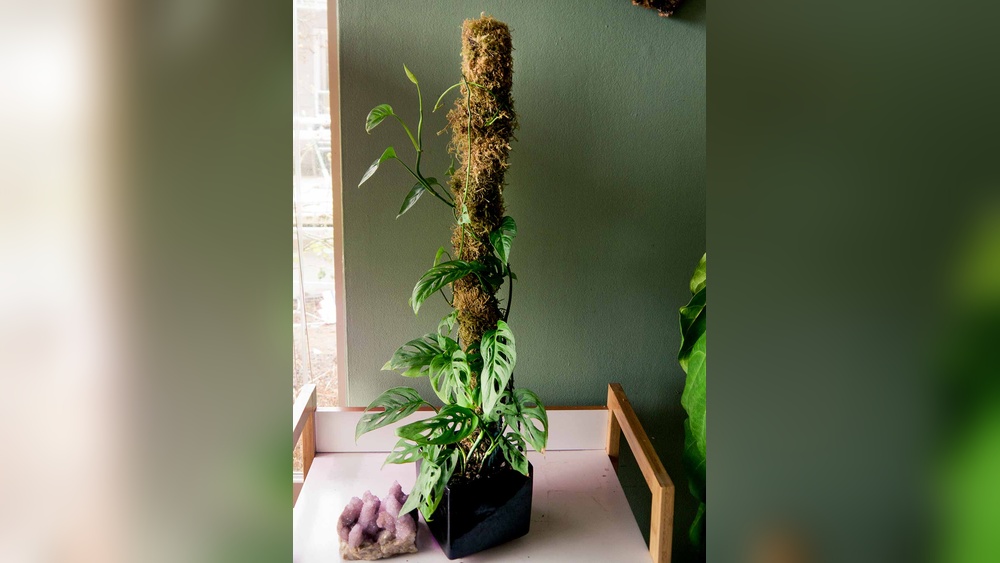
Are you struggling to keep your climbing plants healthy and thriving? A moss pole might be the secret tool you’ve been missing.
It’s a simple, natural support that helps your plants grow taller, stronger, and more beautiful. But what exactly is a moss pole, and how can it transform your plant care routine? Keep reading to discover how this easy addition can make a big difference for your indoor jungle.
Benefits Of Moss Poles
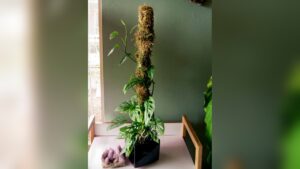
Moss poles offer many benefits for indoor plants. They help plants grow strong and healthy. These poles mimic natural conditions plants enjoy outdoors. Using moss poles can improve plant growth and appearance.
Support For Climbing Plants
Many plants like to climb. Moss poles give these plants a sturdy surface to hold onto. This support helps plants grow upright and tall. It prevents stems from bending or breaking. Climbing plants look fuller and more attractive with moss poles.
Improved Root Aeration
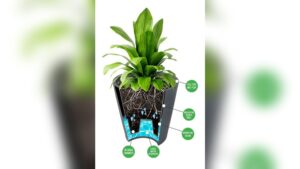
Moss poles allow air to reach plant roots better. Good air circulation keeps roots healthy. Roots get enough oxygen, which they need to grow well. This reduces the chance of root rot. Healthy roots mean a healthier plant overall.
Enhanced Moisture Retention
Moss poles hold moisture around plant stems and roots. This keeps plants hydrated longer. It reduces the need for frequent watering. Moist moss creates a humid environment. Many tropical plants thrive in this moist air.
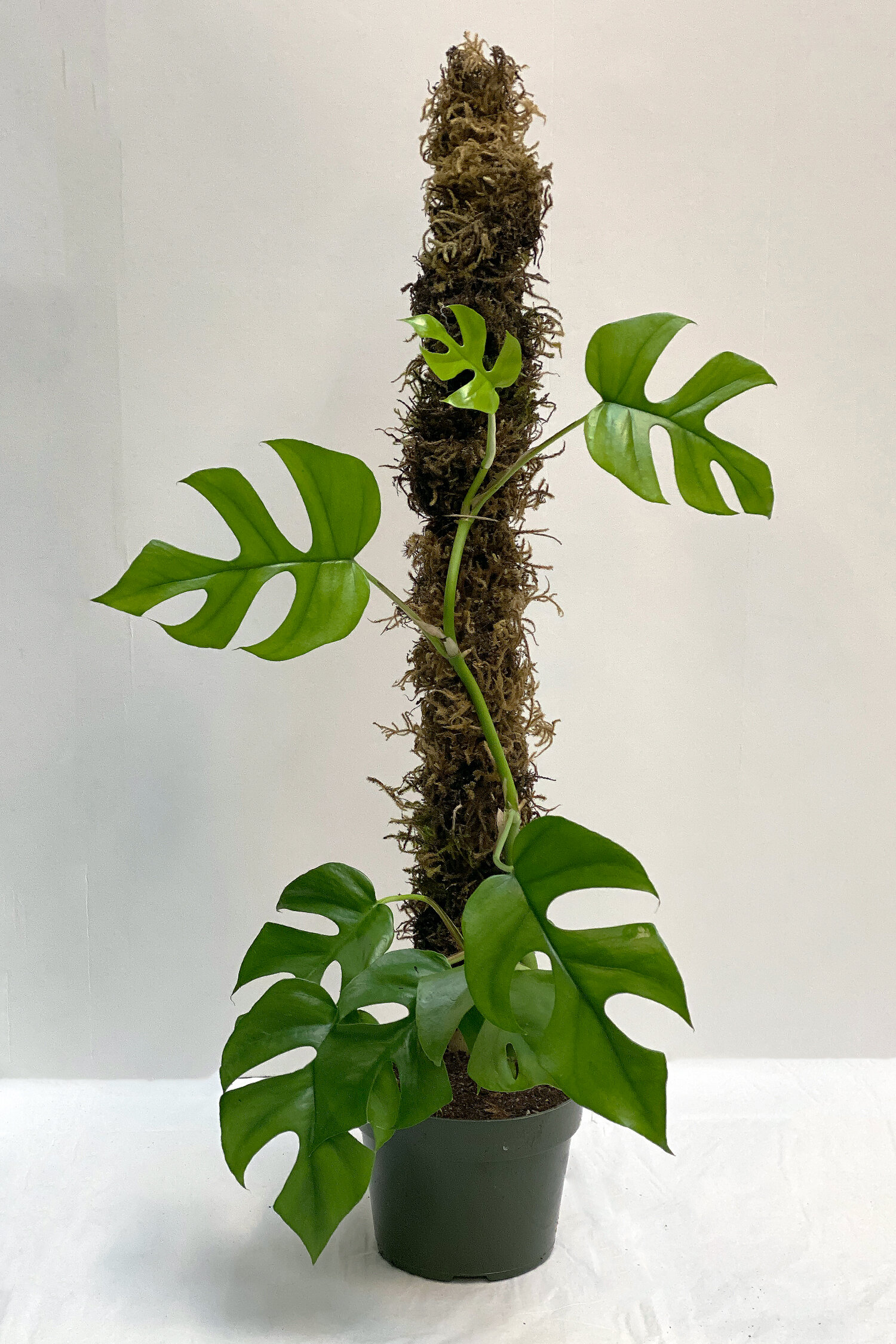
Credit: www.swansonsnursery.com
Types Of Moss Poles
Moss poles help plants grow tall and strong. They give support and hold moisture. Different types of moss poles suit different plants and needs. Choosing the right pole helps plants climb well.
Sphagnum Moss Poles
Sphagnum moss poles are soft and spongy. They hold water very well. Plants love to grab onto them with their aerial roots. These poles stay moist longer. Good for plants that need extra humidity.
Coco Coir Poles
Coco coir poles are made from coconut fibers. They are rough and sturdy. These poles drain water fast. They do not hold too much moisture. Great for plants that prefer drier conditions.
Peat Moss Poles
Peat moss poles are dense and fibrous. They absorb water but not as much as sphagnum. These poles offer firm support. Ideal for plants needing strong hold and moderate moisture.
Choosing The Right Moss Pole
Choosing the right moss pole helps your plants grow strong and healthy. It supports climbing plants and gives them a place to hold onto. The right moss pole matches your plant’s needs and your space.
Plant Size And Growth Habit
Small plants need shorter moss poles. Large plants require tall and sturdy poles. Climbing plants like pothos or monstera need poles that let their roots grab hold. Check how fast your plant grows. Choose a pole that will grow with your plant.
Indoor Vs Outdoor Use
Indoor moss poles face less weather damage. Choose poles that fit your room size and light. Outdoor poles need to resist rain and sun. Use materials that last outside, like treated wood or plastic. Think about your climate before buying.
Material Durability
Moss poles come in various materials. Coco coir poles hold moisture well but may wear out faster. Sphagnum moss poles dry quickly but are lightweight. Synthetic poles last longer but do not absorb water. Pick a material that fits your watering habits and plant type.
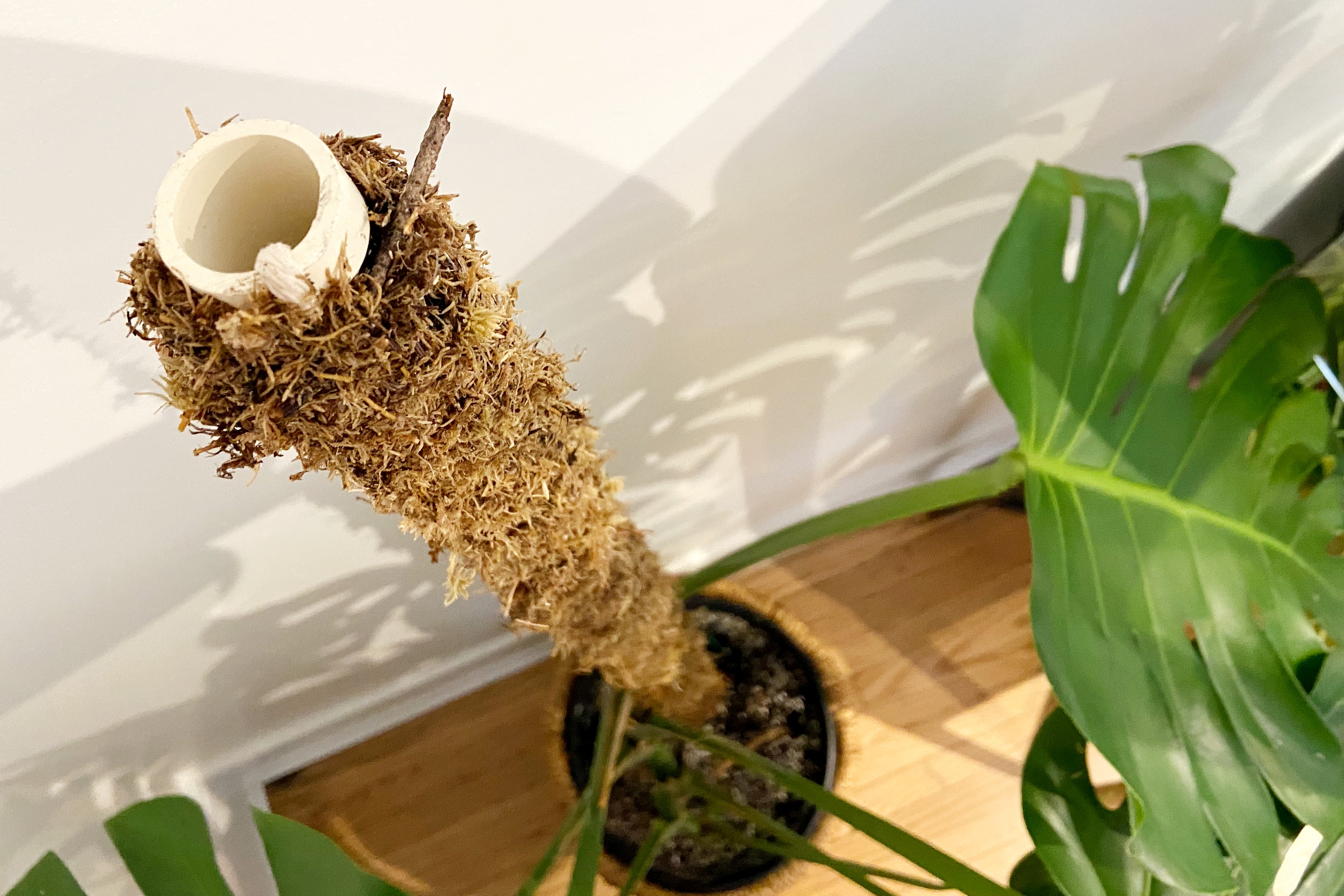
Credit: corisears.ca
How To Install A Moss Pole
Installing a moss pole supports climbing plants and helps them grow healthy. It also keeps plants upright and neat. Follow these simple steps to install a moss pole correctly.
Preparing The Plant
Choose a plant that climbs or needs support. Water the plant one day before installing the pole. This makes the soil soft and easier to work with. Remove any dead or weak leaves near the stem. This clears space for the pole and ties.
Inserting The Pole
Select a moss pole that fits your plant’s size. Gently push the pole into the soil near the plant’s main stem. Insert it deep enough to stand firm but avoid hurting roots. Make sure the pole is straight and stable.
Securing The Plant To The Pole
Use soft ties or string to attach the plant to the pole. Tie the stem loosely to avoid damage. Start tying from the bottom and move upward. Check the ties regularly and adjust as the plant grows.
Maintaining Moss Poles
Maintaining moss poles helps your plants grow strong and healthy. It keeps the pole moist and clean. This supports climbing plants like monstera and philodendron well. Regular care makes sure the pole lasts longer and helps the plant cling better.
Watering Techniques
Keep the moss pole damp but not soaking wet. Use a spray bottle to mist water evenly. Water the moss every few days or when it feels dry. Avoid pouring water directly on the plant roots. Moist moss helps roots attach and absorb moisture.
Cleaning And Replacing Moss
Check the moss for dirt and mold often. Remove any dead or brown parts gently. Replace the moss if it starts to smell or looks unhealthy. Use fresh sphagnum moss to keep the pole clean. Clean moss prevents pests and keeps plants healthy.
Monitoring Plant Growth
Watch how your plant climbs the pole. Guide new stems to wrap around the moss pole. Prune any stems that grow away from the pole. Adjust ties or clips to support the plant as it grows. Healthy growth shows the pole is working well.
Common Issues And Solutions
Moss poles help plants climb and grow strong. Yet, they can cause problems if not cared for properly. Common issues like drying, plant damage, and pests can slow plant growth. Fixing these problems keeps plants healthy and happy.
Pole Drying Out
Moss poles need to stay moist to support plants. Dry poles fail to hold roots well. Spray water on the moss pole regularly. Check moisture by touching the moss with your fingers. Soak the pole in water if very dry. Keeping the pole damp helps roots grow better.
Plant Damage
Tight ties or sharp edges can hurt plants on moss poles. Use soft ties like cloth strips to support stems. Avoid wrapping ties too tight around the plant. Trim rough parts on the pole to protect leaves. Gently adjust plant ties as it grows. Healthy plants climb easier and look better.
Pest Problems
Moss poles can attract pests like spider mites and fungus gnats. Check the pole and plant leaves often for pests. Wipe leaves with a damp cloth to remove bugs. Use natural insect sprays if pests appear. Remove heavily infested moss poles to stop spread. Clean poles help plants stay pest-free.
Alternatives To Moss Poles
Not all plants need moss poles to grow tall and strong. Many other supports work well for climbing plants. These alternatives can be easier to find and just as helpful for your plant’s health. Choose what fits your space and plant type best.
Trellises And Stakes
Trellises provide wide support for many vines and climbers. They come in wood, metal, or plastic. Place them behind your plant and guide the stems to climb. Stakes are simple sticks or poles. Insert them into the pot and tie the plant gently. Both options keep plants upright and healthy.
Diy Supports
Make your own plant support using household items. Bamboo sticks tied with string work well. Old wooden spoons or chopsticks can hold smaller plants. Create shapes like circles or arches for more support. DIY supports save money and let you customize size and style.
Other Natural Materials
Use natural items like coconut coir, jute rope, or bark strips. These provide texture for plants to cling onto. Natural materials blend well with indoor or outdoor gardens. They help plants climb while looking simple and neat. Choose what matches your plant’s needs and your garden’s style.

Credit: mythos3design.com
Conclusion
A moss pole helps plants grow tall and strong. It gives support to climbing vines and leaves. Plants cling to the pole, which keeps them healthy. Using a moss pole also adds natural beauty to your home. It makes caring for plants easier and more fun.
Try a moss pole to see your plants thrive. Simple, effective, and good for many plant types. A small tool with big benefits for your green friends.