What is a Grow Bag for Plants: Ultimate Guide to Thriving Gardens
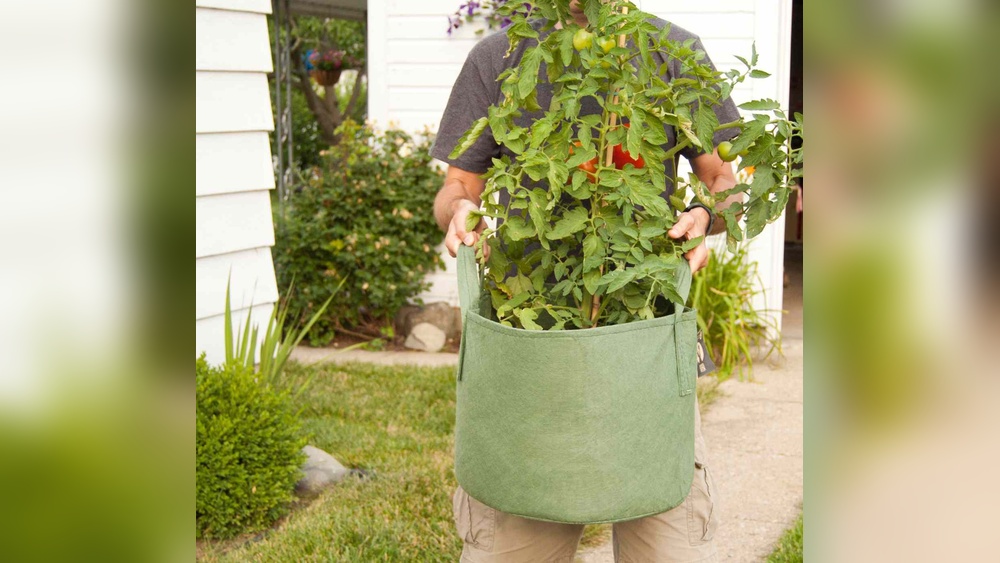
Have you ever struggled with limited garden space or noticed your plants not growing as well as you’d hoped? If so, a grow bag might be exactly what your garden needs.
But what is a grow bag for plants, and why are so many gardeners turning to them? Imagine a simple, lightweight container that breathes life into your plants by promoting healthier roots and making your gardening easier and more flexible.
You’ll discover how grow bags can transform your planting experience, whether you’re growing herbs on your balcony or starting a vegetable garden in Austin, Texas. Keep reading to unlock the secret to bigger, healthier plants with less hassle!
Grow Bag Basics
Grow bags offer a simple and flexible way to grow plants. They are popular among gardeners with limited space. These bags provide an alternative to traditional pots and garden beds. Understanding their basics helps in choosing the right one for your plants.
Material And Design
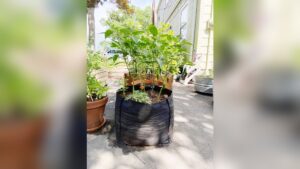
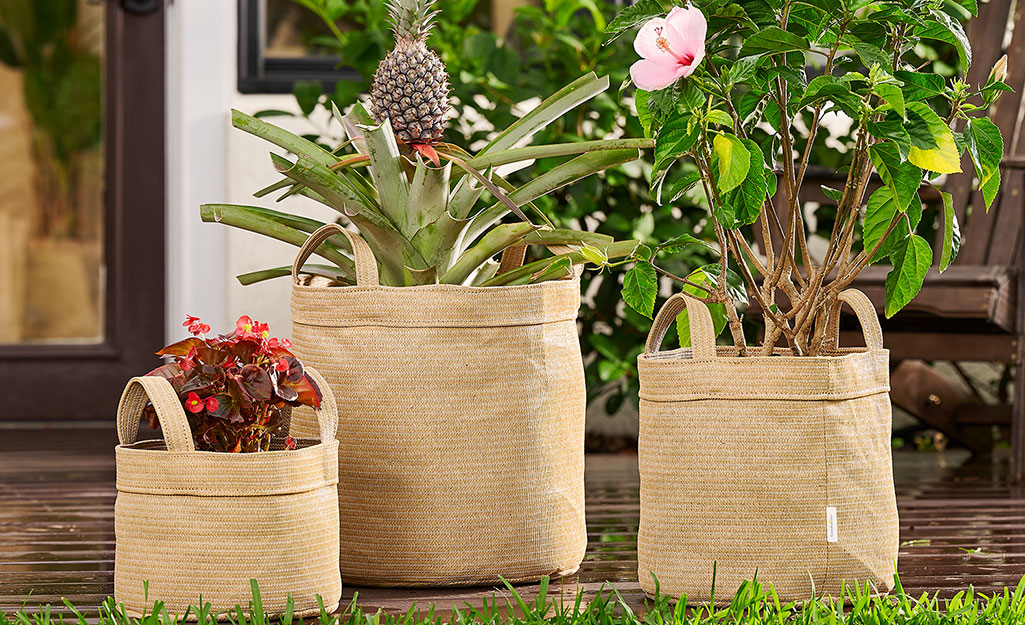
Grow bags are usually made from fabric or plastic. Fabric bags allow air and water to pass through. This helps prevent root rot and overwatering. They come in various sizes to fit different plants. Most bags have handles for easy movement. Their lightweight design makes them easy to store when not in use.
How Grow Bags Work
Grow bags improve soil aeration by letting air reach the roots. This encourages healthy root growth and better nutrient absorption. Excess water drains out, reducing the risk of soggy soil. Plants in grow bags often grow faster and stronger. The bags can be placed anywhere with good sunlight. They are ideal for patios, balconies, and small gardens.
Credit: www.mudandbloom.com
Benefits Of Grow Bags
Grow bags offer many benefits for plant growth and health. They provide a simple way to improve your gardening experience. These bags help plants grow stronger and healthier in small spaces. Here are some key advantages of using grow bags in your garden.
Improved Root Health
Grow bags promote better root development than traditional pots. Roots get more oxygen because the fabric is breathable. This stops roots from circling and becoming root-bound. Plants grow more evenly with strong, healthy roots. It leads to better nutrient and water uptake.
Portability And Convenience
Grow bags are lightweight and easy to move. You can change their position to get more sunlight. They work well on patios, balconies, or small gardens. When needed, you can store them flat to save space. This makes gardening flexible and simple for everyone.
Better Aeration And Drainage
The fabric of grow bags allows air to flow freely. Excess water drains quickly, preventing root rot and other problems. This keeps soil moist but not soggy. Plants stay healthier with good air and water balance. It also reduces the chances of pests and diseases.
Choosing The Right Grow Bag
Choosing the right grow bag is important for healthy plant growth. The right bag provides enough space and good drainage. It also supports root development and keeps plants comfortable. Consider key factors to pick the best grow bag for your garden.
Sizes And Shapes
Grow bags come in many sizes and shapes. Small bags suit herbs and flowers. Large bags work well for vegetables and shrubs. Square, round, and rectangular shapes fit different spaces. Choose a size that matches your plant’s needs and available space.
Fabric Types
Fabric grow bags use different materials like felt or polypropylene. Felt bags offer good breathability and water drainage. Polypropylene bags are lightweight and affordable. Some fabrics protect roots from heat better. Pick a fabric that balances airflow and moisture retention.
Durability And Biodegradability
Durability matters for reuse and long-term planting. Thick fabric bags last several growing seasons. Thin bags may tear or break easily. Biodegradable bags break down naturally in soil. These are eco-friendly but last shorter. Choose based on how long you want to use the bag.

Credit: joegardener.com
Setting Up Grow Bags
Setting up grow bags is simple and effective for growing healthy plants. They provide good air flow and drainage, which helps roots stay strong. Preparing the grow bag correctly ensures plants get the best start.
Preparing Soil And Drainage
Use a light, well-draining soil mix for grow bags. Mix compost with garden soil to add nutrients. Avoid heavy, clay soils that can hold too much water.
Check the grow bag for drainage holes. These holes prevent water from pooling and causing root rot. If your grow bag lacks holes, add a few small ones carefully.
Plant Selection
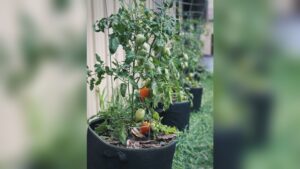
Choose plants that fit the size of your grow bag. Small bags suit herbs and lettuces. Larger bags work well for tomatoes, peppers, and root vegetables.
Pick plants with similar water and sunlight needs. This makes care easier and helps all plants grow well together.
Placement Tips
Place grow bags in a spot that gets enough sunlight for your plants. Most vegetables need at least six hours of sun daily.
Keep grow bags off the ground to improve air circulation. Using a stand or placing them on bricks works well. This also helps drainage and prevents pests.
Maintenance And Care
Proper maintenance and care help your plants thrive in grow bags. These bags offer excellent drainage and air circulation. Yet, they need attention to keep plants healthy and productive.
Follow simple steps for watering, fertilizing, and managing growth. This care ensures your plants grow strong and yield well in limited space.
Watering Techniques
Grow bags dry out faster than traditional pots. Water plants when the top inch of soil feels dry. Use a watering can or hose with a gentle flow. Water until it drains from the bottom. Avoid overwatering to prevent root rot. Morning watering is best for most plants.
Fertilizing Grow Bags
Soil in grow bags holds fewer nutrients than garden soil. Use a balanced, slow-release fertilizer for steady feeding. Apply fertilizer every 3 to 4 weeks during the growing season. Liquid fertilizers work well for quick nutrient boosts. Follow package instructions to avoid overfeeding. Organic compost can improve soil health too.
Managing Plant Growth
Regular pruning helps plants stay healthy and productive. Remove dead or yellow leaves to prevent disease. Pinch off flowers or buds to encourage bushier growth. Support tall plants with stakes or cages inside the grow bag. Rotate grow bags occasionally for even sunlight exposure. Proper spacing avoids overcrowding and improves airflow.
Common Challenges
Grow bags offer many benefits for plant cultivation. Still, gardeners face some common challenges when using them. These issues can affect plant health and gardening experience. Understanding these challenges helps in making better choices for your garden.
Weight Issues
Grow bags filled with soil can become quite heavy. Moving them around may require effort, especially when large or fully watered. Over time, the weight can cause strain on surfaces or structures holding the bags. Choosing the right size and location reduces these problems.
Material Longevity
Most grow bags are made from fabric or plastic materials. These materials can wear out after several seasons. Exposure to sun, water, and weather weakens the fabric. Some bags may tear or lose shape over time. Selecting high-quality bags and proper care extends their use.
Pest And Disease Control
Pests and diseases can still affect plants in grow bags. The fabric may allow insects to enter or lay eggs. Soil in bags can harbor diseases if not replaced regularly. Proper cleaning and monitoring help keep plants healthy. Using fresh soil and pest control methods is important.
Grow Bags Vs Traditional Pots
Grow bags and traditional pots are popular choices for growing plants. Each has unique benefits and drawbacks. Understanding these can help you choose the best option for your garden or home. Below, we compare grow bags and traditional pots in terms of cost, space, and root development.
Cost Comparison
Grow bags usually cost less than traditional pots. They are made from fabric or plastic, which is cheaper to produce. Traditional pots often use ceramic or heavy plastic, raising their price. Grow bags are lightweight and easy to replace if damaged. This makes grow bags budget-friendly for many gardeners.
Space Efficiency
Grow bags are flexible and can fit into tight spaces easily. They can be folded and stored when not in use. Traditional pots are rigid and take up fixed space. Grow bags can be placed closely together, maximizing garden area. This makes grow bags ideal for small patios or balconies.
Root Development
Grow bags promote healthier root growth by air pruning roots naturally. This stops roots from circling inside the container. Traditional pots may cause roots to grow in circles, which can harm plant health. Better root systems in grow bags lead to stronger plants. Plants in grow bags often absorb water and nutrients more efficiently.
Credit: www.homedepot.com
Creative Uses For Grow Bags
Grow bags offer more than just a place for plants to grow. They open up many creative gardening possibilities. Their lightweight and flexible nature makes them ideal for various spaces and uses.
Here are some imaginative ways to use grow bags for your plants.
Deck And Balcony Gardens
Grow bags fit perfectly on decks and balconies. They take up little space and can be moved easily. You can grow vegetables, herbs, or flowers in them. Their breathable fabric helps prevent root rot in tight spaces. Grow bags bring green life to small outdoor areas.
Indoor Planting
Use grow bags indoors to create a mini garden. Place them near windows to catch sunlight. They work well for houseplants that need good drainage. Grow bags are lighter than pots, so they are easy to handle inside. They also reduce the risk of overwatering and root diseases.
Seasonal Gardening
Grow bags make seasonal planting simple. Start seeds in them during spring and move them outside later. In fall, bring tender plants indoors using grow bags. Their portability lets you adjust plant locations based on weather. This flexibility helps extend growing seasons and protect plants.
Where To Buy Grow Bags
Finding the right place to buy grow bags is key to starting your plant project. Grow bags come in many sizes and materials. You can choose from several buying options near you or online. Knowing where to shop helps you pick the best fit for your garden and budget.
Local Retailers
Local garden centers often stock grow bags. Stores like Home Depot and Lowe’s carry various options. You can see and touch the bags before buying. Local nurseries may also have fabric or plastic grow bags. Shopping local supports nearby businesses and offers instant pickup.
Online Options
Online shops provide a wide range of grow bags. Websites like Amazon, Walmart, and Bootstrap Farmer offer many choices. You can compare sizes, materials, and prices easily. Reading customer reviews helps find good quality bags. Delivery brings grow bags right to your door.
Price Ranges
Grow bags vary in price based on size and material. Small fabric bags may cost around $2 to $5. Larger or heavy-duty bags can range from $10 to $30. Budget-friendly options work well for beginners. Premium bags last longer and offer better breathability for roots.
Conclusion
Grow bags offer a simple way to grow plants anywhere. They improve air circulation and drainage for healthier roots. These bags are lightweight and easy to move around. Many gardeners find them perfect for small spaces. Choosing the right size and material helps plants grow well.
Remember to water regularly, as bags dry out faster. Overall, grow bags provide a flexible option for growing flowers, vegetables, or herbs. They make gardening accessible and fun for everyone. Give grow bags a try to enjoy fresh plants at home.