What are Grow Bags: Ultimate Guide to Easy Gardening Success
If you love gardening or are thinking about starting, you’ve probably heard about grow bags—but what exactly are they? Grow bags are a simple yet powerful tool that can transform the way you grow your plants.
Unlike traditional pots, these fabric containers allow your plants to breathe and thrive, giving their roots room to grow strong and healthy. Imagine having the freedom to move your garden wherever you want, while boosting your plants’ growth and yield.
Curious to learn how grow bags can make your gardening easier and more rewarding? Keep reading to discover everything you need to know about these game-changing growing containers.
Grow Bag Basics
Grow bags offer a simple and effective way to grow plants in limited spaces. They are popular among gardeners who want flexibility and healthy root growth. Understanding the basics of grow bags helps you decide if they fit your gardening needs.
These bags provide an alternative to traditional pots. They are lightweight, portable, and promote better plant health by improving root aeration. Learning about their materials and function is key to using them well.
What Are Grow Bags
Grow bags are containers made from fabric or other breathable materials. They hold soil and plants like regular pots but allow air to reach the roots. This air flow helps prevent root rot and promotes stronger roots.
Unlike rigid pots, grow bags are flexible and easy to move. Many have handles for convenience. They come in various sizes to suit different plants and garden spaces.
Materials Used
Most grow bags are made from non-woven fabric or heavy-duty plastic fabrics. Non-woven fabric allows air and water to pass through easily. This helps keep roots oxygenated and prevents waterlogging.
Some grow bags use recycled materials or biodegradable fabrics. These options support eco-friendly gardening. The fabric is usually strong enough to hold soil without tearing.
How They Work
Grow bags work by providing a breathable environment for plant roots. Air passes through the fabric and cools the soil. This improves root health and plant growth.
Excess water drains out quickly, reducing the risk of overwatering. The fabric also encourages natural root pruning. Roots stop growing when they reach the bag’s edge, preventing root circling.
This leads to a healthier root system and better nutrient uptake. Plants in grow bags often grow faster and yield more than those in plastic pots.
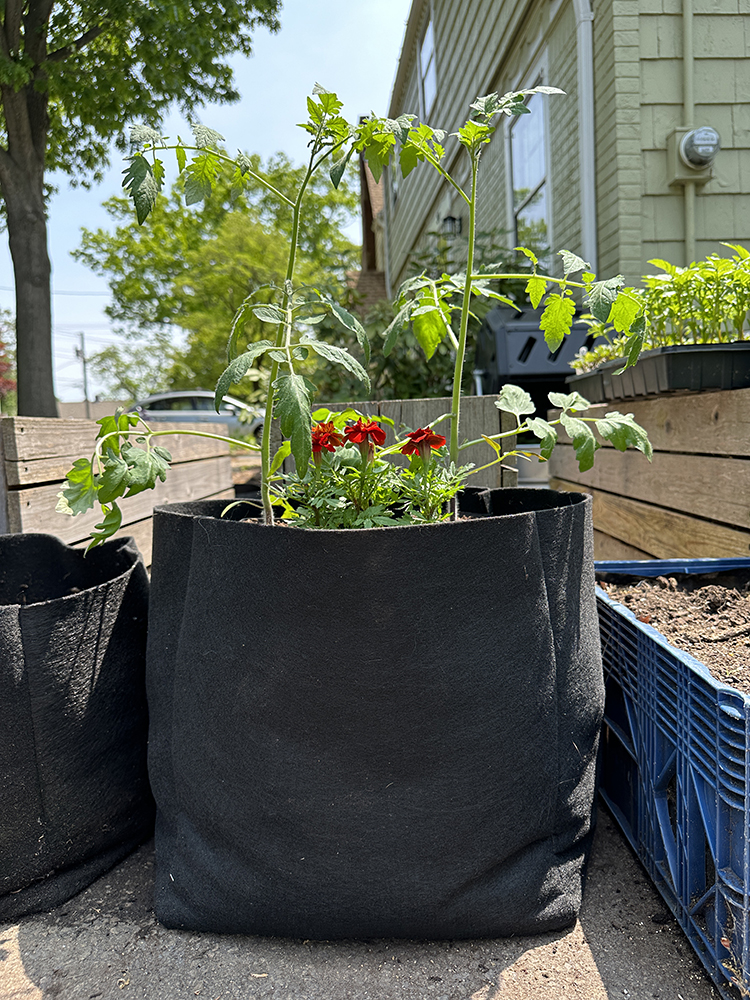
Credit: www.incolororder.com
Benefits Of Grow Bags
Grow bags offer many benefits that make them popular for gardeners everywhere. They provide better conditions for plants compared to traditional pots. Using grow bags can improve plant growth and make gardening easier and more enjoyable.
Here are some key advantages of using grow bags in your garden.
Improved Root Health
Grow bags allow roots to breathe and avoid circling. The fabric stops roots from growing in tight circles. This helps plants develop stronger, healthier root systems. Healthier roots mean better water and nutrient absorption.
Better Airflow And Drainage
The breathable fabric of grow bags lets air reach the soil. This improves oxygen flow to roots and prevents soil from staying too wet. Excess water drains easily, reducing the risk of root rot. Good airflow and drainage keep plants healthier.
Portability And Convenience
Grow bags are lightweight and often come with handles. This makes moving plants simple and quick. You can easily change their position for more sunlight or protection. Portability helps maintain plant health and lets you garden anywhere.
Choosing The Right Grow Bag
Choosing the right grow bag is key to healthy plants and a successful garden. Picking the correct bag depends on what you want to grow and where you place it. Grow bags come in many sizes, shapes, and materials. Each type offers benefits for different gardening needs. This guide helps you find the perfect grow bag for your garden.
Sizes And Shapes
Grow bags come in small, medium, and large sizes. Small bags suit herbs and seedlings. Medium bags work well for vegetables like tomatoes. Large bags support bigger plants or multiple small plants. Shapes vary from round to rectangular. Rectangular bags fit well in narrow spaces. Choose a size and shape that fits your space and plant type.
Fabric Types
Most grow bags are made from fabric that allows air to flow. Common fabrics include felt and woven polypropylene. Felt bags provide good breathability and drainage. Polypropylene bags are durable and hold shape better. Fabric choice affects water retention and root health. Pick a fabric that suits your watering habits and climate.
Biodegradable Vs Non-biodegradable
Biodegradable grow bags break down naturally in soil over time. They are eco-friendly and reduce plastic waste. Non-biodegradable bags last longer and can be reused. They offer good durability but add to landfill waste if discarded. Choose biodegradable bags for short-term use and green gardening. Use non-biodegradable bags for long-term gardening projects.
Setting Up Grow Bags
Setting up grow bags is simple and rewarding. Proper setup helps plants grow strong and healthy. Follow these easy steps to prepare your grow bags for planting.
Good preparation ensures your plants get the nutrients and air they need. The right placement keeps them safe and thriving. Support keeps the bags stable and clean.
Preparing The Soil
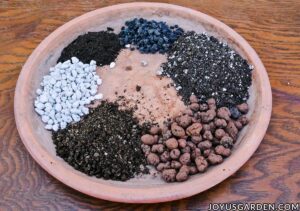
Use a light, well-draining soil mix for grow bags. Combine potting soil with compost or coco coir for better moisture retention. Avoid heavy garden soil that can hold too much water. Fill the bag about two-thirds full to allow room for roots. Mix in slow-release fertilizer to feed plants over time.
Placement And Positioning
Choose a sunny spot for most vegetables and flowers. Make sure the location has good airflow to prevent diseases. Avoid places with strong winds that can knock over bags. Place grow bags where you can easily water and check on plants. Rotate bags occasionally to ensure even sunlight on all sides.
Using Trays And Supports
Set grow bags on trays to catch excess water and protect surfaces. Trays also help keep the area clean and dry. Use stakes or cages inside large grow bags for tall or heavy plants. Supports prevent plants from falling and keep them upright. Regularly check supports and adjust as plants grow.
Planting And Growing Tips
Planting and growing in grow bags offer a flexible way to garden. They allow plants to thrive in small spaces and improve root health. Success depends on choosing the right plants, proper watering, and managing light and temperature. These tips help get the best results from your grow bag garden.
Best Plants For Grow Bags
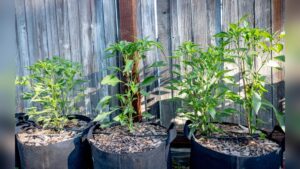
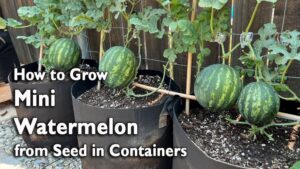
Grow bags work well for many vegetables and herbs. Tomatoes, peppers, and lettuce grow strong in them. Root crops like carrots and radishes also do well. Herbs such as basil, parsley, and mint thrive in grow bags. Choose plants that do not need deep soil for best growth.
Watering And Fertilizing
Grow bags dry out faster than traditional pots. Water plants daily, especially in hot weather. Use a watering can or hose with a gentle flow. Add balanced liquid fertilizer every two weeks. This keeps plants healthy and encourages steady growth. Avoid overwatering to prevent root rot.
Managing Temperature And Light
Place grow bags where plants get enough sunlight. Most vegetables need at least six hours of sun. Move bags to shade during extreme heat to avoid stress. Grow bags help keep roots cooler than plastic pots. Use light-colored bags to reflect heat in summer. Monitor plants for signs of too much sun or heat.
Common Challenges
Grow bags offer many benefits for gardeners, but they also come with some challenges. Understanding these issues helps gardeners use grow bags more effectively. Here are some common challenges faced when using grow bags.
Weight And Stability
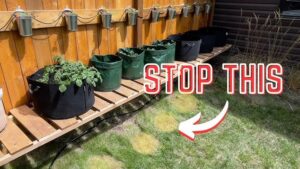
Grow bags can become heavy when filled with soil and water. This weight makes moving them difficult, especially when fully watered. The fabric material offers less support than rigid pots. Bags may tip over easily if placed on uneven surfaces. Choosing a stable spot is important to prevent spills and damage to plants.
Durability Issues
Grow bags are made from fabric, which can wear out faster than plastic pots. Exposure to sun and rain may weaken the material over time. Sharp objects or rough handling can cause tears or holes. These damages affect the bag’s ability to hold soil and water. Replacing bags regularly or reinforcing weak spots can extend their lifespan.
Pest And Disease Control
Grow bags allow good air flow, but pests can still be a problem. Small insects may hide in the fabric folds or soil. Diseases can spread if bags are overcrowded or if water drains poorly. Proper spacing and regular inspection help reduce pest and disease risks. Using clean soil and rotating crops also keeps plants healthier.
Maintaining Grow Bags
Maintaining grow bags is essential for healthy plants and long-lasting use. Proper care keeps the fabric strong and soil fresh. Simple steps can help you get the most out of your grow bags.
Cleaning And Storage
After each growing season, empty soil from the grow bags. Rinse bags gently with water to remove dirt and debris. Avoid harsh soaps that can harm the fabric. Let the bags dry completely in the sun. Store them in a dry, cool place to prevent mold and mildew.
When To Replace Bags
Check grow bags regularly for tears or thinning fabric. Replace bags if holes grow too large or the fabric weakens. Faded colors and loss of shape also signal replacement time. Using damaged bags can reduce plant growth and cause soil loss.
Extending Grow Bag Life
Rotate grow bags to reduce wear on one side. Avoid dragging bags on rough surfaces to prevent tears. Use high-quality soil and avoid overwatering to keep fabric strong. Clean bags well and store them properly to extend their life.
Grow Bags Vs Traditional Pots
Grow bags and traditional pots both serve as containers for plants. Each has unique features affecting plant growth and gardener experience. Understanding their differences helps choose the right option for your garden. Below, we explore how grow bags compare with traditional plastic pots.
Advantages Over Plastic Pots
Grow bags allow air to reach plant roots easily. This air flow prevents root circling, common in plastic pots. Roots grow healthier and stronger in fabric grow bags. They also drain water better, avoiding overwatering problems. Grow bags are lightweight and easier to move. Plastic pots can be heavy and hard to handle. Grow bags fold flat for storage, saving space. Plastic pots take up more room and do not fold.
Cost Comparison
Grow bags are often cheaper than plastic pots. Their simple fabric design lowers manufacturing costs. Plastic pots may cost more due to material and molding processes. However, plastic pots last longer if not damaged. Grow bags may need replacement after a few seasons. Still, their lower price makes grow bags budget-friendly for many gardeners.
Environmental Impact
Grow bags are usually made from breathable, often recycled fabric. They break down faster than plastic if discarded. Plastic pots add to landfill waste and can take hundreds of years to decompose. Some plastic pots are recyclable but are not always recycled properly. Grow bags support eco-friendly gardening by reducing plastic use. Choosing grow bags helps lower the garden’s environmental footprint.
Creative Uses For Grow Bags
Grow bags offer more than simple planting space. Their flexible design opens new ways to garden creatively. These bags fit many settings and styles. They work well for small spaces and add charm to any garden. Explore some creative uses to get the most from grow bags.
Vertical Gardening
Grow bags support vertical gardening easily. Hang several bags on walls or fences. This saves ground space and creates a green wall. Perfect for herbs, strawberries, or small flowers. Vertical gardens brighten balconies or patios. They also improve air quality and add privacy.
Indoor Gardening
Grow bags suit indoor gardening perfectly. Their breathable fabric helps roots stay healthy indoors. Place them near windows for sunlight. Ideal for kitchen herbs or houseplants. Easy to move grow bags help adjust light exposure. They reduce mess by containing soil neatly.
Seasonal Planting
Seasonal planting is simple with grow bags. Move plants indoors or outdoors as weather changes. Grow bags protect roots from extreme temperatures. They allow planting of cool-season or warm-season crops. Change plants easily without disturbing roots. This flexibility extends your growing season.
Conclusion
Grow bags offer a simple way to grow plants anywhere. They improve root health by allowing air flow. These bags are lightweight and easy to move. You can grow vegetables, flowers, or herbs with them. Choose the right size and material for your needs.
Regular watering and care help plants thrive in grow bags. They suit small spaces and urban gardens well. Try grow bags to enjoy flexible and healthy gardening.