Vermiculite Versus Perlite: Ultimate Guide to Garden Soil Boosters
When it comes to growing healthy plants, you want to give your soil the best possible boost. But how do you choose between vermiculite and perlite?
Both are popular soil additives, yet they serve very different purposes. If you’ve ever wondered which one is right for your garden, you’re in the right place. You’ll discover the key differences between vermiculite and perlite, how each affects moisture and aeration, and which plants benefit most from each option.
By the end, you’ll feel confident making the best choice to help your plants thrive. Keep reading to unlock the secret to perfect soil!
Credit: gardenbetty.com
Perlite Basics
Perlite is a popular soil additive made from volcanic glass. It expands when heated, creating a lightweight, porous material. Gardeners use it to improve soil structure and help plants grow better. Its unique properties make it a great choice for many gardening needs.
Understanding perlite’s characteristics helps you choose the right soil mix. It is especially useful for plants needing good drainage and air circulation around roots.
Appearance And Texture
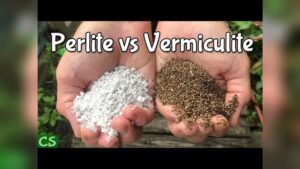
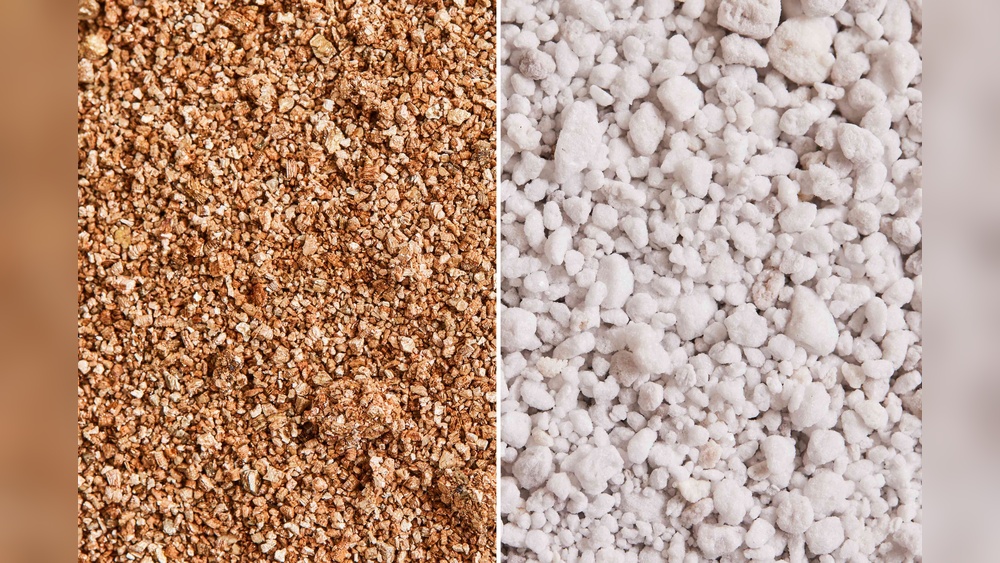
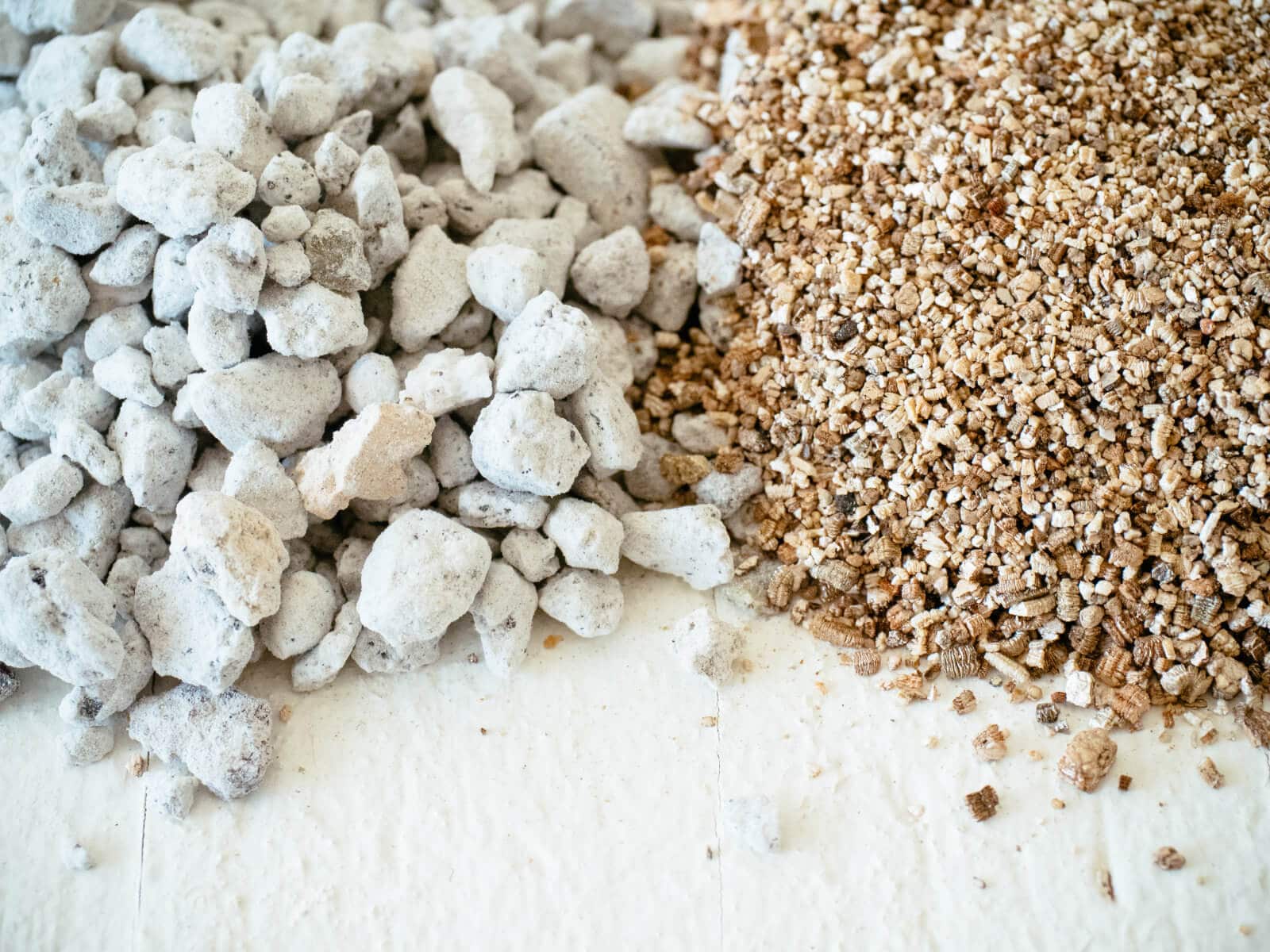
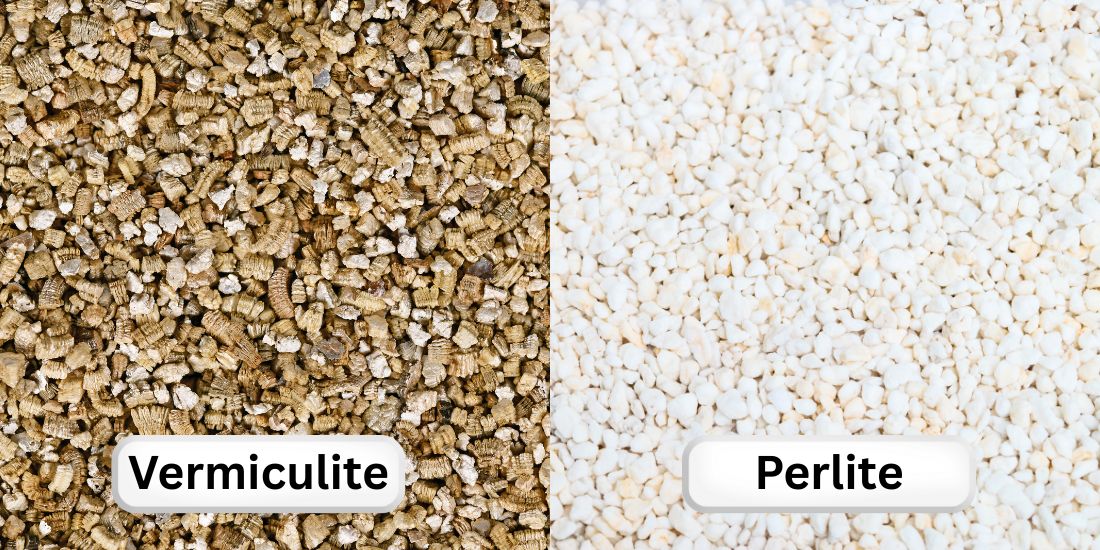
Perlite looks like small, white balls or granules. Its surface is rough and porous. It feels light and gritty to the touch. These particles do not break down easily in soil. This helps keep the soil loose and well-aerated.
Water And Drainage Properties
Perlite drains water quickly but holds some moisture on its surface. It prevents soil from becoming soggy. This feature reduces root rot risk. It also allows air to reach plant roots easily. These qualities make it ideal for plants that dislike wet feet.
Ideal Plant Types
Perlite suits plants that need excellent drainage. Cacti and succulents thrive with perlite in their soil. Orchids and other epiphytes also benefit from its airy texture. It works well for rooting cuttings too. Perlite helps prevent excess moisture and promotes healthy root growth.
Credit: www.sagehort.com.au
Vermiculite Basics
Vermiculite is a popular soil amendment used by gardeners worldwide. It is a natural mineral that expands when heated. This expansion creates lightweight, spongy flakes. These flakes improve soil quality by holding water and nutrients well. Understanding vermiculite’s basics helps gardeners decide when to use it.
Appearance And Texture
Vermiculite looks like small, shiny flakes. Its color ranges from brown to golden. The texture feels soft and spongy. Unlike hard materials, vermiculite is lightweight and airy. Its accordion-like layers help trap water and air in the soil.
Water And Nutrient Retention
Vermiculite works like a sponge in soil. It absorbs and holds water for plants to use. It also stores nutrients, releasing them slowly. This helps plants get steady moisture and food. Vermiculite prevents soil from drying out too fast.
Best Uses For Plants
Vermiculite suits plants that need constant moisture. It is great for seed starting and young plants. It works well in potting mixes for moisture-loving plants. It also helps with root cuttings and transplants. Vermiculite improves soil aeration while keeping water available.
Key Differences
Vermiculite and perlite serve different roles in gardening and soil care. Understanding their key differences helps choose the right one for your plants. Each has unique traits that affect water, air, and nutrient management in soil. Knowing these traits improves plant health and growth.
Drainage Vs Retention
Perlite improves soil drainage by creating air pockets. It allows water to flow through quickly. This prevents waterlogging and root rot. Vermiculite holds water like a sponge. It slowly releases moisture to plant roots. This keeps soil moist longer.
Texture And Composition
Perlite is white and gritty. It looks like small, lightweight balls. It is made from volcanic glass heated until it expands. Vermiculite is brown or golden. It feels soft and spongy with layered flakes. It forms when mica minerals heat and expand.
Nutrient Holding Capacity
Vermiculite holds nutrients well due to its charged surfaces. It releases nutrients slowly to plant roots. Perlite holds few nutrients but helps distribute them evenly. It mainly supports air and water flow in soil.

Credit: www.youtube.com
Using Perlite And Vermiculite Together
Using perlite and vermiculite together creates a well-balanced soil mix. Each material has unique properties that complement the other. Combining them helps gardeners meet the water and air needs of plants. This blend improves soil structure and supports healthy root growth.
Balancing Soil Mixes
Perlite adds air space to soil. It prevents soil from becoming compacted. Vermiculite holds moisture and nutrients. Mixing both creates soil that drains well but stays moist. This balance suits many plants, from flowers to vegetables. The mix supports roots by giving them air and water.
Application In Different Soil Types
In sandy soils, vermiculite helps retain water. It reduces quick drying and nutrient loss. Perlite keeps the soil loose and airy. In clay soils, perlite improves drainage. Vermiculite prevents soil from becoming too dry. Together, they improve soil texture and plant growth.
Benefits Of Combined Use
Using perlite and vermiculite together helps plants avoid water stress. The mix reduces overwatering and underwatering risks. It also increases oxygen around roots. This supports strong, healthy plants. Gardeners find it easier to manage soil moisture. Overall, the combined use creates an ideal growing environment.
Choosing Based On Plant Needs
Choosing the right soil amendment depends on your plant’s specific needs. Vermiculite and perlite serve different purposes in gardening. Understanding their traits helps you pick the best option. Use this guide to match your plants with the ideal material for healthy growth.
Succulents And Cacti
Succulents and cacti need well-draining soil. Perlite improves drainage and prevents water buildup. Its porous structure lets air reach roots easily. Vermiculite holds too much moisture, which can cause root rot. Choose perlite to keep these plants dry and healthy.
Seed Starting And Germination
Seeds need moisture to sprout but not soggy soil. Vermiculite retains water and nutrients gently. It creates a soft, moist environment for seedlings. Perlite drains water too quickly, drying out seeds. Use vermiculite to support strong seed germination.
Moisture-loving Plants
Plants that thrive in moist soil benefit from vermiculite. It soaks up water and releases it slowly. This keeps roots hydrated without drowning them. Perlite dries out soil fast, not suitable here. Vermiculite helps ferns, peace lilies, and other moisture lovers flourish.
Common Mistakes To Avoid
Avoiding common mistakes with vermiculite and perlite improves plant health. These soil additives work differently and require specific care. Misuse can cause poor growth or root problems. Understanding their properties helps prevent errors in watering, drainage, and mixing. Below are key pitfalls to watch for.
Overwatering With Vermiculite
Vermiculite holds a lot of water like a sponge. It keeps moisture near plant roots for longer. This can lead to overwatering if you treat it like regular soil. Too much water causes root rot and weak plants. Water plants less often when using vermiculite. Check soil moisture before watering again. Let the top layer dry a bit to avoid excess dampness.
Poor Drainage With Perlite
Perlite improves drainage because of its porous, lightweight texture. It allows air to reach roots easily. Too much perlite in the mix can cause water to drain too fast. Plants may dry out quickly and suffer from drought stress. Avoid using only perlite without organic matter. Combine it with soil or compost for balanced moisture retention. Ensure containers have drainage holes to prevent water buildup.
Mixing Ratios
Correct mixing ratios are vital for both materials. Using too much vermiculite creates soggy soil and poor air flow. Excess perlite results in dry, nutrient-poor soil. A common ratio is one part vermiculite or perlite to two or three parts soil. Adjust based on plant type and moisture needs. Start with small amounts and test the mix. Proper balance keeps roots healthy and plants thriving.
Environmental And Safety Considerations
Choosing between vermiculite and perlite involves thinking about their impact on the environment and safety. Both materials come from natural sources but have different effects during extraction and use. Understanding these factors helps gardeners pick the best option for their plants and the planet.
Sourcing And Sustainability
Vermiculite is mined from mica-rich rocks. Mining can disturb land and wildlife habitats. Efforts exist to reduce damage and restore areas after mining. Perlite comes from volcanic glass deposits. Its mining also affects the environment but often less intensely. Both materials are natural and non-renewable. Sustainable mining practices are important to keep nature balanced. Some suppliers offer recycled or lower-impact options.
Handling And Dust Concerns
Vermiculite produces fine dust that can irritate the lungs. Wearing a mask while handling it is wise. Perlite dust is also light and can cause coughing or sneezing. Both materials should be handled gently to limit dust release. Keeping them moist during use reduces airborne particles. Proper ventilation in work areas helps protect health. Avoid breathing dust directly to prevent irritation.
Frequently Asked Questions
Which Is Better Perlite Or Vermiculite?
Perlite improves drainage and aeration, ideal for succulents. Vermiculite retains water and nutrients, perfect for seed starting and moisture-loving plants. Choose perlite for dry soils and vermiculite for moisture retention. Using both balances soil drainage and water holding.
What Plants Do Not Like Vermiculite?
Plants like cacti, succulents, and orchids dislike vermiculite due to its high moisture retention. They prefer well-draining soil.
What Are The Disadvantages Of Vermiculite?
Vermiculite retains excess moisture, causing poor drainage and root rot risks. It breaks down over time, reducing soil aeration. It may contain asbestos contaminants if not properly sourced. Vermiculite is less suitable for plants needing well-drained soil.
Do I Need Both Perlite And Vermiculite?
You don’t always need both. Use perlite for better drainage and aeration. Use vermiculite to retain water and nutrients. Combining both balances moisture and drainage, benefiting diverse plant types and soil conditions. Choose based on your plants’ specific needs.
Conclusion
Choosing between vermiculite and perlite depends on your plant’s needs. Perlite helps soil breathe and drains water fast. Vermiculite holds moisture and nutrients well. Use perlite for plants that dislike wet roots. Use vermiculite for seeds and plants needing steady moisture.
Both improve soil but serve different purposes. Understanding these differences helps your garden grow healthy. Simple choices lead to better plant care. Try each to see which suits your plants best.