Should Tomato Plants Be Watered Every Day: Essential Care Tips
Are you wondering if your tomato plants need watering every single day? It’s a question many gardeners ask, especially when those juicy, vibrant tomatoes are on the line.
Too little water, and your plants can wilt and struggle; too much, and you risk damaging the roots and inviting disease. Getting this balance right can be tricky, but it’s key to growing healthy, flavorful tomatoes. You’ll discover exactly how often to water your tomato plants and why the right watering routine can make all the difference in your garden’s success.
Keep reading to unlock simple, practical tips that will help your tomatoes thrive—no guesswork needed!
Credit: www.reddit.com
Daily Watering Needs
Tomato plants need regular watering to grow healthy and produce fruit. Daily watering is not always necessary. It depends on several key factors. Understanding these helps keep your tomato plants strong without wasting water.
Watering too often can harm the plant. Overwatering causes root damage and weak growth. Not watering enough stresses the plant and reduces yield. Finding the right balance is important.
Factors Influencing Water Frequency
Water needs vary by plant size, growth stage, and weather. Young plants need less water than mature ones. During flowering and fruiting, water demand rises. Plants in containers dry out faster than those in the ground. Adjust watering based on these factors for best results.
Soil Type And Drainage
Sandy soils drain quickly and need more frequent watering. Clay soils hold water longer and require less. Well-draining soil prevents waterlogging and root rot. Adding organic matter improves soil structure and moisture retention. Check soil moisture before watering to avoid overwatering.
Climate And Temperature Effects
Hot, dry climates increase water loss from the soil and plant leaves. Plants need more water in such conditions. Cooler, humid climates reduce water needs. Windy days also dry out soil faster. Monitor weather and adjust watering to keep soil moist but not soggy.

Credit: savvygardening.com
Signs Of Overwatering
Overwatering tomato plants can cause serious problems. It damages roots and stops the plant from taking in nutrients. Knowing the signs of overwatering helps you save your plants early. Watch for these common symptoms to keep your tomato plants healthy.
Yellowing And Spotted Leaves
Leaves turn yellow or develop spots when overwatered. They may also feel soft or soggy instead of firm. This happens because too much water blocks oxygen to the roots. The plant cannot absorb nutrients well, causing leaf discoloration and damage.
Wilting Despite Moist Soil
Wilting usually means a plant needs water. But overwatered tomato plants can also wilt. Their roots get damaged or suffocated by excess water. The plant looks droopy even though the soil is wet. This is a clear sign that watering is too frequent or heavy.
Soggy Branches And Heavy Foliage
Branches may feel soft and weak from too much water. Leaves look heavy and droop down instead of standing upright. The plant appears swollen and waterlogged. This soggy condition can lead to root rot and other diseases if not fixed quickly.
Preventing Overwatering
Overwatering tomato plants can harm their growth and health. Excess water fills the soil, blocking air from reaching the roots. This can cause root rot, yellow leaves, and weak plants. Preventing overwatering helps tomatoes grow strong and produce more fruit. Careful watering habits and soil management keep plants healthy.
Soil Moisture Checks
Check soil moisture before watering. Stick your finger about two inches deep. If the soil feels dry, it is time to water. If it feels moist, wait a day or two. This simple step prevents giving too much water.
Proper Drainage Techniques
Good drainage stops water from pooling around roots. Use pots with holes or plant in well-draining soil. Add sand or perlite to heavy soil for better flow. Proper drainage helps roots breathe and stay healthy.
Watering At The Base
Water only at the base of the tomato plant. Avoid wetting the leaves or stems. Wet leaves can cause fungal diseases and rot. Direct watering helps water reach the roots where it is needed.
Optimal Watering Times
Water tomato plants early in the morning. This allows water to soak in before heat causes evaporation. Morning watering reduces disease risk by drying leaves quickly. Avoid watering late in the day or at night.
Using Mulch For Moisture Retention
Apply mulch around tomato plants to keep soil moist. Mulch blocks evaporation and keeps soil cool. Use straw, leaves, or grass clippings as mulch. Mulching reduces the need for frequent watering and protects roots.
Watering Amounts
Watering amounts play a key role in growing healthy tomato plants. Giving the right water quantity helps roots grow strong and supports fruit development. Too little water can stress plants, while too much causes root problems. Adjusting water amounts at different plant stages keeps tomatoes thriving and productive.
Understanding how much water tomato plants need helps avoid common watering mistakes. Balancing water with nutrients ensures plants absorb what they need. Let’s explore how to adjust water volume by plant stage and balance water with nutrient absorption.
Adjusting Water Volume By Plant Stage
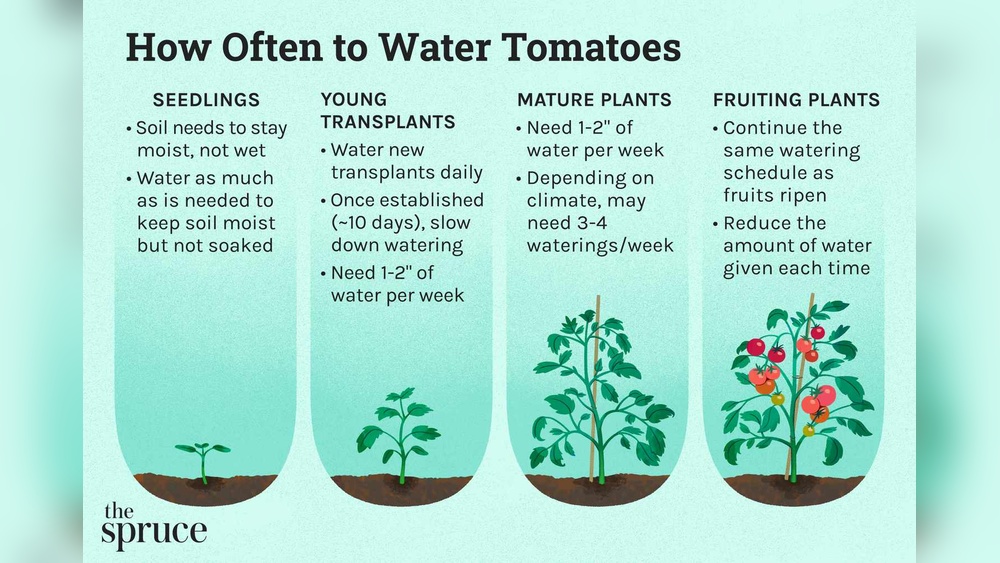
Young tomato seedlings need less water than mature plants. At the seedling stage, water lightly to keep soil moist but not soaked. Overwatering young plants can cause root rot and slow growth.
During flowering and fruiting, tomato plants demand more water to support fruit growth. Increase water volume gradually as the plant matures. Deep watering encourages strong root systems and better drought resistance.
In hot weather, water needs increase. Check soil moisture daily to adjust water volume accordingly. Avoid watering the leaves to reduce fungal risks. Root zone watering is best at all stages.
Balancing Water And Nutrient Absorption
Water carries nutrients from soil to plant roots. Proper watering ensures roots absorb essential minerals efficiently. Too much water can wash away nutrients, causing deficiencies.
Consistent moisture helps roots take up nutrients steadily. Dry spells stress plants and reduce nutrient absorption. Mulching can help maintain soil moisture balance and improve nutrient retention.
Use slow-release fertilizers with regular watering to support steady nutrient supply. Avoid watering immediately after fertilizing to prevent nutrient runoff. Balanced watering and feeding lead to healthy tomato plants and better yields.
Watering During Hot Weather
Hot weather creates challenges for tomato plants. Watering needs change as temperatures rise. Proper watering helps plants stay healthy and produce fruit. Overwatering or underwatering can harm tomato plants during heat.
Maintaining Soil Moisture In Heat
Soil dries out quickly in hot weather. Water tomato plants deeply to reach roots. Shallow watering leaves roots dry and weak. Check soil moisture daily by feeling the soil. Mulch around plants to keep soil cool and moist. Mulch reduces evaporation and protects roots from heat. Avoid watering leaves; focus on the soil near roots.
Avoiding Heat Stress On Plants
Heat stress weakens tomato plants and lowers yield. Water plants early in the morning to reduce evaporation. Evening watering can cause fungal growth due to damp leaves. Use shade cloth if heat is extreme to protect plants. Keep soil evenly moist but not soggy. Wilting leaves often signal need for water. Watch for leaf curl or yellowing, signs of stress.
Rescuing Overwatered Plants
Overwatering tomato plants can harm their health quickly. It drowns roots and stops oxygen flow. Rescue is possible with careful steps. Acting fast helps plants recover and thrive again.
Check the soil moisture before watering. Roots need air to stay healthy. Too much water causes root rot and weak plants. Watch for signs like yellow leaves or wilting.
Steps To Revive Root Health
First, stop watering immediately to let soil dry out. Remove the plant gently from its pot or ground. Check roots for dark, mushy spots showing rot. Cut off damaged roots with clean scissors.
Repot the plant in fresh, well-draining soil. Use pots with drainage holes to avoid water buildup. Water lightly after repotting and only when soil feels dry. Keep the plant in a shaded area for a few days.
Preventing Disease After Overwatering
Overwatered plants face higher risks of fungal infections. Remove fallen leaves and debris around the plant. Use a fungicide spray safe for tomatoes if needed. Avoid watering leaves to reduce fungal growth.
Improve air circulation around plants by spacing them well. Mulching helps keep soil moisture balanced and protects roots. Monitor plants daily for new signs of stress or disease. Early action prevents long-term damage and saves your tomato plants.
Container Vs Ground Planting
Tomato plants can grow in containers or directly in the ground. Each method affects how often and how much you water. Understanding these differences helps keep plants healthy and strong. Container plants and ground plants have unique needs for water and soil care. Knowing these can save water and prevent problems like root rot or dry soil.
Watering Differences
Tomato plants in containers need water more often. Containers hold less soil and dry out quickly. Ground plants have more soil to hold moisture longer. They usually need watering less frequently. Check soil moisture before watering to avoid overwatering. Containers may need daily watering during hot weather. Ground plants might only need water every few days.
Drainage Considerations
Good drainage is vital for both container and ground planting. Containers must have holes to let excess water escape. Without drainage, roots can sit in water and rot. Ground soil should be loose and well-drained. Heavy or clay soils hold water and harm roots. Adding compost or sand improves drainage in garden soil. Proper drainage helps tomato roots breathe and absorb nutrients well.
:max_bytes(150000):strip_icc()/GettyImages-1266067408-604c5d82922d4a95bd7322f1f20b1026.jpg)
Credit: www.thespruce.com
Frequently Asked Questions
Can You Overwater Tomato Plants?
Yes, overwatering tomato plants harms roots, causes yellow leaves, promotes disease, and can kill them. Water only when soil is dry and ensure good drainage.
Should You Water Tomatoes Every Day When It’s Hot?
Water tomatoes deeply but not daily during hot weather. Check soil moisture; water when top 2-3 inches feel dry. Avoid overwatering to prevent root damage and diseases. Mulch helps retain moisture and keeps roots cool. Water early morning at the plant base for best results.
How Often Are You Supposed To Water Your Tomato Plant?
Water tomato plants deeply every 2-3 days, allowing soil to dry 2-3 inches between watering. Adjust frequency in hot weather.
How To Tell If A Tomato Plant Needs More Water?
Check soil moisture by touching the top 2-3 inches. Wilting, dry leaves, and slow growth signal the plant needs water.
Conclusion
Tomato plants do not need daily watering. Water only when soil feels dry. Overwatering can harm roots and leaves. Use mulch to keep soil moist longer. Water plants early in the morning. Always water at the base, not leaves. Good drainage helps prevent water buildup.
Watch plants for signs of too much water. Proper watering leads to healthy, strong tomato plants. Balance is key for a fruitful garden.