Should Plants Be Watered Everyday: Expert Tips for Healthy Growth
Are you watering your plants every day because you think it’s the best way to keep them healthy? You’re not alone—many people wonder if daily watering is necessary or even helpful.
But here’s the truth: watering your plants too often can actually harm them, while watering too little might leave them thirsty. So, how often should you really water your plants to keep them thriving? You’ll discover simple, practical tips that will help you understand your plants’ needs better.
By learning the right watering habits, you’ll save time, avoid common mistakes, and watch your plants grow stronger and more vibrant. Keep reading to find out exactly when and how to water your plants for the best results.

Credit: www.shutterstock.com
Watering Frequency
Watering frequency is key to keeping plants healthy and thriving. It varies by plant type, soil, and environment. Watering every day is not always best. Many plants prefer deep watering less often. This encourages roots to grow deeper and stronger.
Knowing when to water depends on many factors. Paying attention to these will help you create a proper watering schedule. This keeps plants safe from overwatering or drying out.
Factors Influencing Watering Needs
Plant species affects water needs greatly. Some plants like succulents need very little water. Others, like ferns, need more moisture. Soil type matters too. Sandy soil drains quickly and dries out fast. Clay soil holds water longer. The size of the plant and pot also influence watering. Larger plants and pots hold more water. Temperature and sunlight affect water loss. Hot, sunny days cause faster evaporation. Humidity levels play a role as well.
General Watering Guidelines
Check the soil before watering. Insert your finger 1-2 inches deep. If dry, water the plant. Water deeply to soak the soil well. Shallow watering leads to weak roots. Morning watering is best. It allows leaves to dry before evening. Avoid watering in midday heat to reduce evaporation. Watch for signs of overwatering. Yellow or wilting leaves may mean too much water.
Adjusting For Weather And Season
Plants need more water in hot, dry weather. Reduce watering during cool or rainy periods. New plants and seedlings often need daily watering. Established plants with deep roots need less frequent watering. Potted plants dry out faster and may need watering more often. Always adapt your watering schedule to changing weather and seasons.
Credit: www.earthandanimals.com
Soil Moisture Check
Checking soil moisture is key to healthy plant care. It helps decide if plants need water. Overwatering or underwatering can harm plants. Soil moisture check guides watering habits. It ensures plants get the right water amount. This keeps roots healthy and strong.
How To Test Soil Moisture
Insert your finger into the soil about two inches deep. If it feels dry, the plant needs water. If it feels damp, wait before watering. Use a moisture meter for more accuracy. These tools give a clear reading of soil wetness. Test soil moisture regularly to avoid guesswork.
Signs Of Dry Soil
Dry soil looks cracked or pulls away from pot edges. The surface feels hard and dusty to touch. Leaves may wilt or curl as soil dries out. Plants might lose their bright green color. Watch for slow growth or leaf drop. These signs mean the plant needs watering soon.
Avoiding Overwatering
Too much water can drown roots and cause rot. Soil that stays wet smells musty or sour. Yellowing leaves often show excess water problems. Avoid watering on a set schedule only. Check soil moisture before adding water. Good drainage in pots stops water buildup. Let soil dry slightly between waterings to keep plants healthy.
Watering Techniques
Watering techniques play a key role in plant health. Using the right method helps roots grow strong. It also prevents common problems like root rot or dry soil. Understanding how to water plants properly saves water and keeps plants happy.
Different plants and conditions need different watering styles. Learning these techniques can improve your gardening success. Here are three important aspects to consider when watering your plants.
Deep Vs Shallow Watering
Deep watering means soaking the soil to a depth of several inches. This encourages roots to grow downward and become stronger. Shallow watering only moistens the top layer of soil. It causes roots to stay near the surface, which makes plants weaker. Deep watering is better for most plants. It helps them survive dry periods and develop a healthy root system.
Best Time To Water
The best time to water plants is early in the morning. Watering then allows leaves to dry during the day, reducing disease risk. Avoid watering in the middle of the day because water evaporates quickly. Evening watering can leave leaves wet overnight, which can cause fungus. Morning watering is the safest and most efficient choice.
Watering Amounts
Watering amounts depend on plant type and soil condition. Check the soil a few inches below the surface to see if it is dry. Water only when needed. Too much water can cause root rot and other problems. A good soak that moistens soil deeply is better than frequent light watering. Adjust amounts for weather and plant size. Smaller pots may need more frequent watering.
Watering New Plants
New plants need special care, especially with watering. Proper watering helps young plants grow strong roots. Overwatering or underwatering can harm them. Understanding how often to water new plants ensures they thrive.
Frequency For Seedlings
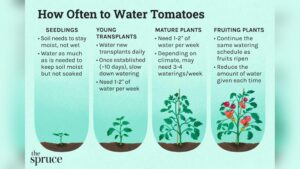
Seedlings have small roots that dry out fast. Water them daily or every other day for the first two weeks. Keep the soil moist but not soaked. Check soil moisture by touching it gently. Too much water can cause root rot. Too little water will make seedlings wilt. Light, frequent watering keeps seedlings healthy.
Transitioning To Established Care
After two weeks, start reducing watering frequency. Water every few days instead of daily. Let soil dry slightly between watering sessions. This encourages roots to grow deeper. Deep roots help plants survive dry periods. Watch the plant’s leaves for signs of thirst. Transition slowly to avoid stressing the plant. Established plants need less water than seedlings.
Watering Potted Plants
Potted plants need special care when it comes to watering. Containers hold limited soil, so water evaporates faster. This makes potted plants dry out quicker than garden plants. Understanding how to water these plants helps keep them healthy and growing strong.
Challenges With Containers
Containers limit the space roots can grow. Soil in pots dries faster because it heats up quickly. Small pots hold less water, causing plants to need water more often. Poor drainage can trap water, leading to root rot. The type of pot material also affects moisture levels. Plastic pots keep moisture longer than clay pots, which dry out fast.
Daily Care Tips
Check the soil moisture every day by touching the top inch of soil. Water only if the soil feels dry. Use enough water to moisten the soil well but avoid waterlogging. Water in the morning to reduce evaporation. Ensure pots have drainage holes to prevent water buildup. For hot days, some potted plants may need watering daily. Adjust watering based on the plant’s size, pot type, and weather conditions.
Care For Established Plants
Established plants require a different watering approach than new ones. Their roots grow deeper, allowing better access to moisture. This means they do not need water every day. Proper care helps these plants thrive with less frequent watering. Understanding their needs prevents overwatering and supports healthy growth.
Reduced Watering Needs
Established plants absorb water from deeper soil layers. They can survive longer without daily watering. Overwatering can harm their roots and reduce oxygen. Watering once or twice a week is usually enough. Always check the soil moisture before watering. If the soil is still damp, wait before adding more water.
Drought-tolerant Varieties
Some plants are naturally drought-tolerant. These varieties need very little water after they settle in. Succulents and native plants often fall into this group. They store water in their leaves or stems. This helps them survive dry spells easily. Water these plants sparingly to avoid root problems.
Common Watering Mistakes
Many gardeners make watering mistakes that harm plants. Proper watering keeps plants healthy and strong. Learning the signs of watering problems helps avoid damage.
Plants need the right amount of water. Too much or too little can cause stress. Watching for watering mistakes improves plant care and growth.
Overwatering Symptoms
Overwatering is a common problem. Plants may show yellow leaves and soft stems. Soil that stays wet for too long can cause root rot. Roots need air to survive. Too much water blocks air, making roots suffocate. Leaves may wilt even if the soil is wet. Mushy roots and a bad smell often appear. Overwatered plants may drop leaves or stop growing.
Underwatering Effects
Underwatering causes dry, crispy leaves. Plants look wilted and weak. Soil pulls away from the pot edges when too dry. Roots cannot absorb enough nutrients without water. Growth slows and flowers may drop early. Leaves turn brown and fall off. Prolonged drought can kill the plant. Regular checks help catch underwatering early.
Frequently Asked Questions
How Frequently Should I Water My Plants?
Water your plants deeply once a week, checking soil moisture one to two inches down before watering. Water more often for new or potted plants and during hot weather. Avoid overwatering to prevent root rot. Morning watering helps leaves dry and reduces disease risk.
What Are The Three Rules Of Watering?
Check soil moisture before watering; water deeply to encourage strong roots; water early in the morning to reduce evaporation and disease risk.
What Is The 3-hour Gardening Rule?
The 3-hour gardening rule advises watering plants every three hours during hot, dry conditions to keep soil consistently moist. This helps seedlings and new plants establish strong roots and prevents stress from heat and drought. Adjust frequency based on plant type and weather for best results.
How Can You Tell If A Plant Is Overwatered?
Signs of overwatering include yellowing leaves, wilting despite moist soil, and root rot smell. Soil stays soggy for days.
Conclusion
Watering plants every day is not always necessary. Most plants thrive with deep watering once a week. Checking the soil moisture helps decide when to water next. New plants and pots may need more frequent watering. Overwatering can harm roots and cause yellow leaves.
Adjust watering based on weather and plant type. Water in the morning to reduce disease risk. Remember, healthy roots grow stronger with less frequent, thorough watering. This simple approach keeps plants happy and saves water too.