Is Vermiculite the Same As Perlite: Key Differences Explained
Are you wondering whether vermiculite and perlite are the same thing? If you’ve ever shopped for gardening supplies, you’ve probably seen both materials and felt confused about which one to pick.
Choosing the right soil additive can make a big difference in how well your plants grow, so it’s important to understand what sets vermiculite and perlite apart. You’ll discover the key differences between these two popular soil amendments, how each one affects moisture and aeration, and which is best for your specific plants.
Keep reading to make sure you’re giving your garden exactly what it needs to thrive!
Differences In Composition
Understanding the differences in composition between vermiculite and perlite helps in choosing the right soil amendment. Both materials improve soil but come from different natural sources. Their unique makeups affect water retention, aeration, and nutrient holding capacity. These differences make each better suited for specific gardening needs.
Origin And Formation
Vermiculite forms from the weathering of mica minerals. Heat expands its layers, creating lightweight flakes. It is a natural mineral processed by heating to achieve its final form.
Perlite is a volcanic glass. It forms when lava cools rapidly. When heated, it expands and becomes porous and white. It is also natural but comes from volcanic activity.
Physical Characteristics
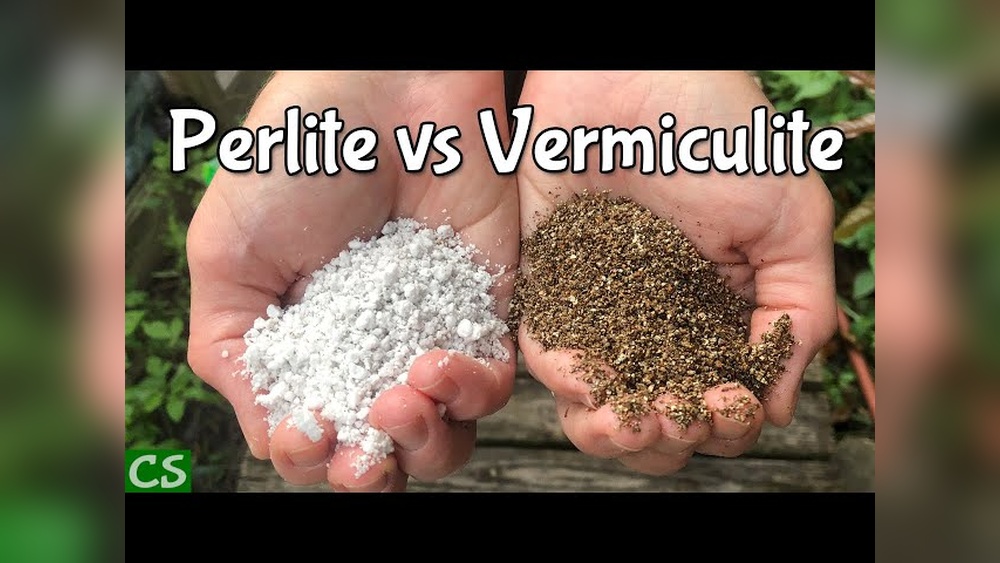
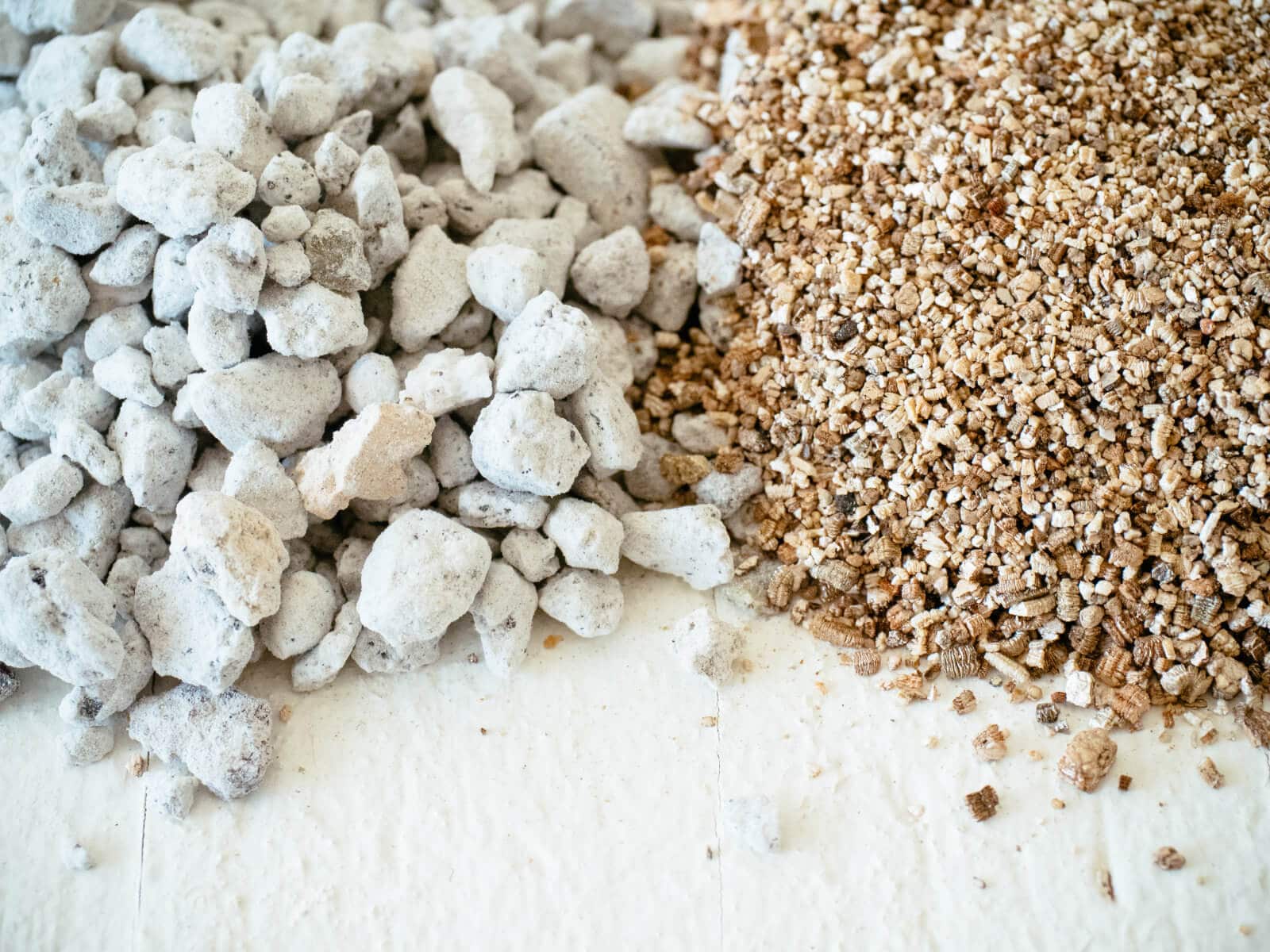
Vermiculite has a layered, flaky texture. It feels soft and holds moisture well. Its surface is smooth and it absorbs water quickly.
Perlite looks like small white balls. It is rough and porous with many tiny holes. It does not retain water but improves soil aeration and drainage.
Water Retention And Drainage
Water retention and drainage are key factors in choosing between vermiculite and perlite. These materials affect how soil holds moisture and lets excess water flow away. Understanding their differences helps gardeners pick the right option for their plants.
Moisture Holding Capacity
Vermiculite has a high ability to hold water. It absorbs moisture and keeps it available for plant roots. This makes it ideal for seed starting and plants needing consistent moisture. Perlite holds less water because of its porous structure. It retains some moisture but mainly helps air reach the roots.
Impact On Soil Drainage
Perlite improves soil drainage by creating air pockets. These spaces allow excess water to drain quickly. It prevents waterlogging and root rot in plants that dislike wet soil. Vermiculite slows drainage because it holds water tightly. It suits plants that need a moist environment but can cause soggy soil if overused.
Benefits For Plant Growth
Both vermiculite and perlite benefit plant growth by improving soil conditions. They help plants grow stronger and healthier. Each material has unique properties that support different stages of plant development. Understanding these benefits helps gardeners choose the right one for their plants.
Seed Starting And Germination
Vermiculite excels at holding moisture, which seeds need to sprout. It keeps the soil damp without drowning the seeds. This steady moisture improves germination rates. Seeds grow quickly in a warm, moist environment. Vermiculite’s fine texture also protects delicate roots as they emerge.
Root Aeration And Health
Perlite creates air pockets in the soil that roots need to breathe. Good aeration prevents root rot and fungal diseases. It helps water drain quickly, stopping soggy soil conditions. Healthy roots absorb nutrients better and support strong plant growth. Perlite’s lightweight nature keeps soil loose and easy for roots to expand.

Credit: www.youtube.com
Best Plant Types For Each
Choosing between vermiculite and perlite depends on your plant’s needs. Both improve soil but serve different purposes. Vermiculite holds water well and helps plants that like moisture. Perlite improves drainage and aeration for plants that hate soggy soil. Knowing which plants thrive with each material ensures healthier growth and fewer problems.
Plants Suited For Vermiculite
Vermiculite is great for seed starting. It keeps the soil moist and helps seeds sprout. Ferns love vermiculite because they need steady moisture. African violets also do well with vermiculite. It works well for plants that like a humid environment. Vegetables like lettuce and spinach grow better with vermiculite.
Plants Suited For Perlite
Perlite suits plants needing good drainage. Succulents and cacti thrive with perlite. It stops water from sitting around roots and causing rot. Orchids prefer perlite mixed into their soil. Tomatoes and peppers also benefit from perlite’s aeration. Perlite keeps the soil loose and oxygen-rich for these plants.
Plants To Avoid With Vermiculite
Vermiculite holds too much water for drought-tolerant plants. Avoid it for succulents, cacti, aloe, and agave. These plants need fast-draining soil to prevent root rot. Also, skip vermiculite for plants prone to soggy roots. Using vermiculite with peat or coco coir may worsen moisture retention. Choose perlite instead for these species.
Usage In Soil Mixes
Understanding the usage of vermiculite and perlite in soil mixes is key for healthy plant growth. Both materials improve soil aeration and water management but serve different roles. Choosing the right one depends on plant needs and soil conditions.
When To Use Vermiculite
Vermiculite holds moisture well, making it ideal for plants needing consistent water. It helps seeds germinate by keeping the soil moist. Use vermiculite for young plants and seedlings that require gentle watering. It also adds minerals like magnesium and potassium to the soil. Avoid vermiculite for plants that prefer dry roots.
When To Use Perlite
Perlite improves drainage and prevents soil compaction. It is perfect for plants that dislike soggy soil, such as cacti and succulents. Perlite creates air pockets that allow roots to breathe. Use it in soil mixes for drought-tolerant plants or those prone to root rot. It keeps the soil light and airy, promoting healthy root growth.
Combining Both For Balance
Mixing vermiculite and perlite can balance moisture retention and drainage. This combination suits many houseplants and garden plants. Vermiculite holds water while perlite prevents excess moisture buildup. A balanced soil mix supports strong roots and reduces disease risks. Adjust the ratio based on your plants’ specific water needs and soil type.
:max_bytes(150000):strip_icc()/SPR-vermiculite-vs-perlite-6455754-hero-1a2d3e14e0584fbaa4a990ebef1d494b.jpg)
Credit: www.thespruce.com
Alternatives For Drainage
Drainage plays a vital role in healthy plant growth. Good drainage prevents water buildup, which can cause root rot and other problems. Many gardeners seek alternatives to vermiculite and perlite to improve soil drainage. These options offer unique benefits and help create the right balance of moisture and air for roots.
Pumice
Pumice is a natural volcanic rock that improves soil drainage effectively. It has a rough texture and holds less water than vermiculite. Pumice allows air to flow freely, helping roots breathe. It is lightweight and does not break down quickly. This makes it a lasting soil amendment. Pumice works well for succulents and cacti that need fast drainage. It also suits container gardens and raised beds.
Sandy Soil
Sandy soil is another simple alternative to enhance drainage. Sand particles are large and create space for water to flow through. Mixing sandy soil with regular potting soil helps prevent sogginess. It is affordable and easy to find. Sandy soil suits plants that dislike wet roots, such as agave and aloe vera. However, sand alone does not retain nutrients well, so balance it with organic matter for best results.
Common Misconceptions
Many believe vermiculite and perlite are the same, but they differ in texture and water retention. Vermiculite holds moisture well, while perlite improves soil aeration. Confusing them can affect plant health and soil performance.
Common Misconceptions About Vermiculite And Perlite
Many gardeners confuse vermiculite and perlite. Both look similar and serve soil purposes. People often think they are the same product. This misunderstanding leads to wrong gardening choices.
Each material has unique features that affect plant growth. Knowing the differences helps gardeners pick the right one. This section clears up common myths about vermiculite and perlite.
They Are Identical Soil Amendments
Vermiculite and perlite come from different minerals. Vermiculite is a mineral that expands when heated. Perlite is volcanic glass that pops when heated. Their textures and uses vary because of this. Vermiculite holds water well. Perlite improves soil drainage and aeration.
Both Retain The Same Amount Of Moisture
Vermiculite absorbs and holds water strongly. It keeps soil moist longer. Perlite does not hold much water. It allows water to drain quickly. Using perlite helps prevent waterlogged roots. Gardeners must choose based on plant water needs.
Either One Can Replace The Other Easily
Substituting vermiculite for perlite affects soil differently. Vermiculite may cause soggy soil for some plants. Perlite may dry out soil too fast for others. Mixing both can balance water retention and drainage. Careful use improves plant health.
Credit: gardenbetty.com
Frequently Asked Questions
Can I Use Vermiculite Instead Of Pearlite?
Yes, you can use vermiculite instead of perlite for seed starting. Vermiculite retains moisture, aiding germination. Perlite improves drainage and prevents root rot in plants that dislike wet soil. Combining both can create a balanced soil mix. Choose based on your plants’ moisture needs.
What Plants Do Not Like Vermiculite?
Plants that dislike vermiculite include cacti, succulents, agave, aloe vera, and some Mediterranean herbs. They need fast-draining soil. Vermiculite retains too much moisture, risking root rot. Use perlite or pumice instead for better drainage and aeration in drought-tolerant plants.
Should I Mix Vermiculite With Potting Soil?
Yes, mixing vermiculite with potting soil improves moisture retention and aeration, benefiting seed starting and plant growth.
Is Too Much Perlite Bad For Plants?
Too much perlite can dry out soil, reducing water retention and nutrients. Use it moderately for balanced aeration and drainage.
Conclusion
Vermiculite and perlite serve different roles in gardening. Vermiculite holds water well, helping seeds and plants grow. Perlite improves soil drainage and airflow, preventing root problems. Choosing between them depends on your plants’ needs. For moisture-loving plants, vermiculite works best.
For plants needing dry, airy soil, perlite is ideal. Sometimes, mixing both creates balanced soil. Understanding their differences helps your garden thrive. Simple choices lead to healthier plants and better growth.