Is Vermiculite And Perlite the Same Thing? Unveiling Truths!
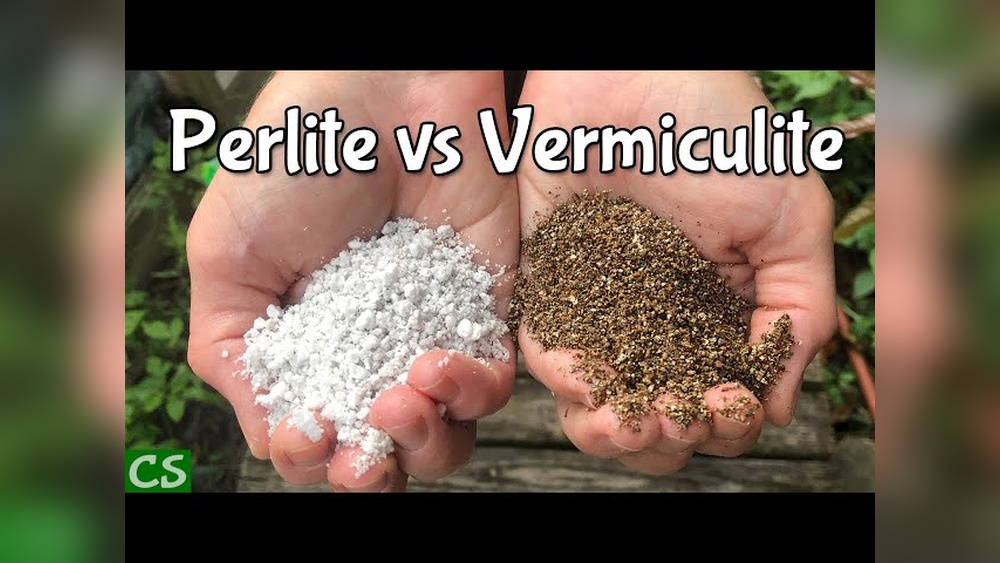
Are you wondering if vermiculite and perlite are the same thing? Many gardeners and plant lovers get confused because both look similar and are used to improve soil.
But here’s the truth: they serve very different purposes in your garden. Knowing which one to use can make a big difference in how healthy and happy your plants grow. You’ll discover the key differences between vermiculite and perlite, how each one works, and when to choose one over the other—or even both together.
Keep reading to unlock the secrets that will help your garden thrive!
Credit: www.gardening4joy.com
Perlite Basics
Perlite is a popular soil amendment used by gardeners worldwide. It helps improve soil structure by adding air spaces and aiding drainage. Understanding its basics helps gardeners choose the right material for their plants.
Perlite is a natural volcanic glass that expands when heated. This process creates a lightweight, porous material. Its unique properties make it a valuable addition to many potting mixes.
Appearance And Texture
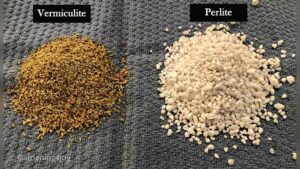
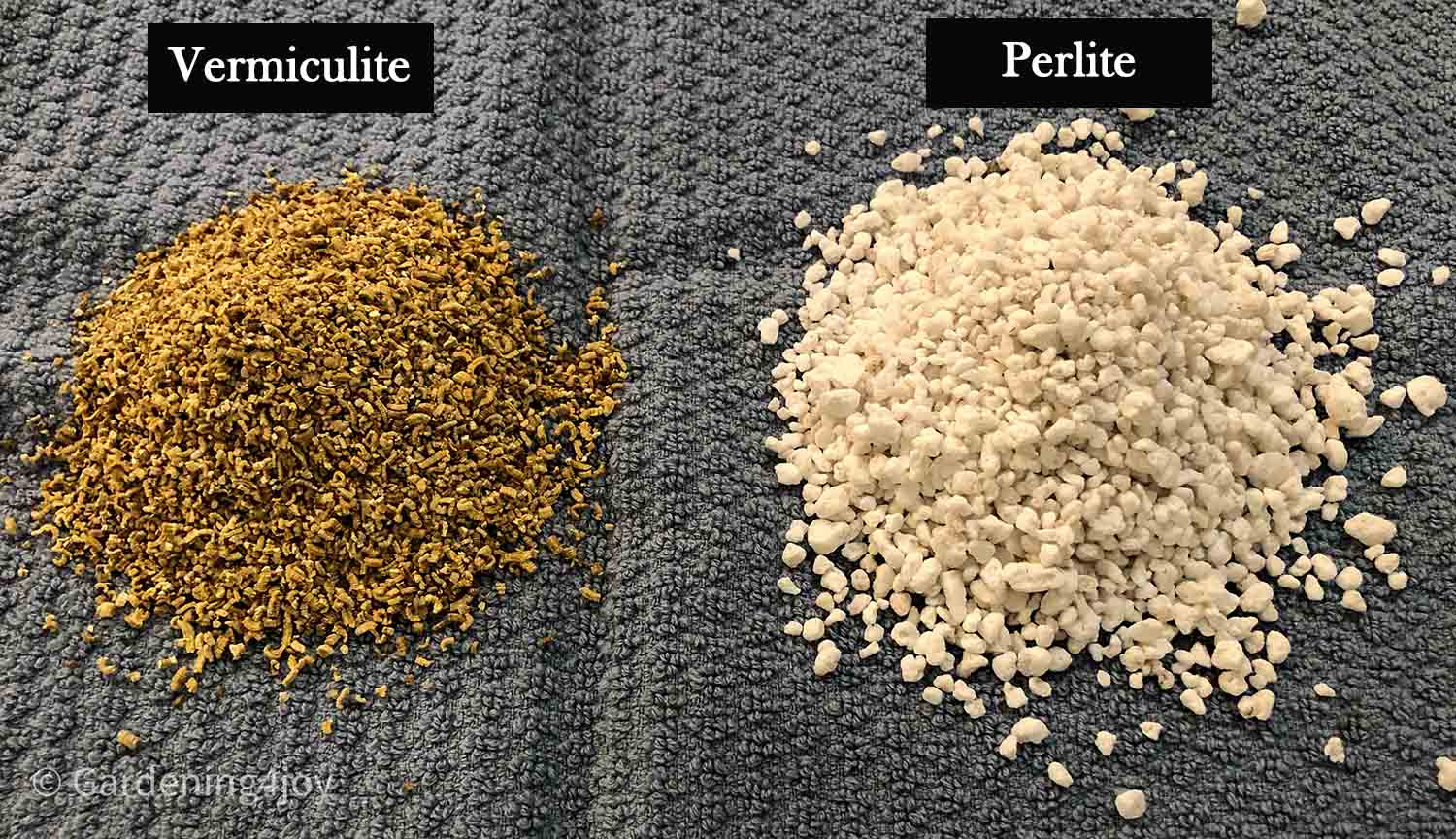
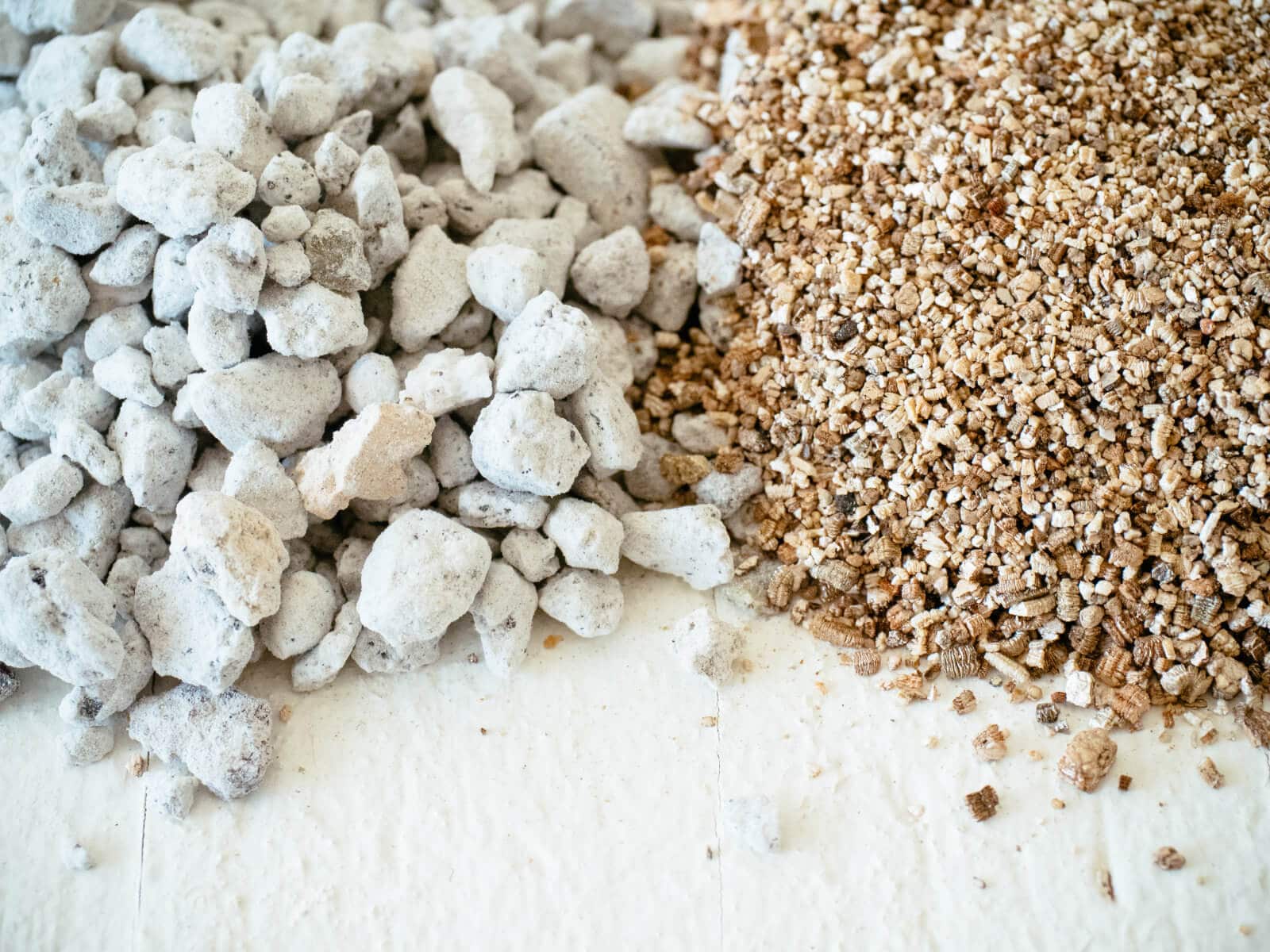
Perlite looks like small white balls or granules. It has a rough, gritty texture. The particles are lightweight and have a porous surface. This appearance is quite distinct from other soil amendments.
Water And Drainage Properties
Perlite holds some water on its surface but drains quickly. It helps keep soil moist without becoming waterlogged. Its porous nature allows air to circulate around plant roots. This improves root health and prevents rot.
Ideal Plant Types
Perlite is perfect for plants needing well-drained soil. Cacti, succulents, and orchids benefit from its drainage support. It also works well for rooting cuttings, reducing risk of rot. Plants that dislike soggy soil thrive with perlite in their mix.
Credit: gardenbetty.com
Vermiculite Basics
Vermiculite is a popular soil amendment used by gardeners worldwide. It helps improve soil quality by holding water and nutrients. This mineral expands when heated, creating light, spongy flakes. Its unique properties make it different from other soil additives. Understanding vermiculite can help you choose the right material for your plants.
Appearance And Texture
Vermiculite looks like small, flat flakes. Its color ranges from brown to golden. The texture feels soft and spongy to touch. Unlike gritty materials, vermiculite is smooth and lightweight. It has a layered, accordion-like structure that helps trap moisture.
Water And Nutrient Retention
Vermiculite acts like a sponge in soil. It absorbs and holds water well, releasing it slowly. This helps keep the soil moist for longer periods. Vermiculite also holds nutrients, making them available to plants. Its ability to retain moisture and nutrients supports healthy plant growth.
Ideal Plant Types
Vermiculite suits plants that need steady moisture. It works well for seed starting and young seedlings. Moisture-loving plants like ferns and vegetables benefit from vermiculite. It also helps in potting mixes for indoor plants. Use vermiculite for plants that dislike dry soil.
Key Differences
Understanding the key differences between vermiculite and perlite helps you choose the right soil amendment. Both improve soil but serve different purposes in your garden. Knowing their unique traits ensures healthy plant growth and better soil management.
Drainage Vs Retention
Perlite improves drainage by allowing water to flow through quickly. It prevents soil from becoming waterlogged. Plants like cacti and succulents benefit from this because their roots need air. Vermiculite holds water like a sponge, keeping soil moist longer. It is best for plants that need steady moisture, such as seedlings and ferns.
Texture And Composition
Perlite is a white, hard, porous volcanic glass. It looks like small white balls or granules. Vermiculite is brown or golden with a soft, spongy texture. It has thin, accordion-like flakes. These textures affect how each material interacts with soil and water.
Nutrient Holding Capacity
Vermiculite can hold nutrients well and slowly release them to plants. This helps young plants grow strong. Perlite does not hold nutrients but helps air reach roots. It keeps the soil loose and prevents compaction. This difference makes vermiculite better for nutrient retention and perlite better for soil aeration.
Using Both Together
Using vermiculite and perlite together in soil mixes offers a balanced environment for plants. Each material brings unique qualities that complement each other. Combining them creates a mix that supports healthy root growth and improves soil structure.
This blend works well for many types of plants. It helps maintain the right moisture level while allowing air to reach roots. Gardeners often find success by mixing vermiculite and perlite in their potting soil.
Benefits Of Mixing
Mixing vermiculite and perlite improves soil performance. Vermiculite holds water and nutrients tightly. Perlite provides air spaces for roots to breathe. Together, they prevent soil from becoming too wet or too dry.
This combination reduces the risk of root rot. It also supports faster seed germination and healthy plant growth. Mixing both can extend the life of your potting soil.
Soil Types And Applications
This mix suits many soil types, from sandy to clay soils. It lightens heavy clay soil and improves water retention in sandy soil. This makes the soil more workable and plant-friendly.
Ideal for container gardening, seed starting, and raised beds. It supports vegetables, flowers, herbs, and indoor plants. This mix adapts well to different gardening needs.
Balancing Moisture And Aeration
Vermiculite and perlite balance moisture and airflow perfectly. Vermiculite absorbs water and slowly releases it to roots. Perlite keeps the soil loose and well-aerated.
Plants get enough water without suffocating roots. Good air circulation prevents fungal diseases. This balance helps plants stay healthy and strong.
Choosing For Your Garden
Choosing the right soil amendment can boost your garden’s health. Both vermiculite and perlite improve soil, but their uses differ. Knowing which to pick depends on your plants’ needs and growing conditions. Understanding their strengths helps you create a better environment for your garden.
Plants That Prefer Perlite
Perlite works best for plants needing excellent drainage. Cacti and succulents thrive with perlite in their soil. It stops water from sitting around roots. Orchids also like perlite because it keeps roots airy. Rooting cuttings benefit too, as perlite prevents root rot.
Plants That Benefit From Vermiculite
Vermiculite suits plants that need steady moisture. Seedlings and moisture-loving plants grow well with vermiculite. It holds water and nutrients close to roots. Ferns and tropical plants often prefer vermiculite. It also helps plants that need gentle soil buffering.
Considerations For Seed Starting
Seed starting needs careful moisture control. Vermiculite holds water and nutrients, perfect for young seeds. It keeps the soil moist without drowning seeds. Perlite can dry out soil too fast for seeds. Using vermiculite helps seeds sprout strong and healthy.
:max_bytes(150000):strip_icc()/SPR-vermiculite-vs-perlite-6455754-hero-1a2d3e14e0584fbaa4a990ebef1d494b.jpg)
Credit: www.thespruce.com
Frequently Asked Questions
Which Is Better Perlite Or Vermiculite?
Perlite improves soil drainage and aeration, ideal for succulents. Vermiculite retains water and nutrients, perfect for seed starting and moisture-loving plants. Choose perlite for dry soils and vermiculite for moisture retention. Combining both balances drainage and moisture effectively.
Can I Substitute Perlite For Vermiculite?
Perlite and vermiculite serve different functions. Perlite improves drainage and aeration. Vermiculite retains water and nutrients. Substitute only if your plant’s needs match these traits. Use perlite for succulents, vermiculite for seed starting or moisture-loving plants. They complement each other best in mixed soil.
Do I Need Both Perlite And Vermiculite?
You don’t always need both. Use perlite for better drainage and aeration. Choose vermiculite to retain water and nutrients. Combining them balances moisture and airflow for diverse plant needs.
What Plants Should Not Use Perlite?
Avoid using perlite with plants that require consistently moist soil, such as ferns, peace lilies, and other moisture-loving species. Perlite’s fast drainage can dry out these plants quickly, harming their growth and health. Choose moisture-retentive mediums instead for such plants.
Conclusion
Vermiculite and perlite serve different roles in gardening. Perlite helps soil drain well and keeps air flowing. Vermiculite holds water and nutrients for plants that need moisture. They look and feel very different too. Knowing these differences helps you pick the right one.
Use perlite for plants needing dry roots and vermiculite for seeds or moisture-loving plants. Both improve soil but in unique ways. Choose based on your plant’s needs for best results. Simple care makes your garden grow healthy and strong.