Is Vermiculite And Perlite the Same: Key Differences Explained
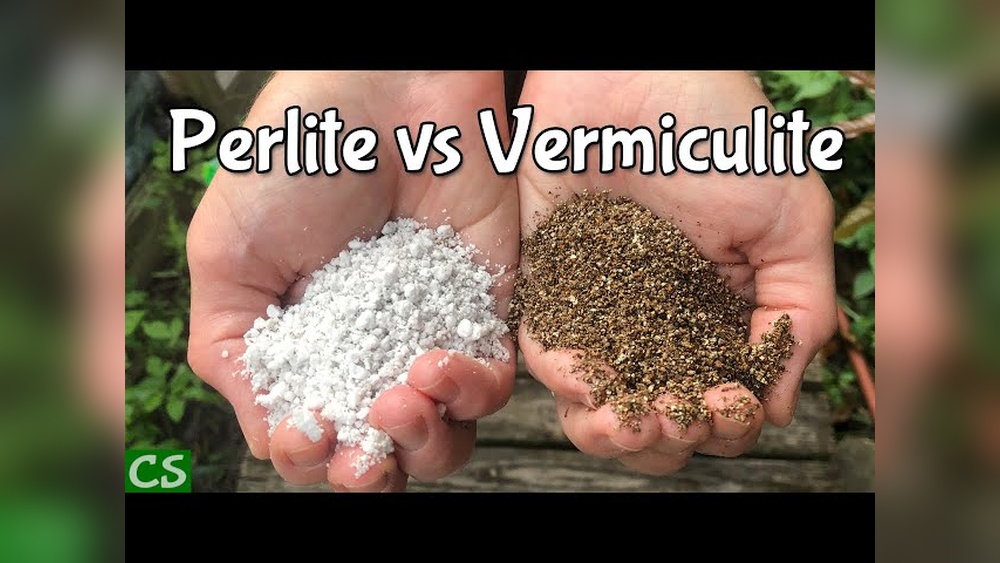
When you’re diving into gardening or potting mixes, you might have come across the terms vermiculite and perlite. At first glance, they seem quite similar—both are lightweight, white, and often tossed into soil to help plants grow better.
But are vermiculite and perlite actually the same thing? If you’re wondering which one to use for your plants or how they affect soil differently, you’re in the right place. Understanding the key differences can make a huge impact on your plant’s health and growth.
Keep reading, and you’ll soon know exactly when to choose vermiculite, when to pick perlite, and why it matters for your garden’s success.

Credit: www.supremeperlite.com
Vermiculite And Perlite Basics
Understanding the basics of vermiculite and perlite helps gardeners choose the right soil amendment. Both materials improve soil structure but differ in origin and properties. Knowing these differences supports better plant growth and soil health.
Origins And Composition
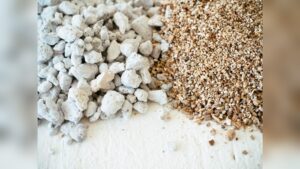
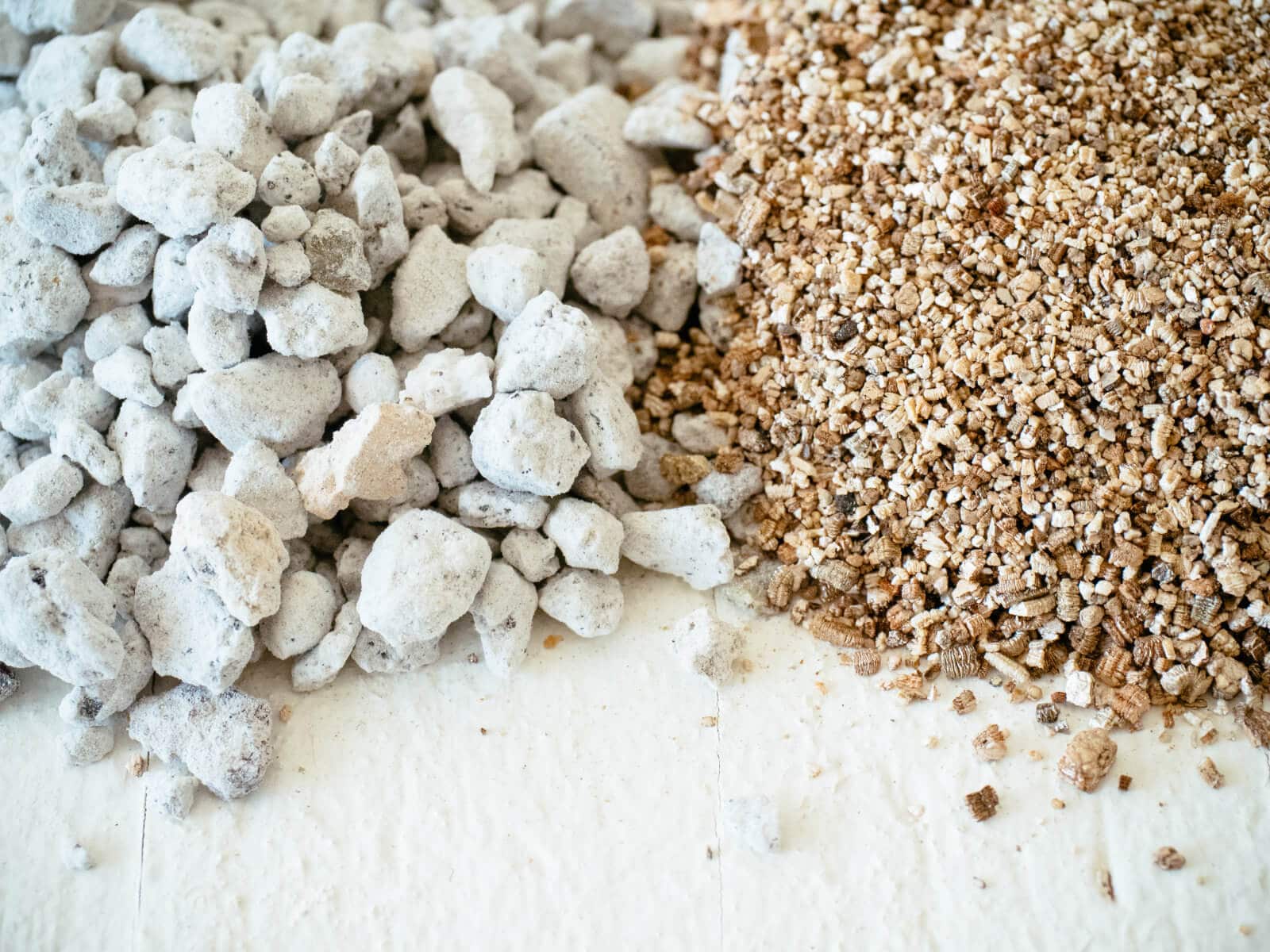
Vermiculite is a natural mineral. It forms from mica rocks when heated. This process causes it to expand and become lightweight. Perlite comes from volcanic glass. When heated, it also expands and becomes porous. Both are mined from the earth but have different sources.
Physical Properties
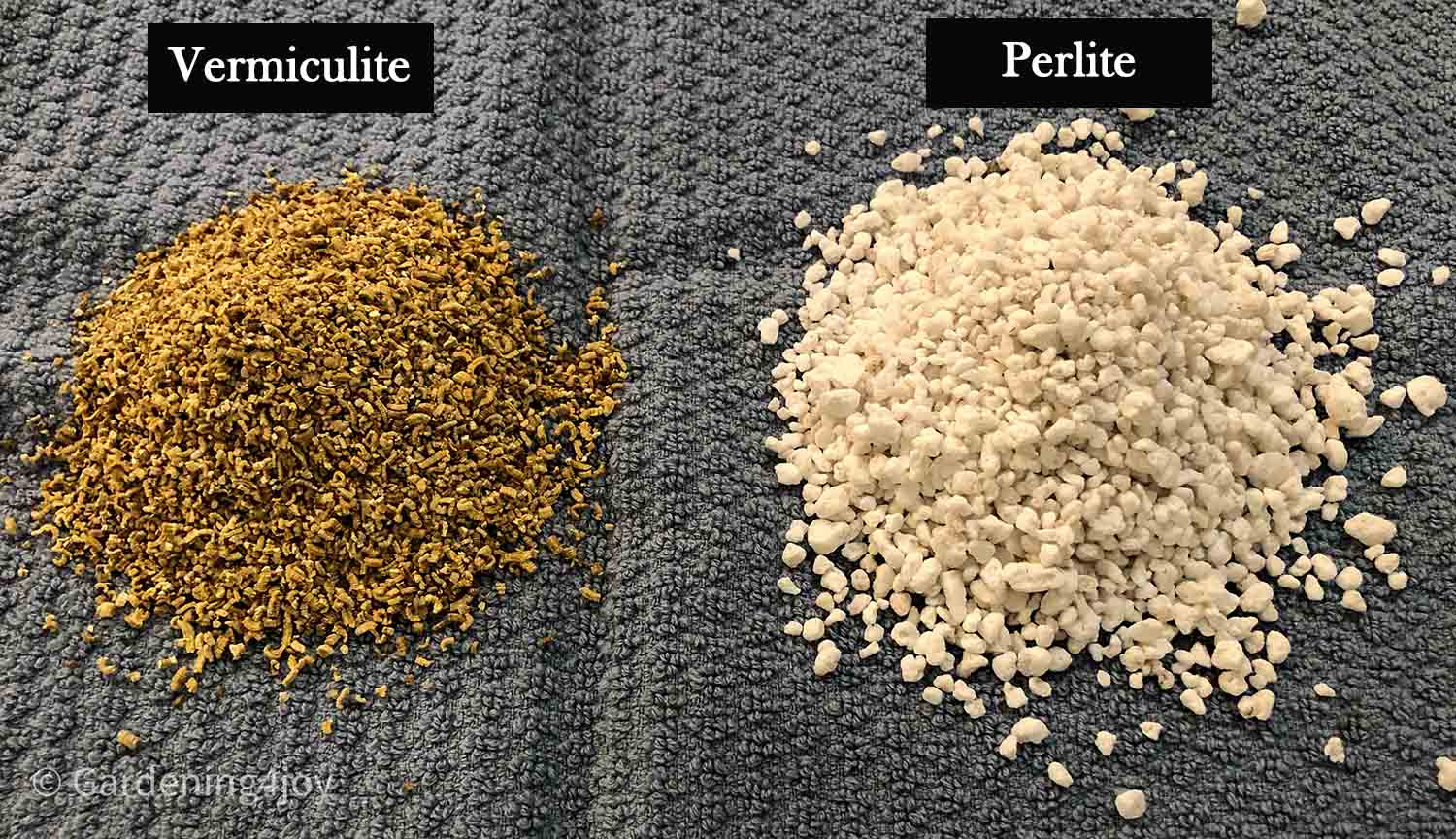
Vermiculite has a spongy texture. It holds water well and keeps nutrients in the soil. Perlite is white and looks like small, lightweight balls. It drains water quickly and adds air to the soil. These physical traits affect how each material benefits plants.
Water Retention And Drainage
Water retention and drainage play a big role in choosing the right soil amendment. Vermiculite and perlite both change how soil holds water and moves excess moisture. Knowing their differences helps pick the best option for plant health.
Moisture Holding Capacity
Vermiculite holds water well. It can absorb many times its weight in moisture. This makes it great for plants needing steady moisture. The tiny particles trap water and release it slowly. This keeps soil moist longer.
Perlite holds much less water. It mainly stores air inside its pores. This helps keep soil light and airy. Plants that prefer dry roots benefit from perlite. It lets water drain quickly and air circulate well.
Impact On Soil Drainage
Vermiculite slows drainage. It keeps water around roots for longer periods. This suits plants that like damp soil. But too much vermiculite can cause soggy soil and root rot.
Perlite improves drainage a lot. It creates spaces for water to flow through easily. This prevents water buildup and keeps roots from drowning. Perlite works well in potting mixes for fast-draining soil.
Aeration And Soil Structure
Aeration and soil structure play key roles in plant growth. They affect how roots breathe and absorb nutrients. Both vermiculite and perlite help improve these aspects but in different ways. Understanding their impact on soil and roots helps in choosing the right one for your plants.
Effect On Root Oxygenation
Perlite increases oxygen flow around roots by creating air pockets in the soil. Its porous, lightweight nature allows roots to get enough air. This reduces the risk of root rot and promotes healthy root growth. Vermiculite holds water and air but less air than perlite. It keeps roots moist but may reduce oxygen levels if overused.
Influence On Soil Texture
Perlite adds a coarse, gritty texture to the soil. It prevents soil compaction and improves drainage. This texture suits plants that need fast-draining soil. Vermiculite offers a soft, spongy feel and holds moisture well. It helps sandy soils retain water and nutrients. Using vermiculite changes soil to be more moisture-retentive and less airy.
Credit: www.gardening4joy.com
Best Uses In Gardening
Choosing between vermiculite and perlite depends on the gardening needs. Both materials improve soil quality but serve different purposes. Understanding their best uses helps plants grow healthy and strong. Each has unique qualities that benefit specific types of plants.
Ideal Plants For Vermiculite
Vermiculite holds water well and keeps soil moist longer. It is perfect for plants that need steady moisture. Seedlings and young plants thrive in vermiculite because it helps retain nutrients. Ferns love the moisture and gentle aeration vermiculite provides. Vegetables like lettuce and spinach benefit from the moisture retention. Houseplants that prefer humid conditions also do well with vermiculite. Avoid using vermiculite for plants that dislike wet soil, such as cacti and succulents.
Ideal Plants For Perlite
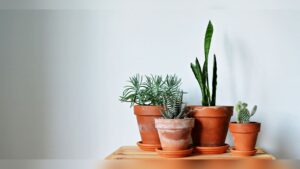
Perlite improves drainage and aerates the soil. It suits plants that need fast-draining soil to avoid root rot. Succulents and cacti grow best in soil mixed with perlite. Herbs like rosemary and thyme prefer the dry, airy conditions perlite creates. Orchids benefit from perlite’s ability to keep air around roots. Perlite is useful in potting mixes for plants needing less moisture. It helps prevent soil compaction and promotes healthy root growth.
Plants That Avoid Vermiculite
Some plants do not grow well with vermiculite in their soil. Vermiculite holds water for a long time. This can cause trouble for plants that need dry soil. These plants prefer soil that drains water fast. Knowing which plants avoid vermiculite helps in choosing the right soil mix.
Drought-tolerant Species
Cacti and succulents do not like vermiculite. They come from dry places and need soil that dries quickly. Vermiculite keeps too much moisture, which can cause their roots to rot. Agave and aloe vera are also sensitive to wet soil. They grow best in sandy or rocky soil with good drainage. Using perlite or pumice helps these plants stay healthy.
Reasons To Avoid Vermiculite
Vermiculite holds water and nutrients well. This is good for some plants but bad for others. Plants that need sharp drainage can suffer from root rot. Vermiculite can keep the soil too wet and dense. It also may trap moisture with materials like peat or coco coir. For plants prone to soggy roots, vermiculite is not a good choice.
Alternatives For Fast Drainage
Fast drainage is vital for many plants, especially succulents and cacti. Vermiculite holds moisture well but drains slowly, making it less ideal for these plants. Perlite offers better drainage but is not the only option. Several alternatives provide quick water flow and prevent root rot. Choosing the right material depends on your plant type and soil needs. Here are some common alternatives that improve drainage effectively.
Pumice Benefits
Pumice is a lightweight volcanic rock. It holds air and water well, balancing moisture and drainage. It does not break down quickly, lasting longer in soil. Pumice improves soil aeration, helping roots breathe. It is ideal for plants needing sharp drainage. Pumice also adds minerals to the soil. It works well in pots and garden beds alike. This makes pumice a strong choice for fast drainage.
Sandy Soil Use
Sandy soil drains quickly due to large particles. It prevents water from pooling around roots. Adding sand to potting mixes helps plants prone to root rot. Sandy soil suits drought-tolerant plants like succulents and cacti. It can be mixed with organic matter for nutrients. Avoid using heavy clay soil with sand alone. Sandy soil improves drainage and creates a dry environment. This is perfect for plants needing little water retention.
Weight And Application Considerations
Weight and application matter a lot in gardening choices. Both vermiculite and perlite are lightweight materials. Their lightness affects how gardeners use them. These materials help improve soil without adding heavy weight. Understanding their weight difference helps pick the right one. Each suits different gardening needs and spaces.
Lightweight Soil Amendments
Vermiculite and perlite weigh much less than soil or sand. This makes them perfect for mixing into potting soil. They improve aeration and water retention without making soil heavy. Vermiculite holds more moisture than perlite. Perlite drains faster and keeps soil loose. Both help roots grow healthy by improving soil texture. Their low weight is ideal for container plants and raised beds.
Use In Rooftop And Terrace Gardens
Gardens on rooftops and terraces need light soil mixes. Heavy soil can stress the structure of buildings. Vermiculite and perlite are safe choices for these gardens. They reduce the overall weight of soil while keeping plants healthy. Vermiculite adds moisture retention, which benefits rooftop gardens in dry weather. Perlite prevents waterlogging and improves drainage in pots. Both materials support growing plants in limited space and weight limits.
Credit: gardenbetty.com
Common Questions And Myths
Many gardeners wonder if vermiculite and perlite are the same. Both are popular soil additives but serve different purposes. This section clears up common questions and myths about these two materials. Understanding these facts helps you choose the right one for your plants.
Interchangeability In Use
People often ask if vermiculite and perlite can be swapped. They both lighten soil and improve aeration. Yet, vermiculite holds water well, while perlite drains quickly. Using vermiculite instead of perlite may cause soil to stay too wet. Some plants prefer one over the other. Cacti and succulents do better with perlite for fast drainage. Seedlings may benefit more from vermiculite’s moisture retention. Mixing both can balance water and air in soil.
Toxicity Concerns
Some worry about the safety of vermiculite and perlite. Vermiculite can contain asbestos if not properly processed. Most commercial vermiculite is safe and asbestos-free. Perlite is a natural volcanic glass and poses no asbestos risk. Both materials are non-toxic to plants and humans. Proper handling means wearing masks to avoid dust inhalation. Overall, these soil amendments are safe for gardening if sourced from reputable suppliers.
Frequently Asked Questions
Can You Use Vermiculite Instead Of Perlite?
Yes, you can use vermiculite instead of perlite, but vermiculite retains more moisture. Perlite improves drainage and aeration better. Choose vermiculite for moisture-loving plants and perlite for drought-tolerant species needing fast drainage.
What Plants Do Not Like Vermiculite?
Plants like cacti, succulents, agave, and aloe vera dislike vermiculite. They need fast-draining soil and dry conditions. Vermiculite retains too much moisture, increasing root rot risk. Use perlite, pumice, or sandy soil instead for these drought-tolerant plants.
What Are The Downsides Of Perlite?
Perlite can dry out quickly, requiring frequent watering. It may float to the surface when overwatered. Dust from perlite can irritate lungs and eyes during handling. It offers limited nutrient retention, so plants need regular feeding. Perlite’s lightweight nature may cause instability in larger pots.
When Should You Use Vermiculite?
Use vermiculite in seed starting, potting mixes, and soil needing moisture retention and aeration. Avoid for drought-tolerant plants.
Conclusion
Vermiculite and perlite serve different purposes in gardening. Vermiculite holds water well and helps retain moisture. Perlite improves soil drainage and aeration. Choosing between them depends on your plant’s needs. Use vermiculite for moisture-loving plants. Use perlite for plants needing quick drainage.
Both can improve soil but are not the same. Understanding their differences helps your plants grow healthy. Choose wisely to create the best environment for your garden.