
How to Wrap Pothos on Moss Pole: Easy Steps for Lush Growth
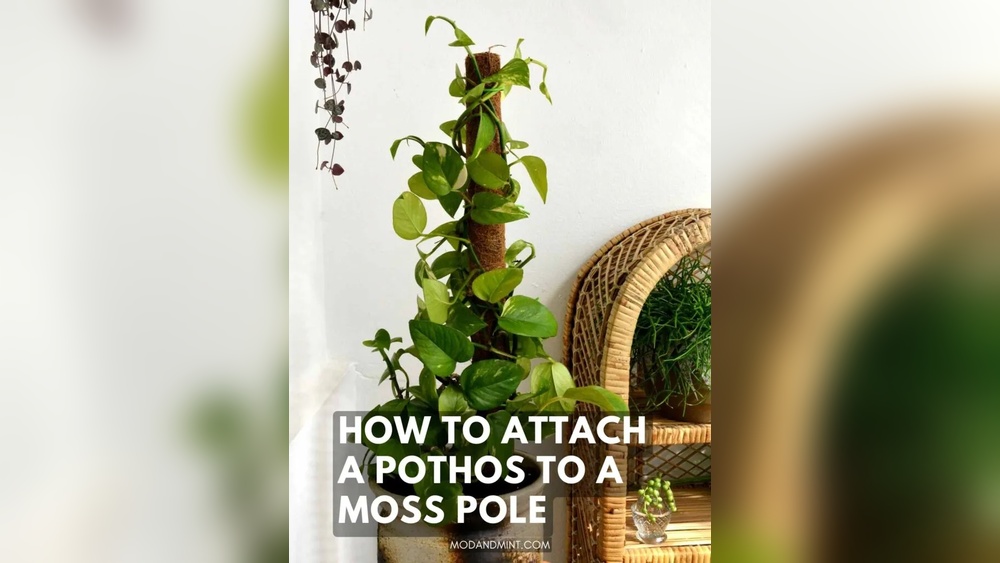
If you want your pothos to grow fuller and healthier, wrapping it on a moss pole is a game changer. But how do you do it without hurting your plant or making a mess?
You’re about to discover simple, effective steps to guide your pothos up a moss pole, encouraging strong growth and those lush, trailing vines you love. Whether you’re a beginner or just looking to improve your plant care routine, this guide will show you exactly how to wrap your pothos with ease and confidence.
Credit: www.reddit.com
Choosing The Right Moss Pole
Choosing the right moss pole is crucial for healthy pothos growth. The pole supports the plant as it climbs and helps aerial roots attach firmly. Picking the correct pole ensures your pothos thrives and looks beautiful. Consider the type, size, and material carefully.
Types Of Moss Poles
There are several types of moss poles available. Coconut coir poles are popular and hold moisture well. Sphagnum moss poles offer excellent water retention, which helps aerial roots grow. Some poles combine materials for extra durability. Choose a type that suits your care routine and environment.
Size And Height Considerations
Pick a moss pole tall enough for your pothos to climb comfortably. The pole should be slightly taller than the plant’s current height. A pole that is too short limits growth and support. Consider future growth to avoid frequent replacements. The thickness of the pole matters for stability. Thicker poles provide better support for larger plants.
Materials And Durability
Material quality affects how long your moss pole lasts. Natural materials like coconut fiber and sphagnum moss absorb water and encourage root growth. Plastic or metal poles wrapped in moss last longer but may not hold moisture well. Check the pole’s frame to ensure it resists bending or breaking. A durable pole means less frequent replacement and better plant support.

Credit: www.reddit.com
Preparing Your Pothos Plant
Before wrapping your pothos on a moss pole, preparation is key. Healthy vines and proper trimming help the plant climb well. Understanding aerial roots is essential for good attachment. This section guides you through readying your pothos for a moss pole.
Selecting Healthy Vines
Choose vines that look strong and green. Avoid yellow or brown leaves. Pick vines with firm stems and no signs of pests. Healthy vines will grow better on the moss pole.
Trimming And Pruning Tips
Trim dead or damaged leaves carefully. Cut back long vines to encourage fuller growth. Use clean scissors to avoid infections. Pruning helps the plant focus energy on climbing and attaching to the pole.
Identifying Aerial Roots
Look for small roots growing from the vine’s stem. These roots are usually brown or white. Aerial roots help the pothos cling to the moss pole. Position these roots close to the moss for better grip.
Setting Up The Moss Pole
Setting up a moss pole correctly is the first step to support your pothos plant. A well-prepared pole encourages healthy growth and helps the plant climb naturally. Follow simple steps to ensure the moss pole stays secure and moist for your pothos to thrive.
Positioning The Pole In The Pot
Place the moss pole in the center of the pot. It can be before or after adding the plant. Position it so the aerial roots of the pothos will face the pole. This helps the roots grab onto the moss easily. Backfill soil gently around the base without pressing too hard. This keeps the pole stable and the roots safe.
Securing The Pole Firmly
Use soft ties, twine, or velcro to attach the main stem of the pothos to the pole. Avoid tight knots that can hurt the plant. The ties should hold the stem gently but firmly. Make sure the aerial roots touch the moss for better attachment. Check the ties regularly and adjust as the plant grows.
Moistening The Moss
Keep the moss on the pole moist but not soaking wet. Use a spray bottle to mist the moss regularly. Moist moss helps the aerial roots stick and grow inside the pole. Dry moss will not support root growth well. Monitor moisture often, especially in dry indoor air. This step is key to a healthy climbing pothos.
Wrapping Pothos Around The Pole
Wrapping pothos around a moss pole helps the plant grow tall and healthy. It supports the vines and encourages aerial roots to attach and absorb moisture. A well-wrapped pothos looks neat and thrives better indoors.
Use gentle techniques to guide the plant upward without harming the stems. Proper alignment and support make a big difference in growth and appearance.
Guiding Vines Upward
Start by placing the moss pole close to the plant’s main stem. Slowly wrap the vines around the pole, moving upward. Hold the vine gently and curve it to follow the pole’s shape. Avoid forcing the vines, as this can break them. Move one vine at a time to keep control and avoid tangles.
Aligning Aerial Roots With Moss
Look for aerial roots along the pothos vines. These roots need contact with the moss to grow well. Position the aerial roots so they touch the moss surface. This encourages them to stick and absorb moisture. Keep the moss moist to help the roots attach faster. Check regularly to ensure the roots stay in place.
Using Soft Ties And Clips
Use soft ties or plant clips to secure the vines to the moss pole. Choose materials like garden twine, soft string, or velcro strips. Tie gently to avoid squeezing the stems. Space the ties evenly along the vine to keep it stable. Clips can hold vines without damaging them. Replace ties as the plant grows to prevent damage.
Maintaining The Moss Pole And Plant
Maintaining the moss pole and your pothos plant is essential for healthy growth. A well-kept moss pole supports the plant and helps it climb naturally. Regular care ensures the moss stays fresh and the plant stays secure and vibrant.
Simple steps like keeping the moss moist, adjusting ties, and encouraging new growth help your pothos thrive on the pole.
Keeping Moss Moist
Moist moss helps aerial roots attach and absorb water. Spray the moss pole with water every few days. Avoid soaking it to prevent mold. Check the moss regularly. If it feels dry, add more water gently. Moist moss creates a perfect environment for your pothos.
Regularly Adjusting Ties
As your pothos grows, its stems will get thicker and longer. Loosen or replace ties often to avoid cutting into the stems. Use soft materials like string or velcro for tying. Secure the plant gently to prevent damage. Regular adjustments support healthy growth and keep the plant stable on the pole.
Encouraging New Growth
Train new vines to climb the pole by guiding them toward the moss. Pinch off any yellow or damaged leaves to focus energy on new shoots. Provide bright, indirect light for best results. Fertilize your pothos once a month during growing seasons. Healthy care encourages lush, upward growth on the moss pole.
Troubleshooting Common Issues
Growing pothos on a moss pole can sometimes bring challenges. These issues can slow growth or harm the plant. Knowing how to fix common problems helps keep your pothos healthy and strong. Below are some easy tips to solve frequent troubles.
Dealing With Loose Vines
Loose vines do not climb the moss pole well. Use soft ties or velcro strips to gently secure vines. Avoid tight knots to prevent damage. Check ties weekly and adjust as the plant grows. Encourage aerial roots to touch the moss for better grip. Reposition vines carefully to keep them supported.
Preventing Mold And Rot
Moist moss can cause mold or rot if not managed. Water the moss pole only when dry to the touch. Ensure good air circulation around the plant and pole. Remove any yellow or soft leaves immediately. Use a small fan or open windows to reduce humidity. Avoid overwatering the soil to keep roots healthy.
Handling Slow Growth
Slow growth may result from low light or poor nutrients. Place your pothos in bright, indirect light for best results. Feed the plant with a balanced fertilizer every 4-6 weeks during growing seasons. Check the moss pole moisture; dry moss can stress roots. Trim old or leggy vines to promote new shoots. Patience is key; growth improves over time with care.
Benefits Of Moss Poles For Pothos
Moss poles offer many benefits for your pothos plant. They provide a natural structure for the vines to climb. This support mimics the plant’s natural habitat. Using moss poles encourages healthy growth and keeps the plant strong. Below are key benefits of using moss poles for pothos.
Promoting Lush Growth
Moss poles help pothos grow bigger and fuller. The vines can climb upward instead of sprawling. Climbing supports allow leaves to get more light. This leads to thicker, greener foliage. The aerial roots attach to the moss, absorbing moisture and nutrients. This boosts overall plant health and growth speed.
Improving Air Circulation
Raising the pothos off the soil improves air flow. Better air circulation reduces risk of mold and pests. It also helps the leaves dry faster after watering. Good airflow keeps the plant fresh and healthy. Moss poles create space between leaves and soil, allowing the plant to breathe.
Enhancing Aesthetic Appeal
Moss poles give pothos a neat, vertical shape. The plant looks more organized and elegant. This vertical growth saves space and fits well in small rooms. The green moss adds a natural, earthy touch to your display. A moss pole makes your pothos a beautiful focal point in any room.
Diy Moss Pole Ideas
DIY moss poles give your pothos strong support and a natural look. Making your own moss pole saves money and adds a personal touch. You can use simple materials and easy steps to create a moss pole that fits your style.
These ideas help your pothos grow healthy and climb beautifully. Each method encourages aerial roots to grab onto the pole and thrive.
Using Natural Materials
Use coconut coir or sphagnum moss as the main covering for the pole. These materials hold moisture well and feel soft to the plant roots. Wrap the moss tightly around a wooden stake or bamboo stick. Secure it with twine or plant tape. Natural materials keep the pole eco-friendly and help your pothos grow better.
Creative Wrapping Techniques
Try weaving jute rope or raffia around the pole for a rustic look. Create a spiral or crisscross pattern to add texture. You can also layer moss and wrap it with burlap strips. These designs give the pole a unique appearance and provide more places for roots to attach. Experiment with colors and materials for a creative touch.
Cost-effective Alternatives
Use old cardboard tubes or PVC pipes as the pole base. Wrap them with moss, coconut fiber, or even felt fabric. Recycle materials like scrap wood or sticks as support. These options reduce cost and use items you already have. Even simple sticks tied together can work well with some moss wrapped around.

Credit: www.gardenstead.com
Conclusion
Wrapping pothos on a moss pole helps the plant grow strong and tall. Keep the pole moist to support root attachment. Use soft ties to secure stems without damage. Guide the vines gently as they climb upward. This simple method creates a healthy, beautiful pothos display.