How to Watering Snake Plant: Ultimate Guide for Thriving Greens
If you want your snake plant to thrive, knowing how to water it properly is key. Overwatering or underwatering can quickly harm this hardy plant, leaving you frustrated and worried.
But don’t worry—getting the watering right isn’t as tricky as it seems. By understanding the best techniques and timing, you’ll help your snake plant grow strong and beautiful. Ready to become confident in caring for your snake plant? Keep reading to learn simple, effective watering tips that will keep your plant healthy and vibrant.
Water Needs Of Snake Plants
Snake plants are hardy and easy to care for. Their water needs are simple but specific. Understanding how much water they require keeps them healthy and vibrant. Overwatering or underwatering can harm these resilient plants. Knowing the right moisture level ensures your snake plant thrives.
Ideal Moisture Levels
Snake plants prefer dry soil between waterings. The top inch of soil should feel completely dry before watering again. Watering too often causes root rot. Water slowly and deeply, allowing excess to drain out. Well-draining soil helps prevent water buildup. These plants store water in their leaves, so they need less frequent watering than other houseplants.
Signs Of Overwatering
Yellowing leaves often indicate too much water. Soft, mushy stems also show overwatering damage. Roots may rot and smell foul if soil stays wet. Leaves can become limp and droopy. Overwatering weakens the plant and invites pests. Reduce watering if you see these signs. Allow soil to dry out completely before watering again.
Signs Of Underwatering
Dry, curling leaves usually mean the plant is thirsty. Brown leaf tips and edges are common signs. Leaves may look wrinkled or shriveled. Growth slows down when the plant lacks water. If soil pulls away from pot edges, it is too dry. Water the plant thoroughly to revive it. Keep a regular watering schedule to avoid underwatering.
Bottom Watering Method
The bottom watering method is an excellent way to hydrate your snake plant. It allows the roots to absorb water slowly and evenly. This method helps avoid common problems like root rot or leaf damage caused by overwatering or wet leaves.
Snake plants are tough, but they prefer their soil to dry out between waterings. Bottom watering helps keep the soil moist without overdoing it. This technique is simple and effective for maintaining a healthy plant.
How To Bottom Water
Fill a shallow tray or basin with water. Place the snake plant pot in the tray. Make sure the pot has drainage holes. Let the plant sit for 15 to 30 minutes. The soil will soak up water from the bottom. Remove the pot and drain any excess water. Return the pot to its usual spot.
Benefits Of Bottom Watering
Bottom watering stops water from sitting on the leaves. This reduces the risk of leaf rot and fungal diseases. It also encourages roots to grow deeper. The water spreads evenly through the soil. This keeps the root ball hydrated without overwatering. It helps maintain the right moisture level for snake plants.
Common Mistakes To Avoid
Don’t leave the pot sitting in water too long. Excess water can cause root rot. Avoid watering too often; snake plants need dry soil between waterings. Don’t water if the soil is still moist. Make sure the pot has drainage holes. Without drainage, roots can stay soggy and unhealthy.
Top Watering Method
The top watering method is a common way to hydrate your snake plant. It involves pouring water directly onto the soil surface. This method requires care to avoid overwatering and harming the plant. Proper technique helps keep the plant healthy and prevents common problems like root rot.
Proper Top Watering Technique
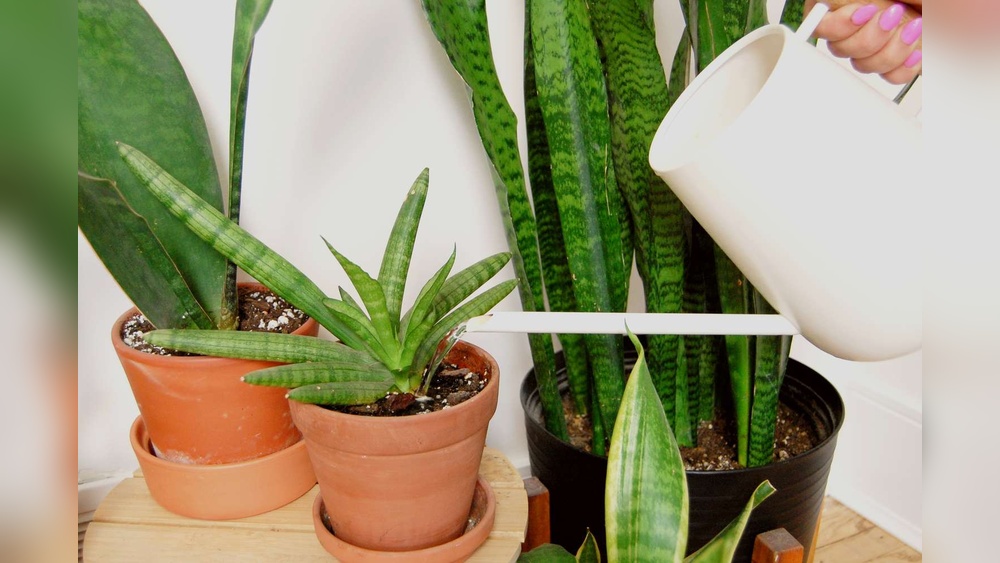
Use a watering can with a narrow spout for better control. Pour water slowly and evenly over the soil. Stop when water starts to drain from the bottom. This means the roots have enough water. Avoid flooding the soil to prevent root damage. Water only when the top inch of soil feels dry. This prevents excess moisture and keeps the plant healthy.
Avoiding Water On Leaves
Do not let water sit on the snake plant’s leaves. Wet leaves can cause rot and fungal infections. Aim water directly at the soil surface. Tilt the pot slightly if needed to avoid splashing. Wipe any water droplets on leaves quickly with a dry cloth. Keeping leaves dry helps the plant stay strong and vibrant.
Flushing Soil Salts
Occasionally flush the soil to remove salt buildup. Salt comes from fertilizers and tap water. Pour a large amount of water through the soil. Let water drain completely to wash away salts. Do this every few months to keep the soil fresh. Flushing prevents toxic buildup that can harm roots and stunt growth.
Watering Frequency
Watering frequency plays a key role in keeping your snake plant healthy. This plant does not need frequent watering. Overwatering can cause root rot and damage. Knowing how often to water depends on several factors. Adjusting your watering schedule helps your plant thrive.
Seasonal Adjustments
Snake plants need less water in winter. They grow slower and use less moisture. Watering once every 3 to 4 weeks works well then. During spring and summer, water more often. About every 2 to 3 weeks is good. Watch for signs of dryness in the soil before watering.
Influence Of Environment
Temperature and humidity affect watering needs. Hot, dry rooms cause faster soil drying. Water your snake plant more often in these conditions. Cooler, humid spaces slow down soil drying. Water less frequently there to avoid soggy soil. Indoor plants near heaters or vents need careful monitoring.
Checking Soil Dryness
Test the soil before watering. Stick your finger 1 to 2 inches deep. If soil feels dry, it is time to water. If soil is still moist, wait a few days. This simple step prevents overwatering. Well-draining soil helps keep roots healthy and dry.
Water Quality And Temperature
Water quality and temperature play a key role in keeping your snake plant healthy. Poor water can harm its roots. Water that is too cold or too hot can shock the plant. Choosing the right water and temperature helps your snake plant grow strong.
Using Tap Water Safely
Tap water is often the easiest option. Let it sit for 24 hours before use. This allows chlorine to evaporate. If your tap water is very hard, use filtered or rainwater. Hard water can cause buildup in the soil. Always check if your water has any strong odors or colors.
Ideal Water Temperature
Room temperature water is best. Cold water can slow root growth. Hot water may damage roots quickly. Use water that feels neither hot nor cold to your skin. This helps the plant absorb water smoothly. Avoid watering right after cold nights or hot days.
Avoiding Harmful Chemicals
Some tap water contains chemicals like fluoride or chlorine. These can build up and harm your snake plant. Use a water filter to remove harmful substances. Collect rainwater for a natural alternative. Avoid softened water, as it often contains salt. Always aim for clean, chemical-free water to keep your plant happy.

Credit: www.youtube.com
Soil And Drainage Tips
Proper soil and drainage play a key role in watering your snake plant correctly. Using the right soil and pot helps the plant stay healthy. It prevents water from sitting too long, which can harm the roots.
Choosing Well-draining Soil
Pick soil that drains water quickly. A mix with sand, perlite, or cactus soil works well. This type of soil stops water from pooling around the roots. It also keeps the soil light and airy. Avoid heavy garden soil that holds too much water.
Pot Selection For Drainage
Select a pot with drainage holes at the bottom. These holes let extra water escape easily. Pots made from terracotta or clay are great choices. They allow air to flow through the pot walls. Avoid pots without drainage, as water can collect and cause damage.
Preventing Root Rot
Root rot happens when roots stay wet too long. To prevent this, water the snake plant only when soil feels dry. Let water drain fully after watering. Remove any standing water in the saucer. Keeping soil dry between watering stops root rot and keeps your plant strong.
Common Watering Mistakes
Watering a snake plant might seem easy, but many people make common mistakes. These mistakes can harm the plant’s health over time. Understanding these errors helps keep your plant strong and beautiful.
Overwatering Consequences
Snake plants store water in their leaves, so they need less water. Overwatering causes roots to stay wet too long. This leads to root rot, a deadly condition for the plant. Leaves may turn yellow or mushy. The soil might smell bad or feel soggy. Avoid watering too often to prevent these problems.
Underwatering Effects
Underwatering also harms snake plants. The leaves may dry out or curl at the edges. Growth slows down, and the plant looks weak. The soil will feel very dry and pull away from the pot’s sides. While snake plants tolerate drought, they still need some water. Water just enough to keep the soil lightly moist.
Misinterpreting Plant Signals
Snake plants show signs when they need water or rest. Yellow leaves can mean overwatering. Brown tips usually mean underwatering or low humidity. Wilting may confuse beginners; it can mean either too much or too little water. Check the soil before watering. Learn the plant’s usual signals to avoid mistakes.
Additional Care Tips
Taking care of your snake plant goes beyond just watering. Proper light, humidity, and feeding help the plant thrive. These factors support healthy growth and keep your plant strong. Follow these simple tips to give your snake plant the best environment.
Light Requirements
Snake plants grow well in bright, indirect light. They can also survive in low light areas. Avoid direct sunlight, which can burn the leaves. Place your plant near a window with filtered light. Rotate the pot occasionally for even growth.
Humidity Considerations
Snake plants prefer dry to moderate humidity. They do not need misting or extra humidity. High humidity can cause root rot and leaf problems. Keep the plant in a well-ventilated room. Avoid placing it near humidifiers or bathrooms.
Fertilizing For Growth
Feed your snake plant during spring and summer. Use a balanced, diluted houseplant fertilizer once a month. Avoid over-fertilizing, which can harm the roots. Stop feeding in fall and winter when growth slows. Proper feeding helps the plant stay vibrant and healthy.
Credit: www.reddit.com
Frequently Asked Questions
How Much Water Does A Snake Plant Need?
Snake plants need watering every 2-6 weeks. Let soil dry completely between waterings to prevent root rot. Use well-draining soil.
Should You Water A Snake Plant From The Top Or The Bottom?
Water snake plants from the bottom to keep leaves dry and prevent rot. Pour water into the saucer, allowing roots to absorb moisture. If watering from the top, pour directly on soil, avoiding leaves, and ensure excess water drains well to prevent overwatering.
Do Snake Plants Need Sunlight?
Snake plants thrive in indirect sunlight but tolerate low light well. Avoid direct, harsh sunlight to prevent leaf burn.
How Do I Tell If I Overwatered My Snake Plant?
Yellowing, mushy leaves and a foul smell indicate overwatering your snake plant. Soil stays wet too long. Roots may rot.
Conclusion
Watering your snake plant carefully keeps it healthy and strong. Use bottom watering to protect leaves from rot. Let the soil dry fully before watering again. Avoid letting water sit in the pot’s tray. Occasionally, flush the soil by watering from the top.
Watch your plant for signs of too much or too little water. With simple care, your snake plant will thrive and brighten your space. Keep these easy tips in mind for happy, growing plants.