How to Watering Indoor Plants: Expert Tips for Lush Growth
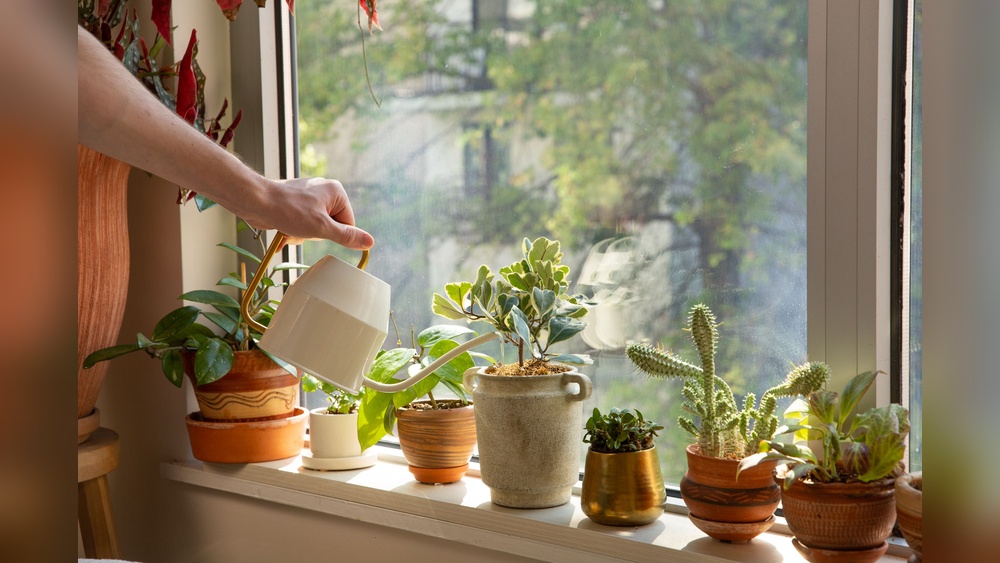
Are you wondering why your indoor plants aren’t thriving despite your efforts? The secret often lies in how you water them.
Watering indoor plants may seem simple, but doing it wrong can cause more harm than good—leading to droopy leaves, root rot, or even plant death. Imagine turning your home into a lush green oasis where every leaf looks vibrant and healthy.
You can achieve this by mastering just a few easy watering techniques. In this guide, you’ll discover the best ways to water your indoor plants, how often to do it, and the mistakes to avoid—helping your plants flourish like never before. Ready to become your plants’ favorite caretaker? Let’s dive in!
Watering Basics
Watering indoor plants correctly is vital for their health and growth. Understanding the basics helps avoid common mistakes like overwatering or underwatering. Proper watering supports strong roots and vibrant leaves. Follow simple steps to ensure your plants receive the right amount of water.
Check Soil Moisture
Insert your finger about two inches into the soil. If it feels moist, wait before watering. If the soil is dry at this depth, it’s time to water. This simple test prevents overwatering, which can harm roots. Different plants may need different moisture levels.
Water Deeply
Water plants slowly and thoroughly until water comes out the pot’s drainage holes. This ensures the entire root system gets moisture. Shallow watering encourages weak roots and poor growth. Deep watering helps roots grow strong and healthy.
Drain Excess Water
Empty any water collected in the saucer under the pot. Standing water can cause root rot and fungal problems. Good drainage keeps roots healthy and prevents disease. Always use pots with drainage holes to allow excess water to escape.
Credit: www.gardeningknowhow.com
Watering Techniques
Watering indoor plants correctly helps them stay healthy and vibrant. Using the right techniques ensures water reaches the roots without causing damage. Different plants may need different watering methods. Understanding these techniques helps avoid common mistakes like overwatering or underwatering. Here are some effective ways to water your indoor plants.
Top Watering
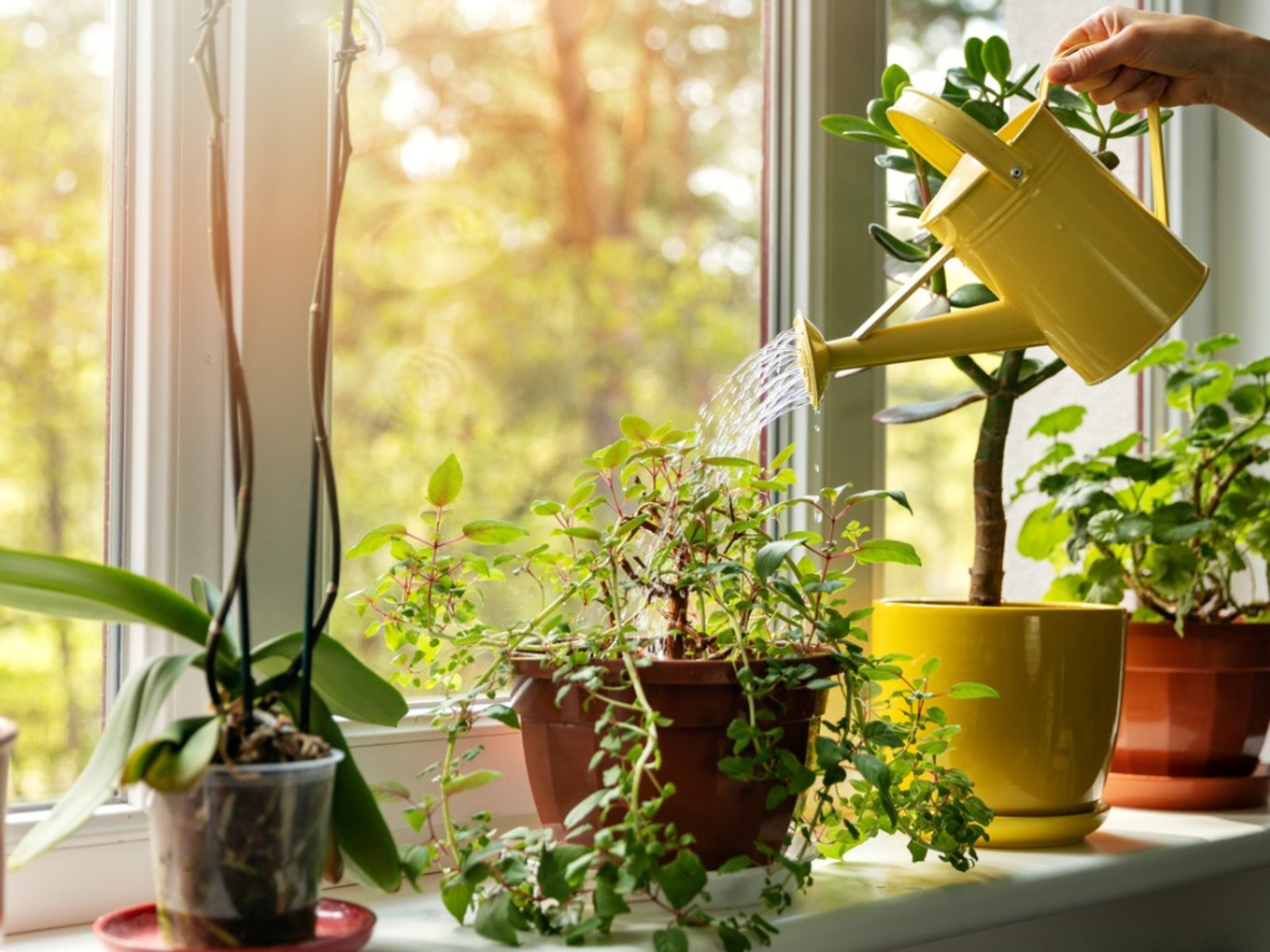
Top watering means pouring water on the soil surface. It mimics natural rain. Water slowly to let it soak in. Avoid wetting the leaves to prevent mold or disease. Use a watering can with a narrow spout for control. Stop watering when water starts to drain from the pot’s bottom.
Bottom Watering
Bottom watering involves placing the pot in a shallow tray of water. The soil absorbs water through the drainage holes. Let the plant sit for about 15-30 minutes. Remove the pot when the soil surface feels moist. This method prevents water on leaves and reduces root rot risk. It works well for plants sensitive to wet foliage.
Let Plants Drain
Always let plants drain excess water after watering. Drainage prevents water from pooling and causing root rot. Use pots with drainage holes for proper water flow. After watering, place pots on a tray or saucer to catch extra water. Empty the tray regularly to keep roots healthy and soil aerated.
Watering Frequency
Watering frequency is key to keeping indoor plants healthy. Too much water causes root rot. Too little water makes plants dry and weak. Each plant needs a different watering schedule. Understanding what affects watering frequency helps you give the right amount of water each time.
Seasonal Changes
Plants need more water in spring and summer. They grow faster and use more moisture. In autumn and winter, growth slows down. Plants need less water during these cold months. Adjust your watering to match the season. This helps prevent overwatering and underwatering.
Light Exposure
Plants in bright light need water more often. Sunlight makes soil dry faster. Low light plants need less water. Check the soil often in sunny spots. Water only when the top soil feels dry. This keeps plants happy without wasting water.
Pot Size And Material
Small pots dry out faster than large ones. They hold less soil and water. Clay pots absorb water and dry out quickly. Plastic pots keep moisture longer. Choose pot size and material carefully. Water according to how fast the soil dries in your pot.
Common Watering Mistakes
Watering indoor plants seems simple but many people make common mistakes. These errors can harm plant health and stunt growth. Understanding these mistakes helps keep plants healthy and thriving.
Overwatering Risks
Overwatering is the most common mistake. Too much water causes root rot. Roots need air to breathe and too much water blocks oxygen. Overwatered plants may have yellow leaves and soft stems. Soil that stays wet for a long time damages roots. Always check soil moisture before watering.
Underwatering Signs
Underwatering is also harmful. Plants look wilted and dry if they lack water. Leaves may turn brown and drop off. Soil pulls away from the pot edges when too dry. Some plants can survive short dry spells but long periods without water cause stress. Water plants deeply to reach all roots.
Uneven Water Distribution
Uneven watering happens when water only wets part of the soil. This leaves roots in dry spots, causing uneven growth. Always water slowly and evenly. Use a watering can with a narrow spout for control. Make sure water drains from all sides of the pot.
Adjusting Watering For Plant Types
Water needs vary greatly among indoor plants. Adjusting watering by plant type prevents common problems like root rot or dryness. Understanding each plant’s preference helps it thrive and stay healthy.
Some plants need less water, while others require consistent moisture. Knowing these differences guides your watering routine and keeps your plants happy.
Succulents And Cacti
Succulents and cacti store water in their leaves and stems. They need less frequent watering than most plants. Let the soil dry completely before watering again. Overwatering causes root rot in these types. Use well-draining soil and pots with drainage holes. Water deeply but infrequently, about every two to three weeks.
Tropical Plants
Tropical plants prefer moist soil but not soggy. Water when the top inch of soil feels dry. They thrive in humid environments, so misting leaves helps. These plants need more water during warm months and less in cooler months. Avoid letting water sit in the saucer to prevent root damage.
Flowering Varieties
Flowering plants require regular watering to support blooms. Keep the soil evenly moist but not soaked. Check soil moisture more often during flowering periods. Water at the base to avoid wetting the flowers and leaves. Proper watering promotes vibrant blooms and healthy growth.
Credit: plantperfect.com
Tools To Help Watering
Watering indoor plants can be easier with the right tools. These tools help you give plants the exact water they need. They save time and avoid overwatering or underwatering. Using tools also makes plant care more enjoyable and successful.
Moisture Meters
Moisture meters measure the wetness of the soil. Insert the probe into the soil to get a quick reading. This tool tells if the plant needs water or not. It helps prevent watering too soon or too late. Moisture meters are simple and very useful for beginners.
Self-watering Pots
Self-watering pots have a built-in water reservoir. The plant absorbs water slowly from the bottom. These pots keep soil moisture balanced for longer periods. They reduce the need to water daily. Self-watering pots are perfect for busy people or forgetful waterers.
Watering Cans With Spouts
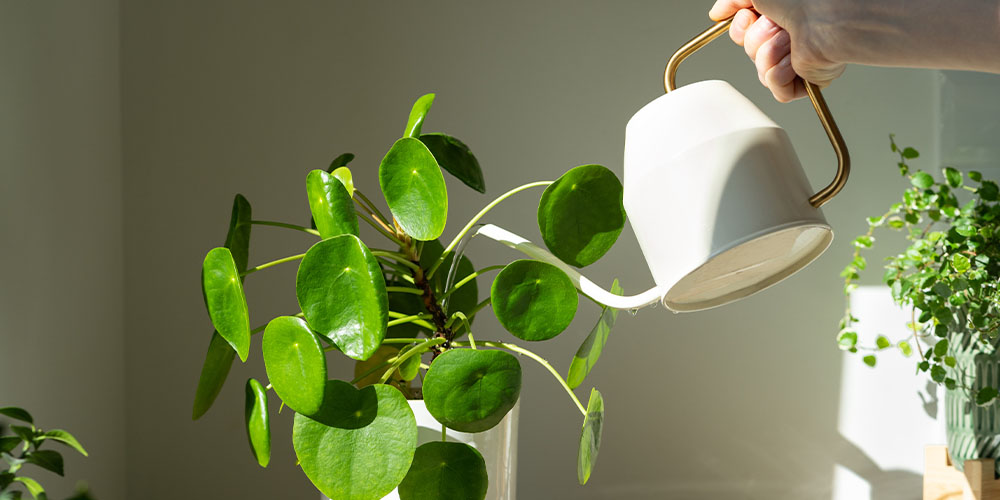
Watering cans with narrow spouts give precise water control. The spout directs water to the soil, not the leaves. This avoids plant diseases caused by wet leaves. These cans make watering less messy and more efficient. Choose a size that fits your plant collection and reach.
Tips For Healthy Growth
Watering indoor plants correctly supports their healthy growth. Simple steps help your plants thrive and stay green. These tips focus on routine, drainage, and avoiding water stress. Follow these easy guidelines for stronger, happier plants.
Consistent Routine
Water your plants on a regular schedule. Plants like stability and predictability. Check soil moisture before watering to avoid overwatering. Use the finger test by inserting your finger about two inches into the soil. Water only when the top soil feels dry. Adjust frequency based on season and plant type.
Proper Drainage
Good drainage prevents root rot and keeps plants healthy. Use pots with drainage holes to let excess water escape. Place a saucer under the pot to catch water but empty it after watering. Avoid letting plants sit in standing water. Well-drained soil helps roots breathe and grow strong.
Avoiding Water Stress
Water stress harms plant growth and causes leaf damage. Too little water makes leaves wilt and dry out. Too much water drowns roots and invites disease. Water deeply so it reaches all roots but allow soil to dry between watering. Watch your plants closely to catch early signs of stress.
Frequently Asked Questions
How To Water Indoor Plants Correctly?
Water indoor plants deeply until water drains from the pot’s bottom. Let soil dry 1-2 inches before watering again. Adjust frequency by plant type, light, and season. Avoid overwatering to prevent root rot. Use the finger test to check soil moisture.
How Often Should I Water An Indoor Plant?
Water indoor plants once or twice a week during spring and summer. Let the top 2 inches of soil dry before watering again. Water less in autumn and winter. Adjust frequency based on plant type, pot size, and light exposure for best results.
What Are The Three Rules Of Watering?
Water deeply until excess drains from the pot. Let the top soil dry before watering again. Adjust frequency by plant type, light, and season.
What Is The 1/2/3/2:1 Watering Method?
The 1/2/3/2:1 watering method means watering plants in a sequence: one part, two parts, three parts, two parts, then one part. This pattern helps balance moisture, promoting healthy growth and preventing overwatering or underwatering.
Conclusion
Watering indoor plants properly keeps them healthy and strong. Always check soil moisture before watering again. Water deeply until it drains from the pot’s bottom. Avoid watering too often; let the soil dry out a bit. Different plants need different amounts of water.
Adjust watering based on light and season changes. Use these simple tips to help your plants thrive. Healthy plants brighten any indoor space. Keep learning and enjoy your green friends!