How to Water a Moss Pole: Expert Tips for Lush Plant Growth
If you’ve ever struggled to keep your climbing plants happy and healthy, you know that a moss pole can make all the difference. But here’s the catch: watering a moss pole isn’t as simple as just pouring water on it.
If you don’t get it right, your moss pole can dry out or become soggy, leaving your plant struggling to grow. You want your plant’s aerial roots to cling tightly and thrive, and that means learning exactly how to water your moss pole the right way.
Keep reading, because in this guide, you’ll discover simple, effective techniques to keep your moss pole perfectly moist without overwatering. Your plants will thank you!
Benefits Of Watering Moss Poles
Watering moss poles offers several important benefits for your climbing plants. It helps create a better environment for roots and supports overall plant growth. Keeping the moss pole moist encourages your plant to thrive in a natural way. Below are some key benefits of watering moss poles.
Encouraging Aerial Root Growth
Watering moss poles promotes strong aerial root development. Moist moss creates a soft surface for roots to grab onto. These roots grow better when they find moisture and support. Healthy aerial roots help plants climb and stay stable.
Maintaining Moss Moisture
Regular watering keeps the moss pole damp and fresh. Dry moss can break or crumble easily. Moist moss stays soft and holds nutrients well. This moisture also prevents the pole from drying out too fast.
Enhancing Plant Health
Watered moss poles improve overall plant health. Moist moss supports better nutrient absorption through aerial roots. It also increases humidity around the plant, which some species prefer. This leads to stronger, greener leaves and steady growth.
Credit: www.reddit.com
Signs Your Moss Pole Needs Water
Knowing the signs your moss pole needs water helps keep your plants healthy. Moss poles support climbing plants and need moisture to stay effective. Dry moss poles can harm your plants and slow root growth. Watch for visual and physical clues to know when to water.
Color Changes In Moss
Healthy moss looks green and vibrant. If the moss starts to turn pale or brown, it is drying out. A faded color signals the pole needs moisture. Check the moss often to catch color changes early.
Texture And Crunch Test
Touch the moss to feel its texture. Moist moss feels soft and springy. Dry moss feels rough and brittle. Try squeezing the moss gently. If it makes a crunching sound, it is too dry and needs water.
Environmental Indicators
Temperature and humidity affect moss moisture. Warm or dry rooms dry out moss faster. Low humidity causes moss to lose water quickly. Check the moss more often in dry or hot conditions to prevent drying out.
Watering Frequency Tips
Watering frequency is key to keeping your moss pole healthy and supportive. The right timing helps the moss stay moist without causing overwatering. Adjusting how often you water depends on the plant’s growth stage and the environment. Follow these simple tips to find the best watering schedule for your moss pole.
Daily Watering For New Poles
New moss poles need daily watering to stay moist. The moss is dry and fresh, so it absorbs water quickly. Spray or pour water gently from top to bottom. Keep the pole damp but not soaking wet. This helps aerial roots attach easily and grow strong.
Adjusting As Plant Matures
As your plant grows, reduce watering frequency. Mature poles hold moisture longer because roots cover the moss. Check the pole’s moisture by squeezing it gently. Water only when it feels dry or lighter in color. This prevents mold and keeps the moss healthy.
Seasonal Considerations
Watering needs change with seasons. In warmer months, water more often due to faster drying. Cooler months require less water since evaporation slows down. Monitor your moss pole regularly and adjust watering to match temperature and humidity changes.
Effective Watering Methods
Keeping a moss pole moist is key to healthy plant growth. Effective watering methods ensure the moss stays damp without overwatering. Moist moss helps aerial roots cling and absorb nutrients better. Choose a method that fits your routine and keeps the pole evenly wet. Below are some simple and practical watering techniques.
Spray Bottle Technique
Use a spray bottle filled with water or diluted nutrient solution. Mist the moss pole thoroughly from top to bottom. This method wets the surface gently and prevents sogginess. Spray once or twice daily, depending on how dry the moss feels. It’s quick and helps maintain consistent moisture.
Using A Turkey Baster
A turkey baster allows precise watering of the moss pole. Squeeze water slowly along the pole’s surface. This helps soak the moss deeper than misting alone. It works well for thicker poles or dry spots. Repeat every few days or when the moss looks dry.
Top-to-bottom Watering Approach
Pour water or nutrient solution from the top of the moss pole. Let it trickle down evenly to wet all sections. This method ensures full hydration and reaches the roots inside the moss. Use a watering can with a narrow spout for control. Water when the pole feels light or crunchy to the touch.
Using Nutrient Solutions
Using nutrient solutions to water your moss pole supports plant health and growth. Nutrients feed the aerial roots that cling to the moss pole. This method improves the plant’s overall vitality and helps roots develop stronger connections. Proper use of nutrient solutions keeps your moss pole lively and encourages steady growth.
Diluted Liquid Nutrients
Choose a liquid fertilizer suitable for indoor plants. Dilute it to half or quarter strength to avoid burning roots. Mix the solution with water before applying. Use a spray bottle or watering can to gently wet the moss pole. This ensures nutrients reach the aerial roots without overwhelming them.
Benefits For Aerial Roots
Aerial roots absorb moisture and nutrients from the moss pole. Nutrient solutions provide essential minerals directly to these roots. This helps aerial roots grow stronger and attach firmly to the pole. Healthy roots improve the plant’s stability and nutrient uptake. The result is a more vigorous and thriving plant.
Avoiding Overfeeding
Overfeeding can damage aerial roots and slow plant growth. Use diluted nutrients sparingly and less frequently than soil feeding. Monitor your plant’s response to adjust feeding schedules. Signs of overfeeding include yellowing leaves or root damage. Balanced nutrient use keeps your moss pole and plant healthy.

Credit: www.youtube.com
Preventing Overwatering Issues
Preventing overwatering is key to keeping your moss pole and plant healthy. Too much water can cause root rot and fungal problems. It is important to maintain the right moisture balance. This section explains how to avoid overwatering issues effectively.
Allowing Moss To Dry Slightly
Let the moss dry a little before watering again. Wet moss for too long can lead to mold growth. Check the moss by touching it gently. If it feels damp but not soggy, wait a day or two before adding more water. This pause helps keep the moss fresh and healthy.
Monitoring Soil Moisture
Keep an eye on the soil inside the pot. The soil should be moist, not wet or dry. Use a moisture meter or your finger to test the soil about an inch deep. If the soil feels dry, it is time to water. Proper soil moisture supports the plant’s roots and stops overwatering.
Balancing Water For Pole And Pot
Water the moss pole and the plant pot separately but carefully. The moss pole needs to stay moist for aerial roots to grow. The soil should not be soaked. Use a spray bottle for the moss and water the soil gently at the base of the plant. This balance prevents waterlogging and keeps both parts healthy.
Self-watering Moss Pole Options
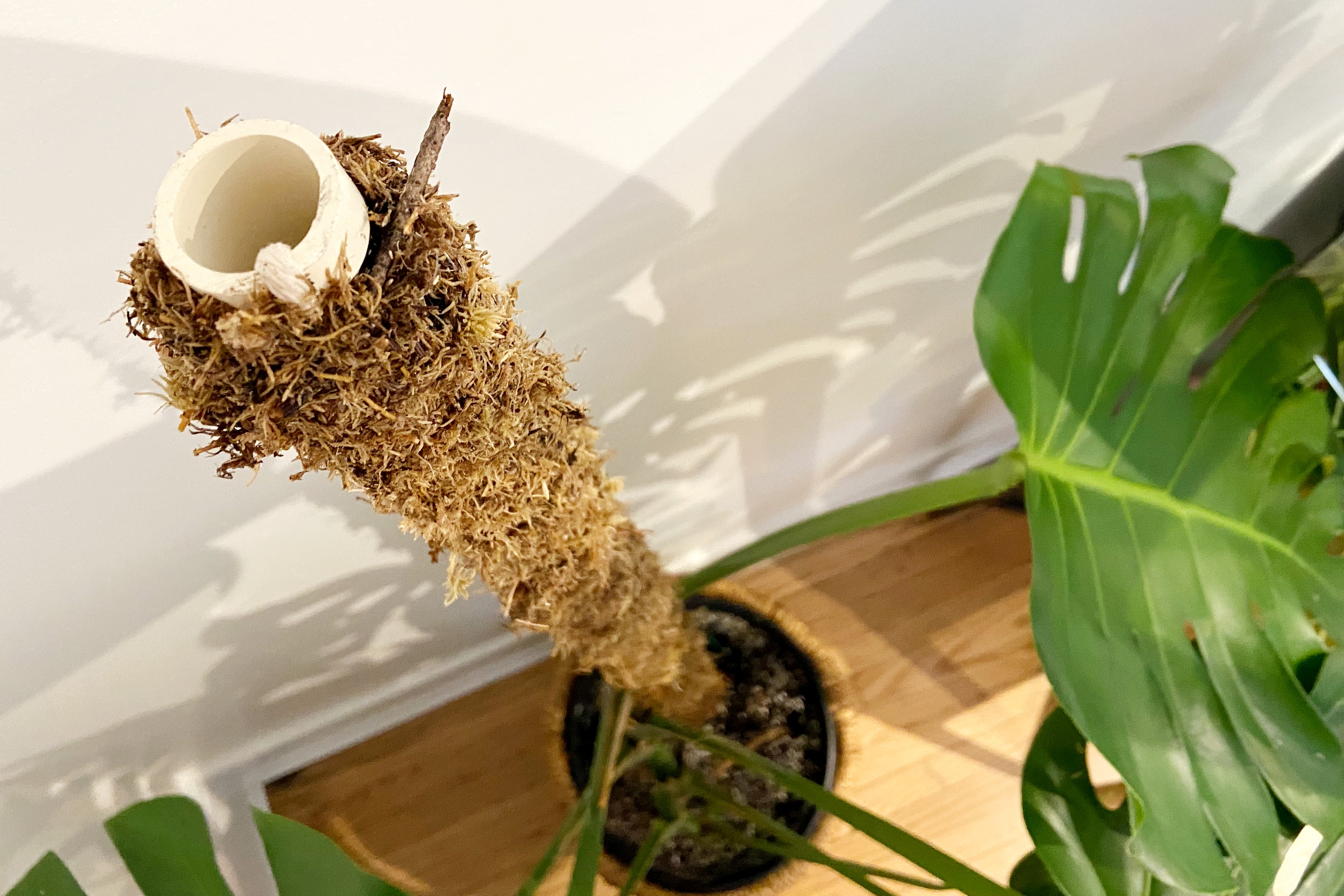
Keeping your moss pole moist is key for healthy plants. Self-watering moss poles save time and effort. They provide steady moisture without daily watering. Several DIY methods work well and are easy to set up. These options help maintain moisture for your climbing plants.
Diy Wick Systems
A wick system uses a piece of cloth or string. One end sits in a water container. The other end is tucked into the moss pole. Water moves up the wick slowly, keeping moss damp. This method is simple and low cost. It works well for small to medium poles. Check the water level regularly to keep the wick wet.
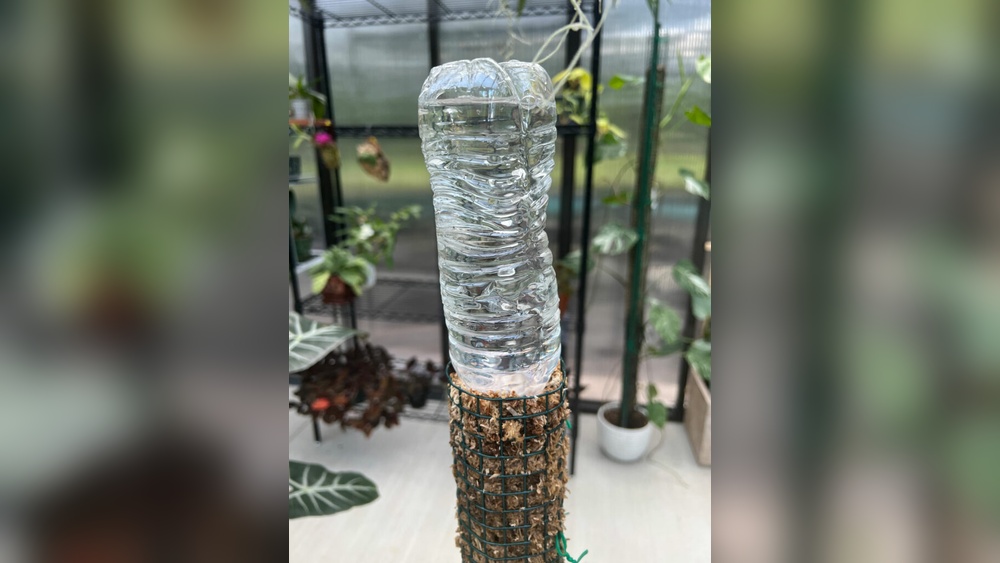
Bottle Drip Methods
Use a plastic bottle with small holes in the cap. Fill it with water and attach it upside down near the pole. Water drips slowly onto the moss. This keeps moisture consistent without soaking the pole. Adjust the holes for faster or slower drip rates. This method is easy to control and refill. Ideal for busy plant owners.
Maintaining Consistent Moisture
Check the moss pole’s moisture regularly. The moss should feel damp but not soggy. Dry moss can stress your plant’s roots. Too much water causes rot or mold. Use a moisture meter or squeeze test to check. Refill water sources as needed. Consistency helps plants grow strong and healthy.
Credit: corisears.ca
Choosing The Right Moss Pole Size
Choosing the right moss pole size is key for your plant’s health. A properly sized pole supports growth and helps the plant climb naturally. Too small a pole may not hold the plant well. Too big can overwhelm and waste space.
Consider your plant’s type, growth plans, and indoor space. These factors guide your selection. The right pole makes watering easier and encourages strong roots to grab hold.
Matching Pole To Plant Type
Different plants need different pole sizes. Small plants like pothos do well with thin poles. Larger plants like monstera need thicker, taller poles. The pole should match the plant’s weight and growth pattern. This helps the plant climb safely without damage.
Considering Growth Goals
Think about how tall you want your plant to grow. Choose a pole taller than the current plant height. This allows room for upward growth. If you want a bushier look, select a wider pole for more support. Adjust the size as your plant matures and spreads.
Adjusting For Indoor Conditions
Indoor spaces affect pole choice. In tight spaces, pick a slimmer pole to save room. In humid areas, moss stays moist longer, so any size works. Dry rooms need poles that hold moisture well. Make sure the pole fits your room and watering habits.
Conclusion
Watering a moss pole keeps your plant healthy and supported. Check the pole often for dryness by touch and color. Spray or drip water gently from top to bottom. Use a mild nutrient mix to help roots grow strong. Water regularly but let the pole dry a bit between.
This balance stops overwatering and root problems. With simple care, your moss pole will stay moist and vibrant. Your plant will thrive with steady moisture and attention. Keep it simple, stay consistent, and enjoy your growing plant.