How to Use Self Watering Planter: Ultimate Guide for Thriving Plants
Are you tired of constantly worrying about watering your plants just right? Whether you often forget or simply want to make plant care easier, a self-watering planter might be the perfect solution for you.
These clever pots provide your plants with just the right amount of water, so you don’t have to guess or stress. But how exactly do you use a self-watering planter to keep your greenery thriving? In this guide, you’ll discover simple, step-by-step tips to get the most out of your self-watering planter and enjoy healthier, happier plants with less effort.
Keep reading to unlock the secrets of effortless plant care!
How Self Watering Planters Work
Self watering planters provide a simple way to keep plants hydrated. They supply water to the soil steadily without frequent watering. This system helps plants grow healthier by avoiding dry soil or overwatering. Understanding how these planters work can help you use them effectively and keep your plants thriving.
Water Reservoir Design
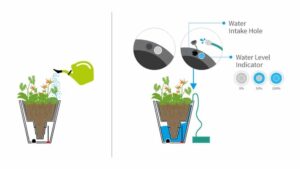
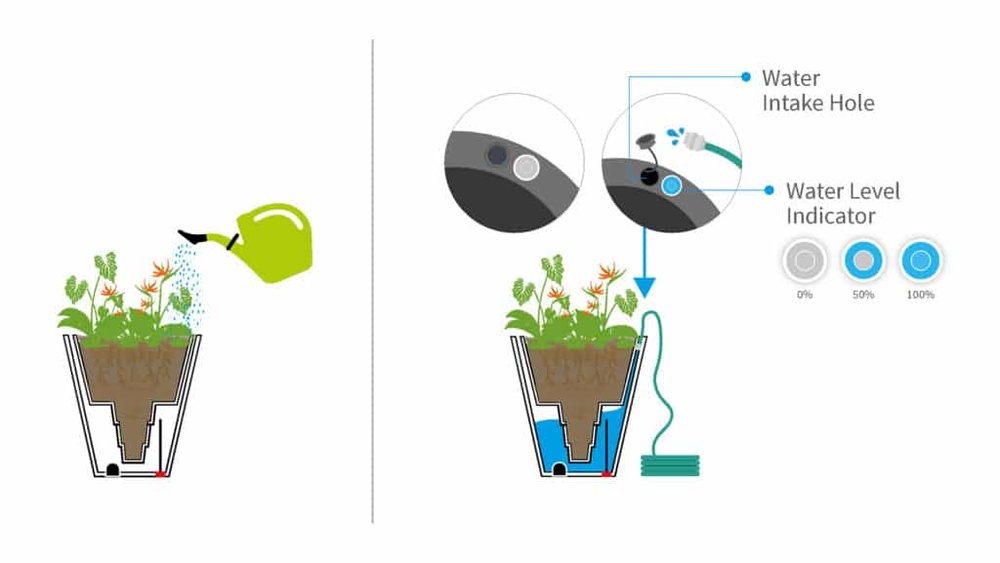
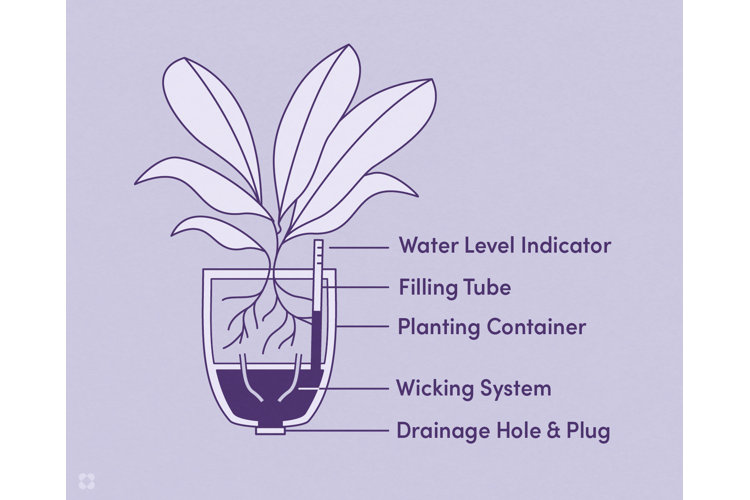
Self watering planters have a built-in water reservoir at the base. This reservoir stores water separate from the soil. It holds enough water to keep the plant moist for days or weeks. The reservoir reduces the need to water daily. It also prevents water from pooling directly around the roots.
Wicking Mechanism
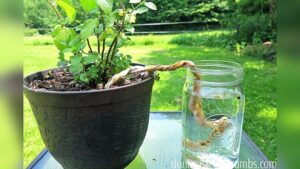
A wick or a special fabric connects the water reservoir to the soil. This wick draws water up through capillary action. It slowly moves water from the reservoir into the soil as the soil dries out. The wicking system controls water flow, ensuring the soil stays evenly moist. This method saves water and prevents overwatering.
Root Water Absorption
Plant roots absorb water from the moist soil around them. As roots take up water, the soil moisture level drops. This triggers the wick to pull more water from the reservoir. Roots receive water on demand, which promotes steady growth. The system encourages strong roots without waterlogging or drought stress.

Credit: www.wikihow.com
Benefits For Plant Care
Self watering planters offer many benefits for plant care. They make watering easier and help plants grow better. These planters keep plants healthy by providing water in the right amount. They also save time and water. Understanding their benefits can improve your gardening experience.
Consistent Moisture Supply
Self watering planters provide a steady water supply. The built-in reservoir releases water slowly to the soil. This prevents the soil from drying out too fast. Plants get water whenever they need it. Consistent moisture helps roots grow strong and healthy.
Reduced Watering Frequency
These planters reduce how often you need to water. The reservoir holds enough water for several days. This is helpful for busy people or travelers. You don’t have to worry about plants drying out. It makes plant care simpler and less stressful.
Improved Plant Health
Plants in self watering planters often grow healthier. They avoid stress from too much or too little water. Roots get oxygen and water in the right balance. This lowers the risk of root rot and disease. Healthy plants bloom better and live longer.
Water Conservation
Self watering planters save water by using it efficiently. Water goes directly to the roots with little waste. There is less evaporation compared to open pots. This helps reduce water usage, which is good for the environment. It also lowers your water bill.
Choosing The Right Plants
Choosing the right plants is key for success with a self watering planter. Some plants adapt well to the constant moisture provided by these planters. Others may suffer from too much water and develop root problems. Picking suitable plants ensures healthy growth and saves effort.
Consider the water needs of your plants before planting. Self watering planters keep soil moist for a long time. Plants that like dry soil may not do well in them. Knowing which plants thrive or struggle helps you make smart choices.
Plants That Thrive
Many herbs like basil, mint, and parsley grow well in self watering planters. Leafy greens such as lettuce and spinach also do great with steady moisture. Flowers like petunias and impatiens enjoy the consistent water supply. These plants absorb water easily and avoid wilting.
Vegetables like tomatoes and peppers can flourish if their water needs are met properly. Root crops such as carrots and radishes prefer soil that is moist but not waterlogged. Choose plants that naturally prefer even watering for best results.
Plants To Avoid
Cacti and succulents do not suit self watering planters. They need dry soil between watering. Excess moisture causes their roots to rot quickly. Also, plants like lavender or rosemary prefer drier conditions. Avoid plants that dislike constant dampness to prevent damage.
Large plants with deep root systems may outgrow the planter’s reservoir. They require more space and water than the planter can provide. Choose smaller or medium-sized plants for better care.
Adjusting For Plant Needs
Some plants need less water despite being in a self watering planter. Adjust the water level in the reservoir to avoid overwatering. Check the soil regularly to ensure it is not too wet or dry. Use the planter’s wicking system to control moisture.
Consider adding gravel or sand to the soil mix for better drainage. This helps plants that dislike soggy roots. Monitor your plants closely and adjust watering frequency based on their health. Tailoring care to each plant’s needs gives the best growth results.
Setting Up Your Planter
Setting up your self watering planter correctly ensures your plants get the right amount of water. This setup saves time and keeps your plants healthy. Follow these simple steps to prepare your planter for planting.
Assembling The Components
Start by unpacking all parts of the planter. Usually, there is a pot, a water reservoir, and a wicking system. Place the reservoir at the bottom. Attach the wicking system or insert the water tube as per the model’s design. Make sure everything fits snugly to avoid leaks.
Adding Soil And Plants
Fill the planter with fresh potting soil. Leave some space at the top for watering and plant growth. Gently place your plant in the soil. Cover the roots well, pressing the soil lightly to remove air pockets. Avoid compacting soil too hard, so roots breathe easily.
Filling The Reservoir
Pour water into the reservoir through the designated opening. Fill it up to the recommended level. The water will slowly move up into the soil through the wick. Check the reservoir regularly and refill when needed. This system keeps soil moist without overwatering.
Daily And Seasonal Care
Daily and seasonal care keeps your self-watering planter working well. Regular attention helps plants stay healthy and strong. Simple steps prevent problems and improve growth. Follow easy tips to care for your planter every day and through the seasons.
Monitoring Water Levels
Check the water reservoir daily. Fill it when water gets low. Avoid letting it dry out completely. Use the transparent window or indicator if your planter has one. This ensures roots always have enough moisture. Proper water levels prevent stress and promote steady growth.
Cleaning The Reservoir
Clean the water reservoir every few weeks. Remove any dirt or algae buildup. Use mild soap and water to scrub gently. Rinse thoroughly before refilling. Clean reservoirs stop mold and bacteria from growing. This keeps water fresh and safe for plants.
Adjusting For Weather Changes
Change watering frequency with the seasons. Plants need more water in hot weather. Reduce watering during cool or rainy times. Monitor soil moisture to decide when to add water. Seasonal care helps plants avoid overwatering or drought stress. Adjustments keep your planter working well all year.
Credit: www.wayfair.com
Common Mistakes To Avoid
Using a self-watering planter simplifies plant care. Still, some common mistakes can reduce its benefits. Avoiding these errors helps your plants thrive and prevents damage.
Overfilling The Reservoir
Filling the reservoir too much can cause waterlogging. Excess water may drown roots and cause rot. Fill only to the recommended level. Check the water gauge if your planter has one. Keep the reservoir clean to avoid mold and algae.
Using Inappropriate Soil
Regular garden soil often holds too much water. Use light, well-draining potting mix instead. Soil with good aeration helps roots breathe. Avoid heavy or compacted soil that traps water. Proper soil ensures the water wicks up correctly.
Placing Rocks At The Bottom
Some think rocks improve drainage, but they harm self-watering planters. Rocks can trap water and cause root rot. The reservoir already controls moisture well. Use only soil and the planter’s built-in system. This prevents bacteria and disease growth in roots.
Troubleshooting Plant Issues
Troubleshooting plant issues in a self watering planter helps keep plants healthy. These planters reduce watering mistakes but problems can still happen. Knowing how to spot and fix issues saves your plants. Watch for early signs of stress to act fast.
Signs Of Overwatering
Leaves may turn yellow or feel soft. Soil looks constantly wet or soggy. New growth slows down or stops. Plants may wilt even with wet soil. Overwatering limits air around roots, causing harm.
Detecting Root Rot
Roots turn dark brown or black and feel slimy. The plant may smell bad or rotten. Leaves drop off or turn brown at edges. Root rot happens from too much water and poor drainage. Check roots by gently removing soil.
Improving Drainage
Use planters with built-in drainage holes. Add a layer of coarse material at the bottom. Avoid packing soil too tightly around roots. Check and clean water reservoirs regularly. Better drainage stops water from sitting too long.
Tips For Outdoor Use
Using a self watering planter outdoors can save time and keep plants healthy. These planters store water in a reservoir, letting plants absorb moisture when needed. Outdoor conditions need special care to protect your planter and plants. Follow these tips for best results in your garden or patio.
Protecting Against Heavy Rain
Heavy rain can fill the water reservoir too much. This causes water to overflow and may drown roots. Place your planter in a covered area or under a patio roof. Use a rain shield or move the planter inside during storms. Good drainage helps keep plants safe from too much water.
Positioning For Sunlight
Most plants need sunlight to grow well. Place your self watering planter where it gets enough sun. Morning sunlight is best for many plants. Avoid spots with harsh afternoon sun that can dry out soil fast. Adjust position as seasons change to keep plants happy.
Winter Care
Cold weather can damage your planter and plants. Move the planter to a sheltered spot or indoors. Drain the water reservoir to stop freezing and cracking. Use frost cloths to protect sensitive plants. Check the planter often for signs of cold damage.
Upgrading Your Planter Setup
Upgrading your self watering planter setup can improve plant health and ease care. Small changes make a big difference in growth and maintenance. Explore ways to boost nutrition, adjust for different plants, and add automation. Each upgrade helps your garden thrive with less effort.
Adding Fertilizer
Fertilizer is key to strong, healthy plants. Use water-soluble fertilizer for best results. Mix it into the water reservoir for steady feeding. Avoid over-fertilizing as it can harm roots. Choose fertilizer suited to your plant types. Regular feeding supports growth and vibrant leaves.
Using Self Watering Systems With Different Plants
Not all plants need the same water amount. Adjust the water reservoir level based on plant type. Leafy greens like more moisture, while succulents need less. Group plants with similar water needs in one planter. This keeps each plant happy and prevents overwatering. Check soil moisture often to fine-tune watering.
Automation Options
Automation adds convenience and precision to watering. Use timers to refill reservoirs at set intervals. Sensors can monitor soil moisture and trigger watering only when needed. Smart systems connect to apps for easy control and alerts. Automation reduces guesswork and keeps plants healthy even when away.

Credit: urbanscapeplanters.com
Frequently Asked Questions
Should I Put Rocks In The Bottom Of A Self-watering Planter?
No, avoid putting rocks in the bottom of a self-watering planter. Rocks trap water, causing root rot, bacteria, and disease growth. Keep the reservoir and soil layers separate to ensure proper drainage and healthy roots.
Do Self-watering Planters Really Work?
Yes, self-watering planters work well by providing consistent moisture from a reservoir. They prevent over- and underwatering, reduce watering frequency, and improve plant health. However, they may not suit plants that prefer dry soil, like succulents, or outdoor use in heavy rain.
How Does A Self-watering Raised Planter Work?
A self-watering raised planter has a water reservoir below the soil. It uses a wick or capillary action to deliver water to roots as needed. This system prevents over- and underwatering, ensures consistent moisture, reduces watering frequency, and improves plant health by providing steady hydration.
How Much Water Do I Put In A Self-watering Planter?
Fill the reservoir up to the indicated max fill line or about two-thirds full. Avoid overfilling to prevent waterlogging. Check water levels weekly and refill as needed to keep soil moist but not soggy.
Conclusion
Using a self-watering planter makes plant care easier and less stressful. It keeps your plants hydrated without daily watering. The built-in reservoir delivers water as the plant needs it. This system helps avoid overwatering and underwatering problems. Your plants stay healthier and grow better with steady moisture.
Self-watering planters save time and reduce water waste. They suit busy people or those new to gardening. Try one to enjoy greener, happier plants with less effort. Simple, smart, and effective—perfect for any plant lover.