How to Use Moss Pole: Boost Your Plant Growth Easily
If you want your climbing plants to grow bigger, stronger, and more beautiful, a moss pole might be exactly what you need. Using a moss pole can transform your plant’s growth by giving it the support it craves and encouraging those stunning aerial roots to thrive.
But how do you use a moss pole the right way? You’ll learn simple, step-by-step tips that help your plants climb naturally and stay healthy. Whether you’re caring for a Monstera, Philodendron, or any other vine, mastering the moss pole technique will bring your indoor garden to the next level.
Keep reading to discover how to set up, maintain, and get the most from your moss pole—your plants will thank you!

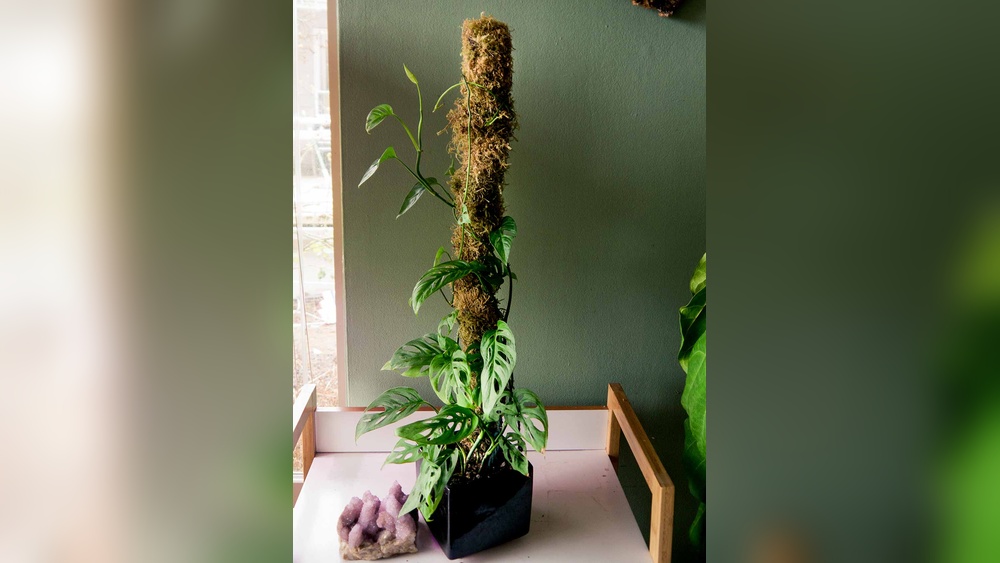
Credit: rousseauplant.care
Choosing The Right Moss Pole
Choosing the right moss pole is important for healthy plant growth. A well-selected pole supports climbing plants and helps them grow bigger leaves. Consider the type, size, and material before buying. This guide explains how to pick the best moss pole for your plant.
Types Of Moss Poles
Moss poles come in different styles. Some are made with sphagnum moss wrapped around a plastic or wooden frame. Others have coir fiber or coconut husk. Each type holds moisture differently and affects root attachment. Choose a type that suits your plant’s needs and indoor environment.
Sizing Your Pole
Pick a moss pole taller than your plant’s current height. It should give enough room for growth. Too short poles will need frequent replacing. Also, make sure the pole fits inside your pot without crowding roots. A stable pole prevents wobbling and keeps the plant upright.
Materials And Quality
Quality matters for durability and plant health. Look for poles with natural, breathable materials. Avoid poles with chemicals or poor construction. Good moss poles retain moisture well and last longer. Check if the pole is sturdy enough to support heavy plants as they grow.
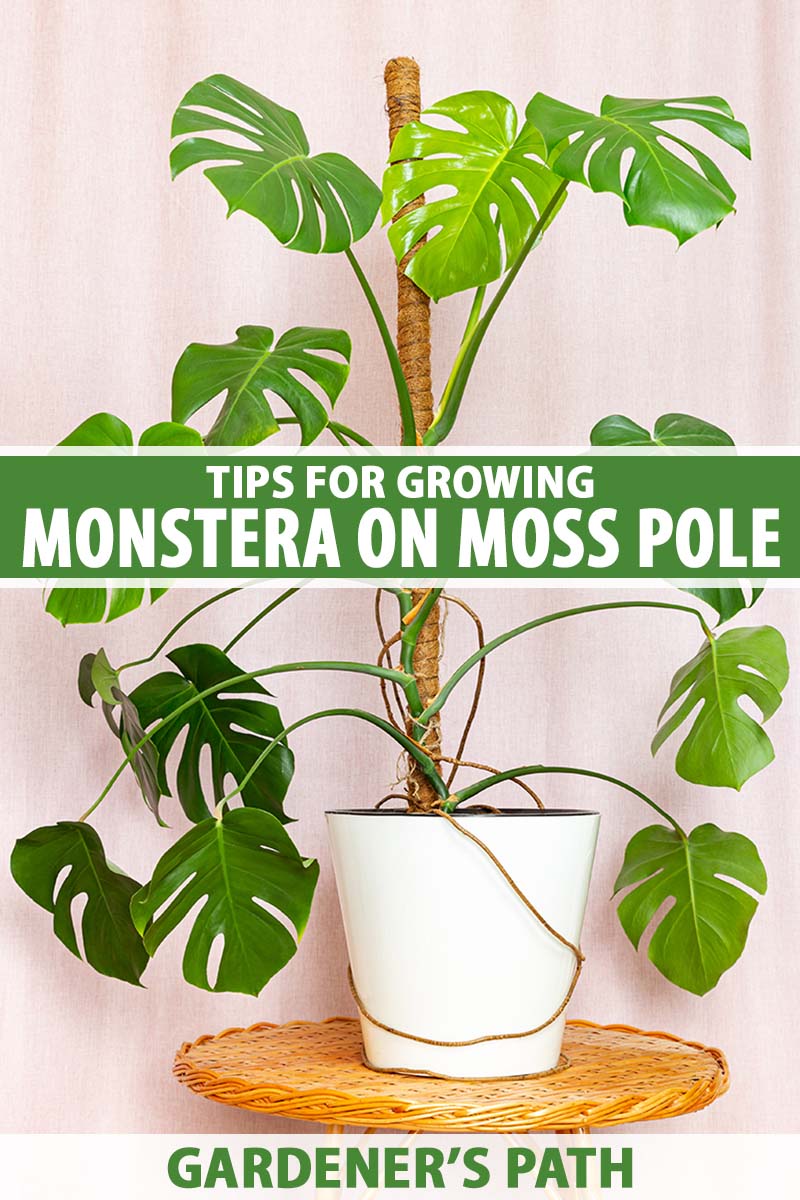
Credit: gardenerspath.com
Preparing The Moss Pole
Preparing a moss pole is an important first step to support your climbing plants. A well-prepared pole helps plants grow taller and stronger. It also provides the right environment for aerial roots to attach and absorb moisture.
Start by making sure the moss pole is ready to hold moisture and support your plant’s growth. This process involves soaking, filling, and keeping the pole moist. These steps help create a healthy, stable structure for your plants.
Soaking The Pole
Soak the moss pole in water for 15 to 30 minutes before use. This makes the moss soft and wet. A wet pole helps the plant’s roots stick and absorb water easily. Avoid soaking it for too long to prevent mold growth. After soaking, let excess water drip off before placing it in the soil.
Filling With Bark Or Leca
Fill the hollow center of the moss pole with bark pieces or lightweight expanded clay aggregate (LECA). These materials improve airflow inside the pole. They also help keep the pole stable and prevent soil from getting too wet. Filling the pole adds weight, making it less likely to fall over as your plant grows.
Maintaining Moisture
Keep the moss pole moist by spraying it with water regularly. Moist poles encourage aerial roots to grow and attach. Check the pole’s moisture level every few days. If it feels dry, mist it again. Avoid overwatering, which can cause mold or rot. A moist moss pole helps your plant stay healthy and climb well.
Installing The Moss Pole
Installing a moss pole helps your climbing plants grow upright and healthy. It gives support and encourages aerial roots to attach. Correct installation ensures the pole stays stable and the plant stays safe.
Positioning In The Pot
Place the moss pole close to the main stem of your plant. Insert it deep enough to hold firmly in the soil. Choose a spot that allows the plant to climb naturally without bending. If the pot is small, consider repotting first for better support.
Securing The Pole
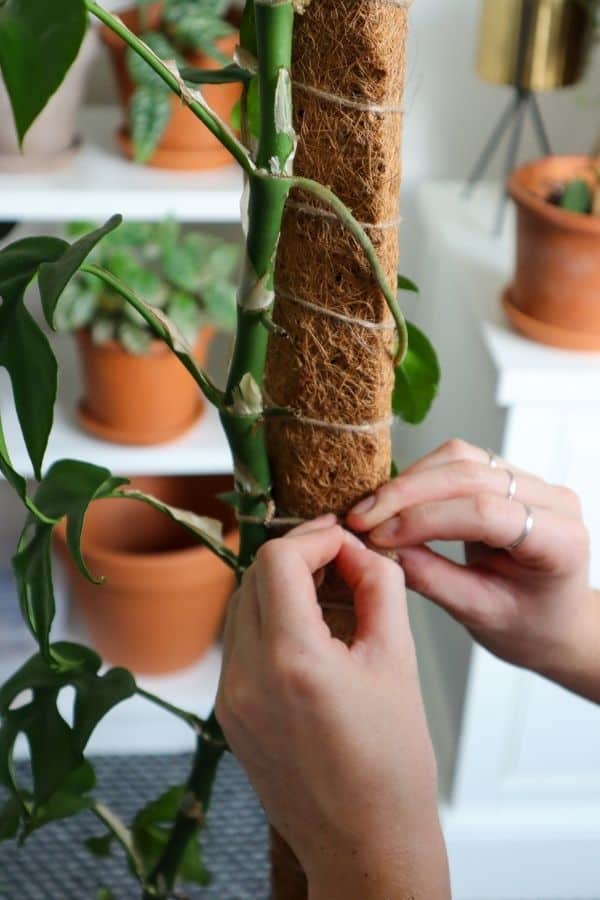
Make sure the pole does not wobble after inserting it. Press soil around the base to keep it steady. Use soft ties or string to gently attach the plant’s stem to the pole. Tie loosely to avoid damaging the stem as the plant grows.
Avoiding Root Damage
Insert the pole carefully to avoid hitting roots. If roots are close to the surface, move the pole slightly. Repotting the plant can help create space for the pole and roots. Always be gentle to keep roots healthy and intact.
Attaching Your Plant
Attaching your plant to a moss pole helps it grow tall and strong. It supports climbing plants by giving them a structure to hold on. Proper attachment encourages healthier growth and larger leaves. Use gentle methods to secure your plant without causing damage. Guide aerial roots to the moss pole to help them absorb moisture and nutrients. Regular adjustments keep the plant comfortable as it grows.
Tying Techniques
Use soft plant ties or strips of cloth to secure stems. Avoid tight knots that can hurt the plant. Tie loosely but firmly to keep the plant stable. Space ties evenly along the stem for better support. Velcro plant ties work well and are easy to adjust. Check ties often and loosen them if needed.
Guiding Aerial Roots
Aerial roots help the plant cling to the moss pole. Gently press roots against the moss to encourage attachment. Mist the moss pole regularly to keep it moist for root growth. If roots are long, tuck them into the moss surface. This helps the plant absorb water and nutrients. Be patient; roots take time to attach firmly.
Adjusting As Plant Grows
Plants grow quickly and need space to expand. Loosen ties and move them up as the stem grows. Add new ties higher on the pole to support new growth. Check the plant weekly to prevent damage from tight ties. Trim old or dead leaves to keep the plant healthy. Adjusting the moss pole setup helps the plant stay secure and happy.
Care And Maintenance
Proper care and maintenance keep your moss pole effective and your plant healthy. A moss pole supports climbing plants by offering a surface for roots to attach. It also helps plants grow upright and develop larger leaves. To ensure your moss pole lasts and your plant thrives, follow these simple care steps.
Regular Misting
Moss poles need moisture to stay fresh and encourage root growth. Mist the pole with water every few days. This keeps the moss damp but not soaking wet. Moist moss attracts aerial roots and helps them stick better. Dry moss can cause roots to dry out and fall off. Use a spray bottle for gentle, even misting.
Monitoring Stability
Check the pole’s stability often. A loose pole can damage your plant or fall over. Gently wiggle the pole to see if it moves. If it feels loose, push it deeper into the soil. For heavier plants, use a larger pot or add support sticks. Secure the plant stems to the pole with soft ties to prevent damage.
Replacing Or Extending Poles
Moss poles can wear out or become too small as your plant grows. Replace the moss pole every 1-2 years or when it looks dry and brittle. For tall plants, extend the pole by attaching another moss pole on top. Secure the poles together tightly. This gives your plant more room to climb and stay supported.
Benefits For Plant Growth
Using a moss pole offers many benefits for plant growth. It helps plants grow stronger and healthier. Moss poles mimic natural environments where plants climb trees. This support encourages plants to develop better. Below are key ways moss poles improve plant growth.
Encouraging Larger Leaves
Moss poles help plants grow bigger leaves. Climbing plants use the pole to grow upward. This vertical growth allows more light exposure. More light helps plants produce larger leaves. Larger leaves improve photosynthesis, boosting plant health.
Supporting Climbing Plants
Many plants climb naturally on trees. Moss poles provide a similar structure indoors. They offer support for vines and stems. This prevents plants from drooping or breaking. Plants stay upright and grow in their natural shape. Strong support leads to healthier, more attractive plants.
Improving Air Root Health
Moss poles keep aerial roots moist and healthy. Aerial roots cling to the moss, absorbing water and nutrients. This encourages roots to grow stronger and thicker. Healthy roots improve overall plant stability and growth. Moist moss creates a perfect environment for these roots.
Using Moss Poles For Popular Plants
Moss poles offer excellent support for climbing plants. They help plants grow taller and healthier. Many popular indoor plants enjoy the extra grip and moisture. This section explains how to use moss poles for some favorite plants. Follow these tips to keep your plants strong and beautiful.
Monstera
Monstera plants naturally climb trees in the wild. A moss pole mimics this environment perfectly. Insert the pole near the plant’s base in the pot. Secure the main stems gently to the pole using soft ties. Guide aerial roots towards the moist moss to encourage attachment. Keep the moss pole damp by misting regularly. This helps the Monstera grow big, healthy leaves faster.
Philodendron
Philodendrons also climb and benefit from moss poles. Place the pole close to the Philodendron’s main stem. Tie the vines lightly, allowing room for growth. Encourage aerial roots to reach the moss by gently pressing them against it. Mist the pole often to maintain moisture for root growth. A moss pole keeps the plant upright and promotes larger leaves.
Pothos
Pothos plants can trail or climb. Adding a moss pole gives them an option to climb upward. Insert the pole firmly in the soil near the Pothos base. Attach the vines loosely to the pole with soft ties. Train aerial roots to touch the moss surface. Spray water on the pole to keep it moist and inviting. This helps Pothos grow fuller and taller indoors.
Credit: terrariumtribe.com
Common Mistakes To Avoid
Using a moss pole helps your climbing plants grow tall and strong. Many plant lovers make simple mistakes that slow growth or harm the plant. Avoiding these errors will keep your plant healthy and happy. Below are common mistakes to watch for when using a moss pole.
Over-tightening Ties
Tying the plant too tight can damage the stem. The plant needs room to grow and breathe. Use soft ties and secure the plant gently. Check ties regularly and loosen them as the plant grows. Over-tightening can cause bruising and restrict growth.
Ignoring Moisture Needs
Moss poles need to stay moist to support aerial roots. Dry poles do not help roots attach and absorb water. Mist the pole often, especially in dry rooms. Keep the moss damp but not soggy to prevent rot. Moisture encourages roots to grow into the pole.
Incorrect Pole Placement
Placing the pole too far from the plant makes it hard to climb. The pole should be close to the main stem for support. Insert it firmly into the soil to avoid wobbling. Moving the pole after planting can disturb roots. Position the pole carefully at the start.
Conclusion
Using a moss pole helps your climbing plants grow strong and tall. Secure the pole firmly in the soil near the plant’s base. Tie the stems gently without squeezing them. Keep the moss moist to support root growth. This simple tool encourages bigger leaves and healthier plants.