How to Use Grow Bags: Expert Tips for Thriving Plants Fast
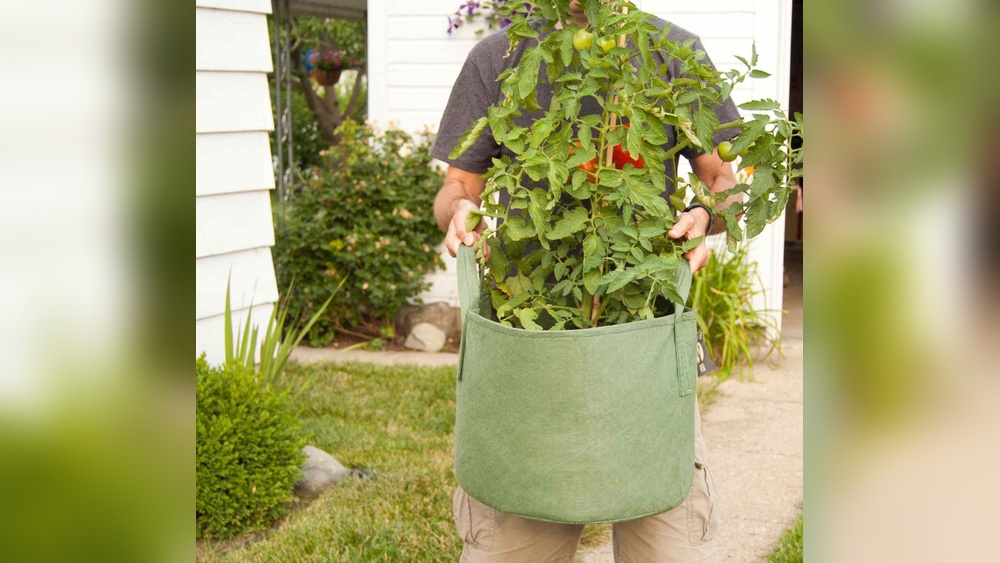
If you want to grow plants but don’t have much space or want an easy, flexible solution, grow bags could be exactly what you need. These simple fabric containers let you grow vegetables, herbs, and flowers almost anywhere—on your balcony, patio, or even indoors.
But how do you use them correctly to get the best results? In this guide, you’ll discover step-by-step tips that make growing in bags straightforward and successful. You’ll learn how to prepare your grow bags, choose the right soil, and care for your plants so they thrive.
Keep reading, and you’ll soon be enjoying fresh, homegrown produce without the hassle of traditional pots or garden beds.

Credit: www.youtube.com
Choosing The Right Grow Bag
Choosing the right grow bag is key to a successful garden. The right bag supports healthy roots and plant growth. It also fits your space and plant type well. Consider the material, size, and durability before buying. These factors affect how long your grow bag lasts and how well your plants grow.
Material Types
Grow bags come in different materials like fabric, plastic, and felt. Fabric bags allow air and water to pass through. They help prevent root rot by improving drainage. Plastic bags hold moisture longer but may cause poor airflow. Felt bags are soft and good for delicate roots. Choose a material that matches your watering style and plant needs.
Size Selection
Size matters for grow bags. Small bags work for herbs and flowers. Larger bags suit vegetables and fruit plants. Deep bags allow roots to grow freely. Wide bags give plants more space to spread. Pick a size that fits your plant’s root system and your garden space. Oversized bags waste soil and water. Too small bags limit plant growth.
Durability Factors
Durability ensures your grow bag lasts several seasons. Look for thick fabric that resists tearing. Double-stitched seams add strength. UV-resistant materials prevent sun damage. Check if the bag holds shape when filled with soil. Strong handles make moving easier. Durable grow bags save money by needing fewer replacements.
Preparing Grow Bags For Planting
Preparing grow bags for planting is a key step for healthy plant growth. Proper preparation ensures good drainage, healthy soil, and the right location. This helps plants get enough water, air, and nutrients.
Taking time to prepare grow bags will improve your garden’s success. Follow these simple steps to get started.
Creating Drainage
Drainage prevents water from pooling inside the grow bag. Too much water can harm roots and cause rot. Most grow bags have tiny holes for drainage. Check for these holes before planting.
If the bag lacks holes, add some small ones at the bottom. Use a sharp tool and make sure holes are evenly spaced. This allows extra water to escape freely.
Soil Preparation
Use light, loose soil for grow bags. Heavy soil may block drainage and suffocate roots. Mix potting soil with compost for added nutrients. This mix keeps soil moist but not soggy.
Moisten the soil before filling the bag. Damp soil helps plants settle and take root quickly. Avoid soaking wet soil, which can lead to mold or root rot.
Location Setup
Place grow bags in a spot with enough sunlight for your plants. Most vegetables and flowers need 6-8 hours of sun daily. Choose a flat surface to keep bags stable.
Keep bags away from strong winds or heavy rain. This protects plants and soil from damage. Elevate bags slightly to improve airflow and drainage under the bag.
Planting Techniques
Planting in grow bags is simple and effective. Using the right techniques helps plants grow healthy and strong. Understanding seed sowing, transplanting seedlings, and spacing makes a big difference. Follow these steps for the best results in your grow bags.
Seed Sowing
Fill the grow bag with loose, well-draining soil. Moisten the soil before planting seeds. Sow seeds evenly on the soil surface. Cover seeds lightly with soil according to seed packet instructions. Keep the soil moist but not soggy. Place the grow bag in a warm, sunny spot. Check daily for germination and water as needed.
Transplanting Seedlings
Start seedlings in small pots or trays. Water seedlings well before transplanting. Make a hole in the grow bag soil large enough for the seedling roots. Gently remove seedlings from their pots, keeping roots intact. Place seedlings into the holes and cover roots with soil. Press soil gently around the base to secure the plant. Water immediately after transplanting to reduce stress.
Spacing Tips
Allow enough space between plants for air flow and growth. Check seed packet or plant tag for spacing recommendations. Crowding causes poor growth and more disease risk. Smaller plants like herbs need less space, about 4-6 inches apart. Larger plants like tomatoes need at least 12-18 inches. Use multiple grow bags for many plants. Adjust spacing depending on plant size and growth habits.

Credit: www.wikihow.com
Watering Strategies
Watering grow bags properly is essential for healthy plant growth. These bags dry out faster than traditional pots because of their fabric material. Understanding how often and how much to water keeps the soil moist and plants thriving. Using the right tools and techniques makes watering easier and more effective.
Frequency And Amount
Check the soil moisture daily. Water when the top inch feels dry. Avoid letting the soil dry out completely. Water deeply to soak the entire root zone. Shallow watering leads to weak roots. In hot weather, increase watering frequency. Early morning watering reduces evaporation loss. Adjust based on plant type and weather conditions.
Avoiding Hydrophobic Soil
Soil in grow bags can become hydrophobic if it dries out too much. This means water will not soak in easily. To prevent this, water evenly and regularly. If soil repels water, soak the bag in a bucket for a few minutes. Add organic matter to improve soil structure. Mulching helps retain moisture and reduce drying.
Watering Tools And Methods
Use a watering can with a fine rose to avoid soil disturbance. A drip irrigation system works well for consistent watering. Soaker hoses deliver water directly to the roots. Avoid overhead watering to reduce leaf diseases. Water slowly to allow absorption. Check drainage holes to ensure water flows freely.
Fertilizing And Soil Care
Proper fertilizing and soil care are key to healthy plants in grow bags. Grow bags hold less soil than traditional pots, so nutrients wash out faster. Regular feeding and soil management keep plants strong and productive.
Nutrient Needs
Plants in grow bags need balanced nutrients for growth. Use a slow-release fertilizer to supply steady nutrients. Apply fertilizer every two to three weeks during the growing season. Watch plants closely for signs of nutrient deficiency or excess. Adjust feeding based on plant health and growth speed.
Organic Amendments
Organic materials improve soil quality and provide nutrients. Add compost or well-rotted manure to the soil before planting. Top dress with organic matter monthly to boost fertility. Worm castings and seaweed extracts help feed plants naturally. Organic amendments also support beneficial soil microbes for better root health.
Soil Moisture Maintenance
Grow bags dry out faster than ground soil. Keep soil evenly moist but not soggy. Water the bags deeply and regularly, especially in hot weather. Use mulch on top of the soil to reduce moisture loss. Check moisture daily by feeling the soil surface. Proper moisture helps roots absorb nutrients efficiently.
Managing Common Issues
Grow bags offer many benefits but also come with a few challenges. Managing common issues keeps your plants healthy and thriving. Simple care steps solve most problems.
Mold And Algae Prevention
Mold and algae grow in moist, shaded grow bags. Avoid overwatering to keep the soil from staying soggy. Place bags in areas with good air circulation and sunlight. Water early in the day to let soil dry before night. Remove any visible mold or algae carefully to stop spread.
Handling Root Growth
Grow bags encourage healthy root air pruning. Roots reach the bag edges and stop growing, making plants stronger. Check roots if plants seem crowded. Repot to a bigger grow bag if roots circle too much. Trim roots only if necessary and with clean tools.
Pest Control
Grow bags can attract pests like aphids, whiteflies, and fungus gnats. Inspect plants regularly for bugs and damage. Use natural remedies such as neem oil or insecticidal soap. Keep the area clean and remove fallen leaves. Avoid standing water to reduce pests’ breeding spots.
Placement And Mobility
Proper placement and easy mobility of grow bags can improve your gardening success. Choosing the right spot helps plants get enough sunlight and air. Moving grow bags lets you adjust for weather and space needs. Understanding support needs keeps bags stable and protects plants.
Choosing A Permanent Spot
Pick a location with plenty of sunlight, at least six hours daily. The area should have good airflow to prevent mold and pests. Avoid places that stay too wet or shaded all day. Check that the spot is flat and drains well. A permanent spot saves effort and helps plants grow steady.
Moving Heavy Bags Safely
Grow bags fill with soil and water, making them heavy. Lift bags with care to avoid injury or damage. Use both hands and bend your knees when picking them up. Consider using a dolly or cart for larger bags. Move bags slowly and avoid dragging to protect the fabric.
Structural Support
Some plants need extra support to grow well in bags. Use stakes or cages to hold up tall or climbing plants. Secure supports firmly without damaging the bag. Check supports regularly and adjust as plants grow. Strong support helps plants stay healthy and upright.
Maximizing Plant Growth
Maximizing plant growth in grow bags requires careful attention to several factors. Proper care ensures your plants develop strong roots and yield better produce. Understanding sunlight, temperature, and maintenance helps you get the most from your grow bags.
Sunlight Requirements
Plants need the right amount of sunlight to thrive. Most vegetables and flowers in grow bags do best with 6 to 8 hours of direct sunlight daily. Place your grow bags in a sunny spot that gets morning or afternoon sun. Avoid areas with too much shade, which can stunt growth. Rotate the bags occasionally to ensure even light exposure on all sides.
Temperature Considerations
Grow bags warm up faster than traditional pots. This helps roots grow quickly but can also dry out soil faster. Keep an eye on temperature changes, especially during hot days. Move bags to a cooler spot or provide shade if the heat is too intense. At night, bring bags indoors or cover them if temperatures drop too low. Consistent temperatures support steady plant growth.
Pruning And Maintenance
Regular pruning helps plants focus energy on healthy growth. Remove dead or yellowing leaves to prevent disease. Trim back excess growth to improve air circulation around plants. Check for pests and remove them early. Water grow bags frequently as they dry out faster than pots. Use a balanced fertilizer to supply nutrients and support strong roots.
Advantages And Drawbacks
Grow bags offer a flexible option for gardening. They allow easy movement and good root growth. Yet, they also have some limits. Understanding these helps in deciding if grow bags fit your gardening needs.
Benefits Of Grow Bags
Grow bags improve air circulation around plant roots. This keeps roots healthy and prevents root circling. They are lightweight and easy to move. Grow bags drain water well, reducing root rot risk. They come in different sizes for many plants. These bags are often cheaper than pots. Storing them is simple since they fold flat.
Common Challenges
Grow bags dry out faster than pots. This means watering must happen more often. Their fabric can tear or wear with use. Some grow bags may lose shape over time. They do not look as neat as traditional pots. When soil dries completely, it can repel water. This makes re-watering difficult and affects plant health.
Comparisons With Traditional Pots
Traditional pots hold water longer than grow bags. Pots come in many decorative styles for gardens. They are more durable and less likely to tear. Pots can be heavier and harder to move. Grow bags promote better root air pruning. This stops roots from circling inside the container. Pots often cost more and take more space to store.
Credit: www.youtube.com
Conclusion
Using grow bags offers a simple way to grow plants in small spaces. They improve air circulation and help roots grow strong. Remember to water often, as grow bags dry out faster than pots. Choose well-draining soil and check plants regularly.
Grow bags are light and easy to move around your garden. They work well for vegetables, herbs, and flowers. Try grow bags to enjoy gardening even in limited space. With a bit of care, your plants will thrive in grow bags.