How to Use Coco Coir Brick: Ultimate Guide for Thriving Plants
Are you looking for a simple, natural way to boost your gardening success? Coco coir bricks might be exactly what you need.
These compact, easy-to-use blocks transform into a rich, soil-like medium that helps your plants grow stronger and healthier. But how do you use them correctly to get the best results? Keep reading, and you’ll discover step-by-step tips that make working with coco coir bricks quick and hassle-free.
Benefits Of Coco Coir
Coco coir bricks offer many benefits for gardeners and plant lovers. They provide a healthy and natural growing environment. Using coco coir helps plants grow strong and stay healthy. This section explains the main benefits of coco coir and why it is a good choice for planting.
Natural And Sustainable
Coco coir is made from coconut husks, a natural byproduct. It uses waste that would otherwise be thrown away. This makes it an eco-friendly choice. It breaks down slowly, so it lasts longer in soil. Using coco coir reduces the need for peat moss, which is less sustainable.
Water Retention And Aeration
Coco coir holds water well, keeping roots moist. It also lets air flow easily to the roots. This balance helps plants avoid water stress or root rot. Good aeration allows roots to breathe and grow better. It supports healthy root systems and strong plant growth.
Ph Balance And Nutrient Holding
Coco coir has a near-neutral pH, safe for most plants. It helps keep soil pH stable over time. Coco coir holds nutrients well, making them available to plants. It prevents nutrients from washing away quickly. This helps plants get steady nutrition for better growth.
Credit: www.homedepot.com
Preparing The Coco Coir Brick
Preparing the coco coir brick is the first step to using it effectively. The brick arrives in a compressed form and needs water to expand. This process makes the coir soft and ready for planting. Proper preparation improves air and water retention for your plants.
Soaking And Expanding
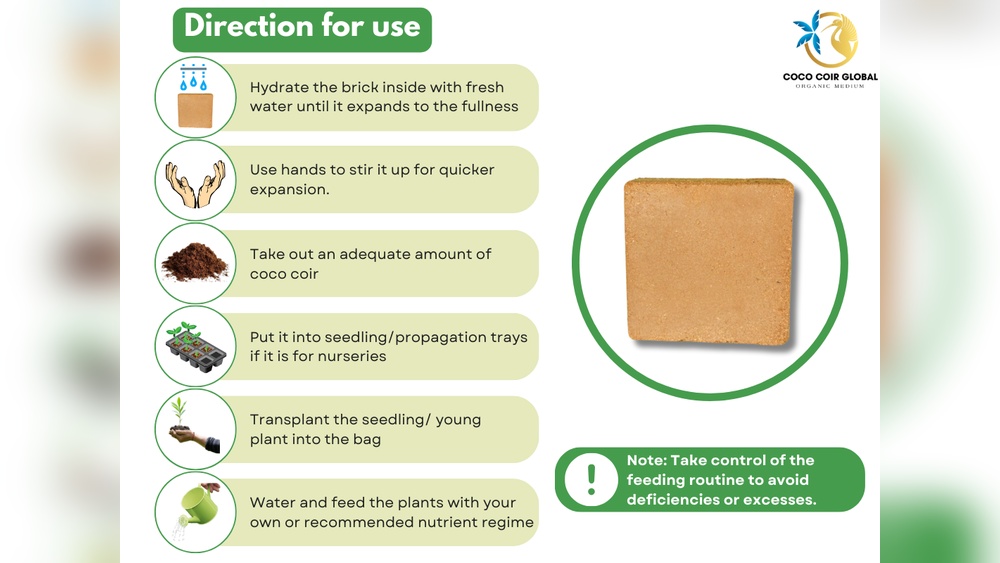
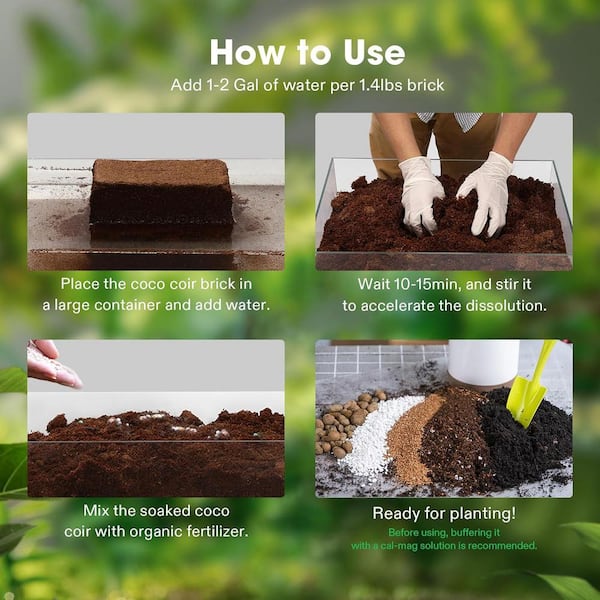
Place the coco coir brick in a large container. Add warm water to cover the brick completely. The brick will soak up water and swell. Wait about 15 to 30 minutes for full expansion. The coir should become loose and fluffy. If needed, add more water to reach the right texture.
Fluffing And Breaking Up
After soaking, break the coir apart with your hands or a fork. Fluff it gently to separate the fibers. This step removes clumps and creates air pockets. Fluffy coir improves root growth and drainage. Your coco coir is now ready for planting or mixing with soil.
Using Coco Coir For Planting
Coco coir is a natural and eco-friendly growing medium. It helps plants grow by holding water and air well. Using coco coir for planting improves soil structure and root health. It is lightweight and easy to handle, making it perfect for gardeners.
Mixing With Soil And Compost
Start by soaking the coco coir brick in water until it expands. Break it apart into small pieces. Mix the coir with garden soil and compost. A good ratio is one part coir to two parts soil and compost. This mix keeps soil loose and drains well. It also holds moisture for a longer time. This creates a healthy environment for roots to grow strong.
Planting Seeds And Transplants
Fill pots or garden beds with the coco coir mix. Make small holes for seeds or transplants. Place seeds gently inside the holes. Cover them lightly with the mix. For transplants, dig a hole big enough for the root ball. Put the plant in the hole and firm the soil around it. Coco coir helps roots spread easily and grow fast.
Watering Techniques
Water coco coir thoroughly after planting. It holds water well but does not stay soggy. Check moisture regularly by feeling the soil surface. Water when the top feels dry. Avoid overwatering to stop root rot. Use a watering can or drip system for gentle watering. Proper watering keeps plants healthy and happy.

Credit: www.youtube.com
Maintaining Plants In Coco Coir
Maintaining plants in coco coir ensures healthy growth and strong roots. This growing medium holds water well and provides good airflow to roots. Proper care helps plants absorb nutrients and stay free from diseases. Follow simple steps to keep your plants thriving in coco coir.
Fertilizing Tips
Coco coir does not have natural nutrients. Feed plants with a balanced fertilizer regularly. Use a liquid fertilizer diluted to half strength for best results. Apply nutrients every one to two weeks. Avoid over-fertilizing to prevent root burn and nutrient buildup.
Managing Moisture Levels
Coco coir retains moisture but drains well. Check the moisture by touching the top layer. Water when the coir feels slightly dry but not bone dry. Avoid waterlogging, which can harm roots. Maintain consistent moisture for steady plant growth.
Preventing Mold And Pests
Good airflow prevents mold growth on coco coir. Avoid overwatering to reduce mold risk. Remove dead leaves and debris from the surface. Inspect plants regularly for pests like fungus gnats. Use natural pest control methods to keep plants healthy.
Common Mistakes To Avoid
Using coco coir bricks is simple but some mistakes can cause problems. Avoiding common errors helps plants grow better and stay healthy. Pay attention to how you use and care for coco coir to get the best results.
Overwatering
Many gardeners water coco coir too much. Coco coir holds water well but it also drains fast. Too much water causes roots to rot and stops air from reaching them. Water only when the top layer feels dry. Let the coir dry a bit between waterings.
Neglecting Nutrient Needs
Coco coir contains little natural nutrients. Plants need extra feeding to grow strong. Use a balanced nutrient solution designed for coco coir. Skipping fertilizers leads to weak plants and poor growth. Feed plants regularly following product instructions.
Ignoring Proper Preparation
Coco coir bricks must be prepared correctly before use. Soak the brick in water until it fully expands. Break apart clumps and fluff the coir to improve air flow. Using dry or unprepared coir reduces water absorption and root health. Take time to prep the coir well.
Advanced Uses Of Coco Coir
Coco coir is a versatile growing medium beyond basic gardening. Its natural fibers support various advanced gardening techniques. Using coco coir bricks properly can improve plant health and growth. Here are some advanced uses to explore.
Hydroponic Systems
Coco coir works well in hydroponic setups. It holds moisture while allowing air to reach roots. This balance helps plants grow faster and stronger. Coco coir bricks expand easily and fit into hydroponic trays. This makes setup simple and clean. It is also reusable after proper cleaning.
Seed Starting Mix
Starting seeds in coco coir offers many benefits. The medium stays moist without becoming soggy. It provides good drainage and air circulation for delicate roots. Coco coir bricks mixed with a small amount of compost create a rich seed mix. This helps seedlings develop healthy and strong before transplanting.
Container Gardening
Use coco coir in containers to improve soil structure. It helps retain water and nutrients while preventing soil compaction. Mixing coco coir bricks with potting soil makes containers lighter and more breathable. This encourages root growth and reduces watering frequency. Ideal for balconies, patios, or small spaces.

Credit: cococoirglobal.com
Conclusion
Coco coir bricks offer an easy way to grow healthy plants. They hold water well and provide good air flow to roots. Using them helps reduce waste and supports eco-friendly gardening. Just soak the brick, fluff it up, and plant your seeds or seedlings.
This simple method suits indoor and outdoor gardens. With a little care, your plants will thrive in coco coir. Give it a try for better soil and happy plants. Gardening made simple.