How to Use a Moss Pole With a Monstera: Expert Tips for Growth
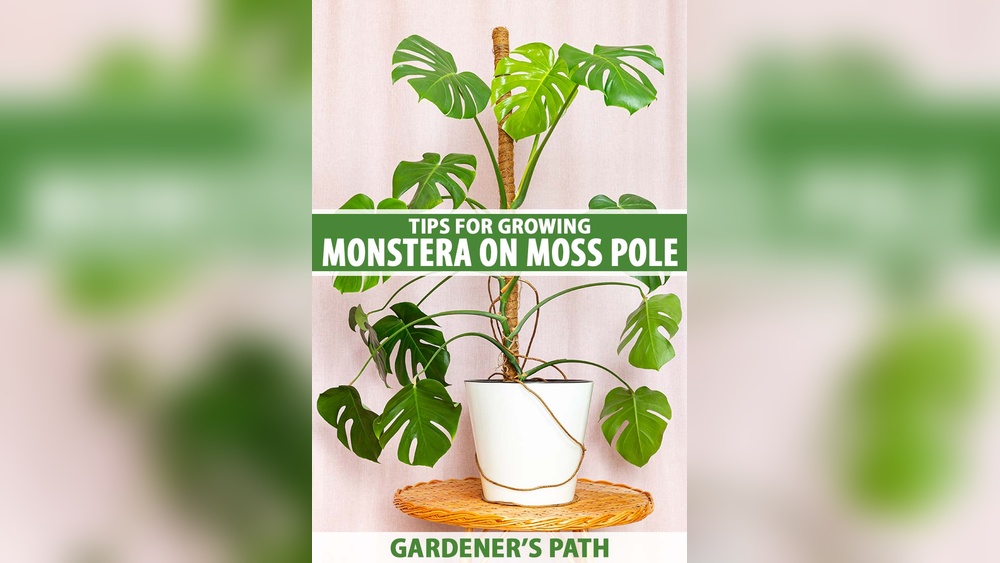
If you own a Monstera, you know how quickly it can grow wild and sprawling. But what if you could guide that growth in a way that makes your plant healthier, more vibrant, and stunning to look at?
Using a moss pole is the secret many plant lovers swear by to do just that. In this guide, you’ll learn exactly how to use a moss pole with your Monstera to support its natural climbing habit, encourage bigger leaves, and create a lush, tropical vibe in your home.
Ready to transform your Monstera into the centerpiece it deserves to be? Keep reading to discover simple steps that bring out the best in your plant.

Credit: hearthandvine.com
Benefits Of Moss Poles
Moss poles offer many benefits for Monstera plants. They create a natural support system that helps the plant grow strong and healthy. Using a moss pole mimics the Monstera’s natural habitat, encouraging better development and stability.
Here are some key advantages of using a moss pole with your Monstera.
Supporting Monstera Growth
Moss poles help Monsteras grow upright and tall. They prevent the plant from sprawling or bending under its own weight. This support allows leaves to spread out and absorb more light. A strong vertical growth pattern makes your Monstera look fuller and healthier.
Encouraging Aerial Roots
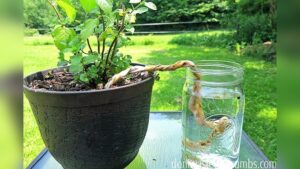
Monsteras naturally produce aerial roots to cling to trees. Moss poles provide a moist surface for these roots to attach to. This encourages the plant to grow more aerial roots. These roots help the Monstera absorb moisture and nutrients from the pole, boosting its overall health.
Improving Plant Stability
Moss poles increase the stability of your Monstera. The plant anchors itself firmly to the pole through its roots and stems. This reduces the risk of the plant tipping over, especially as it grows larger. A stable plant is less stressed and grows more evenly.
Choosing The Right Moss Pole
Choosing the right moss pole for your Monstera is essential for healthy growth. The pole supports the plant’s climbing habit and helps aerial roots attach securely. Picking a suitable moss pole ensures your Monstera thrives and looks beautiful. Consider material, size, and watering features carefully.
Material Options
Moss poles come in various materials. Coco coir poles are popular for their natural look and water retention. Sphagnum moss poles hold moisture well and encourage root growth. Some poles use synthetic materials, but natural ones are better for your Monstera’s health. Choose a material that holds moisture and supports roots firmly.
Size And Height Considerations
Pick a moss pole taller than your current Monstera height. It should allow room for growth. A pole too short will limit climbing and support. Measure your plant before buying. Consider the pot size and available space in your home. A sturdy pole prevents the plant from bending or breaking.
Self-watering Vs Traditional Poles
Self-watering moss poles have built-in water reservoirs. They keep the pole moist longer, reducing watering frequency. Traditional moss poles need regular soaking to stay wet. Self-watering poles suit busy plant owners or dry climates. Traditional poles work well if you can water consistently. Choose based on your care routine and environment.
Preparing Your Monstera
Preparing your Monstera before using a moss pole helps the plant grow strong and healthy. This step ensures your plant attaches well to the pole and climbs naturally. Start by understanding the root system and making sure it is clean and ready for support.
Assessing Root Structure
Check the roots carefully to see their shape and health. Healthy roots are firm and white or light brown. Look for any signs of rot or damage. A strong root system helps the Monstera grip the moss pole better. Notice if the aerial roots are long enough to reach the pole. These roots are important for climbing and will attach to the moss surface.
Trimming And Cleaning Roots
Remove any dead or rotten roots with clean scissors. Cut back only what is necessary to keep the plant healthy. Gently clean the roots by rinsing off old soil and debris. This step prevents diseases and helps the plant grow fresh roots. Avoid damaging healthy roots during cleaning. Clean roots can better absorb water and nutrients.
Repotting Tips
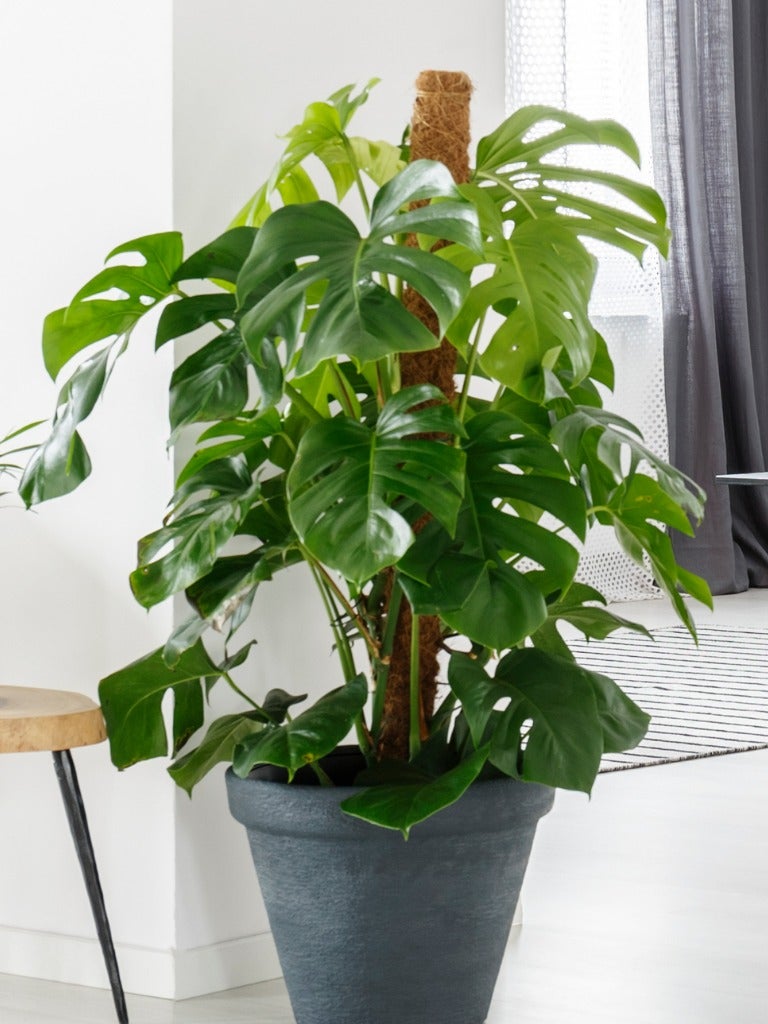
Choose a pot that fits your Monstera and moss pole comfortably. Use fresh, well-draining soil for repotting. Place the moss pole in the center or side of the pot before adding soil. Position the roots around the pole carefully. Fill soil evenly to support the plant and pole firmly. Water lightly after repotting to settle the soil around the roots. Repotting with a moss pole gives your Monstera the support it needs to climb and grow tall.
Credit: www.gardeningknowhow.com
Attaching The Monstera To The Pole
Attaching your Monstera to a moss pole helps support its natural climbing habit. It encourages vertical growth and keeps the plant stable. Proper attachment also allows the aerial roots to latch onto the moss, which improves moisture absorption. This section explains how to secure your Monstera without harming it.
Using Ties And Clips
Choose soft plant ties or clips to avoid cutting into the stem. Velcro ties or twist ties with a soft coating work well. Wrap the tie gently around the stem and moss pole, leaving some slack. Secure the tie without squeezing the stem tightly. Space the ties evenly along the stem to provide balanced support. Replace or adjust ties as the plant grows to prevent damage.
Anchoring Leaves Without Damage
Focus on supporting the main stem and larger nodes, not the leaves. Avoid tying the leaves directly to the pole as they can tear easily. Use clips designed for plants to hold stems near leaves if needed. Handle leaves gently to prevent bruising or breakage. Keeping leaves free from tight attachments helps maintain their health and appearance.
Positioning For Optimal Growth
Place the moss pole close to the Monstera’s main stem. Ensure the stem touches the pole so aerial roots can attach naturally. Position the plant in a bright spot with indirect light for best growth. Rotate the plant occasionally to encourage even climbing. Adjust the moss pole height as your Monstera grows taller for continuous support.
Watering The Moss Pole
Watering the moss pole is key to helping your Monstera thrive. The aerial roots of the Monstera will cling to the moss pole and absorb moisture from it. Keeping the pole moist encourages healthy growth and supports the plant’s natural climbing habit. Proper watering also prevents the moss from drying out and losing its effectiveness as a support medium.
When And How To Water
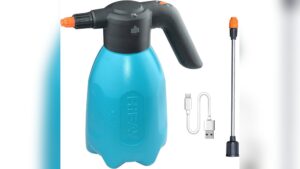
Water the moss pole when it feels dry to the touch. Check by gently squeezing the moss; if it feels dry or crunchy, it needs water. Use a watering can or spray bottle to soak the pole from top to bottom. Make sure the entire pole is evenly moist, not just the surface. Water slowly to allow the moss to absorb moisture without dripping excessively.
Avoiding Overwatering Soil
Do not water the moss pole so much that the soil becomes soggy. Excess water can cause root rot and harm your Monstera. After watering the pole, check the soil moisture by inserting your finger about an inch deep. If the soil feels wet or muddy, hold off on watering. Aim to keep soil moist but not waterlogged for the best plant health.
Maintaining Consistent Moisture
Keep the moss pole consistently moist by watering regularly, especially in dry environments. Mist the pole lightly in between thorough waterings to maintain humidity. Monitor the pole often during hot or dry weather to prevent it from drying out. Consistent moisture helps aerial roots grow strong and allows your Monstera to climb naturally.
Maintaining The Moss Pole
Maintaining your moss pole is key to supporting your Monstera’s healthy growth. A well-kept moss pole encourages aerial roots to attach and climb. It also keeps the plant stable and upright. Regular care prevents the moss from drying out or breaking down. This care is simple and takes little time.
Checking For Dryness
Check your moss pole often to see if it feels dry. Press the moss gently with your fingers. If it feels hard or crumbly, it needs water. Look for color changes too. Dry moss looks pale or faded. Moist moss stays dark green or brown. Regular checks help catch dryness early.
Rehydrating Techniques
To rehydrate the moss pole, soak it with water slowly. Use a spray bottle or pour water from the top. Make sure water reaches all parts of the pole. Avoid soaking the soil too much. Let excess water drain to stop root rot. Rehydration keeps moss soft and helps roots cling better.
Replacing Or Refilling Moss
Over time, moss may break down or fall off the pole. Replace old moss with fresh sphagnum moss for best results. Remove loose or dead moss carefully. Wrap new moss tightly around the pole and secure it with twine or string. Fresh moss holds moisture well and supports aerial roots.
Troubleshooting Common Issues
Troubles with moss poles and Monsteras can slow your plant’s progress. Problems like dry moss, root rot, or slow growth are common. Recognizing these issues early helps you fix them fast. Follow simple steps to keep your Monstera healthy and thriving with a moss pole.
Dealing With Dry Moss
Dry moss can stop aerial roots from attaching well. Check the moss pole regularly for dryness. Squeeze it gently; if it feels hard or crunchy, it needs water. Soak the moss pole fully from top to bottom. Use room temperature water to avoid shock. Keep moss moist but not dripping wet. Regular misting helps keep humidity high around roots.
Preventing Root Rot
Root rot happens when roots stay too wet too long. Avoid overwatering your Monstera’s soil. Water the moss pole separately, not the soil directly. Ensure the pot has good drainage holes. Use well-draining soil mix for your plant. Remove dead or yellow leaves quickly to prevent decay. If you see a foul smell or mushy roots, act fast. Cut away affected roots and repot in fresh soil.
Handling Slow Growth
Slow growth can mean your Monstera isn’t happy. Check light conditions; Monsteras like bright, indirect light. Ensure the moss pole is moist enough for aerial roots. Feed your plant monthly with a balanced fertilizer. Trim old or damaged leaves to encourage new growth. Make sure the plant is not too crowded in its pot. Patience is key; Monsteras grow steadily with care.

Credit: www.reddit.com
Advanced Tips For Vigorous Growth
To grow a Monstera vigorously using a moss pole, apply advanced care techniques. These tips support strong stems, larger leaves, and healthy aerial roots. The moss pole acts as a natural anchor, mimicking the plant’s native climbing environment. Proper use boosts growth and enhances the Monstera’s beauty.
Encouraging Vertical Climbing
Guide the Monstera’s aerial roots gently toward the moss pole. Use soft ties to secure loose stems without damaging them. Regularly check and adjust ties as the plant grows. Vertical climbing increases leaf size and improves overall health. It also saves space and creates a striking display.
Fertilizing Around The Pole
Feed the Monstera with balanced liquid fertilizer every four weeks during growth seasons. Apply fertilizer near the base but avoid direct contact with the moss pole. Nutrients absorb better through the roots in the soil. Healthy feeding supports strong climbing and vibrant leaves. Avoid over-fertilizing to prevent root burn.
Optimizing Light Exposure
Place the Monstera where it receives bright, indirect light. Direct sunlight can scorch the leaves and dry out the moss pole. Rotate the plant occasionally to ensure even light on all sides. Good light encourages robust climbing and leaf development. Adjust the plant’s position as seasons change for optimal growth.
Conclusion
Using a moss pole helps your Monstera grow strong and healthy. The plant climbs naturally, creating a fuller look. Keep the pole moist to support aerial roots well. Attach leaves gently to avoid damage. Regular care makes your Monstera thrive and look its best.
Enjoy watching your plant grow taller and more beautiful every day. A moss pole is a simple tool for happy Monsteras.