How to Use a Moss Pole: Ultimate Guide for Lush Indoor Plants
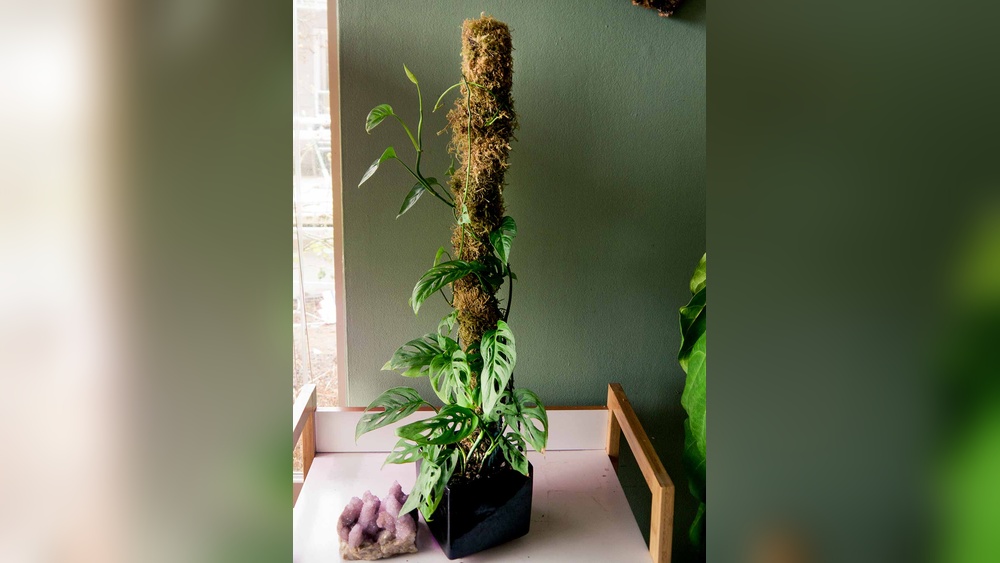
If you want your climbing plants to grow tall, strong, and healthy, using a moss pole is a game-changer. But how exactly do you use a moss pole to support your plants and encourage bigger, greener leaves?
You might have seen these poles in plant shops or online but aren’t sure where to start. This guide will walk you through simple, clear steps so you can help your plants climb naturally and thrive. By the end, you’ll have the confidence to use a moss pole like a pro, turning your indoor jungle into a vibrant, lush display.
Credit: terrariumtribe.com
Benefits Of Moss Poles
Moss poles offer several benefits for climbing plants. They provide structure, help plants grow bigger leaves, and improve root health. Using a moss pole can transform the way your plants grow and look. Here are some key benefits to consider.
Support For Climbing Plants
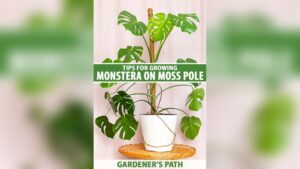
Moss poles give climbing plants strong support. Plants like Monstera and Philodendron naturally climb trees. A moss pole acts like a tree trunk, helping plants grow upright. This support prevents stems from breaking or bending. It also helps plants use less energy to stay upright.
Encouraging Larger Leaves
Plants growing on moss poles often develop larger leaves. Climbing plants get better air and light exposure. This helps the leaves grow bigger and healthier. Bigger leaves mean more photosynthesis, which keeps your plant strong and vibrant.
Improved Air Root Growth
Moss poles keep the environment moist, which encourages aerial roots. These roots help the plant absorb more water and nutrients from the air. Aerial roots also stabilize the plant as it climbs. A healthy root system means a happier, thriving plant.
Choosing The Right Moss Pole
Choosing the right moss pole is key to supporting your climbing plants well. A good moss pole helps the plant grow tall and strong. It also helps the plant’s aerial roots attach firmly. Picking the correct type, size, and material ensures the best support and health for your plant.
Different Types Of Moss Poles
Moss poles come in many varieties. Coco coir poles are popular because they hold moisture well. Sphagnum moss poles are softer and provide good humidity. Some poles use synthetic moss for durability. Each type offers different benefits for moisture and root attachment.
Size And Height Considerations
Choose a moss pole that matches your plant’s size. The pole should be taller than your plant’s current height. This allows room for growth. A pole too short will limit your plant’s climbing ability. Also, consider the pot size to keep the pole stable.
Materials And Durability
Material affects how long the moss pole lasts. Natural materials like coco coir and sphagnum moss are eco-friendly. They hold water and help roots grow. Plastic or synthetic poles last longer but may not hold moisture. Pick a durable pole that fits your watering routine and plant needs.
Preparing The Moss Pole
Preparing a moss pole is key to helping your climbing plants grow strong and healthy. It creates a moist, stable surface for aerial roots to attach and climb. Taking time to prepare the moss pole properly will improve your plant’s growth and support.
Soaking And Moistening
Start by soaking the moss pole in water. This helps the moss stay damp longer. Leave it in a bucket or sink for 15 to 30 minutes. The moss will absorb water and become soft. Moist moss encourages roots to attach and grow better.
After soaking, gently squeeze out extra water. The pole should be damp but not dripping. Too much water can cause mold or rot. Keep the moss moist by misting it regularly after placing it with your plant.
Filling With Bark Or Leca
Some moss poles have hollow centers. Fill these with bark chips or leca (clay pebbles) to add weight and improve drainage. This helps prevent water from pooling inside the pole. Bark and leca also create air pockets that keep the pole fresh.
Fill the pole loosely, so water can flow through easily. Avoid packing materials too tightly. A filled moss pole stays sturdy and supports your plant without becoming soggy or heavy.
Ensuring Stability
Place the moss pole firmly into the soil near your plant’s stem. Push it deep enough to stand upright without wobbling. If the pole is loose, your plant may not get proper support. For larger plants, use a wider pot or add rocks at the bottom for extra stability.
Check the pole regularly. Adjust or re-secure it if it starts to lean. A steady moss pole helps your plant climb naturally and grow bigger leaves over time.
Installing The Moss Pole
Installing a moss pole correctly helps your climbing plants grow strong and healthy. The pole supports the plant as it grows upward. Follow these simple steps to install it with care and precision. Proper installation encourages aerial roots to attach and absorb moisture, improving plant stability and health.
Positioning Near The Plant Stem
Place the moss pole close to the plant’s main stem. This allows the plant to climb naturally. Avoid placing the pole too far away, or the plant may not reach it. Make sure the pole stands straight and does not lean. Positioning the pole correctly helps the plant grow upright and balanced.
Inserting Into Soil Safely
Push the moss pole gently into the soil beside the plant. Do this slowly to avoid damaging the roots. If the pot is small, consider repotting into a larger one first. The pole should reach deep enough to stay stable. Insert it until it feels firm but not too tight against roots.
Securing The Pole Firmly
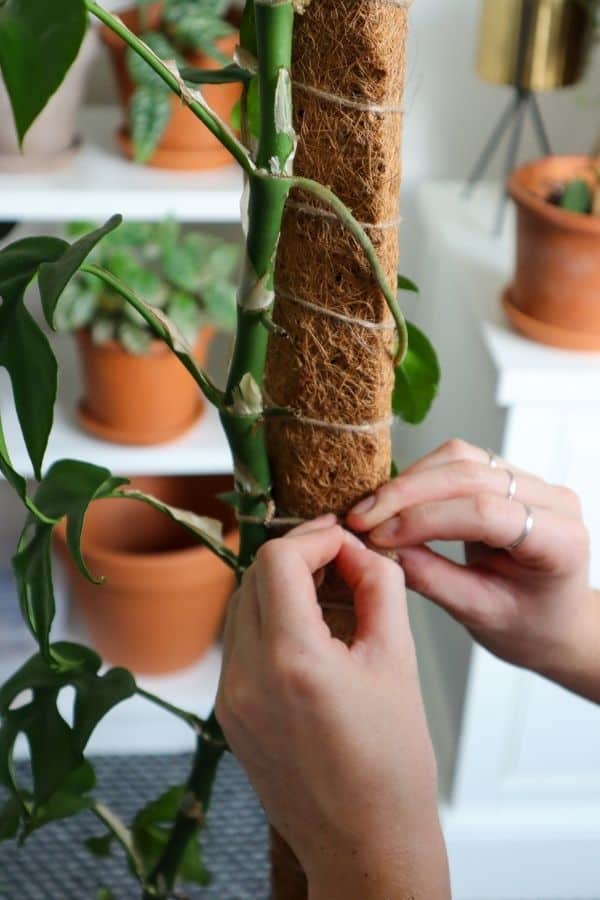
Make sure the moss pole is steady and will not wobble. Press the soil around the base to hold it in place. Use soft plant ties or twine to attach the stem loosely. Avoid tying too tight to prevent damage. Secure the plant at several points as it grows taller for extra support.
Attaching Plants To The Pole
Attaching plants to a moss pole helps support their natural climbing habit. It also encourages healthy growth and bigger leaves. Proper attachment keeps the plant stable and promotes aerial root contact with the moss pole. This connection allows the plant to absorb moisture and nutrients from the pole. Follow simple steps to secure your plant without causing damage.
Using Soft Ties And Clips
Use soft ties or plant clips to attach stems gently. Materials like cotton or fabric ties work best. Avoid ties that are too tight or rough. Wrap ties around the stem and pole loosely to allow growth. Clips provide easy adjustments as the plant grows. Check ties regularly and loosen them if needed.
Guiding Aerial Roots
Aerial roots help plants climb and absorb moisture. Guide these roots toward the moss pole for better support. Gently press them against the pole to encourage attachment. The roots will grow into the moss and anchor the plant. Keep the moss moist to attract these roots.
Avoiding Stem Damage
Handle stems with care during attachment. Do not tie too tightly to prevent crushing. Use padded or soft materials to protect delicate stems. Avoid forcing stems into unnatural positions. Secure the plant in a natural climbing posture. This reduces stress and promotes strong growth.
Maintaining Moisture Levels
Maintaining proper moisture levels is key to helping your plant thrive on a moss pole. The moss pole acts like a natural support, encouraging aerial roots to grow and attach to it. Keeping the moss damp creates a humid environment that benefits your climbing plant. Too little moisture can make the moss dry and brittle, while too much water can cause mold or rot. Finding the right balance ensures healthy growth and a strong hold.
Regular Misting Techniques
Misting the moss pole often keeps it damp but not soaked. Use a spray bottle to lightly mist the moss surface every few days. Focus on the moss area where the aerial roots touch the pole. Avoid heavy spraying that drips water down to the soil. Early morning or late afternoon is the best time to mist. This helps the water absorb slowly and prevents fungal growth.
Keeping The Pole Moist Without Overwatering
Soak the moss pole before placing it in the pot to start with good moisture. Then water the pole only when it feels dry to the touch. Use a watering can with a narrow spout to gently pour water on the moss. Avoid flooding the pole or the soil. Let excess water drain away to stop root rot. You can wrap the pole with sphagnum moss or coconut coir to hold moisture longer.
Monitoring Soil And Pole Moisture
Check both the moss pole and soil moisture regularly. Use your finger to feel the top inch of soil; it should be slightly damp. Also, touch the moss to see if it feels moist or dry. If the moss dries out quickly, increase misting frequency. If the soil stays wet for days, reduce watering to avoid root problems. A moisture meter can help track moisture levels precisely.
Training Plants On Moss Poles
Training plants on moss poles helps them grow tall and strong. The pole acts like a natural support, guiding the plant to grow upright. This method works well for climbing plants like Monstera, Philodendron, and Pothos. It also promotes healthier growth and better leaf shape. Follow these simple steps to train your plant effectively.
Encouraging Upright Growth
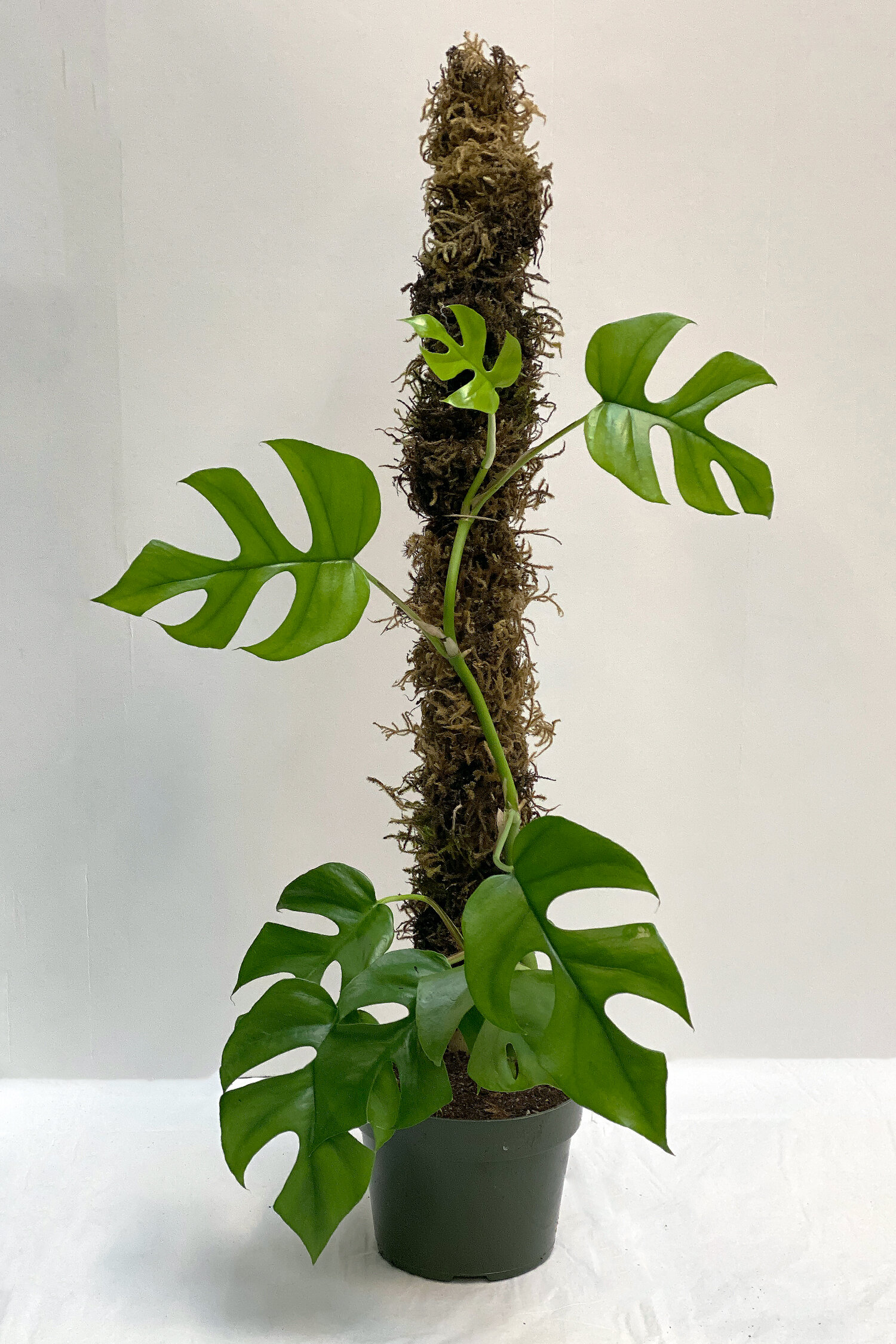
Start by placing the moss pole firmly in the soil near the plant’s main stem. Gently tie the plant’s stem to the pole using soft plant ties or strips. Avoid tying too tight to prevent damage. Guide the plant’s aerial roots to touch the moss pole. This encourages the roots to attach and helps the plant climb upward naturally.
Adjusting Ties As Plant Grows
Check the ties regularly as your plant grows. Loosen or move them up to avoid squeezing the stem. Replace old ties with new ones if they become tight or damaged. This adjustment keeps the plant comfortable and allows steady growth. Proper care ensures the plant stays secure and upright.
Shaping Foliage Arrangement
Use the moss pole to shape the plant’s leaves and branches. Gently bend and tie stems to direct foliage where you want it. This creates an attractive and balanced look. Training the plant this way helps it fill the space evenly and look fuller. It also improves light exposure for all leaves.
Credit: www.swansonsnursery.com
Common Mistakes To Avoid
Using a moss pole helps your climbing plants grow healthy and strong. Avoiding common mistakes makes the process easier and more effective. These errors can harm your plant or slow its growth. Learn what to watch out for to keep your plant happy and thriving.
Overtightening Ties
Tying the plant too tightly to the moss pole can damage stems. It stops natural growth and may cut off water flow. Use soft ties and leave some space for the plant to move. Check ties regularly and loosen them as the plant grows bigger.
Neglecting Pole Moisture
Moss poles need regular watering to stay moist. Dry poles do not support aerial roots well. Mist the pole often or soak it lightly to keep moisture inside. A wet pole helps roots attach and absorb water better.
Ignoring Pot Size And Stability
Using a small or unstable pot with a moss pole can cause tipping. The pole and plant together add weight. Choose a pot large enough to hold both safely. Make sure the moss pole is firmly planted in the soil for support.
When To Use Moss Poles
Moss poles provide essential support for climbing and vining plants. Knowing when to use them helps your plants grow strong and healthy. Using moss poles at the right time encourages vertical growth and mimics natural conditions. It also prevents stems from bending or breaking under their own weight.
Best Plant Types For Poles
Plants that climb or vine naturally benefit most from moss poles. Popular examples include Monstera, Philodendron, and Pothos. These plants produce aerial roots that attach easily to moss. Other good candidates are climbing figs and some types of hoya. Avoid using moss poles for plants that grow upright or bushy.
Signs Your Plant Needs Support
Look for long, trailing stems that droop or lean. Leaves may appear spaced far apart due to stretching for light. Aerial roots growing away from the soil indicate climbing habits. If stems bend easily or the plant struggles to stay upright, a moss pole can help. Support improves air circulation and promotes healthier growth.
Timing For Installing A Pole
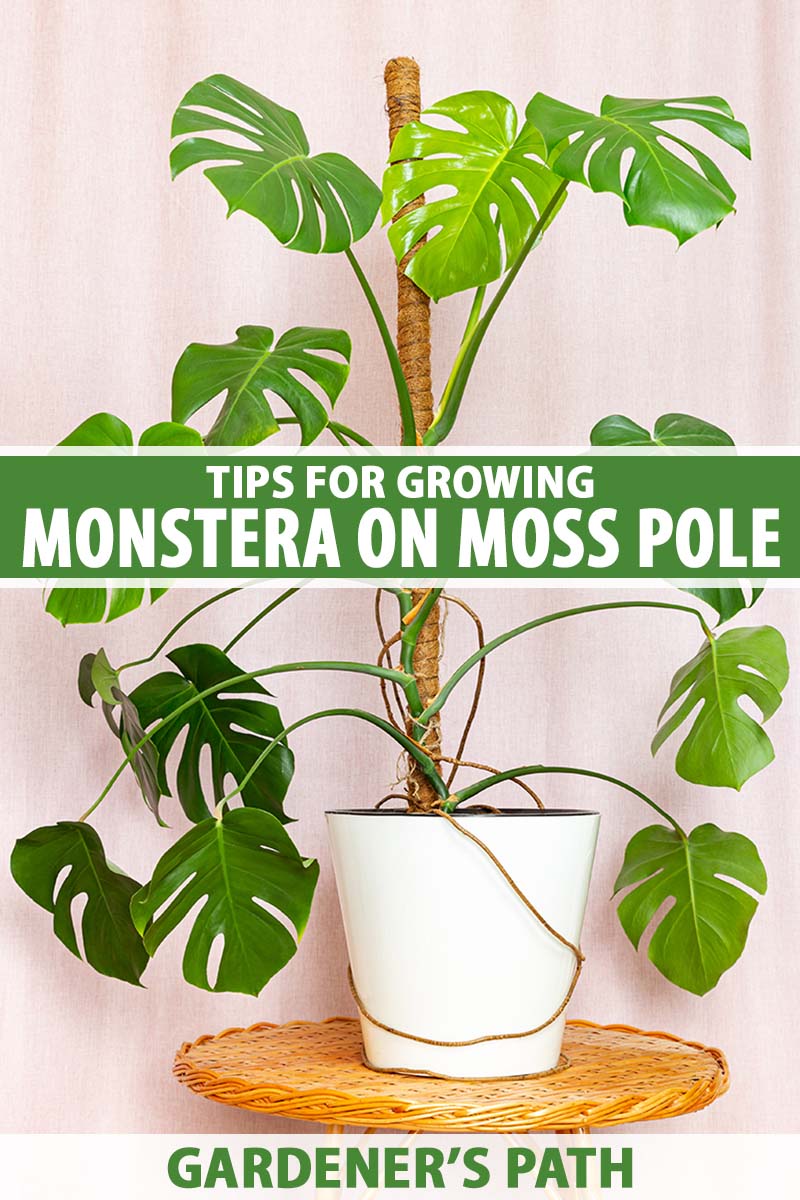
Install a moss pole early, before the plant becomes too tall or heavy. This allows stems to attach naturally as they grow. Adding a pole after the plant has grown large may cause damage when repositioning. For young plants, insert the pole when you repot. Always secure the plant gently to avoid breaking stems.
Credit: gardenerspath.com
Conclusion
Using a moss pole helps your plants grow strong and tall. It supports climbing plants and encourages aerial roots. Keep the pole moist to help roots attach and absorb water. Tie stems gently without squeezing them too tight. Regular care makes your plant healthier and more beautiful.
Try adding a moss pole to your plant setup today. You will see the difference in growth and stability soon.