How to Repot Monstera With Moss Pole: Easy Steps for Thriving Plants
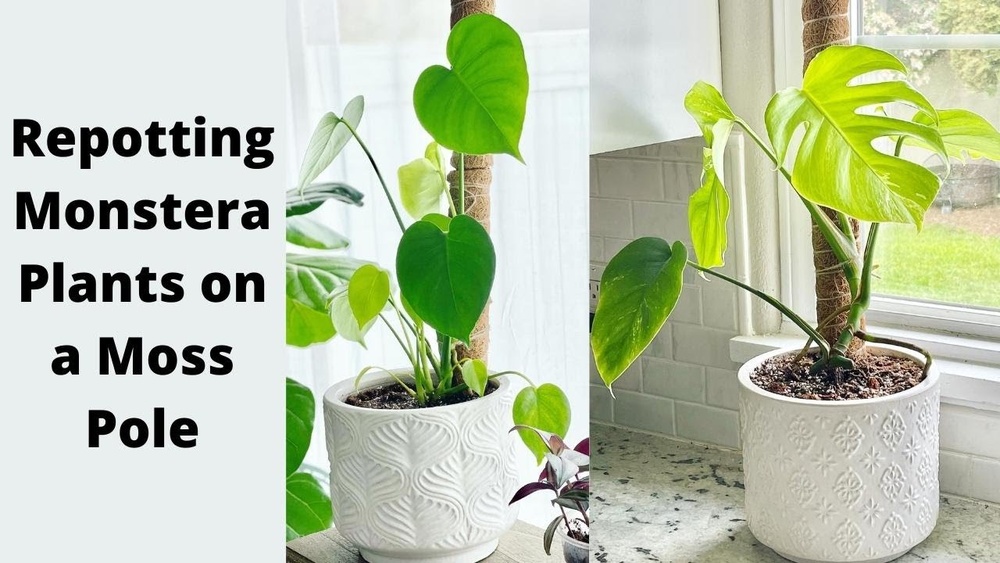
If you love your Monstera and want it to grow strong and tall, repotting it with a moss pole is a game-changer. You might wonder how to do this without stressing your plant or making a mess.
The good news? It’s easier than you think. By adding a moss pole during repotting, you give your Monstera the support it needs to climb naturally, encouraging healthier growth and those iconic split leaves you adore. In this guide, you’ll learn simple, step-by-step tips to repot your Monstera with a moss pole, so your plant thrives and becomes the centerpiece of your space.
Choosing The Right Pot
Choosing the right pot is key to healthy Monstera growth. The pot must fit the plant’s root system well. It also needs to support the moss pole firmly. A good pot keeps your Monstera stable and allows roots to grow freely.
Pot Size And Shape
Select a pot slightly larger than the current one. This gives roots room to expand without drowning in too much soil. A pot about 2 inches wider in diameter than the old pot works well. Choose a pot that is tall enough to hold the moss pole securely. Round pots are ideal for even root growth. Avoid very shallow pots that limit root depth. The pot’s size affects moisture retention and root space.
Drainage Importance
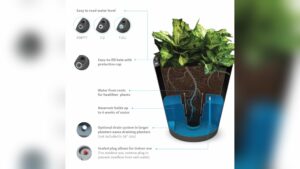
Drainage holes are essential to prevent water buildup. Excess water can cause root rot and damage your Monstera. Check that the pot has several drainage holes at the bottom. If your pot lacks holes, add some or use it only as a decorative cover. Place a layer of gravel or small stones at the pot’s base to improve drainage. Good drainage keeps roots healthy and soil from becoming soggy.
Selecting A Moss Pole
Selecting the right moss pole is important for supporting your Monstera’s growth. The pole acts as a scaffold for the plant’s aerial roots. This helps the Monstera climb and stay stable. Choosing a moss pole that fits your plant’s size and needs ensures healthy growth and a neat appearance.
Types Of Moss Poles
Moss poles come in various materials like sphagnum moss, coco coir, and synthetic fibers. Sphagnum moss poles hold moisture well. They encourage root attachment and keep the air around roots humid. Coco coir poles are durable and eco-friendly. Synthetic poles are less common but last longer and resist decay. Pick a type that fits your watering habits and environment.
Pole Height And Thickness
Choose a pole taller than your Monstera’s current height. This gives room for new growth to climb. A pole about 6 to 12 inches taller works well. Thickness matters too. Thin poles may not support heavy plants. Thick poles provide better stability. Match the pole’s thickness to your Monstera’s size and weight. A sturdy pole prevents tipping and damage.
Preparing The Monstera
Preparing your Monstera before repotting is a key step for a healthy plant. It helps the roots adapt and grow well with the new moss pole support. Proper preparation reduces transplant shock and encourages strong growth. Follow these simple steps to get your Monstera ready.
Checking Root Health
Gently remove the Monstera from its pot to inspect the roots. Healthy roots are firm and white or light tan. Cut away any brown, mushy, or rotten roots with clean scissors. This prevents disease and promotes better nutrient absorption.
Removing Old Soil
Shake off or wash away the old soil from the roots. Removing old soil helps you spot root issues early. It also makes space for fresh, nutrient-rich soil. Be careful not to damage the roots while cleaning.
Handling Aerial Roots
Monstera plants have aerial roots growing above the soil. These roots help the plant climb and absorb moisture. Gently untangle and straighten the aerial roots. You can attach them later to the moss pole for extra support.

Credit: mythos3design.com
Setting Up The Moss Pole
Setting up the moss pole properly is key to supporting your Monstera’s growth. A well-prepared pole helps the plant climb naturally and stay healthy. It also encourages larger leaves and stronger stems. Follow these simple steps to get your moss pole ready for repotting.
Soaking And Securing The Pole
Start by soaking the moss pole in water for 20 to 30 minutes. This keeps the moss moist, which helps the Monstera’s aerial roots attach easily. After soaking, shake off excess water but keep the pole damp. Secure the moss tightly around the pole using garden twine or zip ties. This prevents the moss from falling off as the plant grows.
Positioning Inside The Pot
Place the moss pole in the center or slightly to the side of the new pot. Push it deep enough to stay stable and support the plant’s weight. Make sure the pole does not touch the pot’s edges to avoid damage. Position the Monstera close to the pole so the stems can be gently tied to it. This setup helps the plant climb and grow upright with firm support.
Repotting Steps
Repotting your Monstera with a moss pole helps the plant grow strong and healthy. Follow these clear steps for best results. Each step ensures your Monstera adjusts well to its new home and support.
Removing The Plant From Old Pot
Gently tip the pot on its side. Hold the base of the plant firmly. Slowly pull the Monstera out with the root ball intact. Avoid shaking off too much soil. This keeps roots safe and moist.
Loosening The Roots
Check the roots for tightness. Use fingers to loosen compacted roots carefully. Untangle any circling roots to encourage outward growth. Trim any dead or rotten roots with clean scissors. This step helps the plant absorb nutrients better.
Placing The Plant And Pole
Position the moss pole in the new pot first. Make sure it is stable and upright. Set the Monstera beside the pole. Align the roots so they spread evenly around the pole. Hold the plant steady for the next step.
Filling With Fresh Soil
Fill the pot with fresh, well-draining soil. Add soil around the root ball and moss pole. Press soil gently to remove air pockets. Avoid burying the stem too deeply. Water the plant lightly after repotting.
Training The Monstera
Training your Monstera to grow on a moss pole helps it grow strong and healthy. The pole gives support like the tree trunks Monsteras climb in nature. Guiding the vines upward encourages bigger leaves and a fuller plant. This process takes patience and care. Follow simple steps to secure the vines and promote climbing growth.
Tying Vines To The Pole
Use soft plant ties or strips of cloth to tie the vines gently. Avoid tight knots to prevent damage to the stems. Tie the vines at intervals, starting from the base and moving upward. This keeps the plant stable and helps it grow upward. Check ties often and adjust as the plant grows to allow room for thickening stems.
Encouraging Climbing Growth
Place the moss pole in a bright spot with indirect sunlight to encourage climbing. Water the moss regularly to keep it moist, which helps aerial roots attach. Gently press aerial roots into the moss to help them grip. This support mimics the plant’s natural environment. As the Monstera climbs, it becomes stronger and develops larger leaves with the classic splits and holes.
Aftercare Tips
Proper aftercare ensures your Monstera thrives after repotting with a moss pole. The plant adjusts better and grows strong. Pay attention to watering, light, humidity, and feeding to keep it healthy. Follow these simple tips to support your Monstera’s new setup.
Watering Techniques
Water your Monstera thoroughly but allow the top inch of soil to dry first. Avoid overwatering as it can cause root rot. Use room temperature water to avoid shocking the roots. Check moisture regularly, especially during warmer months. The moss pole may hold some moisture, so keep it damp but not soaked.
Light And Humidity
Place your Monstera in bright, indirect light for best growth. Direct sunlight can burn the leaves. Maintain humidity around 60% or higher. Use a humidifier or mist the leaves regularly. The moss pole benefits from humidity, helping aerial roots to climb and absorb moisture. Good airflow prevents mold and pests.
Fertilizing Schedule
Feed your Monstera once a month during spring and summer. Use a balanced, water-soluble fertilizer diluted to half strength. Avoid fertilizing in winter when growth slows down. Fertilizer supports leaf growth and root health. Always water the soil before applying fertilizer to prevent root burn.

Credit: www.reddit.com
Common Mistakes To Avoid
Repotting your Monstera with a moss pole can boost its growth and keep it healthy. Avoiding common mistakes ensures a smooth transition. These errors can stress your plant or slow growth. Pay attention to pot size, stem placement, and support needs. Doing this right helps your Monstera thrive and climb well.
Overcrowding The Pot
Choosing a pot too small restricts root growth. Roots need space to spread and absorb nutrients. Overcrowding causes poor drainage and root rot. Pick a pot slightly bigger than the current one. This gives room for roots and soil to breathe. Avoid pots that are too large; they hold excess moisture.
Burying The Stem Too Deep
Planting the stem too deep can cause stem rot. The stem should sit just above the soil line. Deep burial traps moisture and invites disease. Keep the base of the stem visible and dry. This helps the plant breathe and prevents decay. Check stem depth before filling soil.
Ignoring Support Needs
Monsteras need proper support to grow upright. The moss pole should be sturdy and tall enough. Tie the plant gently to the pole with soft ties. Loose support makes the plant lean or fall. Tight ties can damage the stem and leaves. Adjust ties as the plant grows for best support.

Credit: www.reddit.com
Conclusion
Repotting your Monstera with a moss pole helps the plant grow strong. The moss pole offers support for climbing and stability. Fresh soil gives roots room to spread and breathe. Keep the stem at the right depth to avoid rot.
Tie the leaves gently to the pole for balance. Regular care will keep your Monstera healthy and happy. Enjoy watching your plant thrive with this simple method. Your green space will look lively and fresh.