How to Make Outdoor Hanging Planters: Easy Steps for Stunning Gardens
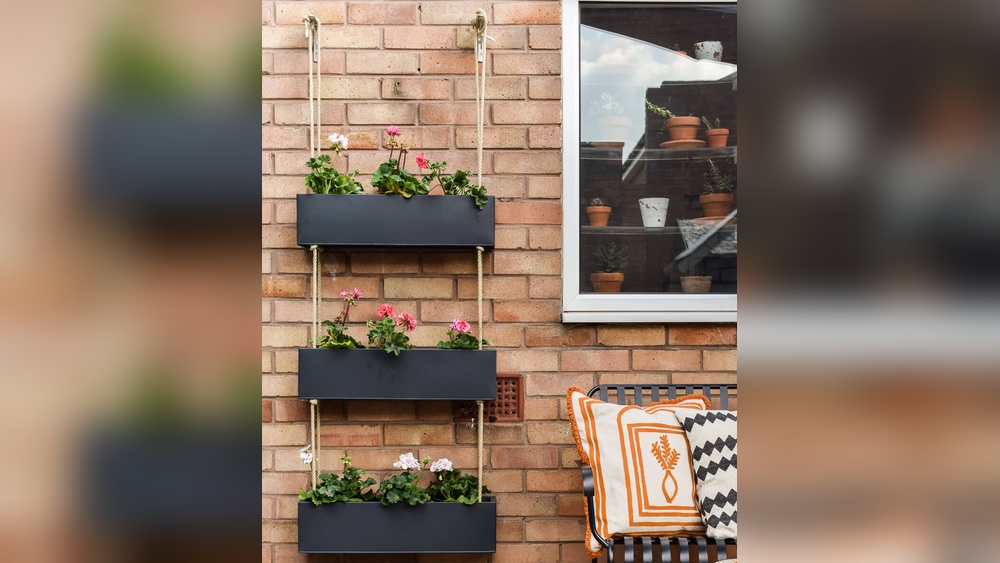
Looking to add a fresh, green touch to your outdoor space? Making your own outdoor hanging planters is easier than you think—and it’s a fun way to bring life and color to your porch, balcony, or garden.
Imagine stepping outside and seeing your favorite flowers or herbs hanging beautifully, catching the breeze and brightening your day. In this guide, you’ll discover simple steps to create stunning hanging planters that fit your style and space perfectly. Ready to transform your outdoor area with a personal touch?
Choosing The Right Materials
Choosing the right materials is key to making strong, lasting outdoor hanging planters. The materials affect how well your planter holds up in weather. They also impact plant health and ease of use. Think about what you need before you start. This helps you pick the best containers, hardware, and soil.
Selecting Durable Containers
Choose containers that resist rain, sun, and wind. Plastic pots are light and do not break easily. Clay pots look nice but can crack in cold weather. Metal containers are tough but may heat up too much in the sun. Consider containers with good drainage holes. Drainage stops water from pooling and hurting roots.
Best Hanging Hardware Options
Strong hardware keeps your planter safe and stable. Use hooks made of stainless steel or coated metal to avoid rust. Chains work well for heavy planters. Nylon ropes are good for lighter pots. Make sure all hanging parts can hold the planter’s weight plus the soil and water.
Soil And Plant Choices
Pick soil that drains well but holds some moisture. Potting mix with peat or coconut coir works best. Avoid garden soil; it can be too dense. Choose plants that suit your climate and light. Some flowers and herbs do well in hanging planters. This keeps plants healthy and growing strong outdoors.
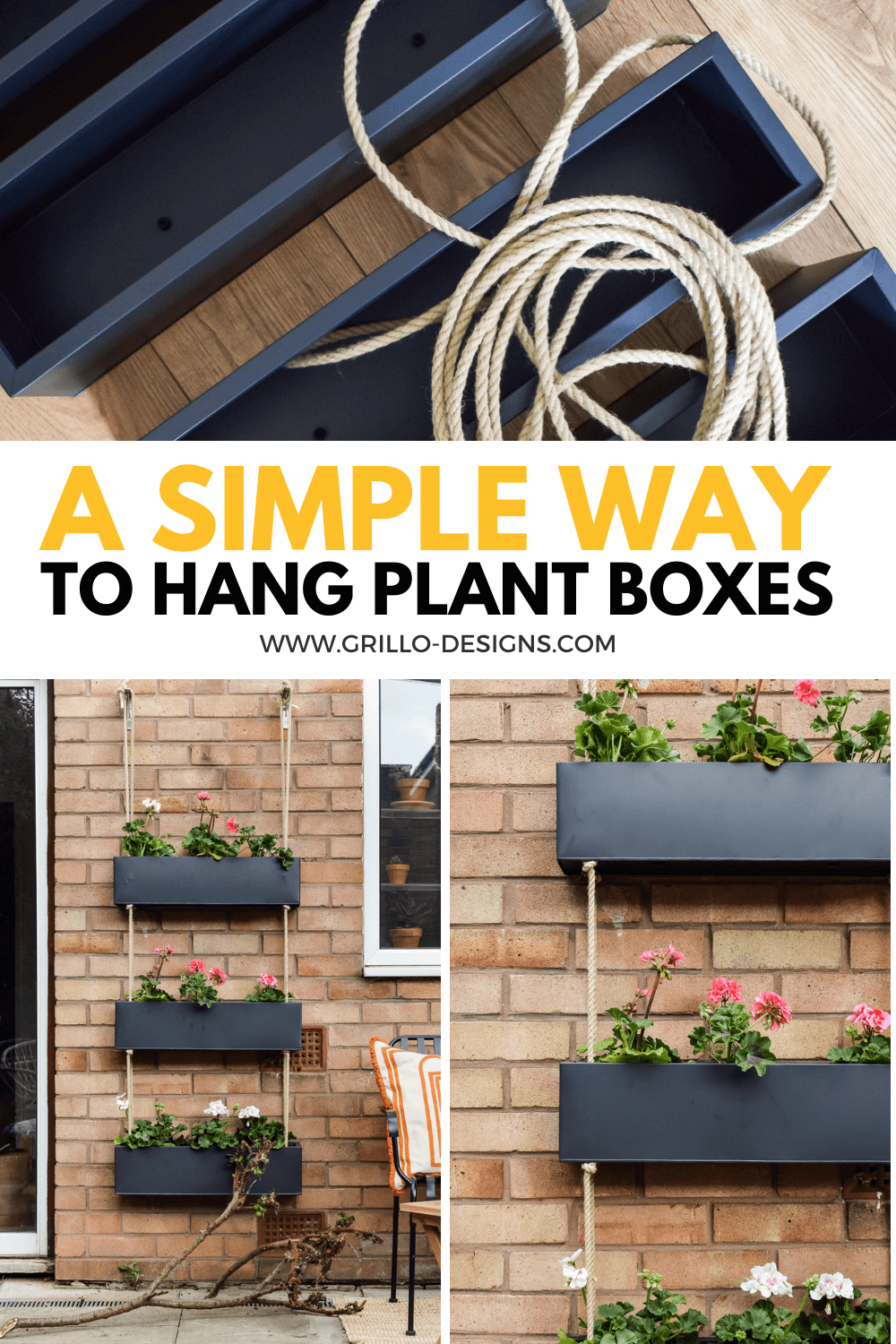
Credit: grillo-designs.com
Preparing Your Planters
Preparing your planters is a key step in making outdoor hanging planters. It helps your plants grow strong and healthy. Taking time to prepare your containers right will keep your plants happy for a long time.
Start by making sure your planter is clean and ready. Then create space for water to escape. Finally, add soil that will give your plants the nutrients they need.
Cleaning And Drilling Containers
Use old containers or buy new ones. Clean them well with soap and water. Remove dirt and dust. Let them dry completely before use.
Drill holes at the bottom of the container. This allows excess water to drain out. Avoid water buildup that can harm roots. Use a drill bit that matches the container material.
Adding Drainage Layers
Add a layer of small stones or broken pottery pieces at the bottom. This helps water flow out easily. It stops the soil from getting too wet. Drainage layers protect roots from rotting.
Filling With Soil
Use a good quality potting mix for your plants. Fill the container, leaving some space at the top. Avoid soil that is too dense or heavy. Light, loose soil helps roots grow well. Gently pat the soil but do not pack it tightly.
Planting Techniques
Planting techniques play a key role in creating beautiful and healthy outdoor hanging planters. Proper planting helps plants grow well and look attractive. This section covers how to arrange plants, care for their roots, and maintain watering and fertilizing routines.
Arranging Plants For Visual Appeal
Choose plants with different heights and colors for a balanced look. Place taller plants in the center or back. Use trailing plants to hang over the edges. Fill gaps with small, bushy plants. This creates depth and interest in your planter.
Tips For Root Health
Use quality potting soil with good drainage. Avoid compacting the soil too much around roots. Gently loosen root balls before planting. Do not plant too deep; keep roots near the surface. Check roots regularly to avoid root rot or pests.
Watering And Fertilizing
Water plants when the top inch of soil feels dry. Use a watering can with a narrow spout for control. Feed plants with a balanced liquid fertilizer every two weeks. Avoid overwatering as it can harm roots. Adjust watering and feeding based on weather and plant type.
Hanging Your Planters
Hanging your outdoor planters adds charm and saves space. Proper hanging keeps plants healthy and safe. It also ensures your planters stay in place during wind or rain. Follow these steps for a secure and beautiful display.
Choosing The Perfect Location
Select a spot with enough sunlight for your plants. Avoid places with strong wind or heavy rain. Consider the planter’s weight and size. Choose a place easy to reach for watering and care. Check if the location enhances your garden’s look.
Installing Hooks And Supports
Use sturdy hooks that hold the planter’s weight. Screw hooks into solid wood or wall studs. Avoid drywall alone; it cannot hold heavy planters. Use a drill for precise holes and secure fittings. Make sure hooks are level and spaced properly.
Ensuring Stability And Safety
Double-check the hooks and supports after installation. Use strong ropes or chains to hang the planter. Test the planter’s stability by gently shaking it. Secure loose ends and trim excess rope. Keep children and pets away during installation.
Maintaining Hanging Gardens
Maintaining outdoor hanging gardens keeps plants healthy and beautiful. It takes some care but rewards you with vibrant blooms and fresh greenery. Regular attention helps plants grow strong and last longer in the hanging planters.
Regular Watering Schedule
Hanging plants dry out faster than ground plants. Water them often, especially in hot weather. Check soil moisture daily by touching the soil surface. Water deeply until water drains from the planter holes. Avoid letting the soil become too dry or soggy.
Pruning And Deadheading
Cut back dead or yellow leaves to keep plants neat. Remove faded flowers to encourage new blooms. Pruning also helps plants grow fuller and prevents disease. Use clean scissors or pruning shears for best results.
Seasonal Care Tips
Adjust care with the seasons. In hot months, increase watering and provide shade if needed. During colder seasons, protect plants from frost and reduce watering. Remove dead plants and refresh soil before planting new ones in spring.
Creative Design Ideas
Creative design ideas make outdoor hanging planters stand out. They bring life and charm to any space. Simple changes can create a unique look. Explore ways to add style and personality to your planters.
Using Recycled Materials
Recycled materials offer a budget-friendly option. Old jars, cans, and bottles become perfect planters. These items add a rustic and eco-friendly touch. Paint or decorate them for extra flair. Using recycled materials helps reduce waste and saves money.
Combining Colors And Textures
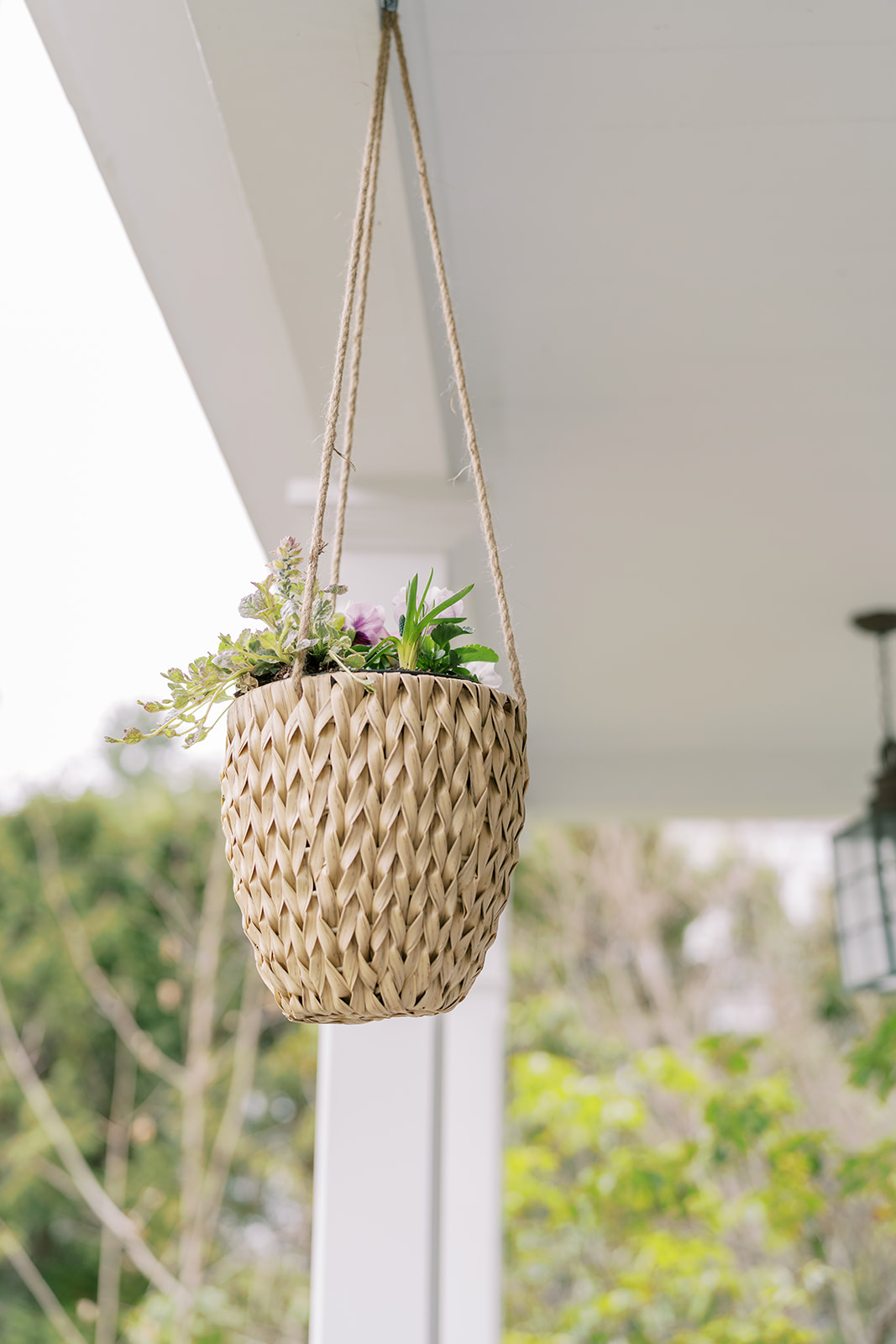
Mixing colors and textures creates visual interest. Bright pots with green plants catch the eye. Rough textures like wood or rope contrast smooth leaves. Try pairing different materials for a lively effect. This approach makes your hanging garden feel inviting and fresh.
Incorporating Lighting
Lighting adds warmth and magic to outdoor planters. Small LED lights or fairy lights work well. Wrap lights around the hanger or pot. Soft light highlights the plants at night. It creates a cozy and attractive outdoor space.
Credit: www.findinglovely.com
Frequently Asked Questions
What Materials Do I Need For Outdoor Hanging Planters?
You need pots, strong ropes or chains, hooks, soil, and plants suitable for outdoors.
How Do I Choose The Right Plants For Hanging Planters?
Pick plants that tolerate wind and sun, like succulents or trailing vines.
Can I Make Hanging Planters From Recycled Materials?
Yes, old containers, jars, or baskets can be reused as hanging planters.
How Do I Hang Outdoor Planters Securely?
Use sturdy hooks fixed into beams or walls that can hold the planter’s weight.
How Often Should I Water Outdoor Hanging Planters?
Water when the soil feels dry; usually every 3-5 days depending on weather.
Conclusion
Creating outdoor hanging planters can brighten any space quickly. Choose materials that suit your style and weather. Fill planters with plants that thrive outside. Hang them where they get enough sunlight and air. Regular care keeps your plants healthy and growing.
This simple project adds charm to gardens and patios. Enjoy watching your green space come alive each day. Try different plants and designs for variety and fun. Small efforts bring big changes to your outdoor area. Start your hanging planter journey today and see the joy.