How to Make Hanging Planters With Rope: Easy DIY Guide
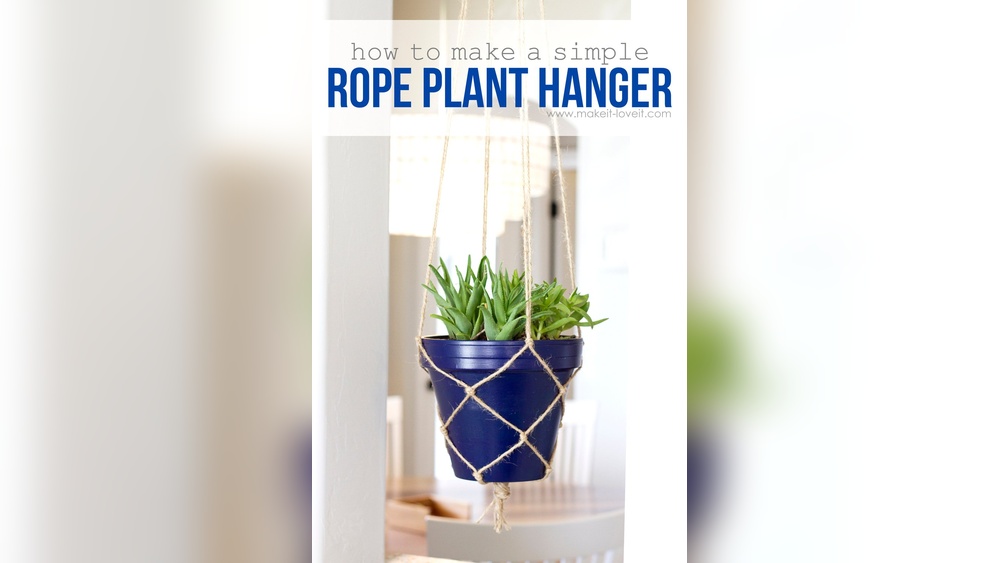
Are you looking for a simple and stylish way to bring greenery into your space? Making hanging planters with rope is a creative and fun project you can easily do at home.
Not only will you add a unique touch to your décor, but you’ll also enjoy the satisfaction of crafting something with your own hands. Imagine your favorite plants gracefully hanging, creating a cozy and natural vibe in any room. Keep reading, and you’ll discover easy steps to transform plain rope into beautiful, eye-catching planters that anyone can make.

Credit: www.youtube.com
Materials Needed
Starting a hanging planter project is simple with the right materials. Each item helps build a strong, beautiful planter to hold your plants safely. Prepare all supplies before you begin for smooth crafting.
Rope
Choose a sturdy rope that can hold weight. Natural fibers like jute or cotton work well. They add a rustic look and are easy to knot.
Planter Pot
Select a pot with drainage holes. It should fit the size of your rope design. Lightweight pots are easier to hang and manage.
Scissors
Use sharp scissors to cut rope cleanly. This helps prevent fraying and keeps knots neat. Keep them handy throughout the process.
Measuring Tape
Measure rope lengths accurately. Consistent lengths make your planter look balanced and professional. Mark the rope before cutting.
Hook Or Ceiling Mount
Secure your planter by installing a strong hook. Choose a ceiling or wall mount that can hold the planter’s weight safely.
Optional: Beads Or Decorations
Add beads or wooden rings for extra style. They slide onto the rope and enhance the planter’s look. Use simple decorations to keep it neat.
Choosing The Right Rope
Choosing the right rope is a key step in making hanging planters with rope. The rope must be strong enough to hold the planter and soil weight. It also should resist weather changes if you hang the planter outside. Picking the correct rope ensures safety and durability for your project.
Types Of Rope Suitable For Hanging Planters
Natural ropes like jute, hemp, and cotton are popular choices. They offer a rustic, natural look. Synthetic ropes such as nylon and polyester are very strong and resist moisture well. Each type has its benefits depending on your planter’s location and style.
Rope Thickness And Strength
Thicker ropes usually hold more weight. Choose a rope with at least 1/4 inch thickness for small to medium planters. For heavier plants, select a thicker, stronger rope. Always check the weight limit of the rope before buying.
Durability And Weather Resistance
Ropes exposed to sun and rain need to last long. Synthetic ropes handle moisture and sun better than natural ones. Natural ropes may decay or weaken over time outdoors. Consider a rope with UV resistance for outdoor use.
Comfort And Appearance
Soft ropes like cotton feel nice to touch and look clean. Rough ropes add a rustic charm to your planter. Choose a rope that matches your decor style and feels comfortable to work with.
Selecting Planters
Selecting the right planter is the first step for a beautiful hanging rope planter. The planter must be light enough to hang safely. It also needs proper drainage to keep plants healthy. The style and size affect both the look and function. Choose a planter that fits your space and plant type. This section covers essential tips for choosing planters for rope hangers.
Selecting The Material
Planters come in many materials like plastic, ceramic, metal, and wood. Plastic is light and easy to hang. Ceramic looks nice but can be heavy. Metal is strong but may rust. Wood gives a natural look but needs sealing. Pick a material that suits your style and weight limits.
Choosing The Right Size
Size matters for both plants and rope strength. Small planters hold small plants and less soil. Large planters need thicker rope for support. Match the planter size with the plant’s growth needs. Avoid planters too big for your rope’s capacity.
Ensuring Proper Drainage
Drainage holes prevent water buildup that harms roots. Check if the planter has holes or add some. Use a saucer or liner to catch extra water. Good drainage keeps your plants healthy and thriving.
Picking The Shape
Round, square, or oval shapes each offer a different look. Round planters hang evenly and balance well. Square or oval shapes add a modern touch. Choose a shape that fits your decor and space.
Basic Knots For Hanging Planters
Knowing basic knots is important for making rope hanging planters. These knots hold the planter securely. They also give a neat look. Learning three simple knots helps you start easily. Each knot has a special use and style. Practice these to build your skills.
Square Knot
The square knot joins two rope ends tightly. It is strong and lies flat. This knot stops slipping and works well for planter ropes. To tie, cross the right rope over left, then left over right. Pull tight. This knot keeps the planter steady and balanced.
Lark’s Head Knot
The lark’s head knot attaches rope to a ring or bar. It is quick and simple. Fold the rope in half. Place the loop around the ring. Pull the rope ends through the loop. Tighten to secure. This knot holds the planter’s hanger in place firmly.
Gathering Knot
The gathering knot bundles several ropes together. It keeps the ropes neat and tidy. Wrap a short rope around all the ropes several times. Pass the end through the wraps. Pull to tighten. This knot supports the planter by holding all ropes evenly.
Step-by-step Guide To Making A Hanging Planter
Creating a hanging planter with rope is simple and fun. This step-by-step guide will help you make one at home. Follow these easy instructions to craft a stylish holder for your plants.
Measuring And Cutting The Rope
Start by choosing a strong rope. Measure four equal lengths, about 3 feet each. Cut the rope cleanly to avoid fraying. These pieces will hold your planter securely.
Tying The Base Knots
Gather all rope ends together. Tie a tight knot about 6 inches from one end. This knot will form the bottom that supports the planter. Make sure it is strong and neat.
Securing The Planter
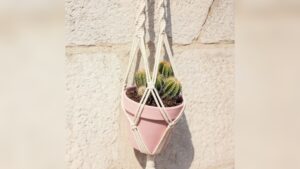
Place your planter above the base knot. Spread the ropes evenly around the pot. Tie another knot above the pot’s rim to hold it firmly. Check that the pot sits balanced.
Creating The Hanging Loop
Bring the loose rope ends together above the planter. Tie a large loop with a secure knot. This loop will hang on a hook or ceiling nail. Test the strength before hanging your planter.
Tips For Styling Your Hanging Planters
Styling hanging planters with rope can brighten any space. These tips help you create a fresh, natural look. Simple choices make a big difference. Use these ideas to fit your style and home.
Choose The Right Plants For Your Space
Select plants that suit your lighting and temperature. Small ferns, succulents, and trailing vines work well. Pick plants that stay healthy with little care.
Mix Different Rope Textures And Colors
Use ropes with varied thickness and shades. Natural jute or cotton ropes give a rustic feel. Bright ropes add a playful touch to your decor.
Vary The Heights Of Your Hanging Planters
Hang planters at different levels for visual interest. This creates a layered look that feels lively. Avoid placing all planters at the same height.
Group Planters In Odd Numbers
Group plants in threes or fives for balance. Odd numbers look natural and pleasing to the eye. Even numbers can feel too formal or stiff.
Use Decorative Knots And Wraps
Add knots or wraps to your rope for style. Macramé patterns bring texture and charm. Keep knots tight for safety and neatness.
Match Planters To Your Room’s Style
Pick planter pots that fit your room’s theme. Rustic pots work well with wood furniture. Modern spaces suit sleek, simple containers.
Caring For Hanging Plants
Caring for hanging plants is simple with the right steps. These plants add beauty and life to any space. Keeping them healthy needs regular attention. Small daily habits make a big difference.
Hanging plants need proper water, light, and air. They also need clean leaves and good soil. Taking care of them helps them grow strong and look fresh.
Watering Hanging Plants
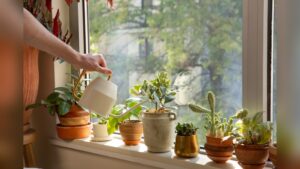
Water hanging plants carefully. Check the soil before watering. If the soil feels dry, water the plant. Avoid overwatering to stop root rot. Use a watering can with a narrow spout for control. Water slowly to reach all roots.
Providing The Right Light
Place hanging plants where they get enough light. Most plants like bright, indirect sunlight. Avoid direct sunlight as it can burn leaves. Rotate the plants every week. This helps all sides get light evenly.
Maintaining Air Circulation
Good air circulation stops mold and pests. Hang plants where air moves freely. Avoid tight corners or crowded spaces. A small fan can help in rooms with little air flow.
Pruning And Cleaning Leaves
Remove dead or yellow leaves regularly. This keeps plants healthy and neat. Wipe leaves gently with a damp cloth. Cleaning helps plants breathe and absorb light better. Trim long stems to keep shape and size.
Fertilizing Hanging Plants
Feed plants with a balanced fertilizer once a month. Use liquid fertilizer for quick absorption. Follow the instructions on the package carefully. Too much fertilizer can harm plants. Fertilizing supports growth and vibrant leaves.

Credit: makeit-loveit.com
Frequently Asked Questions
What Materials Do I Need For Making Rope Hanging Planters?
You need rope, a planter pot, scissors, a ring or hook, and optionally beads for decoration.
How Do I Measure Rope Length For Hanging Planters?
Measure the height where you want to hang the planter and add extra length for knots.
Can I Use Any Type Of Rope For Hanging Planters?
Natural fibers like jute or cotton work best as they hold knots well and look nice.
How Do I Secure The Planter Pot With Rope?
Tie strong knots around the pot’s edge to keep it steady and balanced.
Is It Safe To Hang Heavy Plants With Rope Planters?
Use thick, sturdy rope and check knots often to safely hold heavier plants.
Conclusion
Making hanging planters with rope is simple and fun. You only need a few materials and some patience. These planters add charm to any space, indoors or outdoors. You can choose different ropes and pots to match your style. It also helps save space and keeps plants healthy.
Try making one today and enjoy the beauty it brings. Crafting your own planter feels rewarding and creative. Give it a go and see how it brightens your home.